
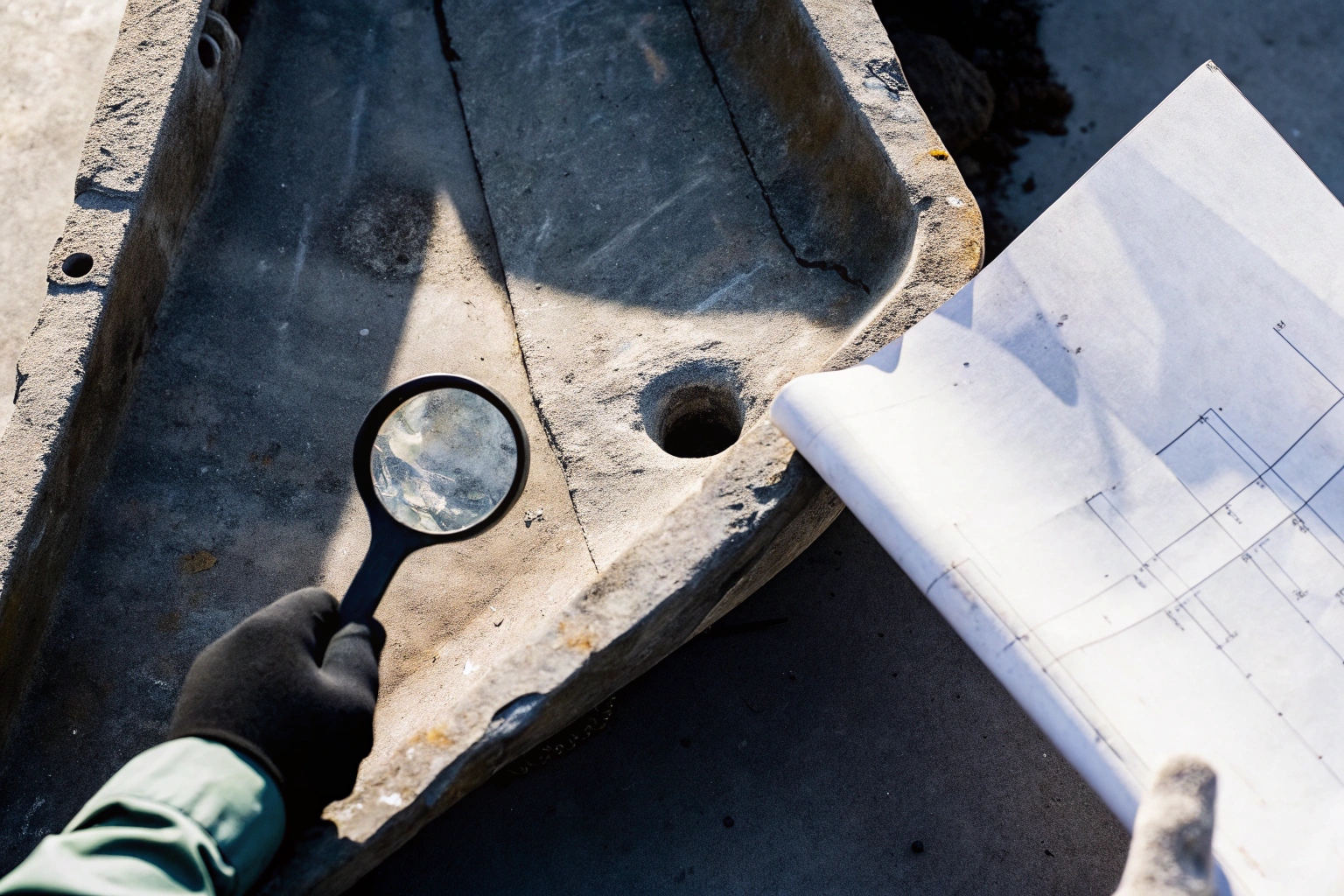
Let’s face it, dealing with failed machinery parts can be a hassle. If you’re anything like me, you’ll want a solution that not only fixes the issue but also enhances the overall performance. That’s where reverse engineering 1 comes into play.
Yes, your supplier can reverse-engineer and enhance parts based on failed samples. Utilizing advanced tools like 3D scanners and CAD software, suppliers dissect failure causes and reconstruct improved components. This process involves collaboration, pinpointing defects, and innovative redesigning for better durability and functionality.
Transitioning from a failed part to a reliable solution requires a meticulous approach. Reverse engineering involves not just replicating the part but improving it, requiring thorough analysis, design modification 2, and quality assurance 3. Let’s delve into how suppliers can execute this effectively.
What is your process for failure analysis and reverse engineering?
Failed parts aren’t just disappointments; they’re opportunities. They allow us to analyze what went wrong and improve. Have you ever wondered why parts fail even with robust designs?
The process begins with disassembling your failed part to understand its shortcomings. Suppliers use failure analysis to identify material weaknesses or structural faults. Following this, reverse engineering with tools like 3D scanning helps recreate the part. Collaboration ensures specific improvement aligns with functional requirements, leading us to a more robust final product.

Critically examining a failed part involves understanding its operational context.
H3: Key Steps Involved
- Data Collection: High-precision scanners 4 gather 3D point clouds even from damaged surfaces.
- Data Processing: Software refines these into detailed polygon models.
- Model Reconstruction: CAD tools 5 help build parts effectively adaptable to original equipment.
Focusing expressions enhance technology utilization.
H3: Real-world Applications
- Suppliers like Zhenjiang Yijiang Machinery excel in customizing solutions for undercarriage components 6.
- They offer specialized services, ensuring failings are corrected while enhancing resilience against similar failures.
Can you analyze the material and hardness of my failed part to find the weakness?
Material and structural integrity 7 define a part’s life expectancy. Imagine your high-performance machine stumbling due to a material flaw. You’d want to avoid that at all costs, right?
Certainly, suppliers employ spectrometry and hardness testing to dissect material weaknesses. They scrutinize the original component’s alloy composition, ensuring the new design addresses fatigue or abrasion problems more effectively. Refining material properties can significantly extend quality and durability, preventing repetitive failures.
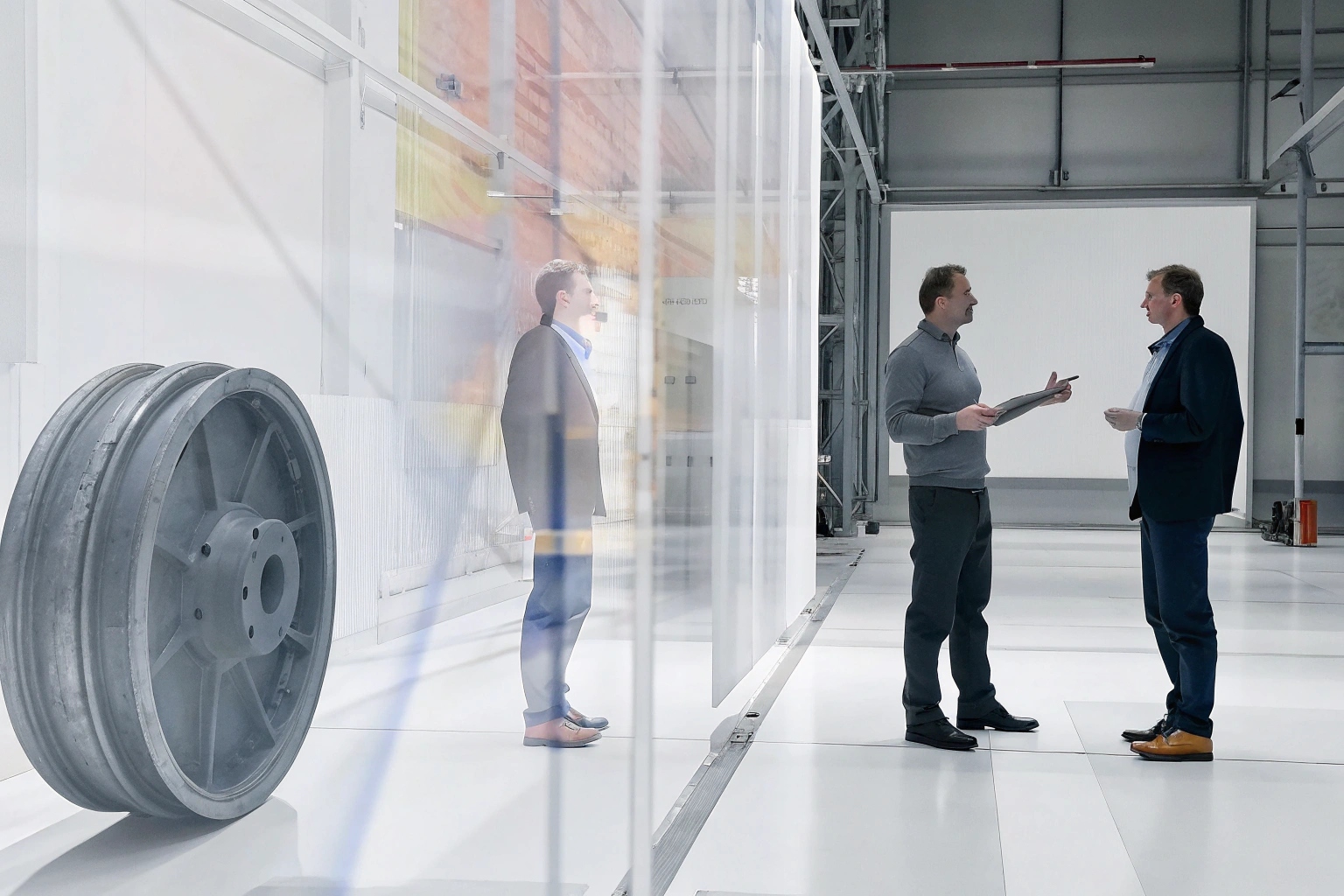
Dive deeper into this essential analysis.
H3: Material Analysis Insights
- Material Composition: Precise alloy identification helps in selecting superior alternatives.
- Hardness Evaluation: Guides improvements in heat treatment processes 8 to bolster wear resistance.
- Enhanced methods stem part longevity.
H3: Structural Reinforcement Techniques - Suppliers incorporate stress tests and load simulation 9 to optimize strength.
- Geometric tweaks reinforce areas prone to fatigue or excessive wear.
How long does it take to develop a new, improved sample based on my failed part?
Time: everyone’s most valuable commodity, especially in industries reliant on machinery for operation. So, how quickly can suppliers turn a failed part into a perfected solution?
Development time varies but averages several weeks, depending on complexity and resources. Often dictated by analysis depth, redesign features, and testing stages. Suppliers commit to rigorous testing, ensuring the new iteration meets or exceeds expectations.

Here’s what influences development duration.
H3: Understanding Timelines
- Initial Analysis: Identifying failure modes and flaws.
- Redesign Cycle: Developing robust solutions demands careful trial and error.
- Testing Phase: Validating improved parts under real-world conditions ensures functionality and safety.
Effective timelines warrant robust project management 10.
H3: Project Management Principles
- With strategic scheduling, suppliers like XCMG avoid common pitfalls.
- They emphasize timely delivery against stringent quality frameworks.
What are the costs involved in this reverse engineering and custom development?
Cost matters. You don’t want this to break the bank, but your supplier offers potential savings by suggesting alternative materials or efficient methods. How does all this affect your bottom line?
Costs range based on the extent of redesign and material alteration. However, reverse-engineered parts offer savings through innovative production processes and reduced material expenses. Suppliers balance quality enhancements against financial feasibility, ensuring the cost benefits align with performance expectations.

Unpacking cost structures.
H3: Costs and Savings
- Material Selection: Utilization of superior yet affordable materials.
- Process Efficiency: Cost-effective methods for enhanced design.
- Quality Assurance: Necessary investment into rigorous testing phases.
Strategic financial management
H3: Cost-Benefit Balance
- The cost of reverse engineering must justify performance improvements.
- Suppliers emphasize value-added improvements for enduring client satisfaction.
Conclusion
Reverse engineering offers a dynamic route to solving manufacturing challenges with innovation at its core. Embrace this approach to transform failed parts into robust solutions.
Footnotes
1. Learn about the fundamentals and applications of reverse engineering. ↩︎
2. Best practices for modifying component designs for durability. ↩︎
3. Explore the role of quality assurance in manufacturing processes. ↩︎
4. See how high-precision 3D scanners work in reverse engineering. ↩︎
5. A guide to using CAD tools for model reconstruction. ↩︎
6. Overview of different types of heavy machinery undercarriage components. ↩︎
7. Understanding the importance of material and structural integrity. ↩︎
8. Explanation of heat treatment processes for strengthening metals. ↩︎
9. Learn how stress tests and load simulation validate part durability. ↩︎
10. Principles of robust project management in custom development. ↩︎