
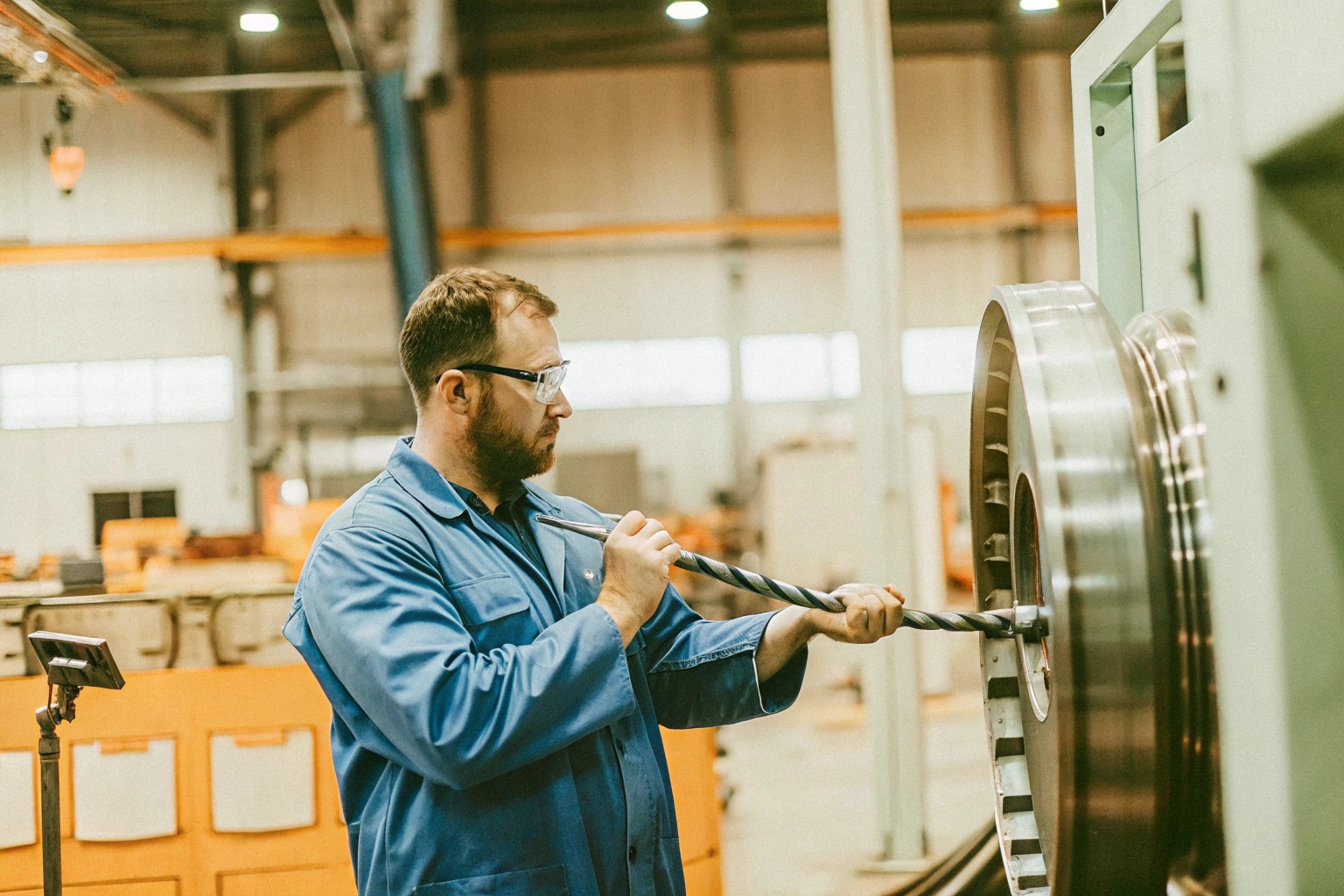
Ensuring the quality and integrity of undercarriage parts for excavators & bulldozer is crucial, I’ve discovered that non-destructive testing (NDT) 1 like UT and MT plays a critical role. The maintenance of heavy machinery relies on consistent inspections.
Non-destructive testing (NDT) methods such as Ultrasonic Testing (UT) 2 and Magnetic Particle Testing (MT) 3 are essential for checking the structural integrity of undercarriage parts for excavators & bulldozer. UT is used for subsurface flaw detection, while MT focuses on surface and near-surface discontinuities; both are employed based on manufacturer guidelines.
NDT is vital for the safety and efficiency of machinery in industries such as construction and mining. The selection and frequency of NDT depends on the operational environment and the manufacturer’s maintenance protocols 4.
Are critical parts like track links 100% tested with Magnetic Particle Inspection (MPI)?
Critical components such as track links carry a lot of stress. Magnetic Particle Inspection (MPI) 5 is crucial to ensure these key parts don’t fail unexpectedly. MPI allows us to spot surface cracks early.
Critical components typically undergo stringent testing, and MPI is used to inspect the surface and near-surface defects of ferromagnetic materials 6 like track links. Often, these parts are tested at a high frequency due to their role in the safe operation of machinery.
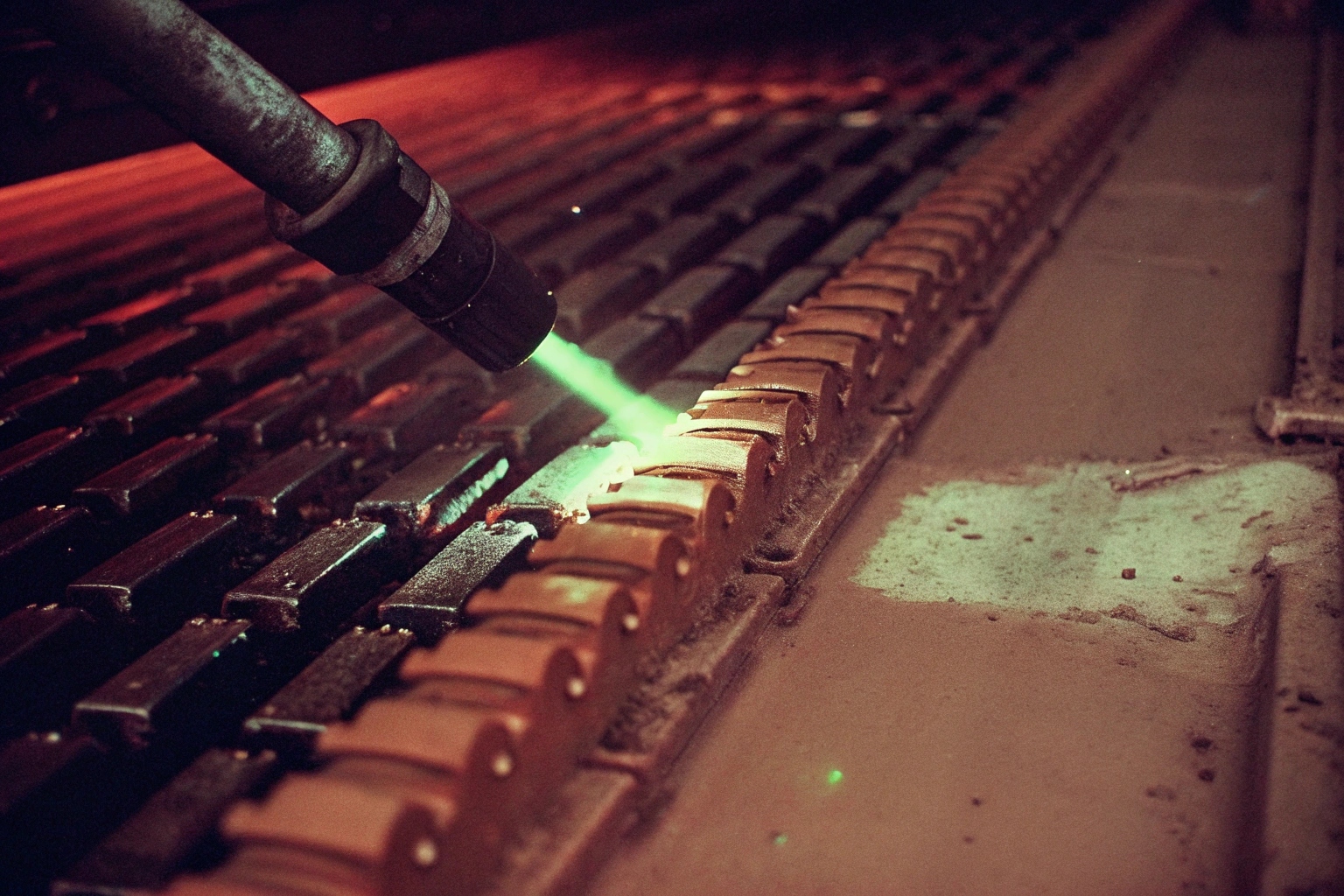
The reliability of track links can be greatly enhanced through routine MPI inspections. Each track link represents the strength and durability of the undercarriage, making rigorous testing necessary. Track link failures can be costly—both in terms of downtime and repairs—and thus call for detailed NDT checks to prevent them.
Inspection Frequency
| Type of Component | Testing Method | Testing Frequency |
|---|---|---|
| Track links | Magnetic Particle Inspection | High frequency |
| Support rollers | Visual Testing | Periodically |
| Drive wheels | Ultrasonic Testing | Medium frequency |
Do you use Ultrasonic Testing (UT) to check for internal flaws in large castings or forgings?
The substantial size of castings and forgings makes them prone to hidden internal flaws. Ultrasonic Testing (UT) is perfect for detecting these imperfections, ensuring the part remains robust under stress.
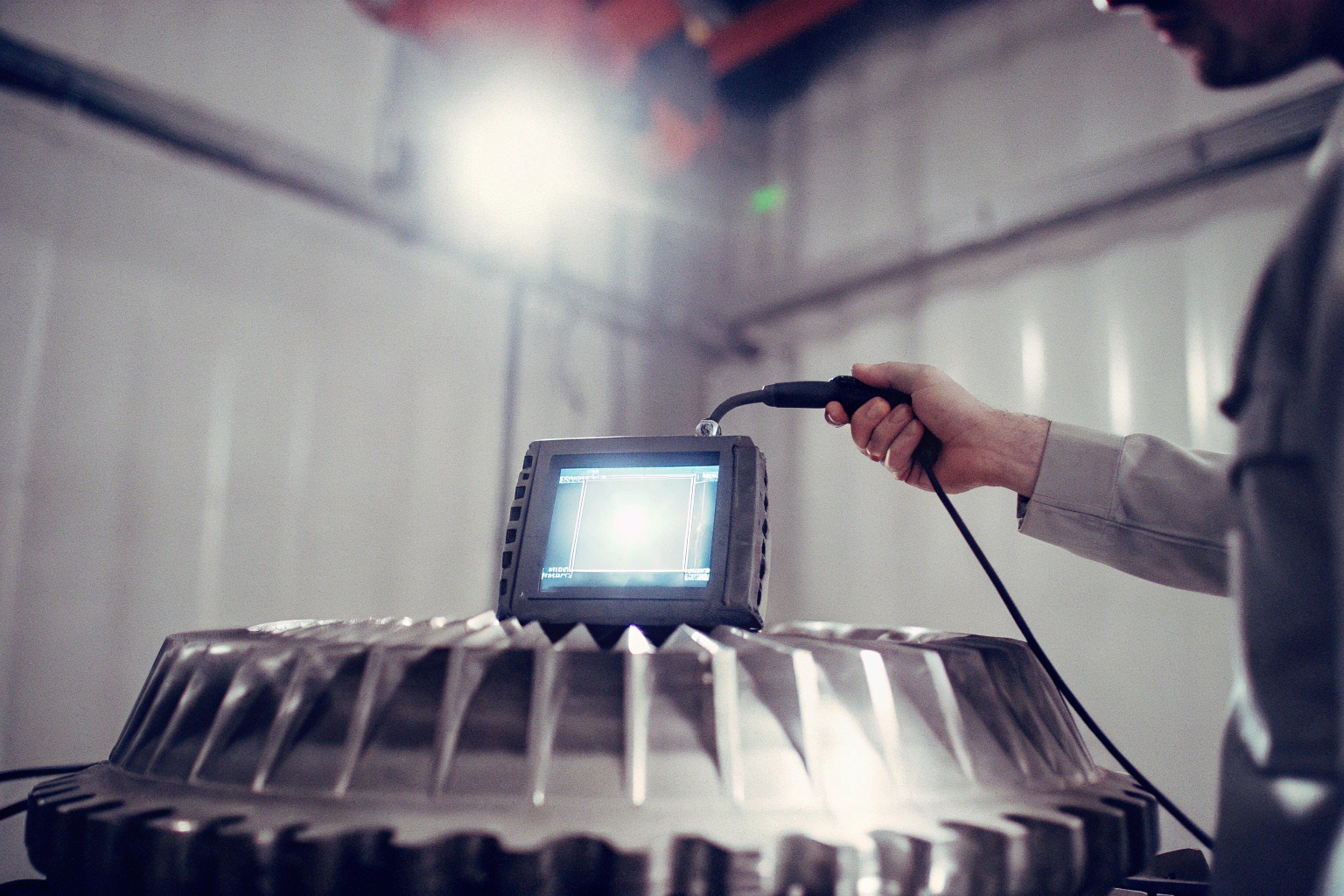
Ultrasonic Testing is indeed utilized for checking internal flaws in large castings or forgings 7. It employs sound waves to detect cracks, inclusions, or voids 8 that could compromise the structural integrity of these components.
Advantages of UT
Casting and forging flaws can be subtle yet detrimental. UT is exceptional at detecting subsurface irregularities often missed by other NDT methods. As technology advances, UT becomes more precise, helping maintain the reliability of these key components. For instance, a tiny void in a forging might weaken the entire structure, but with UT, such issues can be detected before causing problems.
What are your acceptance criteria for NDT inspection?
Ensuring that each part passes specific inspection standards is crucial. Acceptance criteria offer guidance on what constitutes a pass or fail during NDT, impacting whether parts are approved or rejected.
The acceptance criteria for NDT inspection 9 depends on industry standards and the specific requirements of the component. These criteria are designed to ensure safety, reliability, and performance under regular operation.

Detail on Criteria
Acceptance criteria are often stringent due to the critical nature of machinery parts. Increased automation in NDT processes leads to higher consistency and faster results. Each NDT type has specific guidelines: for MT, detectable discontinuities exceed a certain threshold to be considered unacceptable; for UT, internal flaws that might affect functionality are highlighted. Ultimately, correct assessments prevent potential failures and maintain safety standards.
Is this testing done in-house or by a third-party lab?
Where NDT occurs can be an indicator of quality control measures. Whether conducted in-house or outsourced, the resources and expertise involved significantly impact the testing’s effectiveness.
Both in-house and third-party laboratory testing 10 are options. The choice often depends on the complexity of NDT needs, resource availability, and potential bias in results. In-house testing benefits from closer oversight while third-party labs may provide specialized capabilities.

Pros and Cons of Testing Locations
| Testing Location | Pros | Cons |
|---|---|---|
| In-house | Close oversight, immediate feedback | Limited specialized equipment |
| Third-party lab | Specialized capabilities | Disconnected from manufacturing |
Each approach has its strengths, tailored for specific testing needs. Outsourcing can bring expertise but may lack direct connection to manufacturing processes. In-house testing fosters direct quality control but might be limited in terms of technology. Balancing these options ensures comprehensive assessments.
Conclusion
NDT plays a crucial role in maintaining the reliability and safety of undercarriage parts for excavators & bulldozer, adapting to industry standards and technological advancements.
Footnotes
1. Overview of what NDT involves in manufacturing. ↩︎
2. Technical guide on how UT (sound waves) works. ↩︎
3. How MT is used to find surface-level defects. ↩︎
4. Importance of following OEM guidelines for heavy machinery care. ↩︎
5. Detailed look at MPI procedures for industrial parts. ↩︎
6. Definition and examples of ferromagnetic materials in engineering. ↩︎
7. Common defects found inside large cast and forged metal. ↩︎
8. Guide to identifying different types of internal material flaws. ↩︎
9. How international standards define NDT pass/fail criteria. ↩︎
10. The role and benefits of accredited independent testing labs. ↩︎