
Can I integrate my purchasing system with my undercarriage parts for excavators & bulldozer supplier’s factory via EDI or API for orders and invoices?

Integrating systems is crucial for efficiency. I often wonder if it’s possible to streamline my purchasing process with my supplier’s factory through advanced tech such as EDI 1 or API 2. This would optimize order handling and invoicing, minimizing manual errors that disrupt workflow.
Integration of a purchasing system with an undercarriage parts for excavators & bulldozer supplier’s factory is achievable via EDI or API. EDI is a long-established, standardized method for electronic transactions, such as sending purchase orders or receiving invoices. APIs offer more flexible, real-time capabilities, facilitating smoother and faster data exchange.
An effective EDI or API integration attracts interest due to its potential to reduce manual entries, improving overall process efficiency. Understanding the steps involved and how to overcome common implementation challenges can keep your procurement process competitive and error-free.
What EDI transaction sets (e.g., 850 PO, 856 ASN) do you support?
By tightly integrating systems, I hope to automate order tracking and ensure efficiency. It’s vital to know which EDI transaction sets 3 are available, as they govern the data exchange between us.
Most undercarriage parts for excavators & bulldozer suppliers support key EDI transaction sets such as 850 (Purchase Order) and 856 (Advance Ship Notice) due to their critical role in the purchase cycle. These standards ensure seamless communication of order details and shipment information between systems.
Understanding EDI transaction sets is vital for any seamless procurement operation. Here’s a quick overview of some essential EDI transaction sets and what they manage:
Common EDI Transaction Sets
| EDI Transaction Set | Description |
|---|---|
| 850 | Purchase Order (PO) |
| 810 | Invoice |
| 855 | Purchase Order Acknowledgment |
| 856 | Advance Ship Notice (ASN) |
850 Purchase Order: Essential for transmitting buyer requirements. The major benefit is ensuring both the buyer and supplier are aligned on the order specifications.
810 Invoice: Simplifies billing processes, sending detailed billing information electronically.
855 Purchase Order Acknowledgment: Confirms receipt and processing of the order, ensuring transparency in procurement activities.
856 Advance Ship Notice (ASN): Provides shipment details, like tracking information. It’s crucial for planning and forecasting inventory needs.
Do you have an API I can use to place orders or get status updates automatically?
APIs promise quick data access. For someone like me, who relies on swift order fulfillment, APIs could be the key to enhancing productivity and timeliness.
Many suppliers provide APIs 4 that allow clients to place orders or obtain status updates automatically. These interfaces ensure real-time data flow and instantaneous processing, leading to an incredibly efficient procurement cycle.

API Integration Advantages
When choosing to employ an API for procurement, consider these aspects:
- Flexibility: APIs allow for customization, enabling users to tailor the interface based on specific procurement requirements. This flexibility can make a marked difference in responsiveness.
- Real-Time Data: Unlike EDI, APIs provide data instantaneously. This continual flow of information keeps procurement teams informed at all times.
- Scalability: APIs facilitate easy upgrades and expansion, crucial as company demand changes.
Supplier System API Example
An example setup might include:
| Feature | Benefit |
|---|---|
| Order Placement | Instant confirmation and processing |
| Inventory Level Checks | Real-time visibility into stock prolong |
| Shipment Tracking | Ongoing updates on delivery schedule |
APIs not only accommodate existing needs but are adaptable as business operations evolve, offering more robust and real-time procurement solutions.
What is the technical implementation process and who is my contact?
Given my push for seamless integration, understanding the technical intricacies and having a reliable contact 5 person can be game-changers in the integration process.
Suppliers usually provide documentation regarding the technical setup process, including data format mappings and protocols. Liaising with a designated contact at the supplier’s IT department can significantly streamline integration efforts, offering guidance and troubleshooting aid.

Typical Technical Implementation Stages
-
Requirement Analysis: Establish specific business needs and highlight potential integration benefits.
-
Data Mapping: Align data fields between the purchasing system and supplier interface.
-
System Configuration: Adapt systems to accommodate new data exchange protocols.
-
Testing and Validation: Conduct trials to ensure data compatibility, modifying processes as needed.
-
Go Live and Monitoring: Launch the integrated system, maintaining oversight to resolve unpredictable issues.
Contact Role
Having a dedicated contact within the supplier’s IT department can expedite this process. This liaison is pivotal in providing insights, responding swiftly to queries, and ensuring the integration stays within project timelines.
Is there a cost for setting up an EDI or API connection?
Cost assessment is a priority when considering advanced integrations like EDI or API. Financial planning must account for setup fees as well as ongoing transaction charges.
Setting up an EDI or API connection can incur initial configuration costs. EDI 6 often includes setup charges related to document mapping and data format compatibility. APIs 7 may also require a subscription or per-transaction fees, though they generally offer greater flexibility and scalability.
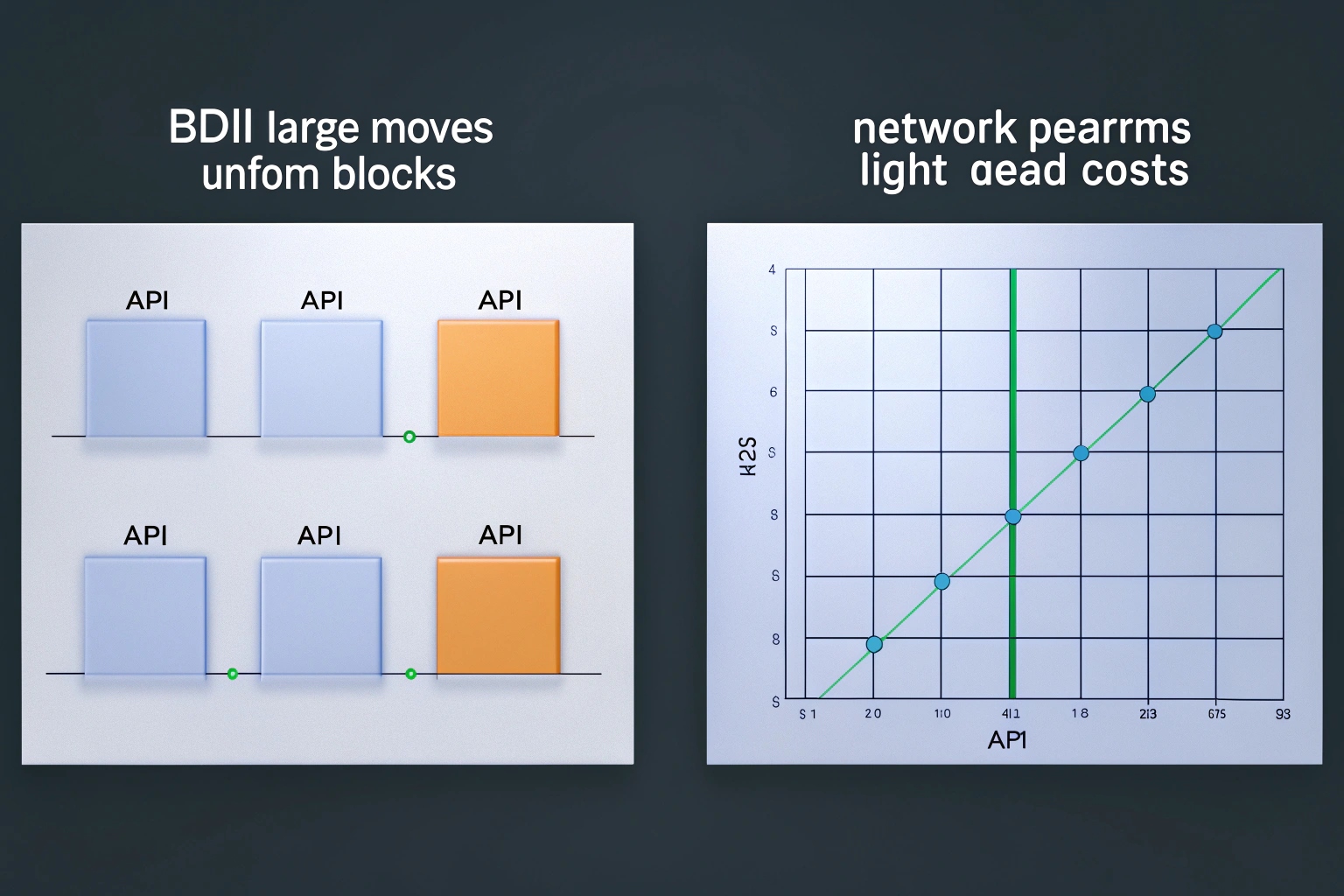
EDI vs. API Cost Breakdown
| Integration Method | Initial Setup Costs | Recurring Costs |
|---|---|---|
| EDI | High | Transaction fees per batch |
| API | Moderate | Potential subscription fees |
-
EDI Costs: Usually higher due to the need for standardized data formatting and network considerations. However, for bulk orders, it’s effective in reducing overall processing times.
-
API Costs: Typically more affordable upfront, with ongoing costs largely dependent on volume or additional features utilized. APIs often allow for a more scalable cost structure as demands evolve.
The choice should weigh functionality, volume of transactions, and budget considerations. APIs might offer a more incrementally scaled cost structure, ideal for dynamic market conditions.
Conclusion
Integrating a purchasing system with a supplier’s factory is a nuanced but rewarding process, promising streamlined operations and improved supply chain efficiency 8.
Footnotes
1. Learn what EDI technology is and its benefits in electronic transactions. ↩︎
2. Understand APIs and their flexibility in real-time data exchange. ↩︎
3. Explore common EDI transaction sets and their roles in procurement. ↩︎
4. Discover how APIs can streamline order and status operations. ↩︎
5. Find a reliable technical contact to aid integration. ↩︎
6. Analyze the costs associated with EDI setup and transactions. ↩︎
7. Check API cost structures and subscriptions for scalability. ↩︎
8. Improved efficiency via system integration within supply chains. ↩︎