

In a world where US regulations are stringent 1 and meticulous, I find myself pondering if my supplier truly grasps these complexities. It’s a concern not just for compliance, but for the longevity of our business relationship.
Finding a supplier for undercarriage parts for excavators & bulldozer who comprehends US technical standards is crucial. It ensures the components are not just appropriate but also compliant with regulations. This understanding prevents potential legal headaches and guarantees the parts’ reliability and safety for the end-user.
It’s vital for me to trust that my supplier is not only knowledgeable but also proactive in adhering to standards. Let’s dive deeper into how suppliers handle these US-specific regulations.
Are you familiar with ANSI or ASTM standards relevant to my components?
The intricate landscape of ANSI and ASTM standards 2 often seems daunting to many in the engineering space, myself included. It’s a relief when a supplier speaks this language fluently knowing these standards are essential.
Yes, a seasoned supplier will recognize the importance of aligning with ANSI and ASTM standards, as these set the framework for material properties, engineering efficiency, and durability of machinery components. Understanding ensures not just compliance but optimal performance.

It’s essential to grasp the diverse standards that dictate component suitability. ANSI and ASTM standards cover a wide range of aspects from material properties 3 to performance indicators. Successful suppliers have dedicated teams ensuring that these components meet both global and US-specific needs. These standards dictate the rigorous testing and evaluation necessary to guarantee parts perform as expected.
Standards Overview
| Standard | Domain | Purpose |
|---|---|---|
| ANSI | American National Standards Institute | Simplifying and harmonizing standards across industries |
| ASTM | American Society for Testing and Materials | Ensuring the material and performance standards of components |
| ISO 9001 | International Standards Organization | Quality management and regulatory compliance |
In meeting these standards, suppliers must constantly audit their production processes and material sourcing. It often involves coordination with third-party testing facilities 4 to verify that parts conform to everything from tensile strength requirements to environmental resistance specifications. Additionally, adept suppliers will integrate these standards into their quality assurance and control measures 5. Those who succeed can produce documentation demonstrating just how parts align with expectations — a vital step for any business partnership.
Do you understand US requirements for warning labels or product liability?
Navigating the legal obligations for product safety and liability 6 can present challenges. I find value in knowing my supplier is versed in these critical areas. Otherwise, potential hazards would loom large over my operations.
A supplier familiar with US regulations guarantees product labels are clear and informative, addressing liability by adhering to high standards. This drives safety and reduces risk in the marketplace.
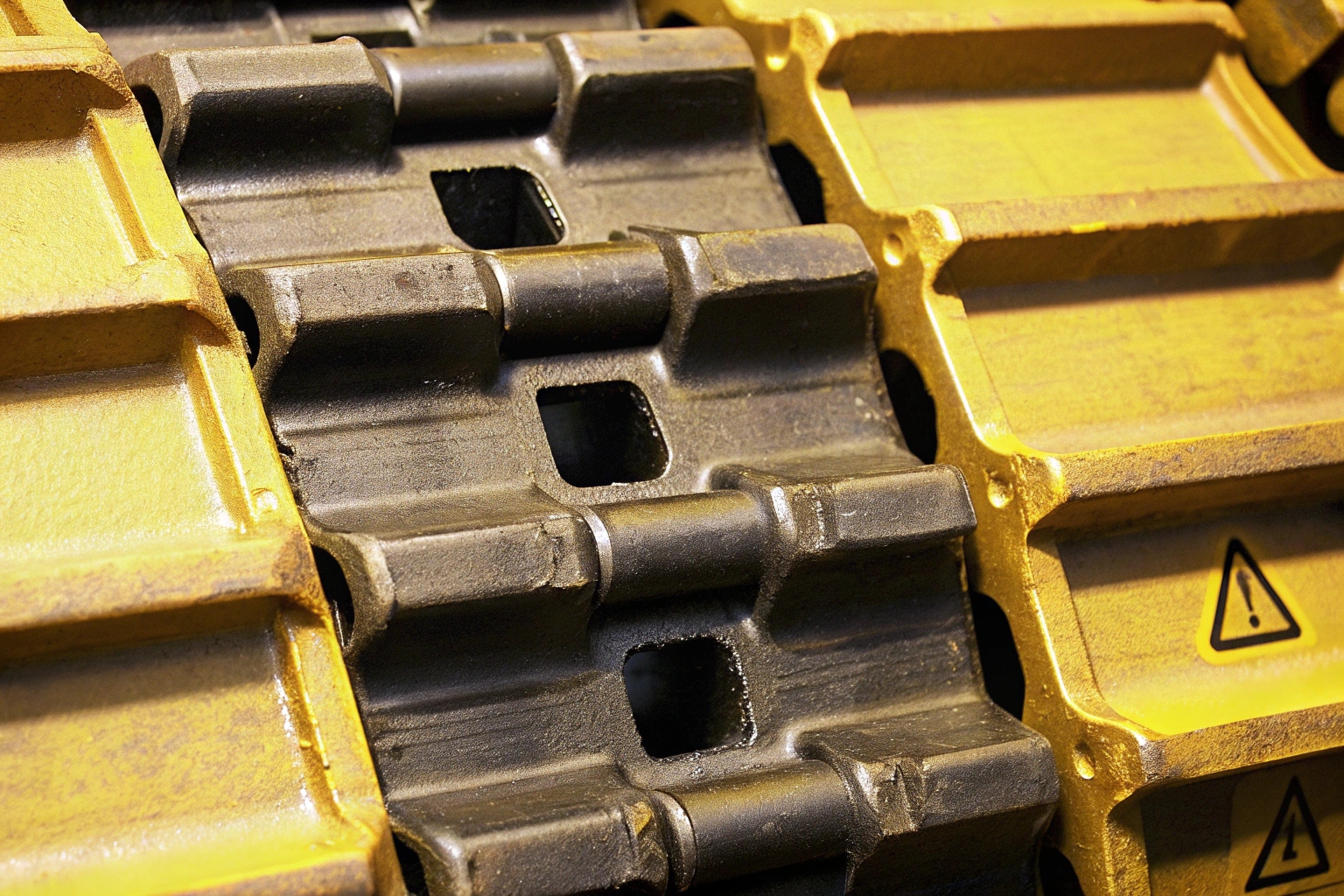
US regulations governing warning labels and liability issues are designed to protect consumers and set benchmarks for suppliers. They require both transparency in warning consumers about potential hazards and a robust approach to liability, should something go wrong with a product.
Key Considerations for Product Labeling
- Compliance with Federal Guidelines: Manufacturers must follow federal regulations such as those from the Consumer Product Safety Commission (CPSC) 7 that dictate warning label clarity and accuracy.
- State-Specific Requirements: Compliance with state laws, such as California’s Proposition 65 8, ensures that products do not expose users to harmful chemicals without proper warnings.
- Legal Defense: Under US law, a comprehensive and clear warning label acts as a crucial defense in product liability lawsuits.
Responsibility doesn’t rest solely with the supplier, but having one versed in US standards brings peace of mind. The liability concept extends to material choice, design, and communication — all factors where mistakes can be costly. I find that suppliers who offer extensive liability protection demonstrate a commitment to quality and safety that aligns with my business values.
How do you stay updated on changes in US technical or safety regulations?
Keeping up with changing regulations can be overwhelming. However, I value suppliers with systems in place to remain current. This guarantees that my components will always be up to the latest standard.
Savvy suppliers adopt a proactive approach to monitoring US regulatory changes, attending relevant workshops and subscribing to industry publications. This diligence ensures continuous compliance and adaptation to new norms.

Understanding the ever-evolving landscape of US technical and safety regulations is fundamental, especially in industries dealing with engineering and manufacturing. Suppliers who invest in comprehensive systems for regulatory updates 10 are steps ahead, translating change into opportunity rather than disruption.
Regulatory Update Strategies
- Industry Publications and Subscriptions: Staying informed through trusted publications such as the Federal Register 9.
- Attending Workshops and Seminars: Practical knowledge from experts ensures theoretical insights are well understood.
- Implementing Regulatory Management Software: Streamlining compliance and tracking changes effectively.
For me, this proactive engagement serves as assurance that my partners are as invested in success as I am. When regulatory shifts occur, these suppliers are prepared, anticipating alterations and adapting their practices accordingly. It’s akin to a partnership where both parties are mutually accountable — a reassuring factor in these dynamic times.
Can your technical team discuss these standards with my engineering team?
Amidst technical complexities, direct and effective communication between teams can be game-changing. It assures me that our expectations will be consistently met and exceeded.
Yes, competent suppliers ensure their technical teams are well-versed and able to communicate confidently with client engineers. This facilitates a deep collaboration, ensuring components meet exact specifications efficiently.

Communication between suppliers’ technical teams and my own is vital for ensuring specifications are not only met but tailored to our particular needs. By bridging the technical gap, suppliers can preempt potential issues that might arise, therefore optimizing our project outcomes.
Advantages of Technical Communication
| Benefit | Explanation |
|---|---|
| Enhanced Collaboration | Direct communication fosters collaborative problem-solving |
| Specification Precision | Verifying standards reduces errors and increases efficiency |
| Relationship Building | Trust is established through transparent technical discussions |
With open lines of communication, misinterpretations are minimized, and projects can move forward smoothly. This synchronization allows for a higher level of customization that can be pivotal in specialized projects or when adapting to newer standards or regulations. Suppliers that bolster this dialogue not only enhance their credibility, they also build lasting partnerships grounded in clarity and trust.
Conclusion
For suppliers to understand US technical standards, they must engage in continuous learning and adaptation. This ensures compliance while protecting my business interests and fostering sustained collaboration.
Footnotes
1. Overview of the US federal regulatory process for manufacturers. ↩︎
2. Learn about ANSI and ASTM’s roles in setting US standards. ↩︎
3. Guide to understanding key material properties in manufacturing. ↩︎
4. The importance of independent, third-party verification in compliance. ↩︎
5. Best practices for implementing quality assurance and control systems. ↩︎
6. Primer on United States product liability and safety laws. ↩︎
7. Explore the CPSC’s function in consumer product safety. ↩︎
8. Details on California’s specific chemical warning requirements (Prop 65). ↩︎
9. How to use the Federal Register to track upcoming US regulations. ↩︎
10. Strategies for building systems to track regulatory changes. ↩︎