
How do I cross-reference international OE numbers for excavator undercarriage parts with Chinese suppliers?

Finding the right undercarriage parts for my excavator can feel overwhelming, especially with different OE numbers for various regions. I’m here to share strategies to make this challenging task more manageable.
To cross-reference international OE numbers with Chinese suppliers, I usually consult manufacturer’s catalogs 1 or digitally provided databases from my supplier. These resources often contain detailed mappings of OE to supplier-specific numbers, making the cross-referencing process straightforward and efficient.
Navigating the various methods for accurate cross-referencing is essential. By understanding supplier catalogs, digital systems, and maintaining clear communications with suppliers, one can significantly enhance the accuracy of their part selection.
Which catalogs help me map my OE to aftermarket numbers?
OE numbers often seem like another language. I know the struggle of needing to match what I have with what the supplier sells.
OEMs and aftermarket catalogs 2 serve as the most reliable resources when I have to map my OE numbers to aftermarket numbers. Reputable suppliers usually provide comprehensive catalogs detailing these mappings or offer digital tools with databases synchronized with their inventory systems.
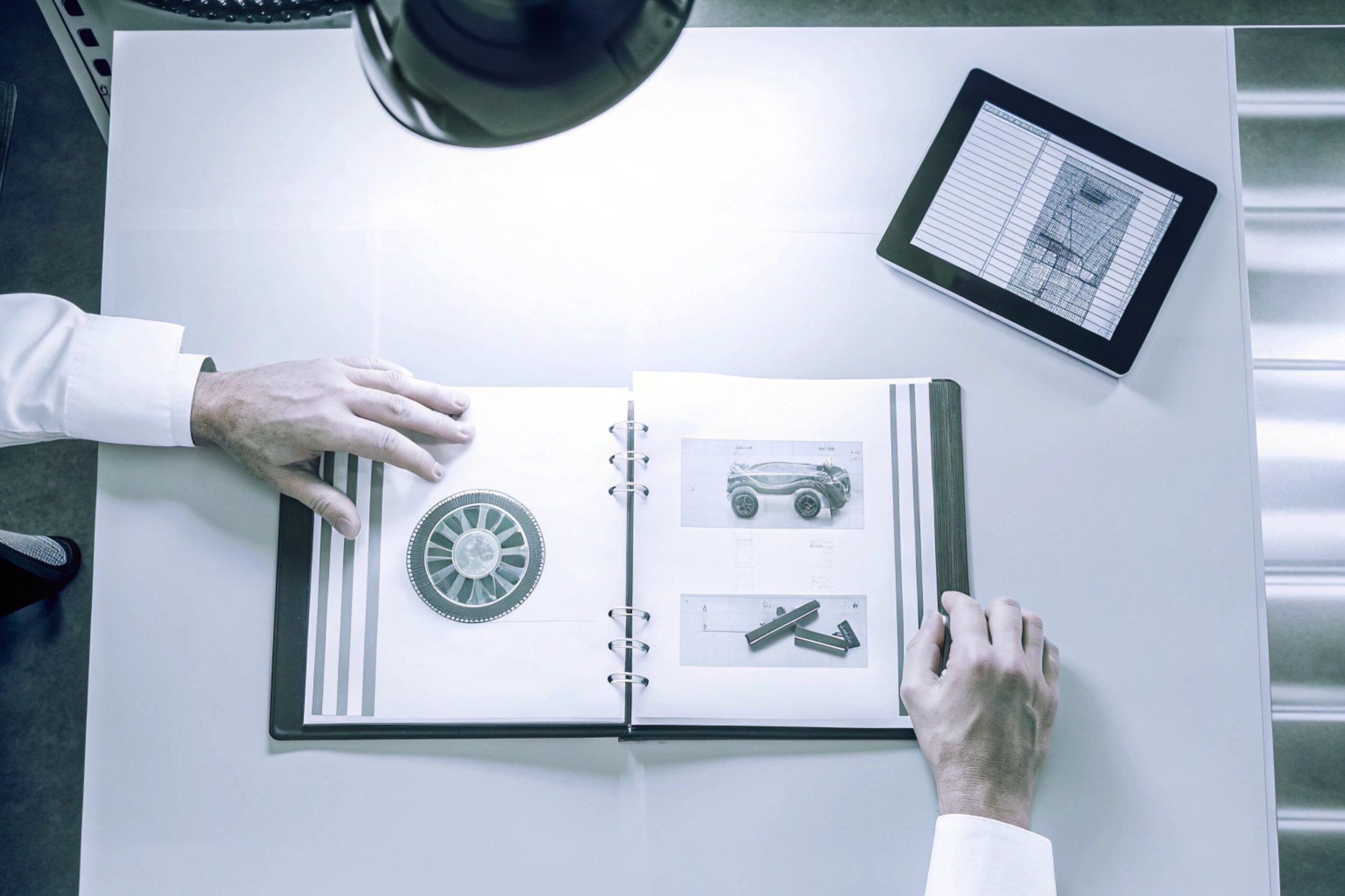
To dive deeper into how catalogs can assist you, recognize that many suppliers will make use of both physical and digital catalogs. Physical catalogs, although somewhat outdated, offer a robust starting point—with sturdily bound pages that include exploded diagrams, descriptions, and part numbers. However, digital catalogs are becoming more the norm. Most reputable suppliers will have online systems that allow you to input your specific excavator model, brand, and OE number. These systems are generally well-maintained and include regular updates that reflect the latest part number changes or additions.
These catalogs often come equipped with search functionalities that enable quick identification of parts through inputs like model names, serial numbers, or part descriptions. By leveraging technological advancements, the once laborious process of cross-referencing becomes a simple search-and-find exercise.
Can my supplier provide an OE-to-Dingtai cross list for my parts?
Trying to get every part to match exactly? You’re not alone. Precise cross-referencing is key for any project.
Yes, many suppliers, including Dingtai 3, potentially provide an OE-to-Dingtai cross-list. This list enhances efficiency by allowing you to clearly view all corresponding parts, streamlining the matching process and reducing potential errors.

Understanding the supplier’s capability to offer an OE-to-Dingtai cross-list is essential in item management. Such a list lays out the parts in an easily digestible format, often categorizing parts by equipment model or function. For the more tech-savvy individuals, these lists can sometimes interface with ordering systems to allow quick reordering or checking stock levels.
Additionally, some suppliers may offer custom cross-referencing services if you manage large orders, which involves them developing your specific part matching database that factors in all relevant OE numbers. This bespoke service helps refine logistics and can prevent costly mismatches by providing a trustworthy, validated source for every piece ordered.
Here’s a table that outlines the potential benefits of using such cross-list services:
| Benefit | Explanation |
|---|---|
| Enhanced Accuracy | Minimizes human error in part matching |
| Customization | Tailors the part list to specific needs or equipment |
| Efficiency | Speeds up the ordering process significantly |
| Inventory Management | Keeps track of part availability and stock levels seamlessly |
| Reliable Sourcing | Provides peace of mind through confirmed compatibility |
How do I avoid mismatches when my part numbers differ by region?
Imagine receiving a part that doesn’t fit. Frustrating, right? It happens all too often when numbers differ regionally.
The key to avoiding mismatches is communication 4. Supplies must be informed and equipped with the requisite catalogs to interpret different regional part numbers. Providing additional information like machine serial numbers increases accuracy in this situation.

Delving further into this issue, it is important to note that part discrepancies can arise not just from differences in OE numbers but also from variations in manufacturing standards and specifications, which differ regionally. When dealing with such scenarios, effective documentation and information sharing act as vital tools. First, ensure that all given documentation is current and reflective of the current OE numbers.
Second, maintain open and clear communication channels with your suppliers. Sharing detailed technical drawings or photographs can serve as essential safeguards against incorrect part dispatch. Also, inquire about any regional differences in material specifications 5 to ensure that not only the part fits but also functions as expected based on localized environmental and operational conditions.
Here’s a quick comparison table:
| Approach | Advantage | Challenge |
|---|---|---|
| Serial Number | Provides precise machinery data | Can be misinterpreted if not updated |
| Communication | Clarifies all misunderstandings | Demand clear channels |
| Documentation | Offers concrete reference for parts | Requires up-to-date records |
| Visual Aids | Aids in proper part identification | Necessitates detailed images |
| Technical Data | Ensures functional equivalence across regions | Must be correctly measured |
Is sharing machine serial numbers necessary? My experience says it often simplifies validation.
Yes, sharing your machine’s serial numbers greatly aids in validating OE codes. This step ensures accurate part matches by enabling suppliers to access exact machine specifications and maintain inventory alignment with the requested parts.
Sharing your serial number acts like an insurance policy against costly mistakes. Suppliers can access precise manufacturing details directly tied to your machine, verifying every aspect of your request against official records from the equipment manufacturer. That connection guarantees that the parts you source will perform correctly, fitting seamlessly into your operational workflows.
Supplying serial numbers provides exact alignment between the requested part’s specifications and the machinery’s needs. Serial numbers unlock detailed blueprints showcasing exact part requirements, which demonstrate the machinery’s age, specific configurations, and possibly past maintenance records or modifications. By doing so, this ensures that any order placed is thoroughly validated against not just a generic part list but the precise needs your specific machine entails.
Conclusion
Understanding these mechanisms gives clarity to sourcing excavator undercarriage parts and ensures compatibility without confusion.
Footnotes
1. Resources that streamline the cross-referencing process with precise product mapping. ↩︎
2. Detailed guides for translating OE numbers across product manufacturers. ↩︎
3. Utilizes cross-lists to simplify part matching and reduce ordering errors. ↩︎
4. Techniques for maintaining clear supplier communications to avoid order mismatches. ↩︎
5. Explanation of global material specifications impacts on part compatibility. ↩︎