

It’s overwhelming to choose the right track chain for your excavator 1 with so many options available. As someone deeply invested in maximizing equipment lifespan 2, I’ve often pondered whether SALT or dry chains would better suit my needs.
Sealed and Lubricated Track (SALT) chains 3 are designed to maintain lubrication within the chain, ensuring longevity and reducing maintenance compared to dry track chains 4. While dry track chains might seem more appealing initially due to their lower cost, they require more frequent upkeep, which can prove costly in the long run.
Understanding the impact of your decision on functionality, maintenance, and costs can guide you towards a more informed choice.
Which chain type lasts longer in rocky or muddy conditions?
Rocky and muddy conditions massively affect excavator performance 5. I’ve always been curious about which chain can withstand these harsh environments without frequent repair.
In rocky or muddy terrains, SALT chains generally outperform dry chains in terms of longevity. SALT chains are designed to keep abrasives out and maintain internal lubrication, protecting critical components from wear 6. This feature makes them particularly suited for environments with high debris exposure.

Choosing the right chain type depends greatly on the terrain where your equipment operates. SALT chains utilize internal oil reservoirs to keep friction at bay, reducing overall wear and extending lifespan. In contrast, dry chains might allow external factors like mud to aid in lubrication temporarily, but without sealed protection, these chains are prone to quicker wear in such conditions.
Comparison Table: SALT vs. Dry Chains in Rocky or Muddy Conditions
| Feature | SALT Chains | Dry Chains |
|---|---|---|
| Internal Lubrication | Yes, utilizes internal oil reservoirs | No, relies on external conditions |
| Abrasive Material Protection | Excellent, due to sealed design | Moderate, as abrasives can enter freely |
| Wear Resistance | Higher, due to consistent lubrication | Lower, higher wear rates in abrasive conditions |
| Maintenance Frequency | Lower, requires less frequent maintenance | Higher, due to exposure to elements |
In summary, for rocky or muddy conditions, SALT chains offer superior durability and require less frequent maintenance than their dry counterparts.
How do SALT chains impact my maintenance intervals?
Maintenance is critical in ensuring excavator efficiency 7. I’ve often wondered how my choice of track chain could alter my maintenance schedules and operation costs.
SALT chains significantly reduce maintenance frequency because lubrication is internally sealed within the chain. This design minimizes the need for constant greasing and inspection, making SALT chains an attractive option for intensive use cases.
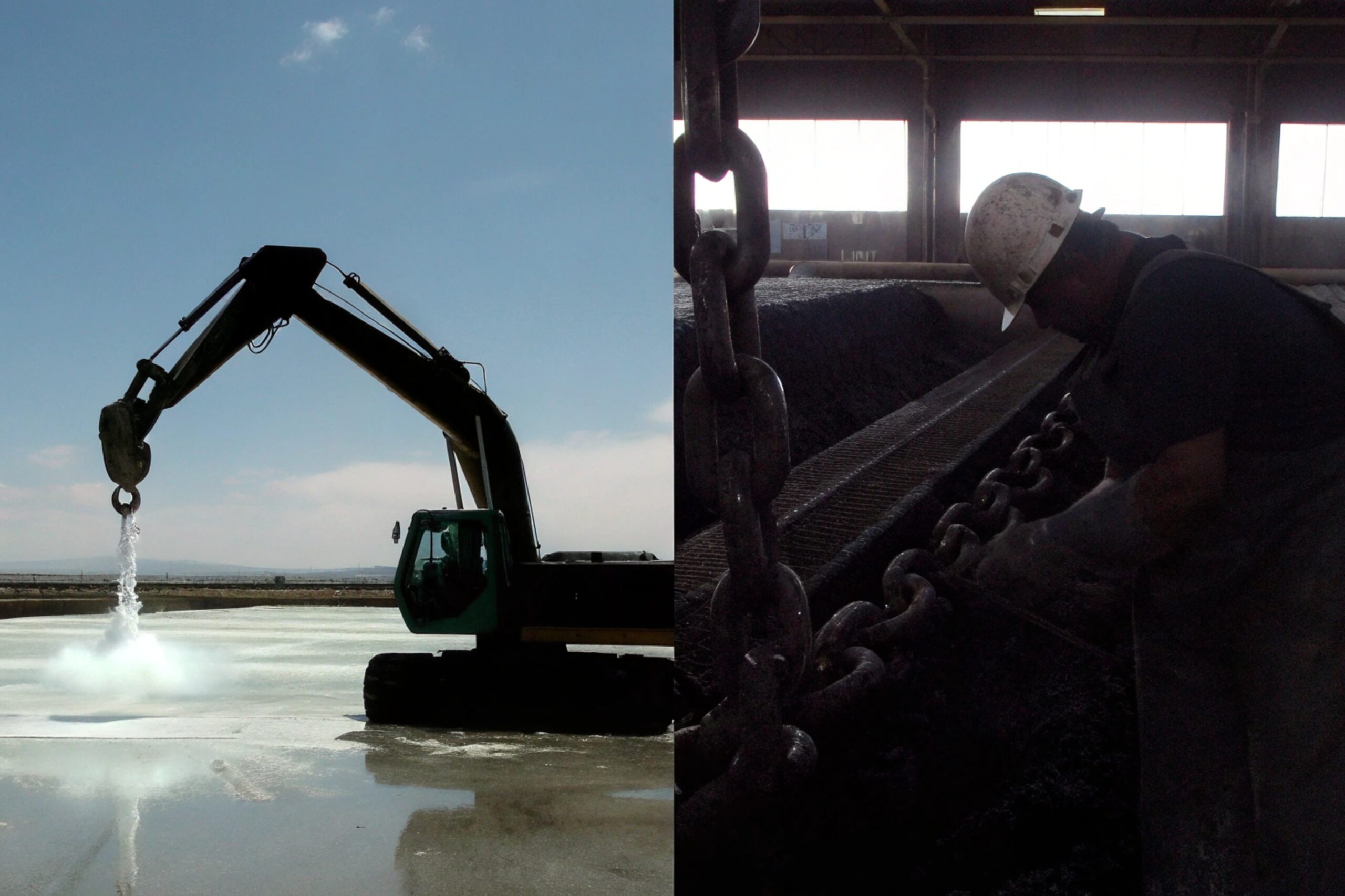
SALT chains lower the burden of regular maintenance on operators. With lubrication well-protected inside the chains, the chance of lubrication washout is minimal. Consequently, this reduces the need for constant checks and relubrication, increasing uptime and productivity 8 while reducing maintenance labor costs.
Pros and Cons: SALT Chains Maintenance Impact
| Pros of SALT Chains in Maintenance | Cons of SALT Chains in Maintenance |
|---|---|
| Less frequent maintenance required | Initial higher cost |
| Consistent lubrication reduces wear | Vulnerable to seal failure |
| Easier inspection without frequent checks | Requires thorough monitoring to detect seal issues |
Operators who prioritize less downtime and streamlined operations often find SALT chains to be the wiser investment despite the initial costs.
What is the cost difference between SALT and dry chains?
The financial implications of choosing between SALT and dry chains are substantial, impacting both initial and long-term expenses. I’ve pondered this cost disparity to understand the true value each option provides.
SALT chains come with higher upfront costs but deliver longer lifespan and less frequent maintenance requirements than dry chains. The initial investment in a SALT chain may seem steep, but over time, the reliability and reduced maintenance can offset the higher purchase price.
The overall cost evaluation should consider both immediate expenses and long-term savings. SALT chains, with less frequent maintenance and longer life, can offer better overall value.
Cost Analysis: SALT vs. Dry Chains
| Cost Element | SALT Chains | Dry Chains |
|---|---|---|
| Initial Purchase Price | Higher, due to advanced sealing and lubrication | Lower, simple design without sealing |
| Maintenance Cost | Lower, due to reduced maintenance frequency | Higher, requires frequent maintenance |
| Long-term Value | Higher, extended lifespan and efficiency gains | Lower, quicker wear and frequent replacements |
By evaluating the upfront costs against potential long-term savings, many operators conclude SALT chains provide a better return on investment.
Can I mix SALT chains with standard track shoes?
Mixing SALT chains and standard track shoes 9 is a question many ask, seeking to improve equipment performance. I’ve considered the feasibility of this combination to balance functionality and cost.
While it is technically possible to mix SALT chains with standard track shoes, it is not recommended. The integrity and performance consistency of the undercarriage can be compromised. A uniform chain system ensures optimal compatibility and efficiency. Mixing components could lead to uneven wear and potential operational issues.

Inconsistent component pairing, such as using SALT chains with non-matching track shoes, risks failure. It may result in uneven distribution of stress and reduction in the lifespan of parts.
Considerations for Mixing Components
| Risk Factors | Outcome |
|---|---|
| Compatibility Issues | Can cause uneven wear and higher failure rates |
| Performance Inconsistency | Reduces system efficiency |
| Warranty and Repair Complications | Potential for voiding warranties and increased repair costs |
Selecting compatible parts is essential to maintain the performance and effectiveness of your excavator’s undercarriage 10. To ensure smooth operations, operators should opt for components designed to work together.
Conclusion
SALT chains, despite their higher initial cost, offer better reliability, lower maintenance, and longer service life, especially in harsh conditions. Understanding specific needs and environment guides the choice of track chain.
Footnotes
1. Guide on selecting the right track chain for your excavator model. ↩︎
2. Tips and strategies for maximizing the lifespan of heavy construction equipment. ↩︎
3. Detailed explanation of how Sealed and Lubricated Track (SALT) chains function. ↩︎
4. Overview of dry track chains and their typical maintenance requirements. ↩︎
5. Factors that influence heavy-duty excavator performance in harsh environments. ↩︎
6. Best practices for protecting critical undercarriage components from abrasive wear. ↩︎
7. How undercarriage maintenance directly impacts overall excavator efficiency and fuel consumption. ↩︎
8. Strategies for increasing equipment uptime and productivity on the job site. ↩︎
9. A guide to different types of standard and specialized excavator track shoes. ↩︎
10. Comprehensive maintenance guide for an excavator’s undercarriage system. ↩︎