
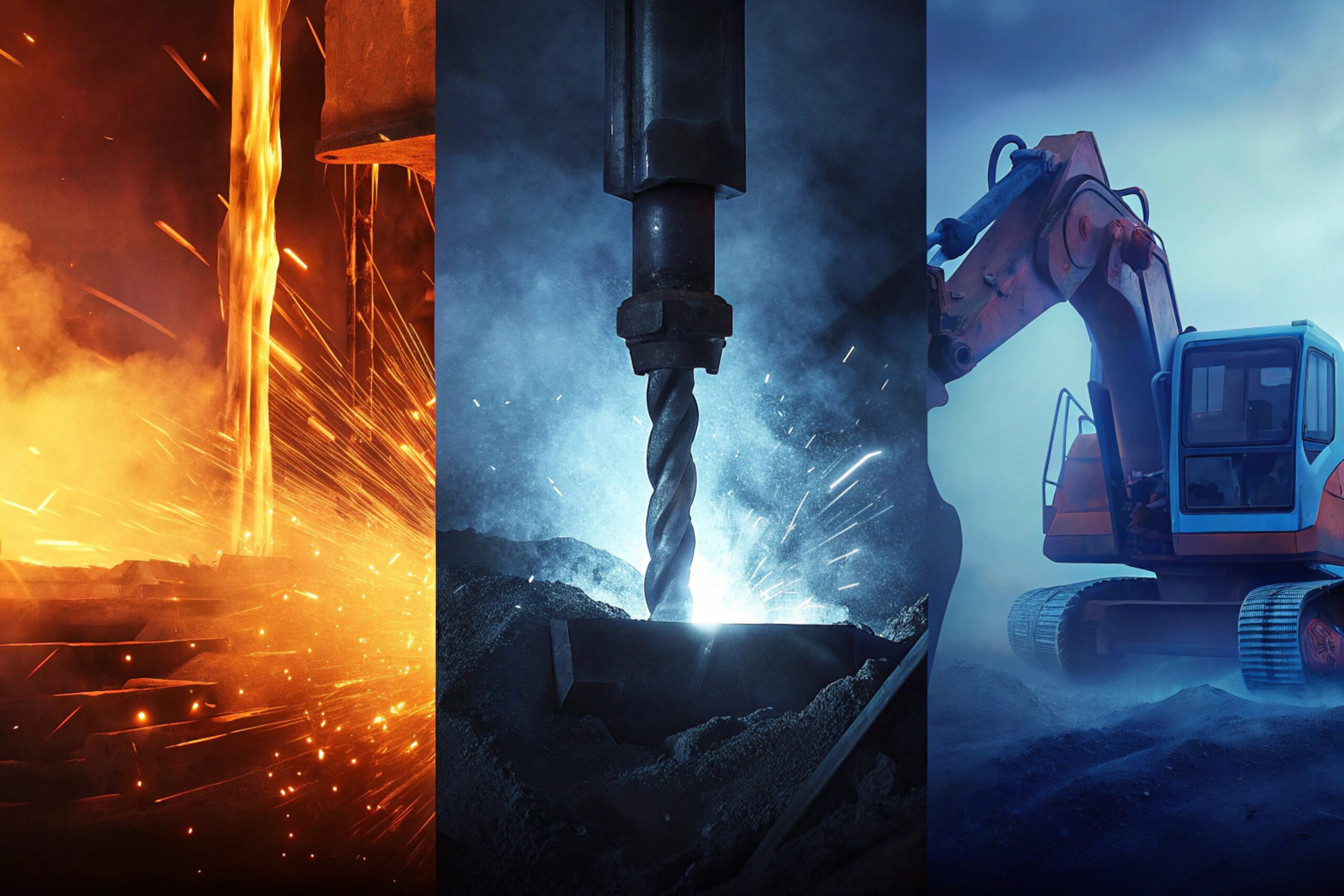
When I decide on the components for my excavator’s undercarriage 1, I need to know how manufacturing processes impact performance. Choosing the right process can mean the difference between frequent maintenance and seamless operation.
Forging, casting, and machining processes each bring unique attributes to excavator undercarriage parts. Forging increases strength by refining grain structure, casting offers complex shapes at a lower cost, while machining ensures precision. Evaluating these will guide optimal choice for specific applications.
Understanding these processes is crucial. It affects how long my excavator can handle harsh conditions and whether its parts live up to their promise.
Should I prefer forged links over cast for high impact?
Starting with forged links might seem daunting due to cost, but are they really that much better for impact resistance 2?
Yes, I should choose forged links for high-impact scenarios because they offer superior durability and strength. While casting is cheaper initially, flaws like porosity affect its longevity and reliability under stress.
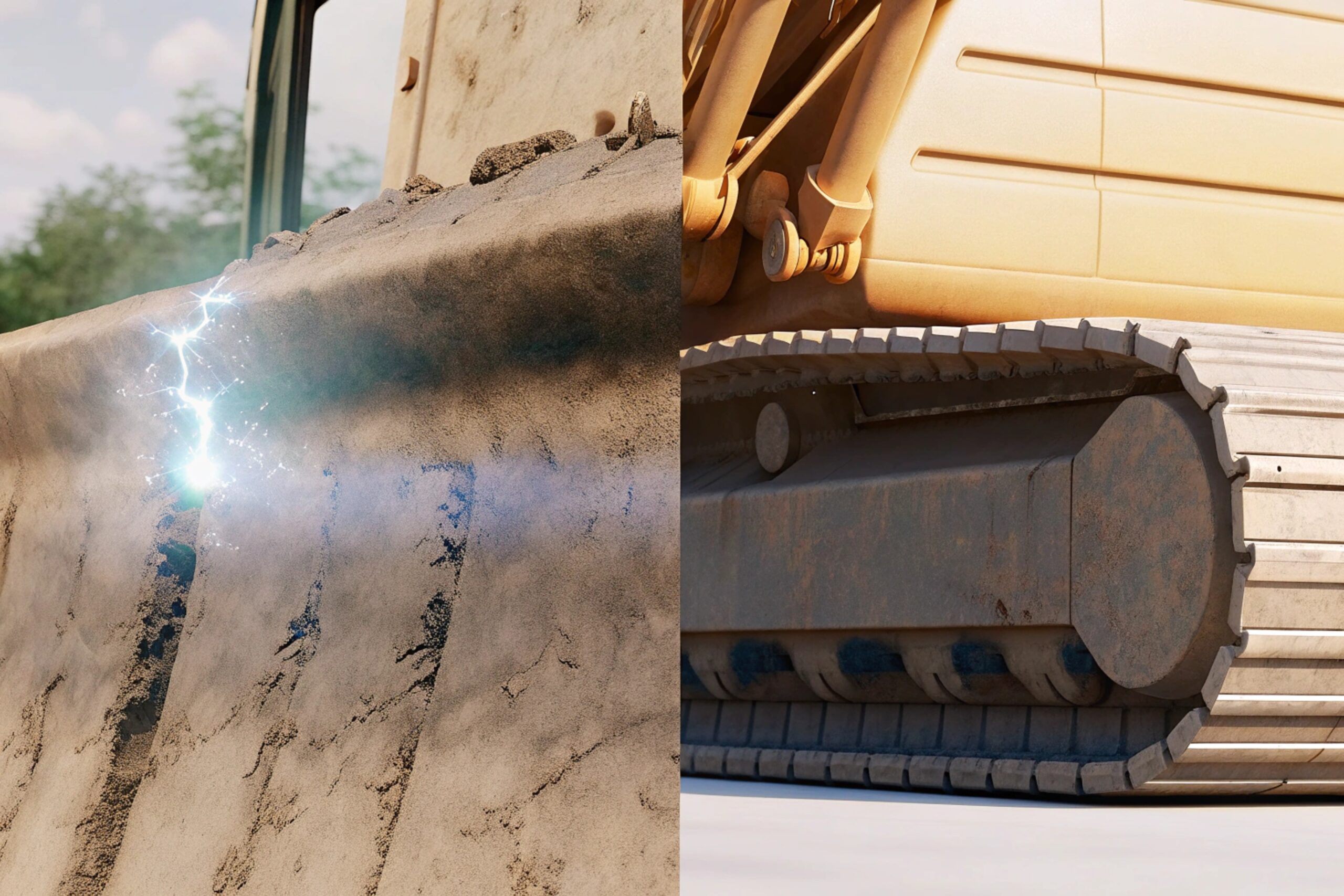
The forging process 3 involves reshaping metal under high pressure, which refines the internal structure. This refinement enhances the strength, particularly critical under high impact and load-bearing applications. According to the insights I gathered, forged steel parts, such as links, offer better fatigue resistance 4 and impact toughness, making them ideal for demanding, high-impact environments like excavation. The continuous grain flow 5 achieved through forging aligns with the direction of stress, providing higher mechanical properties. In contrast, casting, despite allowing for intricate designs, can introduce microscopic defects that may lead to failures under stress, particularly in harsh environments.
Forging vs Casting: A Critical Comparison
| Property | Forging | Casting |
|---|---|---|
| Impact Resistance | Very High | Moderate |
| Fatigue Resistance | Superior | Lower |
| Initial Cost | High (tooling costs) | Lower |
| Typical Use | High-stress parts (links, rollers) | Complex shapes, low-stress parts |
Ultimately, while cast parts might suffice in less demanding situations or for initial cost savings, the long-term benefits of forged parts, such as links in high-impact scenarios, translate into reduced downtime and lower maintenance costs. It leads me to conclude the importance of priority on forging for high-stress applications.
How does CNC machining improve roller concentricity?
Understanding how CNC machining 6 fits into this picture is vital. Is it worth the expense for ensuring concentricity?
CNC machining drastically improves roller concentricity by allowing for precise control over dimensions and tolerances. This precision ensures even stress distribution and reduces friction, significantly enhancing roller life.
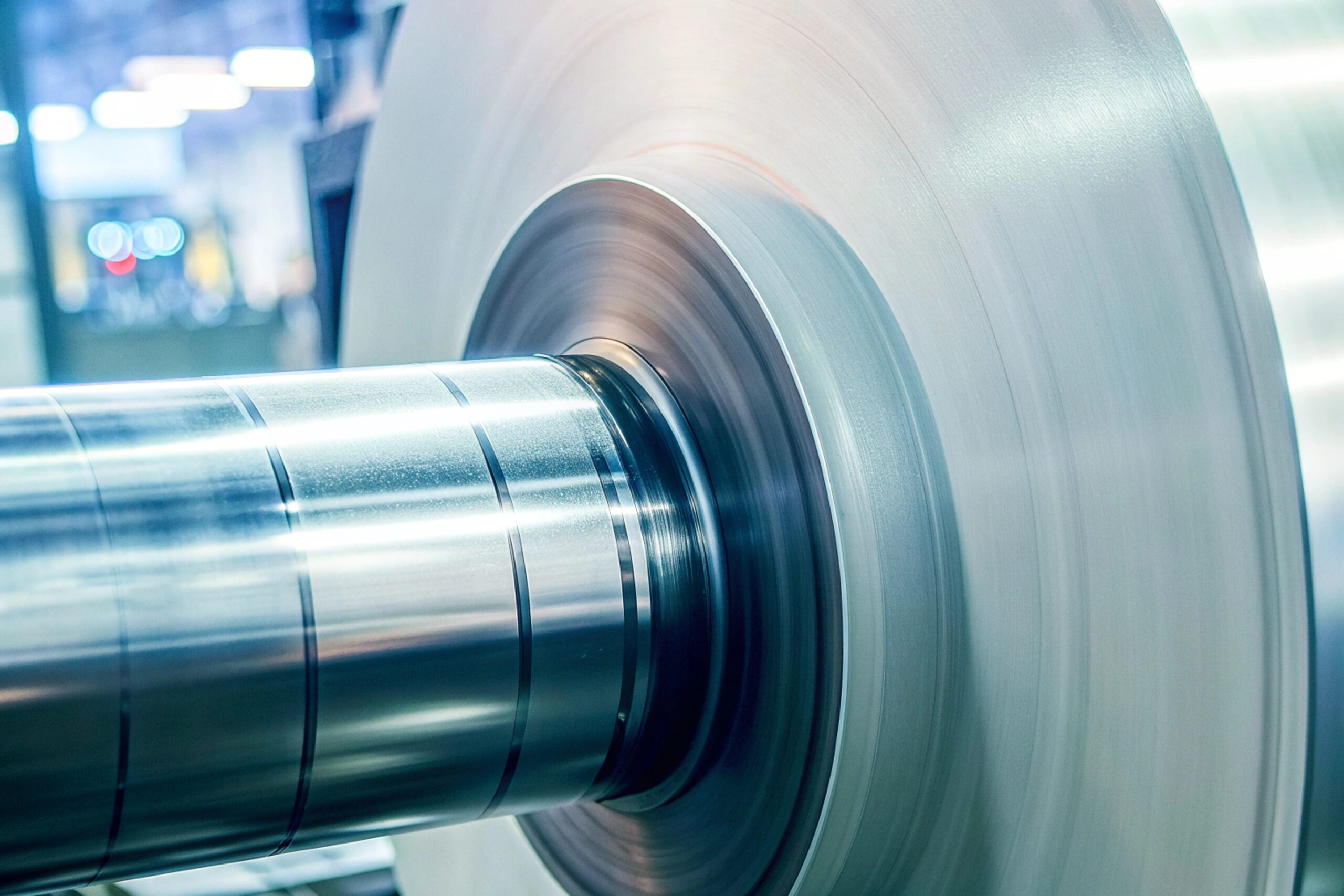
CNC machining stands out for its precision, crucial for parts like rollers requiring meticulous tolerances. Rollers in excavators endure constant stress and rotation. Any imbalance could lead to uneven wear, friction, and energy waste. By employing CNC machining, I can achieve the desired precision in roller dimensions, enhancing their roller concentricity 7—a vital factor for smooth operation. Machining ensures a uniform, smooth surface that reduces friction and wear during motion, substantially extending component lifespan.
Using CNC methods offers advantages too in modification and repair. Machined surfaces can be tailored to fit specific requirements, ensuring versatility, even for previously forged or cast parts. High precision reduces assembly gaps and improves alignment, leading to optimal performance. Despite being more cost-intensive, CNC machining’s benefits like efficiency and enhanced performance, particularly in high-wear areas, justify the investment.
Benefits of CNC Machining for Rollers
- Precision: Achieves high tolerances, ensuring roller roundness and balance.
- Efficiency: Lowers friction, enhancing energy efficiency and reducing wear.
- Versatility: Adapts easily to different specifications, useful for custom needs.
The improved performance of rollers through CNC machining complements their function, especially in demanding environments, affirming its significance in the industry.
Do cast sprockets meet my heavy-duty requirements?
Can cast sprockets 8 truly stand up to heavy-duty tasks, or is there a better alternative?
Cast sprockets often fail to meet heavy-duty requirements due to inherent material weaknesses like brittleness and porosity. For high-load conditions, forged sprockets are recommended for longevity and reliability.
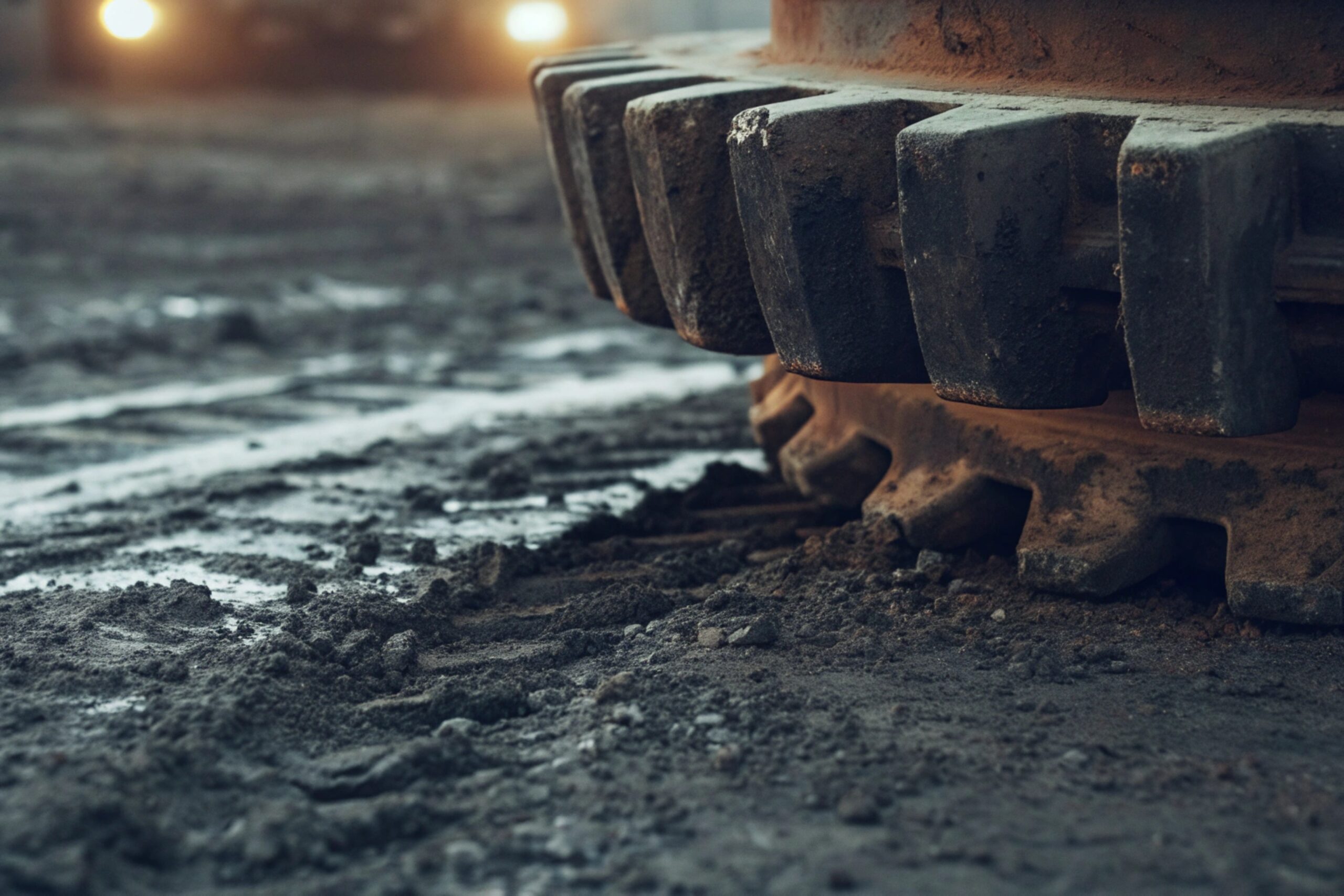
Casting allows for the production of complex sprocket shapes, making it an attractive choice for its cost and efficiency. However, this process involves filling molds with molten metal, which may result in defects like porosity. These defects compromise the strength and integrity, especially under heavy loads, potentially leading to premature failure. Castings don’t typically offer the uniform grain structure necessary to endure high stress and load conditions. Although casting is cost-effective for initial runs and repairs, its longevity under heavy-duty usage poses concerns.
In contrast, forged sprockets enhance strength through grain refinement, better enduring the wear and load placed on excavator components. The forging process reduces weak points in parts, providing greater resistance to cracking and fatigue failure. The cost-benefit of using forged sprockets proves advantageous, ensuring reduced maintenance in the long run.
Cast vs Forged Sprockets
| Property | Cast | Forged |
|---|---|---|
| Durability | Lower (due to defects) | Higher (grain refinement) |
| Suitability for Heavy Duty | Limited | Excellent |
| Cost | Lower than forged | Higher initial cost |
Given these aspects, opting for forged sprockets for heavy-duty requirements ensures minimal disruptions and optimum efficiency, aligning with performance needs in demanding operations.
Can I request process capability (CPk) data from suppliers?
Securing reliable parts means knowing their manufacturing quality. Is process capability (CPk) data 9 a request I can make?
Yes, requesting process capability (CPk) data from suppliers is a vital step in evaluating manufacturing consistency. It offers insight into process quality, ensuring the parts’ reliability meets specific tolerances.

Requesting CPk data is an industry standard for verifying a supplier’s ability to consistently produce parts within specified tolerances. It measures how well processes are performing relative to specified limits, providing assurance about the quality and reliability of components. CPk values above 1.33 10 usually indicate a mature, stable process capable of producing high-quality parts consistently. When engaging in business with potential suppliers, especially for critical components like undercarriage parts, CPk data exemplifies the quality control rigor and capacity safeguards in place. It assists procurement decisions by identifying manufacturing strengths and areas requiring attention, ensuring parts’ dependability and compliance with safety standards.
Importance of CPk Data
- Consistency: Indicates process reliability and consistency in meeting specifications.
- Quality Assurance: Essential for understanding supplier quality control processes.
- Decision Making: Aids in identifying suppliers with robust manufacturing capabilities.
Thus, enforcing the request for CPk data not only enhances confidence in the parts sourced but also aligns suppliers with high manufacturing standards. It establishes a benchmark for evaluating future procurement.
Conclusion
Choosing the right manufacturing process boosts excavator undercarriage parts’ performance—prioritizing forging for strength, CNC machining for precision, and evaluating casting’s limitations in heavy loads ensures durability.
Footnotes
1. Overview of the components and function of an excavator’s undercarriage system. ↩︎
2. Learn how materials are tested and rated for high-impact applications in heavy machinery. ↩︎
3. Detailed explanation of the metal forging process and its benefits for component strength. ↩︎
4. Understanding metal fatigue and how forging improves a part’s resistance to cyclical stress. ↩︎
5. See diagrams illustrating how forging creates an aligned grain structure for superior durability. ↩︎s
6. What is CNC machining and how does it achieve high precision in manufacturing? ↩︎
7. The importance of concentricity in rollers for reducing wear and improving machinery efficiency. ↩︎
8. A guide to the casting process for sprockets and its suitability for different applications. ↩︎
9. Definition of CPk and how to interpret this data for manufacturing quality assessment. ↩︎
10. Learn what CPk values mean and why a score above 1.33 is considered a benchmark. ↩︎