
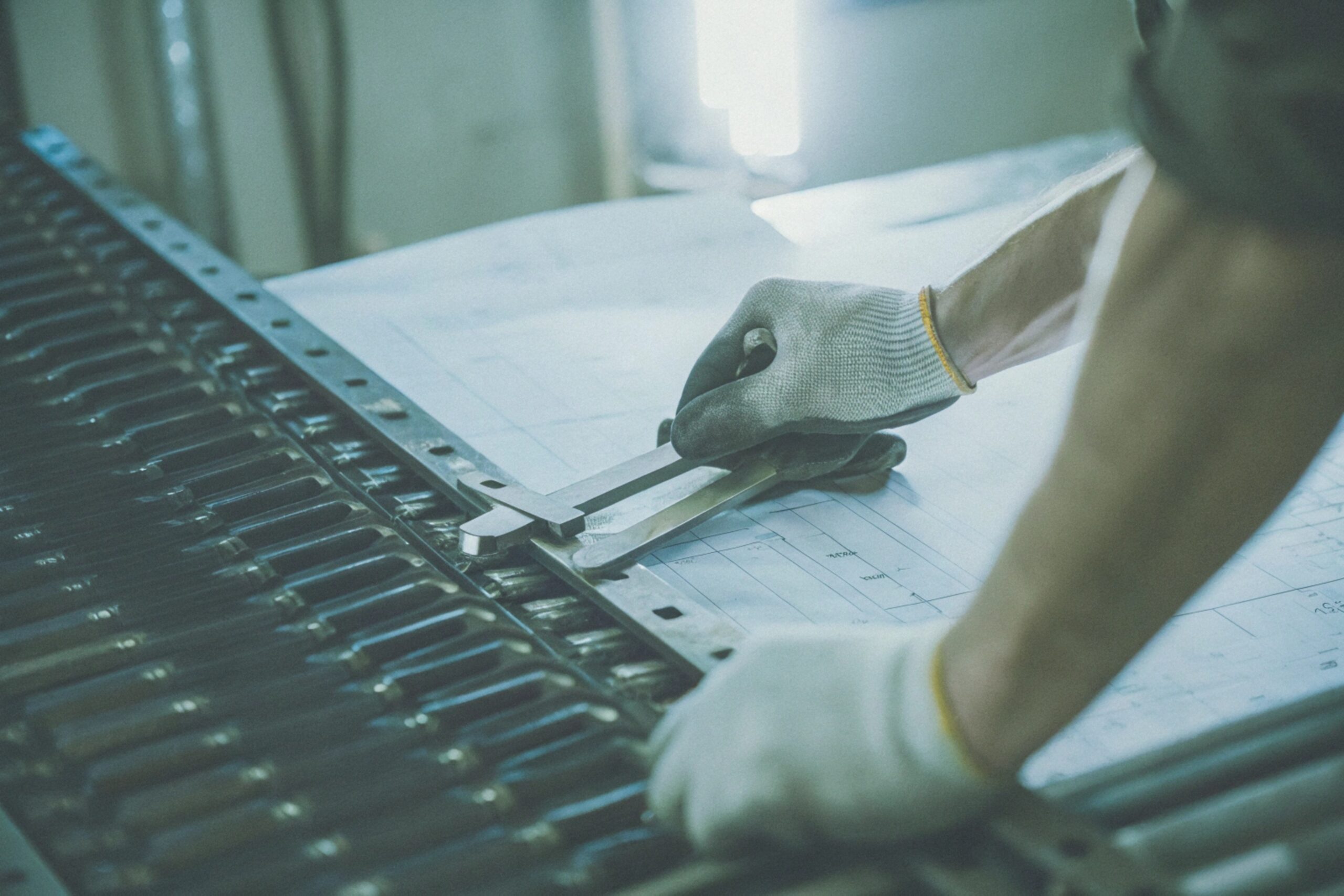
Identifying the right sampling process for excavator undercarriage parts 1 ensures quality and compliance. Costs and lead times vary by supplier 2 but aligning expectations is crucial.
To initiate sampling, communicate specifications like materials, dimensions, hardness, and finishes. Inspect samples through dimensional checks and hardness tests to verify compliance with engineering standards. Also confirm lead times and cost estimates based on supplier practices.
Excavator parts sampling involves detail-oriented procedures. Careful planning ensures parts meet requirements 3 and prevents surprises. Read on to explore various facets of the sampling process.
How many prototypes do I need to validate my fit?
Starting a sampling journey without knowing the required prototypes is like sailing with no compass. Knowing when enough is enough ensures efficient testing and timely decision-making.
To validate fit, produce at least three prototype samples 4. This allows for comprehensive testing across dimensions, strength, and fitment standards. Ensuring multiple samples help account for variability and improve reliability in bulk production.
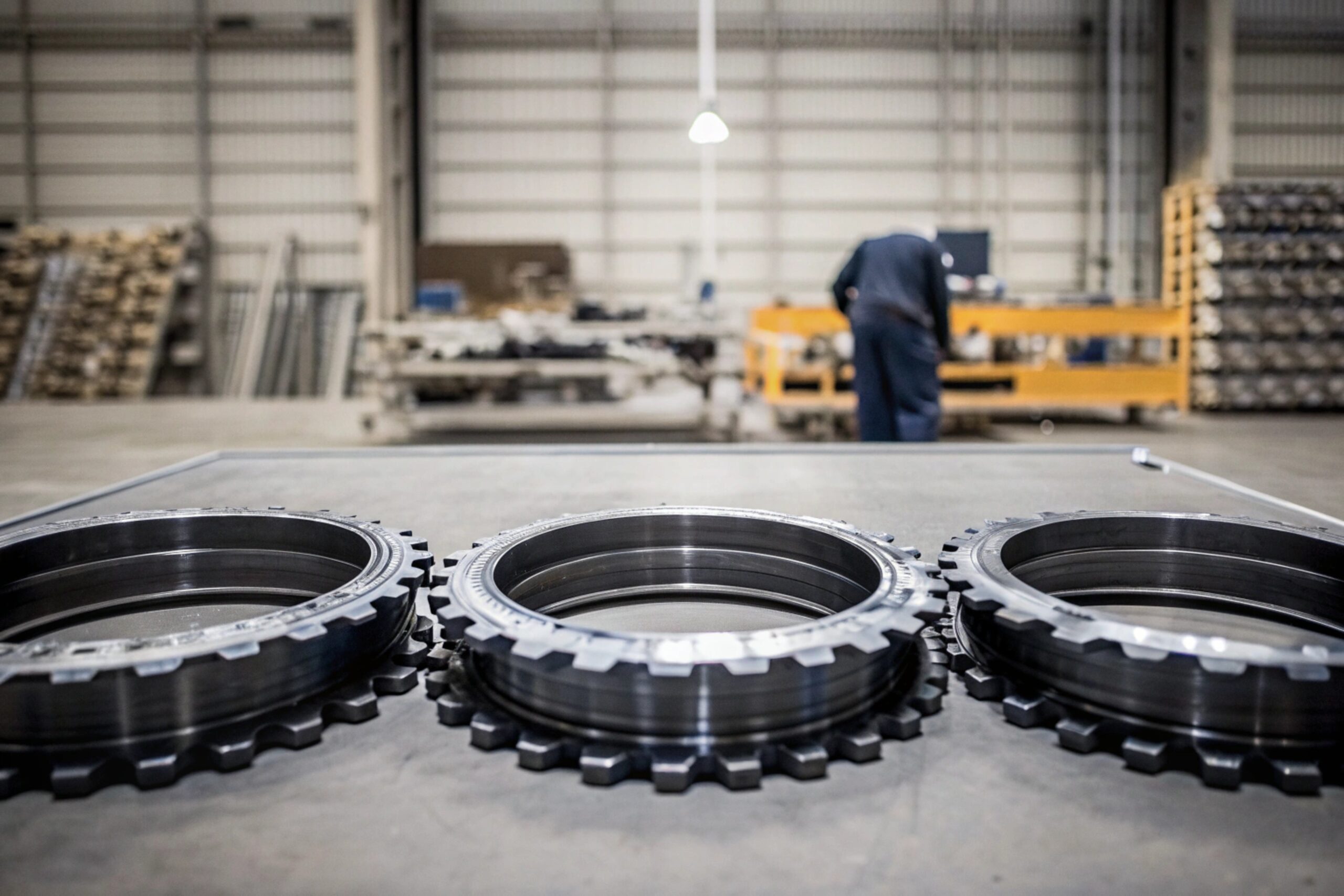
Prototyping is not just making a bunch of parts and hoping they fit. It’s a deliberate process involving design validation and material assessment.
Critical Factors
Understanding the purpose behind prototyping helps in achieving the desired results:
- Dimensional Testing: Prototypes should be measured for accurate dimensions using calibrated equipment.
- Strength and Durability: Testing for robustness under operational conditions ensures longevity.
- Material Compatibility: Validate the compatibility of material with machine specifications.
- Customer Feedback: Collect opinions on prototypes’ performance to refine the final product.
Prototyping Process
| Step | Description |
|---|---|
| Design Validation | Assessing design for compatibility and performance |
| Material Testing | Checking material properties under usage conditions |
| Fitment Assessment | Ensuring parts fit seamlessly within assemblies |
| Feedback Cycle | Refining prototypes based on real-world outcomes |
Each prototype test simplifies further planning and decision-making. This ensures effective bulk production later.
Will my supplier refund sample fees on bulk orders?
Discovering if sample fees are refundable can illuminate strategic purchasing decisions. Sorting out financial arrangements early is crucial.
Yes, suppliers may refund sample fees 5 against bulk orders, given certain conditions. Typically, these rebates apply when bulk purchasing reaches predefined thresholds. Verify such terms beforehand to align your purchasing strategy.

Negotiating sample fees often impacts cost-effectiveness, especially in larger transactions. Finding the right balance ensures optimal outcomes.
Supplier Policies
Refund practices vary widely among suppliers. Here’s what to check:
- Thresholds for Refund: Determine minimum purchase requirements for refunds.
- Terms and Conditions: Understand conditions under which the refund applies.
- Communication Clarity: Ensure all parties are clear about refund processes.
- Pre-Agreement Documentation: Document agreements for refund in purchase contracts.
Sample Fee Refund Table
| Supplier | Minimum Purchase | Refund Policy | Terms |
|---|---|---|---|
| Supplier A | $10,000 | Full Refund | Minimum 100 units |
| Supplier B | $15,000 | Partial Refund | Conditional |
| Supplier C | $20,000 | Full Refund | Unconditional |
Clarifying refund terms facilitates precision in budget planning and vendor communication.
How long does tooling take for custom components?
Tooling for custom components can seem daunting without clear timelines. Knowing cycle times enables accurate project planning.
Tooling typically takes 3–6 weeks 6 for custom components, contingent upon complexity and supplier capabilities. Detailed early communication about requirements minimizes delays in setting up specialized tools.
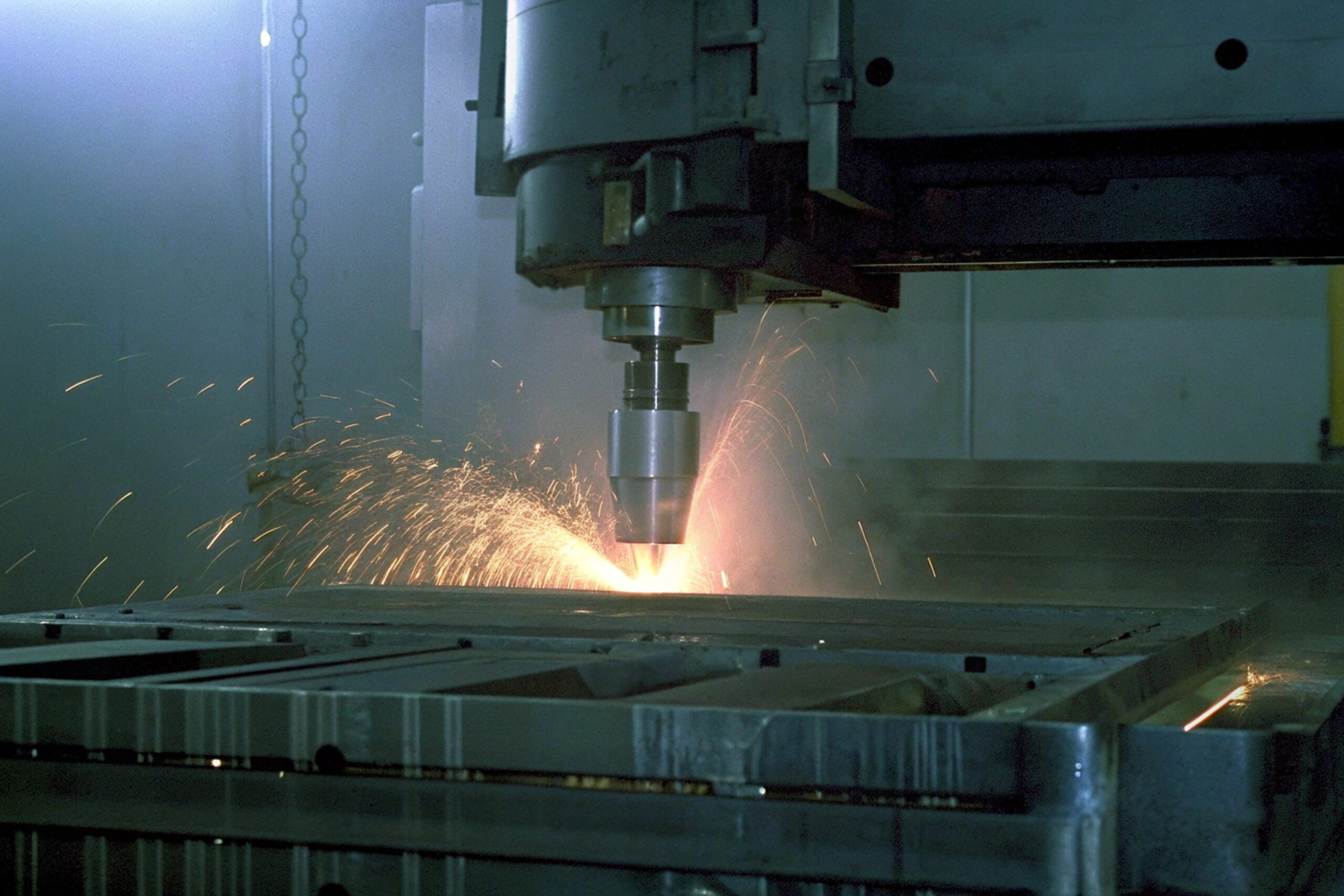
Efficient tooling setup reduces lead times without sacrificing quality. Understand crucial steps involved to streamline processes.
Tooling Considerations
Several factors impact tooling timelines:
- Complexity of Design: Elaborate or intricate designs lengthen setup times.
- Material Selection: Certain materials need specialized tooling, affecting timelines.
- Supplier Expertise: Experienced suppliers expedite setup through established procedures.
- Early Requirement Specification: Preliminary detailing of requirements minimizes iteration delays.
Tooling Time Estimation
| Component Type | Complexity Level | Time Required |
|---|---|---|
| Simple Parts | Low | 2–3 weeks |
| Moderate Design | Medium | 3–5 weeks |
| Complex Assembly | High | 6 weeks+ |
Precise tooling revolves around defining needs early. Smoother operations enforce timely launches.
Can I request expedited samples for urgent projects?
Urgency drives expedited sample requests, necessitating swift action without sacrificing precision and quality. Suppliers have options tailored for quick turnarounds.
Yes, requesting expedited samples 7 is possible, especially for urgent projects. Suppliers often offer premium services to fast-track production, albeit for additional fees. Quick actions and clarity on exigences assist suppliers in meeting these tight schedules.
Expedited services pave paths for rapid project advancements. These services balance immediacy with quality.
Expediting Options
- Premium Fees: Such services typically require express fees—budget accordingly.
- Supplier Capacity: Check inventory levels to access ready-stocked items.
- Detailed Requests: Providing precise requirements reduces miscommunication.
- Pre-Arranged Timelines: Set clear expectations for delivery dates with suppliers.
Speedy Service Table
| Supplier | Expediting Fee | Delivery Time | Conditions |
|---|---|---|---|
| Express Line | $500 | 5–7 days | Priority Service |
| Fast Track Co. | $750 | 3-5 days | Inventory Dependent |
| Quick Solutions | $1000 | 2-3 days | Custom Processes |
Urgent requests highlight the significance of astute timing and precise demands. Expedited samples effectively sustain project schedules during time-critical instances.
Conclusion
Understanding the sampling intricacies ensures strategic decision-making when acquiring quality excavator components. Aligning planning with objectives fosters seamless implementation.
Footnotes
1. Steps and benefits of sampling processes. ↩︎
2. Factors influencing costs and lead times. ↩︎
3. Importance of compliance in part sampling. ↩︎
4. Determining the number of prototypes needed for fit validation. ↩︎
5. Conditions under which sample fees may be refundable. ↩︎
6. Understanding tooling timelines for custom components. ↩︎
7. Exploring options for requesting expedited samples. ↩︎