
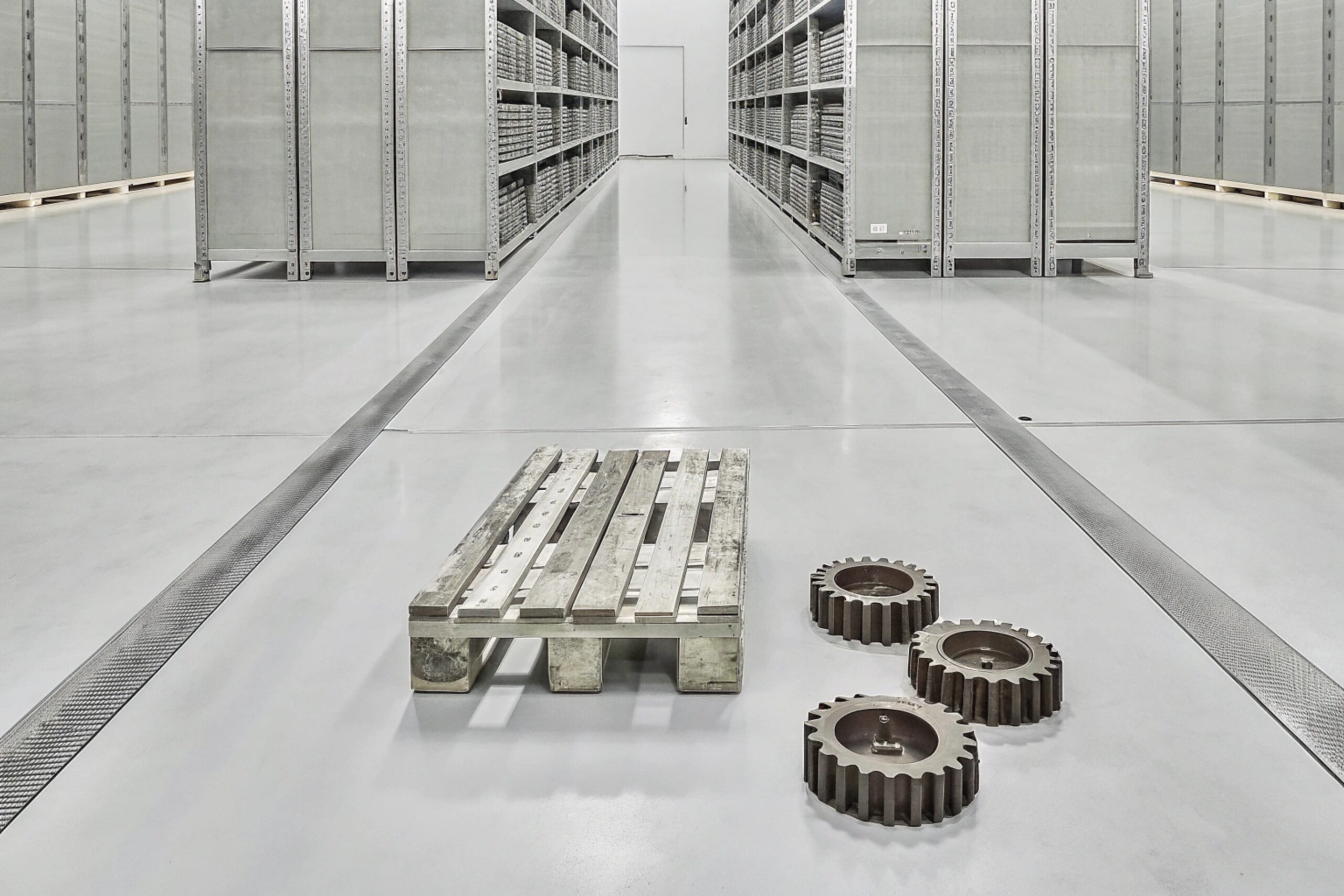
As I ventured into procuring excavator undercarriage parts, I quickly realized the complexities set by suppliers around minimum order quantities 1. Navigating this took time to balance MOQ requirements with operational needs.
Understanding MOQ for excavator undercarriage parts can greatly influence procurement efficiency. Typically, MOQ ranges from 1 to 50 pieces per item, depending on part type and supplier 2. Larger or less common components may have higher MOQs. This variation reflects each supplier’s manufacturing constraints and inventory management strategies.
MOQ Table:
| Part Type | Common MOQ Range | Notes |
|---|---|---|
| Rollers/Links | 1-2 pieces | Suitable for initial trials or small orders. |
| Sprockets | 5-10 pieces | Often reflects high demand and manufacturing cost. |
| Heavy Components | 50+ pieces | Larger assemblies may require higher MOQs. |
The flexibility to mix different models within one container is a prevalent industry standard 3. This approach enables buyers to consolidate orders, thus minimizing shipping costs while simultaneously diversifying their stock. It requires each line item to meet its specific MOQ, yet facilitates varied part types in a single shipment, particularly beneficial for overseas distributors.
Continuing the quest for efficiency in excavator part procurement, understanding these structures assists in optimizing supply chain logistics and inventory management.
How do mixed SKUs affect my unit pricing?
In my pursuit of an efficient supply chain, I found that mixing different SKUs 4 in a single shipment could yield both cost benefits and logistical challenges, particularly in terms of pricing strategy 5.
Typically, mixing SKUs can impact unit pricing in several ways. When various models share a container, prices per unit may be adjusted based on quantity discounts, variable cost-sharing, or bulk-order benefits. Suppliers may offer competitive rates for larger order volumes, creating leverage for negotiation and potentially lowering the calculated cost per component.

Pricing Factors Table:
| Factor | Influence on Pricing | Example |
|---|---|---|
| Volume Discounts | Lower unit price | More pieces in bulk reduce cost/unit |
| Cost Allocation | Variable pricing | Shared fixed costs affect fewer units |
| Negotiation Terms | Competitive rates | Larger orders improve bargaining power |
Careful consideration is crucial to balancing these pricing factors for optimal purchase decisions. Analyzing the cost-benefit ratio 6 and understanding variable pricing structures can help tailor procurement strategies effectively.
Can I consolidate different brands’ parts in one shipment?
Deciding to consolidate different brands within a single shipment prompted several questions about efficiency and supplier policies 7. Could this approach truly enhance my purchasing strategy?
Indeed, consolidating parts from various brands in one shipment is commonly supported by suppliers and can streamline logistics. This strategic choice allows for efficient inventory management and cost savings, as it reduces the need for multiple shipments and optimizes transportation expenses. However, consolidation might necessitate meeting brand-specific packaging and MOQ requirements 8, which could affect total shipment efficiency.

Consolidation Strategy Table:
| Strategy | Benefits | Challenges |
|---|---|---|
| Unified Packaging | Reduces handling costs | Requires compliance with packaging standards |
| MOQ Compliance | Facilitates diverse loads | Must meet specific MOQ per brand |
| Inventory Streamline | Optimizes stock management | Complexity in handling different brands |
Embracing this practice can offer significant logistical advantages and cost reductions, especially for distributors seeking variety without hefty overheads. Suppliers often accommodate this need, provided the necessary conditions are met.
What carton and pallet rules apply to mixed loads?
In assessing mixed loads, understanding the specifics of carton and pallet regulations 9 was pivotal for maintaining shipping integrity.
When handling mixed loads, adhering to specified carton and pallet rules ensures effective product transport. Suppliers typically define these regulations based on part type, volume, and destination. Proper compliance minimizes shipping damage risks and sustains product quality integrity during transit. Moreover, suppliers may stipulate standardized packaging methods, pallet stacking limitations, and labeling prerequisites.

Key Regulations
- Standardized Packaging: Part-specific packaging ensures protection and compliance.
- Stacking & Labeling: Proper layering avoids damage; accurate labeling aids identification.
- Space Optimization: Strategic use of carton and pallet space for efficient load management.
Understanding these requirements allows for streamlined operations, ensuring safe and efficient transportation while eliminating avoidable disruptions.
Do MOQs change in peak season for my parts?
Exploring how peak seasons could affect MOQ was essential for predicting supply chain behaviors and adjusting procurement strategies 10.
MOQs can fluctuate during peak seasons due to increased demand, affecting supplier production schedules and inventory availability. Typically, during these times, suppliers adjust MOQs to manage production constraints effectively and optimize resource distribution. While some might increase MOQ requirements, others might reduce them to encourage bulk purchasing, thus maximizing production throughput and revenue during high-demand intervals.

Seasonal Variations
- Demand Surge: Greater demand might lead to increased MOQ to manage stock.
- Bulk Encouragement: Reduced MOQ might aim to boost order sizes strategically.
- Production Optimization: Balancing supply resources can affect MOQ settings.
Recognizing these fluctuations helps in timely procurement planning, ensuring sufficient stock levels while accommodating seasonal demands efficiently.
Conclusion
Understanding supplier requirements, such as MOQ and shipping combinations, enhances procurement strategies for excavator undercarriage parts. Embracing industry standards can facilitate effective order management and streamline logistics.
Footnotes
1. How MOQ affects procurement efficiency. ↩︎
2. Explore variation in part types from suppliers. ↩︎
3. Benefits of mixing models in one container. ↩︎
4. Definition and role of SKUs in supply chain. ↩︎
5. Strategic pricing for mixed SKU shipments. ↩︎
6. Analyzing cost-benefit for procurement. ↩︎
7. Supplier policies in brand consolidation. ↩︎
8. Packaging and MOQ requirements by brand. ↩︎
9. Importance of properly following carton and pallet rules. ↩︎
10. Peak season effects on MOQ adjustments. ↩︎