

Finding the right supplier for excavator undercarriage parts 1 can be challenging. I learned it’s easy to fall prey to fake factories and trading companies. Their scams are often sophisticated and elusive, and mistakes can be costly.
Distinguishing between genuine factories and trading companies involves thoroughly verifying business licenses, physical operations, and products. This includes ensuring they hold proper manufacturing certifications and can furnish genuine certificates and credentials when asked.
What signs reveal a broker posing as a factory?
Brokers often disguise themselves as real manufacturers, fooling even the most astute buyers. I’ve faced this tricky scenario several times, and it’s always frustrating.
Key signs include lack of in-depth technical knowledge, the inability to verify production capabilities firsthand, and missing critical equipment necessary for manufacturing.
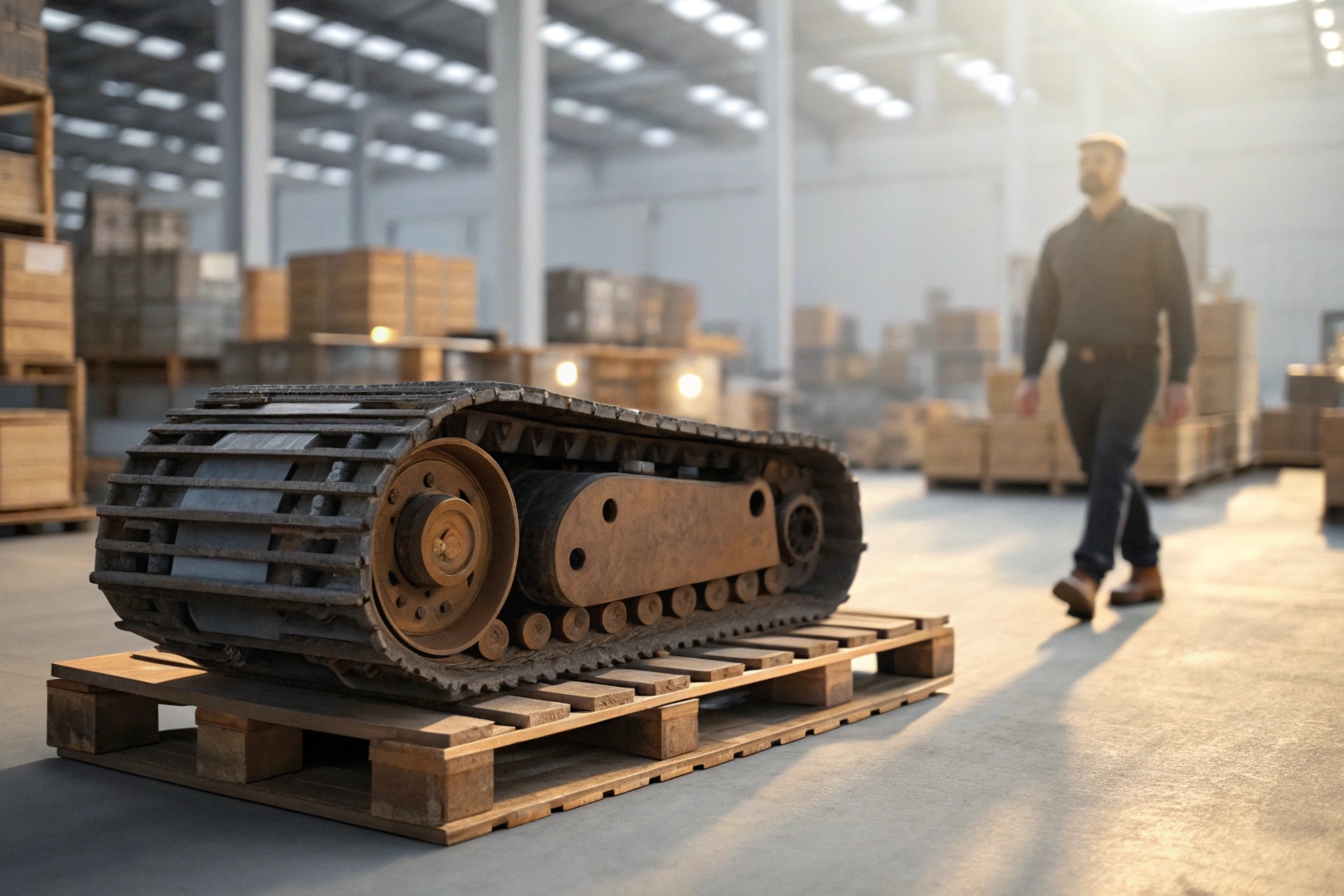
When dealing with suspicious suppliers, examining their product portfolio 2 can be revealing. Manufacturers usually focus on a specific line of products, tailored to their engineering capabilities. Trading companies may offer a hodgepodge of unrelated items, from excavator parts to consumer goods, indicating they broker rather than produce.
Technical Manufacturing Capacity
Genuine manufacturers possess in-house technical teams, offering detailed answers to specific questions regarding materials and treatments. Brokers, limited to surface knowledge, provide delayed or generic responses. The presence of specialized equipment on-site further distinguishes factories—a tour of the facilities can often testify to the authenticity of the operations.
Address and Facility Location
The physical location on the business license can hint at the company type. Manufacturing facilities are typically located in industrial zones, equipped with the necessary infrastructure for production. If a supposed factory operates from a commercial office building in a city center, it’s likely a broker.
Certification and Documentation
Real manufacturers proudly display certifications like ISO 9001 3 issued directly to them. If a supplier hesitates to provide transparent documentation or presents blurred certificates, a red flag is raised. Fraudulent companies may use stock photos, often traceable through image searches, to fake legitimacy.
Should I request business licenses and tax IDs?
Requesting business licenses and tax IDs is crucial in substantiating a supplier’s legitimacy. I make it a non-negotiable part of my vetting process when choosing suppliers.
These documents provide insights into the company’s operational scope and legal standing, revealing whether they are authorized to manufacture rather than just trade.

Conducting an in-depth review of these documents offers clarity on the supplier’s true nature. A manufacturer’s business license will specify activities like "Production" and "Manufacturing," differentiating them distinctly from trading companies, which focus on "Sales" and "Export."
Chinese Business License
The mandatory documents include the Chinese business license. This showcases the company’s registered activities. Using China’s National Enterprise Credit Information Publicity System 4 validates the registration number and business scope, directly matching records with publicly available data, thus eliminating discrepancies. The establishment date confirms the company’s operational history, which can help ascertain their stability and experience.
Verifying Establishment Address
The registered address needs to align with the business activities 5. Utilize online maps for cross-verification to ensure that the address leads to an actual manufacturing site 6 rather than a virtual office or logistics park. Such checks are crucial in avoiding middlemen who have no production capability.
Certification Authenticity
Using original business documents enables verification with respective authorities to confirm their authenticity. This includes ISO and other relevant certificates that must be traceable back to the issuer to ensure they are current and applicable.
Can I verify ownership of equipment via onsite video?
Yes, verifying equipment ownership via onsite video can be highly effective. I often insist on this as part of my due diligence 7, which has proven instrumental in separating true manufacturers from impostors.
Onsite videos provide concrete evidence of a supplier’s manufacturing capabilities, offering a transparent view of production lines and equipment.

The benefits of live video inspections stretch beyond mere confirmations. They allow a firsthand look at the manufacturing process, ensuring that what is promised matches reality. This approach minimizes risk by exposing companies without necessary machinery.
Live Video Tours
Organize immediate, unplanned video tours. Genuine factories should readily accommodate such requests, showcasing active production lines. Brokers and counterfeiters may refuse or offer pre-recorded videos, revealing their constraints. This type of spontaneous walkthrough helps verify the presence and operation of key machinery, such as forging and heat treatment 8 setups essential for part production.
Recorded Production Proof
Real-time video acts as undeniable evidence of ongoing operations. It’s also advantageous to request footage showing production in progress, clearly marked with timestamps and company logos to prevent doctored clips. This method ensures equipment is actively used, not just staged for appearances.
Partnering with Third-Party Verifiers
Engage independent auditing firms like SGS or Bureau Veritas 9 for comprehensive factory audits if onsite visits aren’t feasible. Such organizations verify factory claims independently, confirming machinery and production accuracy. It adds credibility to supplier claims, ensuring due diligence.
Are Alibaba badges reliable for vetting suppliers?
Alibaba badges 10 can offer initial insights into supplier credentials. However, relying solely on them is insufficient for thorough vetting. I’ve seen cases where these badges were misleading.
Though Alibaba vetting includes a series of checks, badges should be complemented with additional verification methods to ensure comprehensive supplier assessment.

Understanding the limitations of these badges is critical. While they signify a degree of vetted status, the criteria vary and may not be thorough enough for high-stakes industries like excavation parts.
Categories and Criteria
Alibaba badges categorize suppliers based on their engagement level and audit participation. Yet, the possibility of overlooked flaws remains. Suppliers with consistent positive transactions gain prominent badges; however, these can’t replace independent evaluations and audits.
Comprehensive Evaluation Strategy
Badges should function as entry-level indicators, prompting deeper investigations. Engage aspects like on-site video checks, third-party audits, and licensing verification to create an all-encompassing vetting strategy. This strategy ensures accurate supplier assessment, streamlining decision-making.
Integration into Due Diligence
Incorporate Alibaba badges as part of a wider due diligence process. Pair them with reviews of product portfolios, factory visits, technical discussions, and contract evaluations to capture a true supplier picture beyond digital badges.
Conclusion
Spotting fraudulent suppliers involves comprehensive vetting. Request licenses, verify certifications, and perform facility inspections to avoid fakes.
Footnotes
1. Guide to essential components of heavy machinery undercarriage systems. ↩︎
2. How analyzing product range indicates supplier specialization. ↩︎
3. International standard for quality management systems. ↩︎
4. Official database to verify Chinese enterprise registration details. ↩︎
5. Understanding legal operational boundaries for Chinese companies. ↩︎
6. Criteria for identifying legitimate industrial production facilities. ↩︎
7. Steps to verify supplier legitimacy and minimize risk. ↩︎
8. Technical overview of essential metal hardening processes. ↩︎
9. Leading providers of inspection and certification services. ↩︎
10. Explanation of Alibaba’s supplier verification tier system. ↩︎