
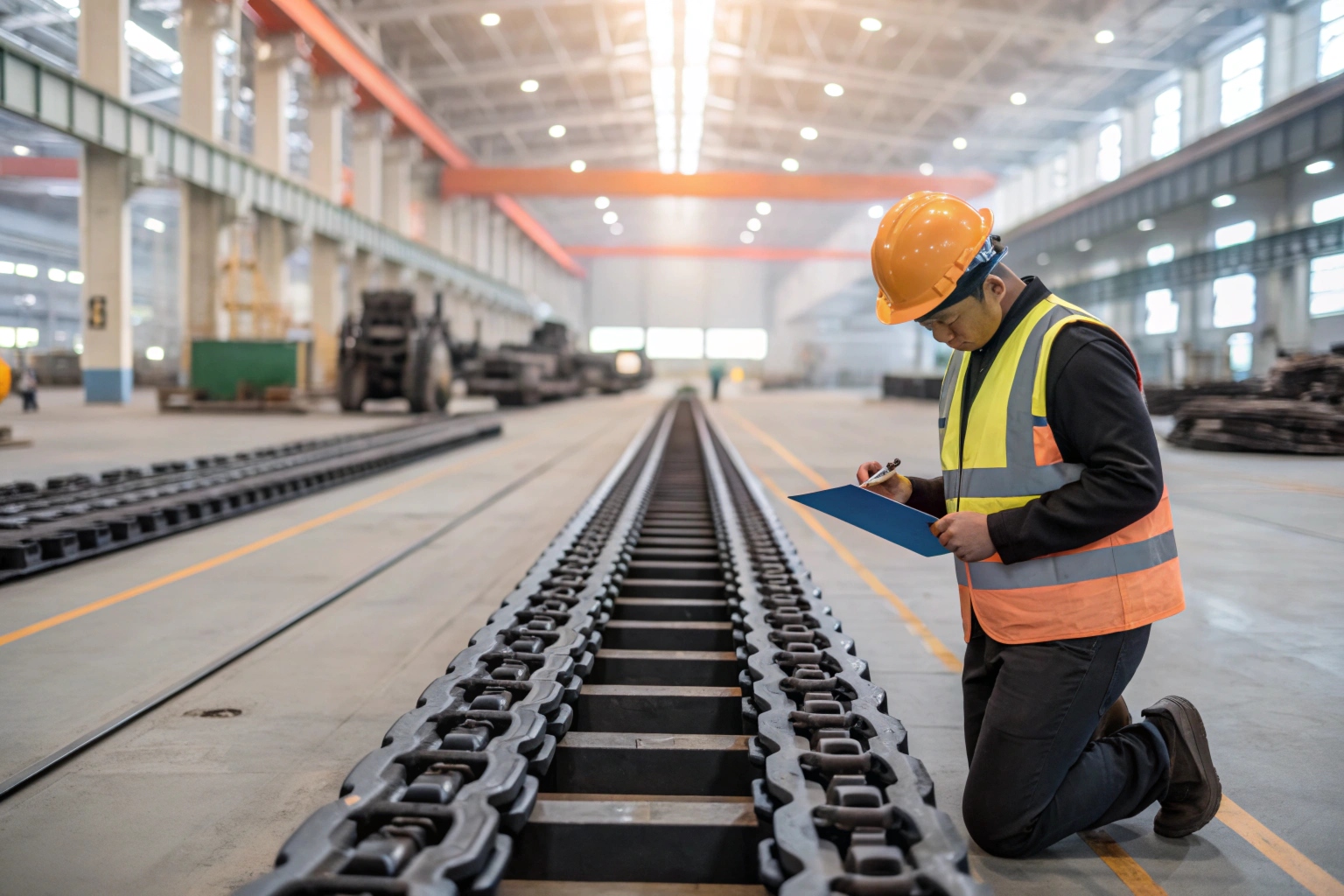
I understand the anxiety you feel when waiting for a container of heavy parts to arrive from overseas. You worry about receiving steel that does not match the sample we approved months ago.
Yes, SGS, Bureau Veritas (BV), and TÜV can all perform comprehensive pre-shipment inspections for your excavator undercarriage parts. These global agencies have local teams in China that verify dimensional accuracy, material hardness, and packaging compliance to ensure the products match your technical specifications before shipment.
Using a third-party inspector is not a sign of mistrust; it is a smart business move to secure your supply chain 1. It acts as your eyes and ears on my factory floor in Fujian. However, simply hiring them is not enough. You must guide them effectively. If you do not provide specific instructions, they might miss critical details. Below, I will share how to manage this process to get the best results.
What scope should I define for PSI coverage?
If you give a general inspector a vague list, they will give you a vague report that protects you from nothing.
You must define a specific scope that includes quantity verification, visual workmanship checks, dimensional measurements against drawings, and witness testing for hardness. You should also explicitly require them to check packing methods to prevent rust during the long ocean transit.
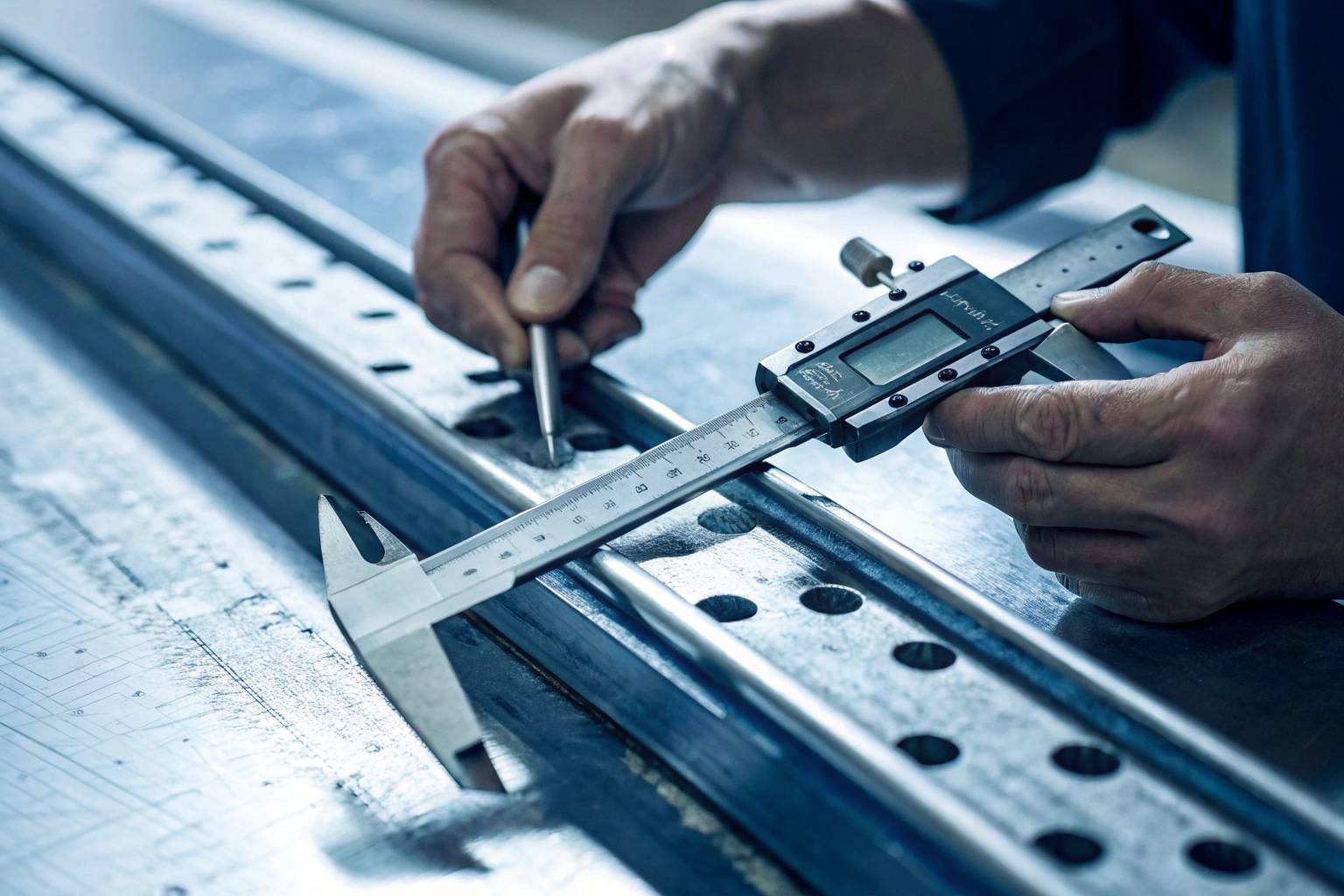
When we work with professional buyers like you, we see a clear difference between a successful inspection and a waste of money. The difference lies in the "Inspection Protocol" 2. You have to remember that inspectors from SGS or BV are often generalists. They might inspect plastic toys in the morning and our heavy track chains in the afternoon. They are not metallurgists. If you do not tell them exactly what to measure and what the tolerance is, they will not know if a part is good or bad.
To get a report that truly proves quality, you need to break your scope down into specific categories. You are paying for their time, so ensure they check the parameters that actually determine the life of the undercarriage part.
Critical Dimensions and Tolerances
First, you must focus on Dimensions. Do not just ask them to "measure the part." Give them the critical control points. For a track link 3, the most important measurement is the pitch—the distance between the pin centers. If this is off by even two millimeters, the chain will not mesh with the sprocket, and your customer will destroy their machine. For a track roller, they must check the flange diameter and the shaft length. You need to provide the technical drawing to the inspection agency so the inspector can compare the real steel against your paper standard.
Hardness and Material Properties
Second, you must demand Physical Properties Checks. You cannot see heat treatment 4 with the naked eye. A shiny roller might be soft inside. Your scope must require the inspector to witness a hardness test. At Dingtai, we have portable hardness testers on the shop floor. The inspector should use our tool (or bring their own) to verify that the track link rail surface hits that HRC 50-56 range. If they skip this step, you risk receiving soft steel that wears out in a few weeks.
Packaging and Rust Prevention
Third, do not ignore Finish and Packaging. Undercarriage parts are heavy and made of steel. If they are not painted correctly or if the pallets are weak, the goods will arrive rusty or scattered inside the container. I have seen shipments where the inspector checked the parts but ignored the pallets. The pallets broke at the port, and the parts were damaged. Your scope must include a check for "ISPM 15" 5 stamps on wooden pallets and a check for rust-preventative oil.
Recommended Inspection Scope Checklist
Here is a breakdown of the specific points I suggest you include in your booking form to ensure a thorough check:
| Inspection Category | Specific Action Item | Why This Matters |
|---|---|---|
| Quantity & Assortment | Count verify against PO and Packing List. | Ensures you get exactly what you ordered and paid for. |
| Visual Quality | Check for casting voids, cracks, or poor paint coverage. | Prevents aesthetic complaints from your end customers. |
| Dimensions | Measure key interface points (Pin holes, mounting bolts). | Guarantees the part fits the machine perfectly. |
| Hardness (Witness) | Randomly test 3-5 pieces per lot for HRC values. | Verifies the heat treatment quality and wear life. |
| Packaging | Check pallet strength and fumigation stamps (ISPM 15). | Prevents cargo damage and customs rejection at destination. |
By defining this scope clearly, you turn a generic inspector into a strict quality controller who works for you.
How much lead time do inspectors need?
Nothing disrupts a shipment schedule faster than a missed inspection booking when the vessel is closing.
Generally, these agencies require a booking at least 3 to 5 working days before the planned inspection date. However, during peak seasons like the weeks before Chinese New Year, you should book at least 7 to 10 days in advance to secure a slot.
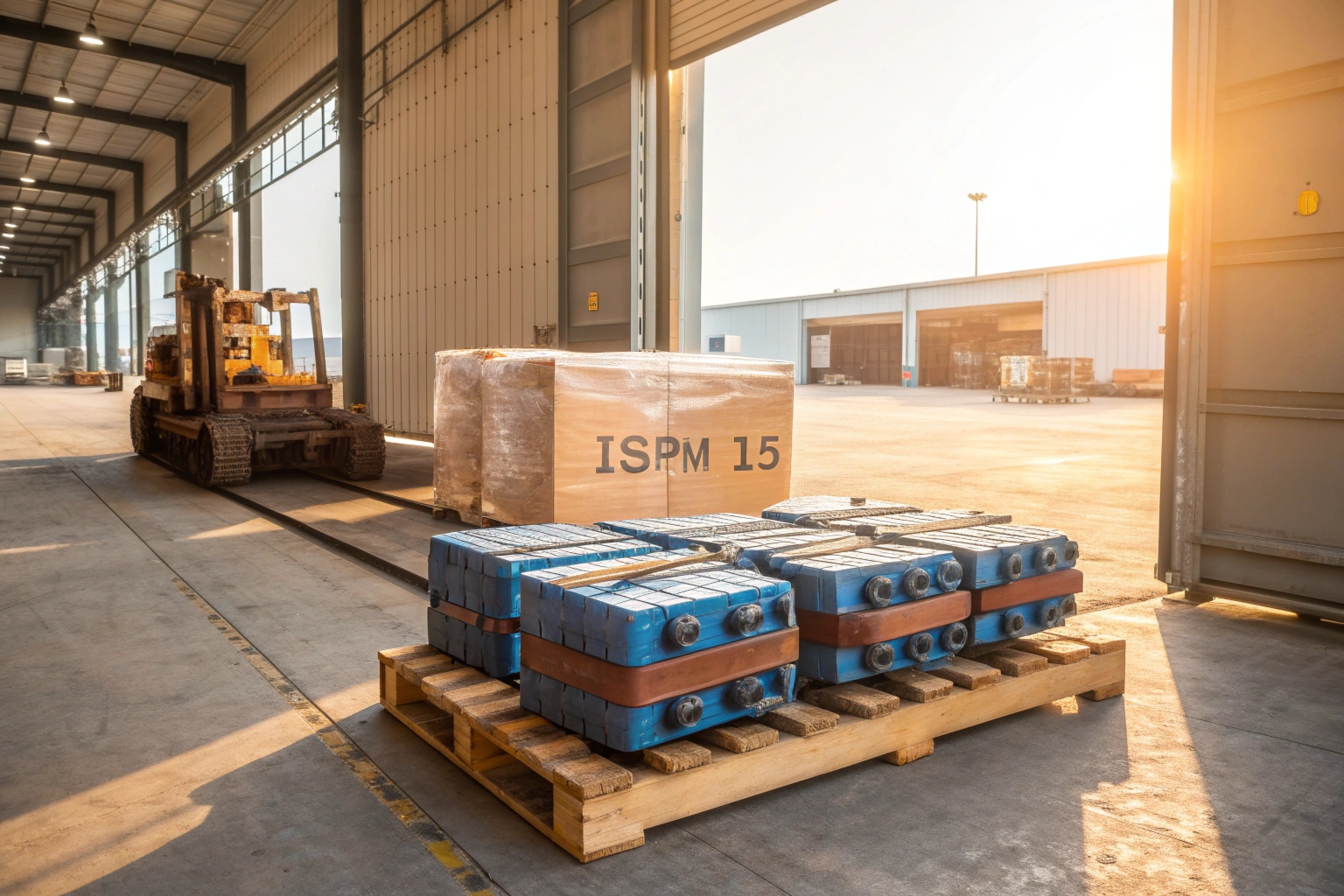
Timing is everything in our business. I often see new buyers struggle to coordinate the inspection date with the production finish date. If you book too early, our factory might not have enough finished goods ready to meet the inspector’s sampling requirements. If you book too late, your container misses the vessel cut-off 6, and you have to wait another week or two for the next sailing. This delay can cost you sales if your inventory is low.
The "80% Finished" Rule
A common question I get from clients is: "Grace, when exactly should I tell them to come?" The industry standard rule is the 80% finished rule. You can book the inspection when 80% of the order is fully packed and ready, and the remaining 20% is finished production and waiting for final packing.
If the inspector arrives at our factory and we only have 50% of the goods ready, they will mark the inspection as "Aborted" or "Incomplete." You will still have to pay for their trip, and you will have to pay again for them to come back a few days later. This is a waste of money we want to avoid. At Dingtai, my team monitors production daily. We will notify you exactly when we are approaching that 80% mark so you can book the slot with confidence.
Understanding the Inspector’s Schedule
Agencies like SGS and TÜV operate with a massive pool of field staff, but they are constantly moving. In industrial hubs like Quanzhou or Xiamen (where we are located), they are very busy. When you submit a booking, they need time to review your requirements, find an inspector with the right mechanical background (not a textile inspector), and schedule their travel. This process is not instant.
A Typical Timeline for Inspection
To keep your supply chain smooth, look at this timeline. It assumes a standard shipment process from our factory in China to your port.
| Step | Action | Timing |
|---|---|---|
| 1 | Production Update | 10 days before shipment date. |
| 2 | Book Inspection | 5-7 days before shipment date. |
| 3 | Confirm Date | 3 days before inspection. |
| 4 | Inspection Day | 1 day. |
| 5 | Report Issue | 24 hours after inspection. |
| 6 | Release Goods | Immediate upon report approval. |
Pro Tip: Always share your booking reference number with me. This allows my team to call the local branch of the agency directly to coordinate the exact time and location. It removes the "middleman" delay and ensures the inspector knows exactly who to contact when they arrive at our factory gate.
Can I get video and photo records from PSI?
Reading a text report is one thing, but seeing the product with your own eyes is the only way to truly relax.
Yes, standard digital reports always include photos of the goods, packaging, and defects. You can also request video recordings of specific functional tests, like the spinning of a top roller or a magnetic particle inspection, but you must ask for this upfront.
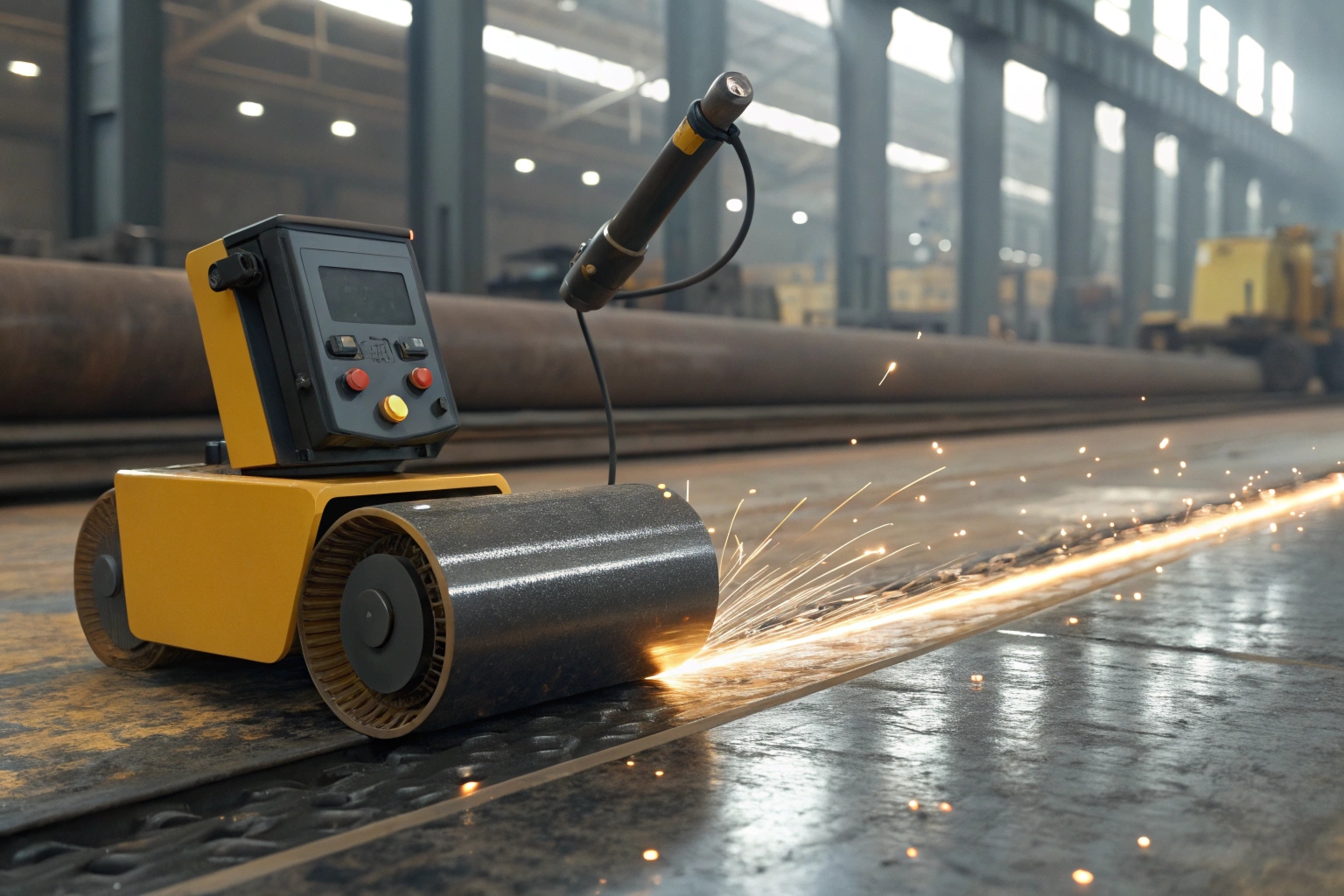
In the past, inspection reports were just paper documents with a few blurry printed photos. Today, digital reporting is the standard. However, the quality and content of those photos depend entirely on your instructions. If you do not specify what you want to see, you will get ten photos of cardboard boxes and one photo of a pile of parts. That does not help you assess quality or reassure your own customers.
The Power of Visual Evidence
For undercarriage parts, visual evidence is your best defense against quality issues 7. You are buying heavy metal parts that must endure extreme conditions. A photo can reveal casting roughness, poor paint jobs, or even rusty surfaces that a written description might downplay as "minor."
I always advise my clients to create a "Photo List" as part of their inspection order. This acts like a shot list for a photographer. It tells the inspector exactly what angles and details you need to see. For example, ask for a macro photo of the brand stamp. This confirms that we applied your logo correctly and clearly. Ask for a photo of the caliper measurement reading while it is on the part, so you can read the numbers yourself.
Video is the New Standard
Photos are static. They cannot show you how a part moves. For items like Track Rollers 8 or Idlers, smooth rotation is critical. A photo cannot tell you if a roller is seized internally.
You can request a short 10-second video of the inspector spinning the roller by hand to ensure it moves freely and without noise. You can also ask for a video of the Hardness Test. Seeing the inspector apply the tester and seeing the number pop up on the screen in real-time gives you much more confidence than just reading "52 HRC" in a spreadsheet column.
Essential Visuals to Request
Here is a list of specific visual records you should demand for undercarriage parts to ensure you get the full picture:
Why "Blind Spots" Happen
Sometimes inspectors skip difficult angles. For example, they might not photograph the bottom of the pallet. But that is where moisture enters. You should specifically ask for a photo of the container floor before loading to ensure it is dry and clean. By demanding these specific visuals, you effectively "visit" the factory without buying a plane ticket. It keeps us (the manufacturer) sharp and gives you total peace of mind that the goods leaving our dock are exactly what you expect.
Do I need factory witness tests for critical parts?
Sometimes, a final visual check is too late. You need to know if the core of the metal is strong enough to handle a 30-ton excavator working in a rock quarry.
For critical wear components like track links and drive sprockets, I highly recommend requesting a "witness test." This means the inspector watches my technicians perform destructive or deep-level testing, such as cutting a part to measure the depth of the heat treatment.

There is a big difference between a "Final Random Inspection" (PSI) and a "Witness Test." A PSI happens when the goods are in boxes. The inspector can only look at the outside. But the quality of an undercarriage part comes from the inside—specifically, the heat treatment depth and the steel composition. If the heat treatment is shallow, the part looks perfect on the outside but fails on the job site.
Why Surface Hardness is Not Enough
An inspector can use a portable tester to check the surface hardness. That is easy and non-destructive. But what if the hardness only goes 1 millimeter deep? As soon as your customer uses that bulldozer for a week, that thin hard layer will wear off, revealing soft steel underneath. The part will wear out rapidly, and your customer will ask for a refund.
To prevent this, we perform Sectioning in our lab. We cut a sample part in half, polish the cross-section, and use chemicals to reveal the hardened layer. We then measure exactly how deep the hardening goes (e.g., 5mm to 8mm). A standard PSI inspector will not do this unless you pay for a "Witness Test."
Implementing the Witness Test
You do not need to do this for every shipment. That would be too expensive and would destroy too much product. But for your first order with us, or for a large annual order, it is a smart investment.
You instruct the third-party agency that their job is not just to count boxes, but to go to the Dingtai laboratory area. There, they will stand and watch my technicians cut the sample. They will look at the computer screen of the spectrometer 9 to verify the chemical elements (Carbon, Manganese, Boron) match the 40MnB or 35MnB steel standard we promised in the contract.
The Cost-Benefit Analysis
Is it worth the extra cost? Let’s look at the risk. If a track chain breaks in the field because of poor internal structure, the cost is massive. You have to replace the part, pay for the mechanic’s labor, and perhaps pay for the downtime of the machine rental. That could cost thousands of dollars.
A witness test might add a few hundred dollars to your inspection bill and requires sacrificing one sample part (since we cut it). But it buys you certainty. It confirms that the manufacturing process itself is sound.
| Feature | Standard PSI | Witness Test |
|---|---|---|
| Focus | Surface & Quantity | Internal Structure & Performance |
| Method | Visual & Dimensional | Destructive & Chemical |
| Sample Status | Finished Goods | Production Sample |
| Cost | Low | Medium |
| Certainty Level | Good | Excellent |
If you trust us, we provide our own internal Metallurgical Reports 10 with every batch. But if you need that extra layer of validation for a new large client of yours, using SGS or TUV to witness this test is the ultimate proof of quality.
Conclusion
Yes, you can and should use agencies like SGS, BV, or TÜV to inspect your undercarriage parts. It is the best way to secure your investment and sleep well at night. At Dingtai, we welcome these inspections because we are confident in our quality. If you want to set this up for your next order, let me know, and I can help you draft the inspection scope.
Footnotes
1. Overview of supply chain management strategies and logistics flow. ↩︎
2. Key elements of effective inspection documentation and reporting. ↩︎
3. Anatomy and function of heavy machinery track systems. ↩︎
4. Processes for altering metal physical properties for durability. ↩︎
5. International standards for wood packaging materials in trade. ↩︎
6. Logistics definitions regarding cargo loading deadlines and scheduling. ↩︎
7. Strategies for managing and reducing manufacturing defects. ↩︎
8. Function and importance of rollers in undercarriage systems. ↩︎
9. Technology used for precise chemical analysis of metals. ↩︎
10. Importance of material testing documentation for compliance. ↩︎