

Excavator undercarriage parts 1 manufacturing can impact the environment significantly without proper waste management. With more clients focused on sustainability and ESG compliance 2, it’s crucial to ensure responsible waste handling. Compliance can be complex, requiring detailed procedures and monitoring for wastewater, waste oil, and solid waste.
To meet ESG requirements, your excavator undercarriage parts supplier should have a formal, documented program for managing these waste streams. They need to align with common ESG standards and local regulations. This involves treating wastewater, recycling scrap, and handling hazardous waste responsibly. They should also embrace energy-saving measures throughout their processes.
Ensuring compliance involves multiple facets, such as proper permits, regular monitoring, and effective recycling practices. The article explores these requirements and highlights the significant steps you should expect from your supplier.
Ensuring a supplier’s ESG compliance involves understanding the permits and metrics they hold. Clients increasingly demand suppliers to share these to verify their alignment with environmental standards.
The supplier should provide detailed information on wastewater discharge permits 3, waste oil management contracts, and solid waste recycling efforts. They need documented procedures and metrics to show compliance with discharge limits, recycling initiatives, and hazardous waste handling.

A responsible supplier manages wastewater through on-site treatment systems to reduce pollution. They need monitoring reports proving consistent influent and effluent quality 4. Waste oil should be collected in labeled containers with spill prevention plans. Moreover, suppliers should have solid waste segregation and recycling procedures in place with certifications or audits.
Key Permits and Metrics for ESG
| Permit Type | Necessary Documentation |
|---|---|
| Wastewater Discharge | Permits, treatment diagrams, influent/effluent quality reports |
| Waste Oil Management | Contracts with recyclers, storage plans, spill prevention documents |
| Solid Waste Recycling | Recycling streams, certifications (ISO 14001 5), landfill diversion reports |
Regular audits and transparent reporting are crucial. These documents assure clients that waste is managed responsibly, aligning with ESG goals.
Do they recycle scrap and cutting fluids?
Recycling practices directly affect a supplier’s ESG compliance, particularly concerning scrap and cutting fluids. Clients want assurances about these environmental initiatives.
Yes, forward-thinking suppliers recycle scrap metals 6 and cutting fluids as part of their waste management strategy. They segregate and sell metal scraps to certified recyclers and process cutting fluids 7 to prevent environmental pollution.
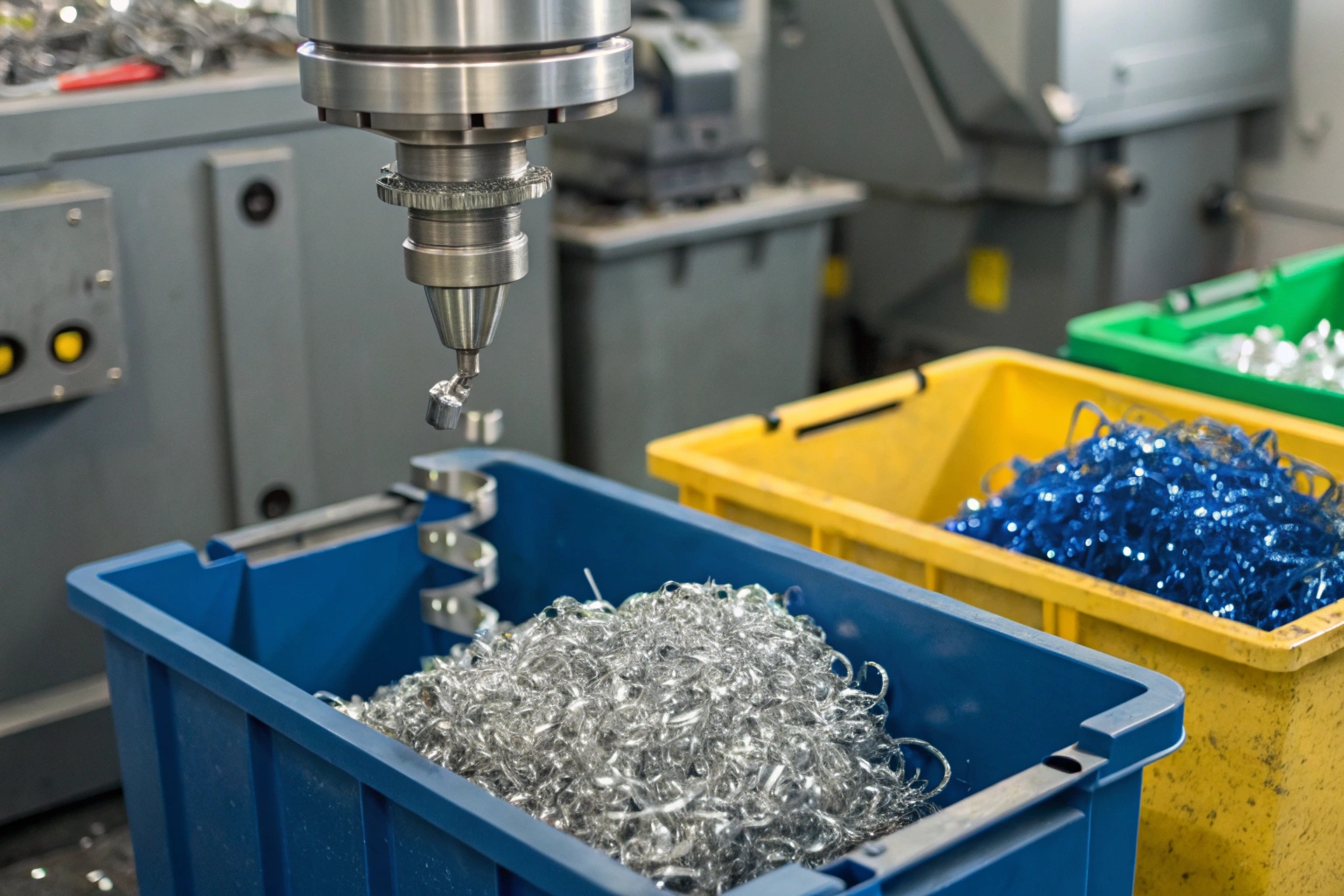
Scrap metal recycling significantly reduces environmental impact by reusing materials instead of raw production. Cutting fluid management involves recycling or minimizing hazardous waste, aligning with environmental policies.
Detailed Recycling Insights
| Material Managed | Recycling Process |
|---|---|
| Metal Scrap | Segregated and sold to licensed recyclers, often achieving high recycling rates |
| Cutting Fluids | Recycled or disposed of safely, minimizing hazardous waste |
Ensuring your supplier practices effective recycling aligns with sustainability goals and promotes reduced resource consumption in manufacturing.
Can I see evidence of hazardous waste handling?
Clients must assess how suppliers handle hazardous waste, as improper management can lead to environmental damage and legal issues.
Reliable suppliers document every step in hazardous waste management—from generation to disposal. They provide clear records, including manifests and disposal certificates, and work with licensed handlers for waste transportation and disposal.
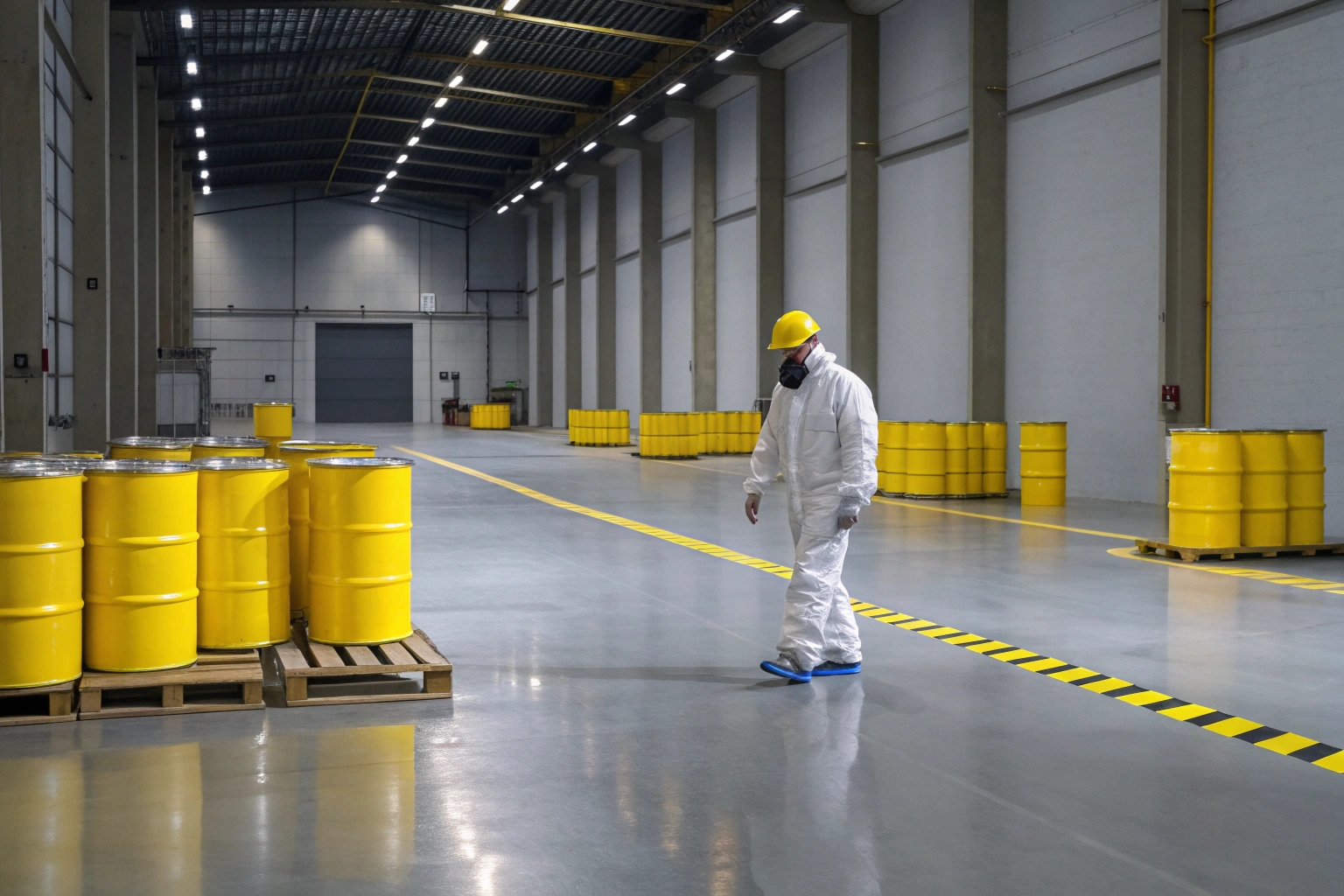
Correct handling involves meticulous tracking and compliance with hazardous waste regulations. Suppliers ensure proper labeling, storage, and disposal through licensed carriers, and they demonstrate compliance with guidelines to avoid penalties.
Hazardous Waste Handling Components
| Aspect | Evidence Provided |
|---|---|
| Storage and Tracking | Detailed hazardous waste manifests 8 and storage logs |
| Disposal Records | Certificates from licensed waste handlers and disposal facilities |
This documentation gives peace of mind about the supplier’s commitment to environmental safety and regulatory compliance.
Are energy-saving measures part of their process?
Energy efficiency is a crucial element of ESG compliance. Suppliers must adopt measures to reduce energy consumption and improve sustainability.
Yes, many suppliers integrate energy-saving measures into their manufacturing processes. These include optimizing equipment use, investing in energy-efficient technologies, and monitoring energy consumption to achieve sustainability targets.
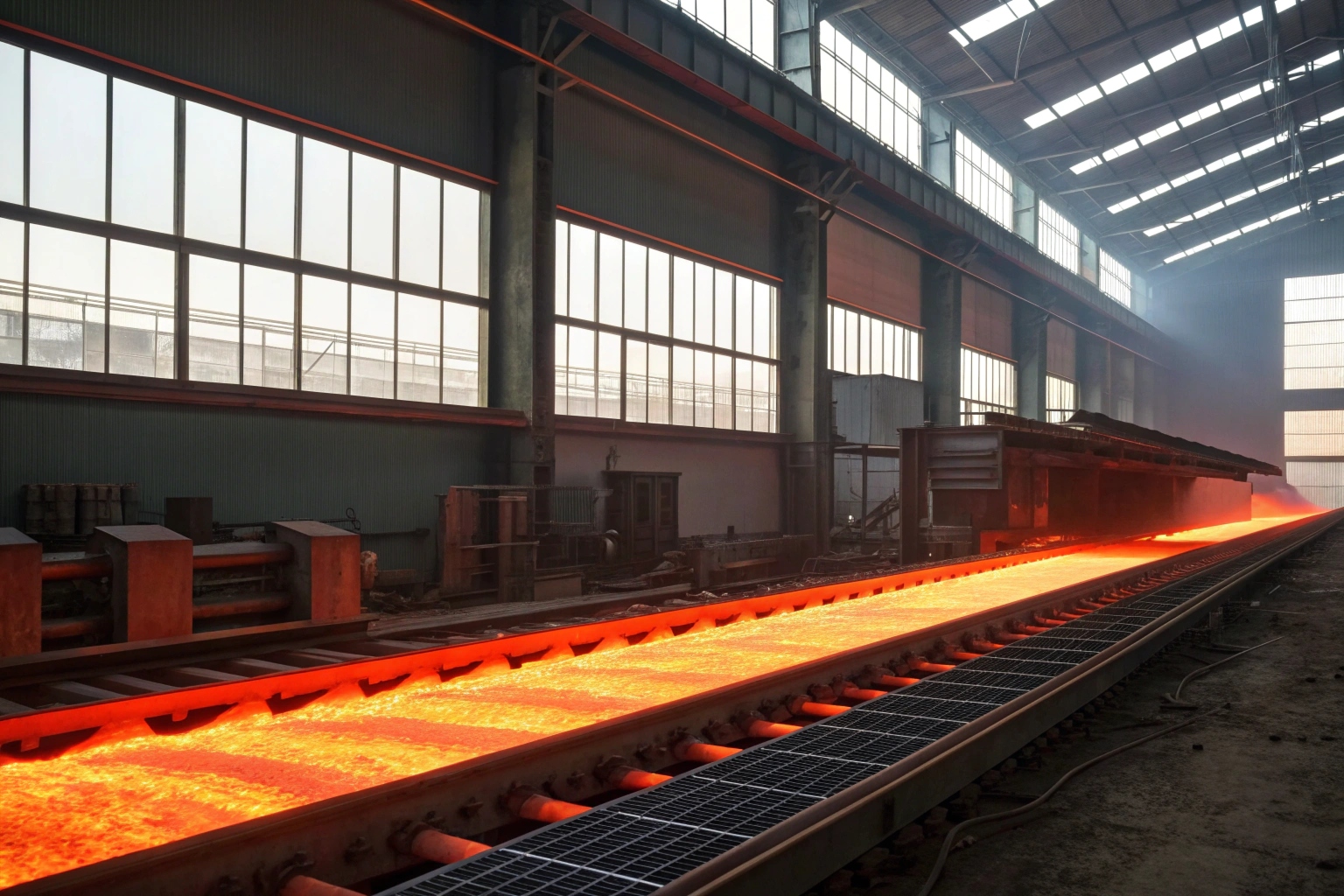
Energy-efficient operations not only reduce carbon footprint 9 but also lower costs, benefiting everyone along the supply chain. Engaging in renewable energy sources 10 and optimizing logistics are part of an integrated energy strategy ensuring ESG compliance.
Energy-Saving Initiatives
| Measure | Implementation Examples |
|---|---|
| Equipment Optimization | Using energy-efficient machinery |
| Renewable Energy Usage | Incorporating solar or wind energy systems |
| Logistics Optimization | Efficient transportation to lower carbon emissions |
These practices highlight a supplier’s dedication to sustainability, balancing economic and environmental objectives.
Conclusion
Compliance with ESG requirements involves thorough waste management, efficient recycling, and energy-saving measures. Sharing permits, metrics, and documented processes ensures responsible practices within the supply chain.
Footnotes
1. Understanding the components that support stability in heavy machinery. ↩︎
2. Framework for evaluating organizational sustainability and ethical practices. ↩︎
3. Regulatory program controlling water pollution by regulating point sources. ↩︎
4. Standards for measuring water quality before and after treatment. ↩︎
5. International standard for effective environmental management systems. ↩︎
6. Process of recovering and reusing waste metal materials. ↩︎
7. Management of coolants used in metalworking to prevent contamination. ↩︎
8. Tracking system ensuring hazardous waste reaches designated facilities. ↩︎
9. Total greenhouse gas emissions caused by an individual or organization. ↩︎
10. Energy from sources that naturally replenish, like sun and wind. ↩︎