
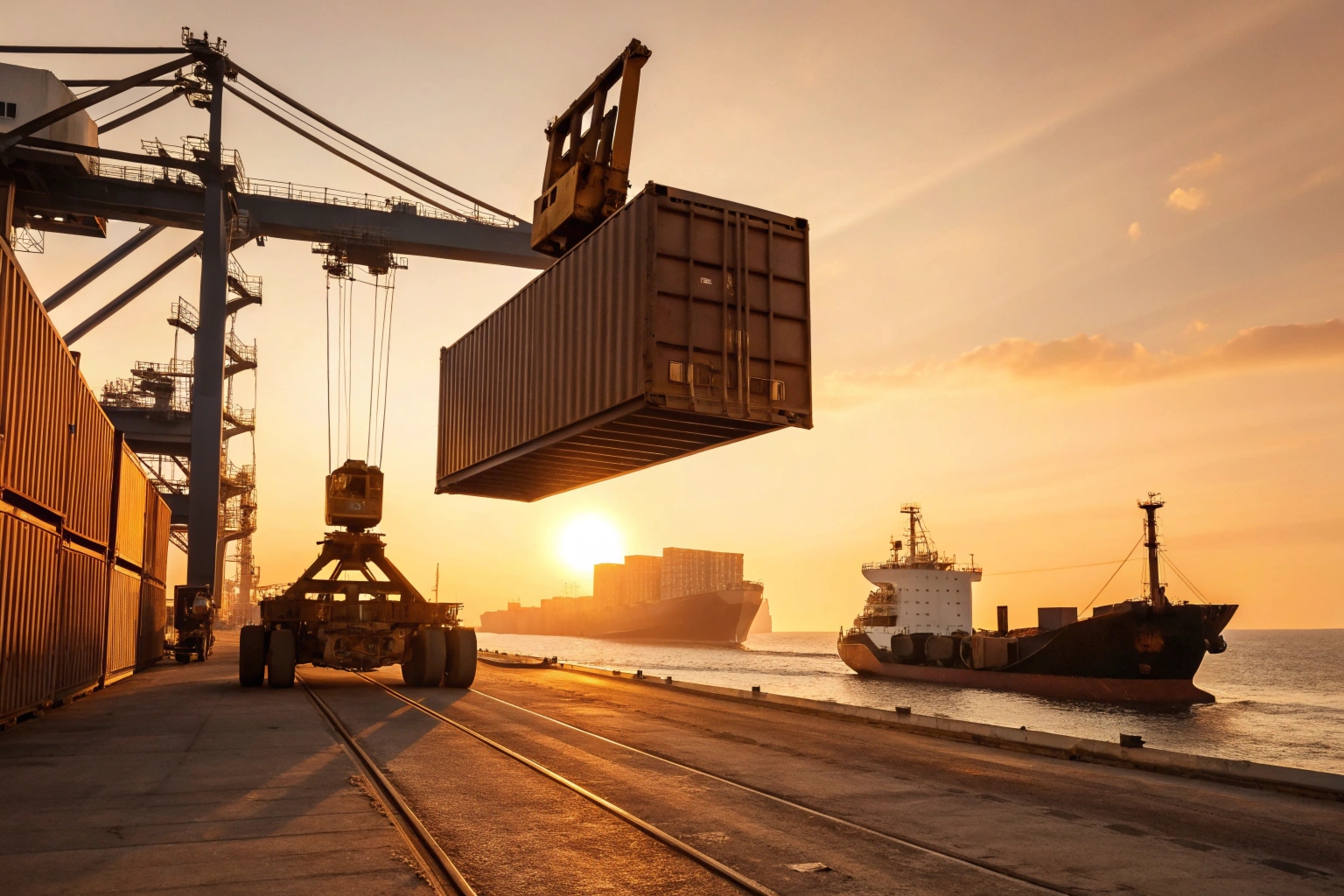
I know the sheer panic of seeing a production line stop because a specific track roller was not on the shelf. It creates chaos in your delivery schedule and eats directly into your profit margins.
Most capable excavator undercarriage parts suppliers support annual supply plans and rolling forecasts. They use these tools to secure raw materials, reserve manufacturing capacity, and stabilize pricing. This collaboration ensures on-time delivery for critical components like track chains and idlers while reducing your inventory costs.
Let me walk you through how we can structure this to protect your supply chain and keep your machines moving.
How often should I update my forecast horizon?
I used to think a static yearly plan was enough to stay safe, but the market shifts too fast for that now. You need a system that breathes and moves with your actual project demands.
You should ideally operate on a "12+4" rolling system. This means locking in orders for the next three months while providing a tentative forecast for the following four months. Monthly updates allow suppliers to adjust raw material procurement and production slots without disrupting your supply.

When we look at the logistics of heavy machinery parts 1, timing is the most critical factor. A simple "set it and forget it" yearly plan rarely works because construction projects change, and mining outputs fluctuate. I recommend a rolling forecast model 2 because it effectively bridges the gap between your immediate needs and the supplier’s long-term manufacturing cycles.
The "12+4" Rolling System Explained
The most effective method I have seen in this industry is the "12+4" system. Here is how it works in plain English: you provide a broad plan for the full 12 months of the year to set the baseline. However, the operational focus is on the immediate future.
The first 3 months are "locked in." This means the factory has already bought the steel, scheduled the forging, and planned the heat treatment 3 for your track shoes and links. You cannot easily change this without a cost. Then, you provide a soft forecast for the next 4 months.
Every single month, we should talk. We update the plan. The month that was previously "Month 4" now becomes a locked-in "Month 3." This rolling approach gives the factory enough time to react. If you suddenly land a big mining contract, we can see it coming four months away, rather than scrambling at the last minute. This prevents the bullwhip effect 4 where small changes in demand cause massive problems in the factory.
Data You Need to Share
To make this work, I need to know more than just part numbers. The best forecasts come from real-world data. We should look at your equipment running hours. If you know your dozers are running 20 hours a day in abrasive soil (like silica or rock), we know those rollers will fail sooner than if they were working in soft clay. We can use your history of replacements to predict the future.
We also need to look at your Safety Stock 5. I usually suggest keeping 15 to 30 days of stock for critical items. This acts as a buffer. If a shipment is delayed by a storm at sea, your machines do not stop.
Comparison of Forecasting Models
| Forecast Type | Update Frequency | Main Purpose | Flexibility Level |
|---|---|---|---|
| Annual Baseline | Once per year | Sets the rough budget, secures steel tonnage, and reserves factory capacity. | High (before locking) |
| Rolling Forecast | Monthly | Adjusts for recent project wins, seasonal changes, or lost contracts. | Medium |
| Locked Order | Monthly (for T+3 months) | Triggers actual raw material purchase, forging, and machining. | Low |
Communication Protocols
Finally, this only works if we talk regularly. I suggest a mandatory monthly review meeting. We can look at the Forecast Accuracy 6. If we are hitting 85% accuracy or higher, our supply chain is healthy. If it drops, we investigate why. This isn’t about assigning blame; it is about making sure you have parts when you need them. We need to treat your inventory as a shared responsibility.
Can we lock capacity with blanket POs?
I hate the uncertainty of spot buying when a big project kicks off and the market is tight. Scrambling for parts at the last minute is a nightmare scenario I work hard to avoid.
Yes, Blanket Purchase Orders (BPOs) are the standard method for locking in manufacturing capacity. By committing to a total volume over a year, you guarantee that the factory reserves production lines for your track groups and rollers, ensuring lead times remain stable even during peak seasons.

A Blanket Purchase Order (BPO) 7 is one of the strongest tools you have as a buyer. It is more than just a promise to pay; it is a reservation system for factory time. When you operate in the heavy equipment industry, you know that lead times can stretch out wildly during the busy season. A BPO puts you at the front of the line, ahead of the spot buyers.
Securing the Production Line
When you sign a BPO, I can go to the production manager and block out time specifically for your order. For example, if we know you need 500 track chains this year, we plan that capacity in advance. We don’t just hope we can fit you in; we save the space.
I typically try to reserve at least 20% extra capacity for my contract clients. This means if you have a sudden surge in demand, I have a "buffer" ready to handle it. Without this reservation, you are competing with every other distributor globally for the same heat-treatment furnace time.
Standardizing the Lead Time
Without a BPO, you are fighting for space on the production line with every other buyer in the world. Your lead time might be 30 days one month, and 60 days the next depending on the factory load. With a BPO, we can standardize this.
- Regular items: We aim for a predictable 25-day cycle.
- Custom items: We can hold it to 45 days.
This stability allows you to plan your maintenance schedules without fear. You know exactly when the parts will arrive, allowing you to promise delivery dates to your own customers with confidence.
Inventory Management (VMI)
A BPO often opens the door to Vendor Managed Inventory (VMI) 8. Since I know you are committed to buying these parts, I am willing to hold the stock for you. I can keep the goods in my warehouse and ship them to you only when you need them. This lowers your costs significantly. You don’t have to pay for a warehouse full of heavy steel parts or tie up your cash flow. You only pay when you trigger the shipment.
Dealing with Risk and Penalties
We also use the BPO to agree on what happens if things go wrong. What if raw materials arrive late? What if a ship is delayed? In our agreement, we can set up "Risk Plans 9." This might mean I keep a backup supplier on hand, or we agree on a backup air-freight option for emergencies.
Risk Mitigation Strategies
| Risk Scenario | Standard Response | BPO / Contract Response |
|---|---|---|
| Raw Material Shortage | Order delayed until material arrives. | Supplier uses pre-booked safety stock of raw steel. |
| Production Overload | Lead time extends by 2-4 weeks. | Reserved capacity ensures priority production. |
| Shipping Delay | Buyer waits. | Supplier may cover air freight for urgent portion (if agreed). |
| Quality Issue | Standard claim process (slow). | Expedited replacement from buffer stock (fast). |
We can even agree on penalties. If I delay your delivery significantly without cause, there should be a clear compensation rule, like 0.5% of the order value per day. This keeps everyone accountable and ensures I prioritize your order above others.
What flexibility do I get on mix changes?
I know that field conditions change overnight, and suddenly you need sprockets instead of idlers. A rigid plan that cannot adapt to reality is useless to a fleet manager.
Suppliers typically offer a mix flexibility of around 20% on specific SKUs if communicated 30 days in advance. While raw material tonnage is often fixed, you can usually swap between similar forged parts, such as changing the ratio of bottom rollers to top rollers within the same production batch.
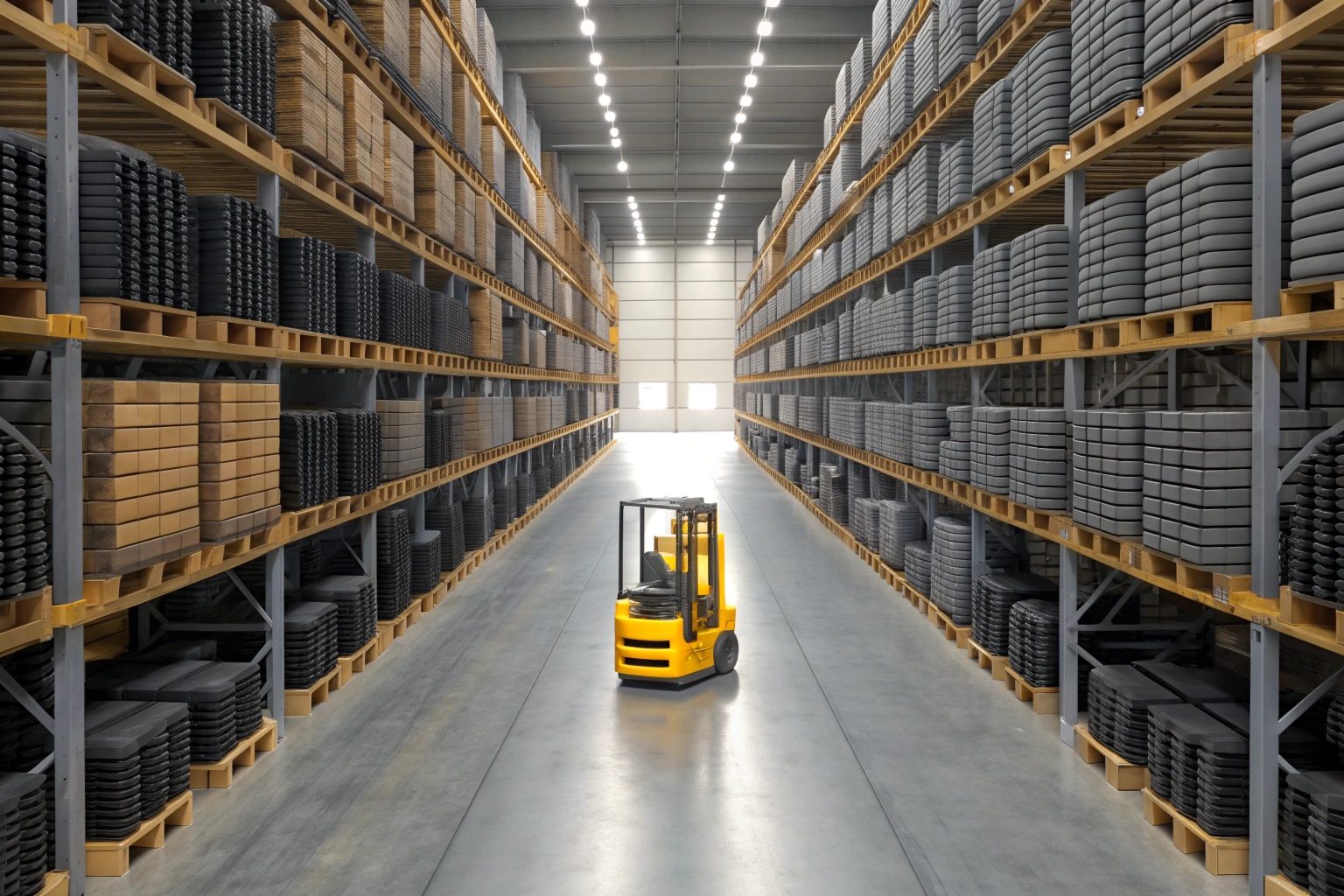
Flexibility is the difference between a partner and just a vendor. In the real world of construction and mining, you cannot predict every breakage. Sometimes the soil is rockier than expected, and you chew through track shoes faster than rollers. A good supply plan must handle this reality.
The "Mix" vs. The "Volume"
It helps to understand how manufacturing works to know what you can ask for. The factory cares most about the total tonnage of steel and the type of process (like forging vs. casting).
- High Flexibility: Swapping parts that use the same production line and material. For example, switching between two different models of bottom rollers is usually easy because they use similar steel billets and the same forging presses.
- Low Flexibility: Switching from a cast idler to a forged sprocket. These use different raw materials (casting sand/molds vs. steel bars) and completely different machines.
I usually tell my clients that we can handle a 20% mix change. If you ordered 100 rollers but realized you actually need 80 rollers and 20 more idlers, we can often make that swap if you tell us 30 days before production starts.
Managing Timeline Triggers
The key to flexibility is the timeline. The closer we get to the "ex-factory" date, the harder it is to change. This is due to the physical state of the metal.
Timeline for Change Requests
| Time Until Production | Status of Material | Flexibility Level |
|---|---|---|
| 60 Days Out | Raw material not yet ordered. | High: Can change quantities and part types freely. |
| 30 Days Out | Steel ordered / arrived. | Medium: Can change sizes/models if material grade is same. |
| 15 Days Out | Steel cut or heating started. | Low: Minor quantity adjustments only. |
| 7 Days Out | Machining in progress. | None: Order is locked. |
Emergency Response Protocols
Sometimes, you have a true emergency. A machine is down, and the part isn’t in the forecast. In these cases, we rely on the "Safety Stock" we discussed earlier. But if that isn’t enough, we look at our "Emergency Response" protocol.
Since you are a contract customer, I can prioritize your rush order over a one-time buyer. We might run an extra shift or divert stock from a generic order to fill yours. This is the "Red Lane" process. It might cost a little more for overtime labor, but it gets the part to you fast.
Quarterly Reviews
We should sit down every quarter (every 3 months) to adjust the baseline. If we notice you are consistently using more drive sprockets than we planned, we change the baseline for the rest of the year. This prevents the same "emergency" from happening twice.
Do forecast commits affect my pricing?
I always look for the bottom line, but I want value, not just cheap parts. You need to know if your commitment actually translates into better numbers on the invoice.
Committing to a forecast directly lowers your unit costs. Suppliers can purchase steel in bulk and optimize heat treatment batches based on your volume. This efficiency typically results in tiered pricing discounts and protects you from short-term raw material price spikes during the contract period.

This is the biggest benefit of an annual plan: money. When you buy spot orders, you pay the market price at that exact moment. If steel prices jump up 10% tomorrow, your price goes up 10%. With a forecast, we play a different game entirely.
Bulk Material Purchasing
When you give me an annual volume, I don’t buy steel for just one order. I buy steel for your next five orders. This gives me bargaining power with the steel mills. I can get a lower price per ton, and I pass those savings to you.
It also allows me to optimize my heat treatment furnaces. Running a full furnace is cheaper per part than running a half-empty one because the energy cost is the same. These small savings add up to a significant discount for you.
Pricing Tiers and Rebates
We can structure the deal using "Tiered Pricing." This incentivizes volume. The table below shows a typical structure for a mid-sized distributor.
Volume Discount Structure
| Annual Volume (Pieces) | Discount Level | Price Stability |
|---|---|---|
| 0 – 500 | Standard Price | Market Floating (Updates Monthly) |
| 501 – 1,500 | 3% Discount | Fixed for 3 Months |
| 1,501 – 3,000 | 5% Discount | Fixed for 6 Months |
| 3,000+ | 8% Discount | Fixed for 12 Months |
This table shows that the more you commit to, the better your price gets. We can also discuss "End-of-Year Rebates." If you hit 98% of your forecasted volume, I can give you a credit back at the end of the year. It encourages us both to stick to the plan.
Handling Exchange Rates and Materials
International trade involves currency risks 10. If the exchange rate shifts wildly between the Chinese Yuan and the US Dollar, it can hurt both of us. In a long-term contract, we can agree on a "fluctuation range."
For example, if the currency changes by less than 3%, we do not change the price. If it changes by more than 3%, we share the difference. We do the same for steel prices. This keeps your costs predictable. You won’t wake up to a surprise price hike just because the currency moved a little bit.
Reducing Hidden Costs
Finally, think about the administrative cost. Placing one big blanket order is much cheaper than placing 50 small orders. You save time on paperwork, bank fees, and negotiation. Your procurement team can focus on finding new customers, knowing the undercarriage parts are sorted out at a fixed, fair price. This operational efficiency is often overlooked but adds real value to your bottom line.
Conclusion
Building a rolling forecast protects your fleet and your budget. Let’s start a conversation about your annual needs today so we can secure your production slots.
Footnotes
1. Challenges in transporting oversized heavy equipment parts. ↩︎
2. Benefits of continuous planning over static budgets. ↩︎
3. Industrial process used to harden steel components. ↩︎
4. How small demand shifts cause large upstream fluctuations. ↩︎
5. Buffer inventory calculations to prevent stockouts. ↩︎
6. KPIs for measuring supply chain prediction success. ↩︎
7. Definition of long-term procurement agreements for stability. ↩︎
8. Strategy where suppliers control inventory levels. ↩︎
9. Strategies to minimize supply chain disruptions. ↩︎
10. Managing foreign exchange volatility in international trade. ↩︎