

Sourcing parts without legal safety exposes your business to intellectual property theft 1 and sudden price hikes. I know you worry about losing your competitive edge to unstable suppliers.
Yes, you absolutely can and should sign both documents. An NDA protects your proprietary technical data, while a framework agreement locks in stable pricing and delivery terms. These legal tools are essential for building a secure, scalable supply chain with your Chinese manufacturer.
Let’s look at the specific clauses and terms you need to negotiate to keep your business safe and profitable.
What clauses protect my confidential specs?
You spent years developing your specs. Losing them to a competitor would destroy your market position. I understand you need to keep your technical drawings private.
Your NDA must include precise definitions of "Confidential Information," strict "Permitted Use" limits, and "Non-Circumvention" clauses. These prevent the factory from using your drawings to manufacture parts for your direct competitors or selling directly to your customers.

Defining What is Secret
When I draft agreements with clients like you, I always insist on specificity. A generic NDA often fails to protect complex engineering products like undercarriage parts. You must list exactly what counts as "Confidential Information." This includes your CAD drawings 2, your heat treatment data, your material composition sheets, and your seal designs. If you do not list them, a supplier might argue that this data is public knowledge. For example, if you send me a drawing for a custom drive sprocket, the agreement must state that the dimensions, the steel grade, and the hardening depth are all confidential.
Restricting Usage
The "Permitted Use" clause is just as important. It restricts how the factory uses your data. It states that we can only use your drawings to make parts for you. We cannot use them to make parts for our own brand or for other buyers. This stops a factory from using your R&D investment to boost their own sales. I have seen cases where factories used a client’s mold to sell to the client’s competitor. That is unethical. At Dingtai, we respect this boundary completely. We treat your material specs as your property, not ours.
Protecting Your Distribution Channel
As a distributor, your biggest fear is the factory going behind your back. You need a strong "Non-Circumvention" clause. This clause stops the manufacturer from contacting your distribution channel 3 directly. It creates a legal wall between your source and your sales channel. If the factory breaks this rule, they face heavy fines. This gives you the confidence to share your market plans with us. I want you to feel safe telling me about your end-users because that helps me plan production, but I never want you to worry that I will steal them.
Here is a breakdown of the essential clauses you need:
| Clause Name | Function | Why You Need It |
|---|---|---|
| Definition of Confidentiality | Lists specific data types (Drawings, Formulas). | Prevents ambiguity about what is secret. |
| Permitted Use | Limits data use to your orders only. | Stops the factory from copying your design. |
| Non-Circumvention | Bans direct contact with your clients. | Protects your role as the distributor. |
| Return of Information | Requires data deletion after the contract ends. | Ensures no data remains with the supplier. |
The "Return or Destroy" Obligation
Finally, you need a clear exit strategy for your data. The agreement must state that if our relationship ends, I must return all your physical samples and destroy all digital files. I should provide you with a written certificate proving I have done this. This closes the loop and ensures your intellectual property does not linger on a factory computer server where it could be stolen by hackers or disgruntled employees.
How long should the NDA term be for my projects?
A short agreement leaves you exposed just when sales pick up. You need lasting protection. I know you want to secure your investment for the long haul.
For undercarriage components, the NDA term should ideally last five years, with a survival clause extending confidentiality obligations for an additional two to three years after the business relationship ends.

Matching the Product Lifecycle
The lifecycle of an excavator undercarriage part is long. It takes time to design, test, manufacture, and sell these items. A standard one-year NDA is not enough. By the time the product hits the market, the agreement might expire. That leaves your secrets open to the public. You need a term that matches the reality of our industry. I recommend a term of five years for the active agreement. This covers the initial development phase and the peak sales years.
The Survival Clause
But the term should not end just because the contract ends. You need a survival clause 4. This clause keeps the confidentiality obligations alive even after we stop doing business. Usually, this survival period lasts for another two to five years. This prevents a former supplier from selling your secrets the day after you cancel an order. Imagine you switch suppliers in 2026. Without a survival clause, your old supplier could legally publish your drawings in 2027. With the clause, they must keep quiet until 2030 or later.
Legacy Parts Protection
We also need to consider the lifespan of the machinery. Your customers expect parts to be available for older machines. This means your technical data has value for a decade or more. If the NDA expires too soon, a competitor could start making cheap copies of your legacy parts. A longer term protects your aftermarket revenue stream 5. I always tell my clients to think about the "tail" of their product line. Even if you stop selling a specific roller model, the design data is still valuable.
Different Terms for Different Parts
Different parts have different lifecycles. Consumables like bucket teeth 6 turn over fast. But structural parts like track frames last a long time. Your NDA should reflect this.
Here is how different terms apply to different components:
| Component Type | Typical Lifecycle | Recommended NDA Term |
|---|---|---|
| Bucket Teeth | Short (Months) | 3 Years |
| Track Chains | Medium (1-3 Years) | 5 Years |
| Rollers & Idlers | Medium (1-3 Years) | 5 Years |
| Structural Frames | Long (5+ Years) | 7-10 Years |
Indefinite Protection for Trade Secrets
Some trade secrets never expire. Your unique heat treatment process might be your core advantage forever. For these specific secrets, you can ask for an "indefinite" term. This means the information remains secret as long as it is not public knowledge. We are open to signing indefinite terms for your most critical trade secrets 7. This shows we are serious about a long-term partnership.
Can the framework include price-index adjustments?
Steel prices change constantly. You cannot afford to lose money every time the raw material market shifts. I want to help you stabilize your costs.
Framework agreements often utilize a price variation formula linked to public raw material indices. This mechanism automatically adjusts unit prices based on steel market fluctuations, ensuring fair costs for both the buyer and the manufacturer.
The Problem with Fixed Pricing
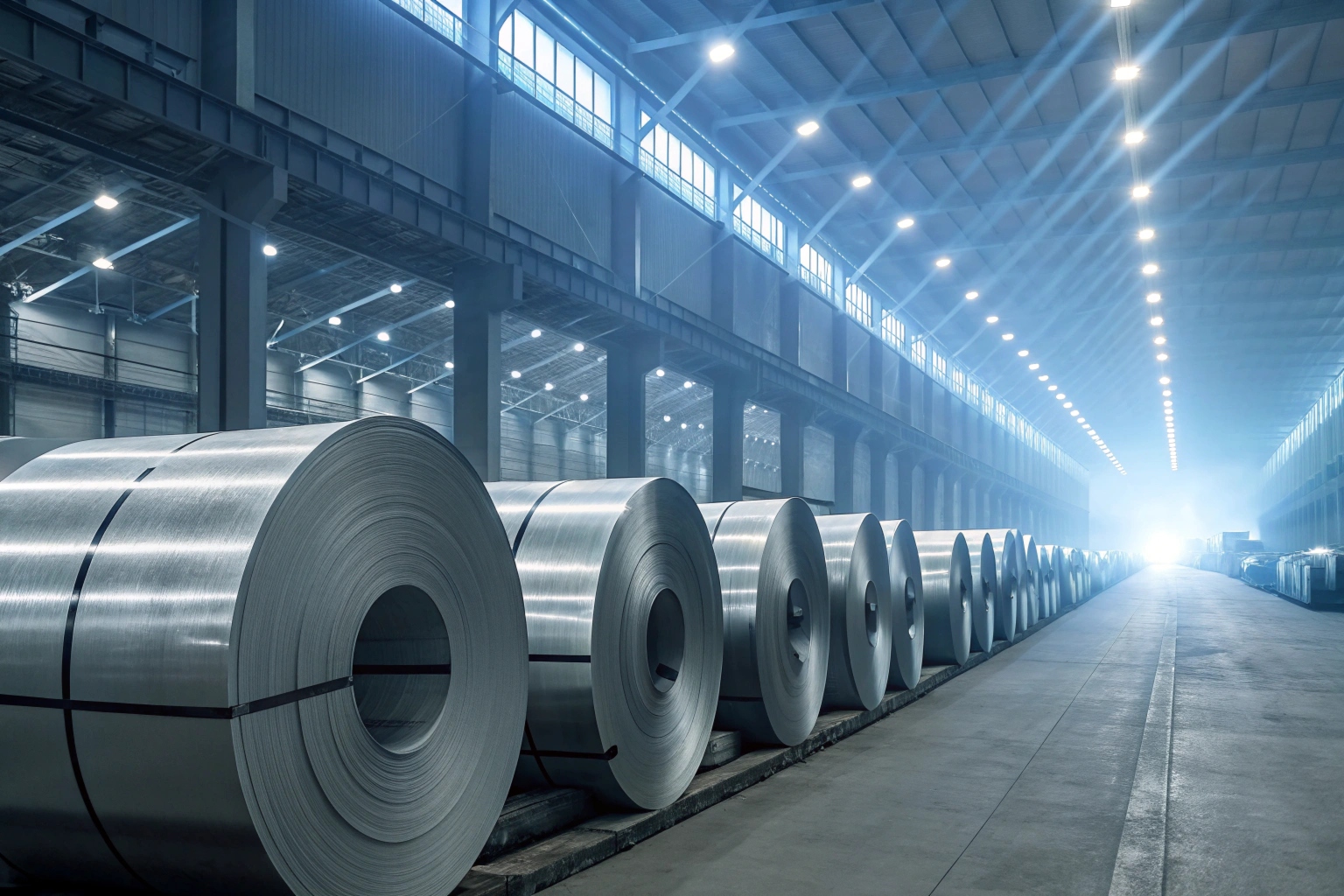
Undercarriage parts are heavy. They are mostly made of steel. The cost of raw material makes up a huge part of the final price. If the price of steel goes up by 20%, our costs go up significantly. If we have a fixed price contract, we might lose money. This tempts some suppliers to cut corners on quality to save cash. You do not want that. You want consistent quality.
How the Index Mechanism Works
A price-index adjustment clause solves this. We agree on a base price for the steel. We also pick a public index to track, like a local steel market index. We review this index every quarter. If the index moves up or down by more than 5%, we adjust the part price. This is fair for everyone. When steel is cheap, you pay less. When steel is expensive, we get fair compensation so we can keep using high-quality materials.
Building Trust Through Transparency
This system builds trust. You do not have to fight for every price decrease. We do not have to beg for every price increase. The formula does the work for us. It lets us focus on making good parts instead of arguing about money. This stability is key for your long-term planning. I prefer this method because it removes the emotion from pricing discussions. We both look at the same data, and the math dictates the price.
The Calculation Formula
The formula is simple. We split the product cost into two parts: the material portion and the value-add portion (labor, energy, profit). Only the material portion changes. This protects you from inflation in our labor costs, which we should manage ourselves.
Here is an example of how we calculate it:
| Component | % of Total Cost | Status | Adjustment Rule |
|---|---|---|---|
| Steel Material | 60% | Variable | Linked to Market Index |
| Labor & Overhead | 30% | Fixed | No Change |
| Profit Margin | 10% | Fixed | No Change |
Choosing the Right Data Source
We need to choose an index that reflects reality. For us in China, we often use local raw material indices 8 because that is where we buy our material. Using a US index might not work because prices vary by region. We will agree on a transparent source that you can check online. This way, you can verify every price change yourself. Transparency is the foundation of our business model at Dingtai.
How do we manage contract renewals and reviews?
Automatic renewals can lock you into bad service. You need a system to review performance before committing again. I prefer a relationship based on merit, not just habit.
Contract renewals should be triggered by a successful performance review rather than automatic dates. This process evaluates key metrics like defect rates and on-time delivery to decide if the partnership continues.

The Quarterly Business Review (QBR)
A framework agreement should not be a "set it and forget it" document. It needs to be a living tool. We should schedule formal review meetings. I suggest we meet every six months or once a year. In these meetings, we look at the data. We do not just talk about feelings; we talk about facts. I call this the Quarterly Business Review 9. It is a chance to align our strategies.
Metrics That Matter
We look at your Key Performance Indicators (KPIs). Did we meet the delivery dates? Was the defect rate below the limit we agreed on? Did we answer your technical questions fast enough? If we missed our targets, we need a plan to fix it. If we hit our targets, we can talk about increasing the volume or adding new product lines. This makes the renewal process logical.
The Power to Walk Away
This review process gives you control. If we are not performing, you have the right to pause the renewal. You can ask for a probation period. Or, in the worst case, you can exit the contract. This keeps us on our toes. We know we have to earn your business every single year. It prevents complacency. I want you to stay with Dingtai because we are the best option, not because a contract forces you to.
Handling Non-Performance
If we fail to meet the standards, the contract should outline the steps for a "Corrective Action Plan." This is a formal document where I explain how I will fix the problem. If I fail to fix it within a set time, you have the right to terminate the agreement without penalty. This "no-fault" exit strategy reduces your risk.
Here are the metrics we should track:
| Metric | Target | Consequence of Failure |
|---|---|---|
| On-Time Delivery | > 95% | Penalty or Expedited Air Freight |
| Defect Rate (PPM) | < 1000 | Root Cause Analysis Report |
| Response Time | < 24 Hours | Management Escalation |
| Document Accuracy | 100% | Process Audit |
Continuous Improvement
Finally, these reviews are not just about finding faults. They are about finding opportunities. Maybe we can redesign the packaging to save shipping space. Maybe we can forecast demand better to reduce lead times. A good framework agreement encourages this kind of collaboration. It turns a simple buyer-seller relationship into a true strategic partnership.
Conclusion
Signing these agreements secures your supply chain and protects your hard work. We are ready to sign your KPIs 10 and build a stable, long-term partnership with you today.
Footnotes
1. Definition and impact of intellectual property protection for businesses. ↩︎
2. Software standards used for creating technical engineering drawings. ↩︎
3. Networks of businesses used to deliver products to consumers. ↩︎
4. Legal provisions ensuring obligations last after a contract ends. ↩︎
5. Strategies for generating revenue from post-sale services. ↩︎
6. Essential ground-engaging tools for heavy excavation machinery. ↩︎
7. Legal protections for confidential business information and formulas. ↩︎
8. Global benchmarks for tracking commodity price fluctuations. ↩︎
9. Strategic meetings to evaluate partnership success and alignment. ↩︎
10. Quantifiable metrics used to gauge long-term performance. ↩︎