

When I started navigating the logistics of importing undercarriage parts for excavators & bulldozer 1, I quickly realized that having a clear understanding of pallet weight and size limits 2, along with knowledge about fumigation-free pallets 3, is crucial. Troubles at customs can cause delays that cost both time and money.
When importing undercarriage parts for excavators & bulldozer from China, the maximum pallet weight typically for ocean freight is around 2,000 kg, while air freight usually handles up to 1,000 kg. Fumigation-free pallets are indeed frequently used, such as those compliant with ISPM 15 standards 4, ensuring they are heat-treated or made from processed wood like plywood, avoiding forestry and quarantine issues at US customs.
Transition paragraph: Understanding these specifics helps you plan shipments more effectively, whether you’re moving a single pallet or a full container. Let’s delve into the details of pallet treatment and dimensions to ensure smooth logistics and avoid unexpected troubles.
Are your pallets heat-treated and stamped (ISPM 15) to avoid US customs delays?
When I first started importing goods, one of my major concerns was how to avoid customs delays which were a frequent headache. I’ve learned that meeting international standards is non-negotiable for ensuring smooth transitions at borders.
Pallets used for exporting from China are commonly heat-treated and stamped in compliance with ISPM 15 to prevent any delays at the US customs. This certification indicates that the pallets have undergone treatment to eradicate pests, meeting international phytosanitary standards 5. Using these pallets avoids the need for fumigation, which saves time and reduces potential interception by customs authorities.

In international shipping, using ISPM 15 compliant pallets is essential for minimizing border crossing issues. Different countries have different requisites for wood pallets to prevent the spread of insects or diseases. The ISPM 15 standard requires pallets to be heat-treated or fumigated with methyl bromide 6 and then marked with a seal that confirms compliance. By using these measures, exporters ensure a smooth entry into countries like the US, where non-compliance can result in the return or destruction of shipments.
Table: Understanding ISPM 15 for Pallet Compliance
| Aspect | Description |
|---|---|
| Treatment Method | Heat treatment or fumigation with methyl bromide |
| Marking Requirement | ISPM 15 stamp (certifying treatment compliance) |
| Material | Applies to solid wood, not plywood or presswood |
| Purpose | Prevent the spread of pests and diseases globally |
ISPM 15 is the international standard for treating wood packaging materials, crucial for exporters like us. The stamping not only signifies adherence but also builds trust with global partners by demonstrating a commitment to international trade regulations. It’s a standard practice that smooths logistics, reduces risks, and enhances global trade efficiency.
How many standard pallets of track rollers can I typically fit in a 20ft or 40ft container?
I recall the first time I needed to calculate how many pallets I could fit into a 20ft container; it sounded simple but proved to be trickier than expected, as maximizing space without exceeding weight limits was key.
Typically, a 20ft container can accommodate approximately 10 to 11 standard 48×40 inch pallets 7, while a 40ft container can fit up to 20 to 21 pallets. However, this also depends on the total weight and the stacking configuration of track rollers to not exceed the container’s payload limit 8 of about 26-28 tons.
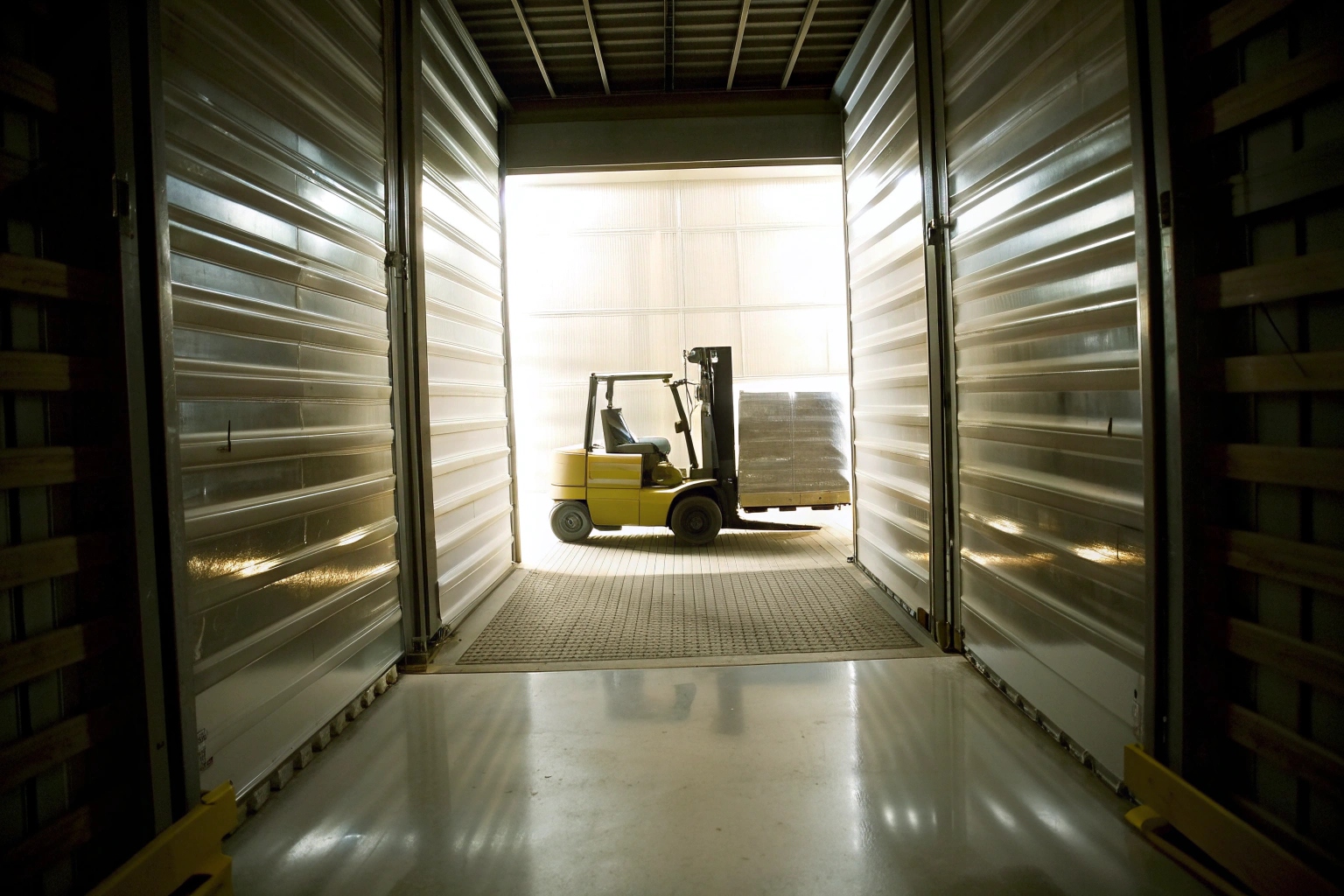
Finding the right mix of size and weight is crucial when shipping track rollers. These parts are dense, and using inefficient palletization can lead to extra costs or non-compliance penalties. While a 20ft container offers limited space, it is usually sufficient for smaller or denser shipments, helping avoid excess weight charges.
Table: Pallet and Container Capacity
| Container Size | Standard Pallet Count | Approximate Payload Limit |
|---|---|---|
| 20ft | 10-11 | 28 Tons |
| 40ft | 20-21 | 28 Tons |
The total number of pallets that can fit depends on both the physical space they occupy when properly stacked and the weight restrictions of the shipping line protocols. Efficient cargo planning ensures optimal usage of container space and adherence to shipping policies while delivering goods on time and intact.
What is the maximum weight you can load onto a single pallet for safe handling in my warehouse?
When planning logistics, ensuring the safety and efficiency of pallet handling in my warehouse was paramount. Overloading can lead to mishaps that could easily be avoided.
The safe maximum weight for a single pallet generally falls within 1,000 kg to 1,500 kg, depending on the handling capabilities of your warehouse equipment like forklifts 9 and the pallet’s structural integrity. Keeping below this range ensures safe handling and storage without compromising the safety of operators.
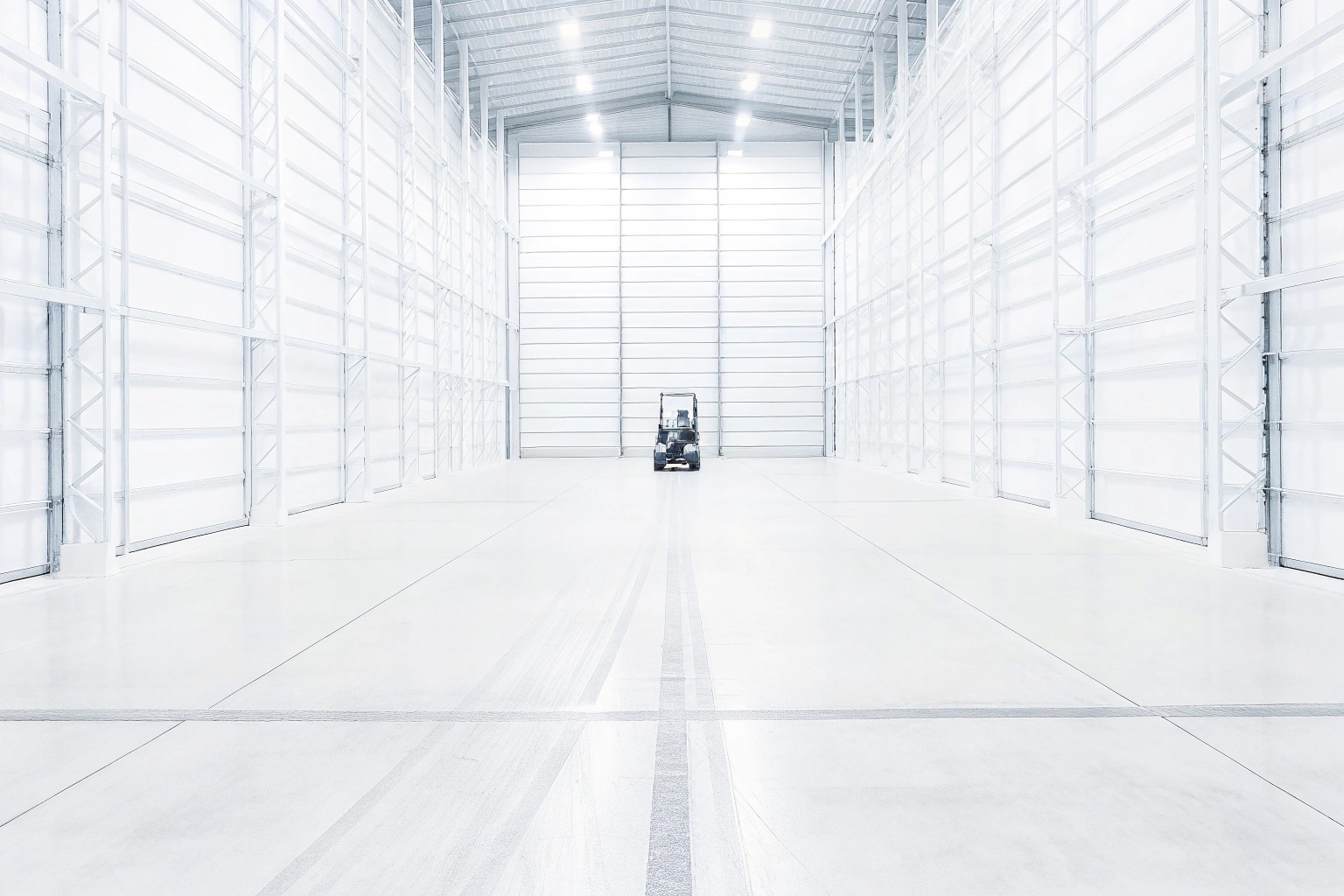
In many scenarios, the equipment used in a warehouse dictates the limits for safe pallet weight. Forklifts commonly have a capacity range of 1 to 3 tons, and operators must ensure pallets do not exceed these handling capabilities. Overloading can risk both pallets and cargo integrity, possibly leading to damages or injuries.
Table: Factors Influencing Safe Pallet Load
| Factor | Influence on Pallet Load |
|---|---|
| Forklift Capacity | Limits average safe weight capacity to 1-3 tons |
| Pallet Material & Design | Determines structural load capacity |
| Cargo Density | Affects stability during handling |
| Environmental Conditions | Wet or uneven surfaces can limit handling safety |
Balancing these factors ensures that the shipment stays within safe and manageable limits, improving efficiency, and reducing potential for accidents.
Can I request custom pallet dimensions to fit my warehouse racking system?
With specific warehouse racking systems in mind, I soon realized that using standard pallets wasn’t going to work, prompting me to explore custom pallet options to make the most of my storage capabilities.
Yes, it is possible to request custom pallet dimensions to better align with your warehouse racking systems 10. By working closely with suppliers, you can ensure the pallet dimensions accommodate your storage needs, enhance organization, and facilitate easy access and efficient handling of stored products.
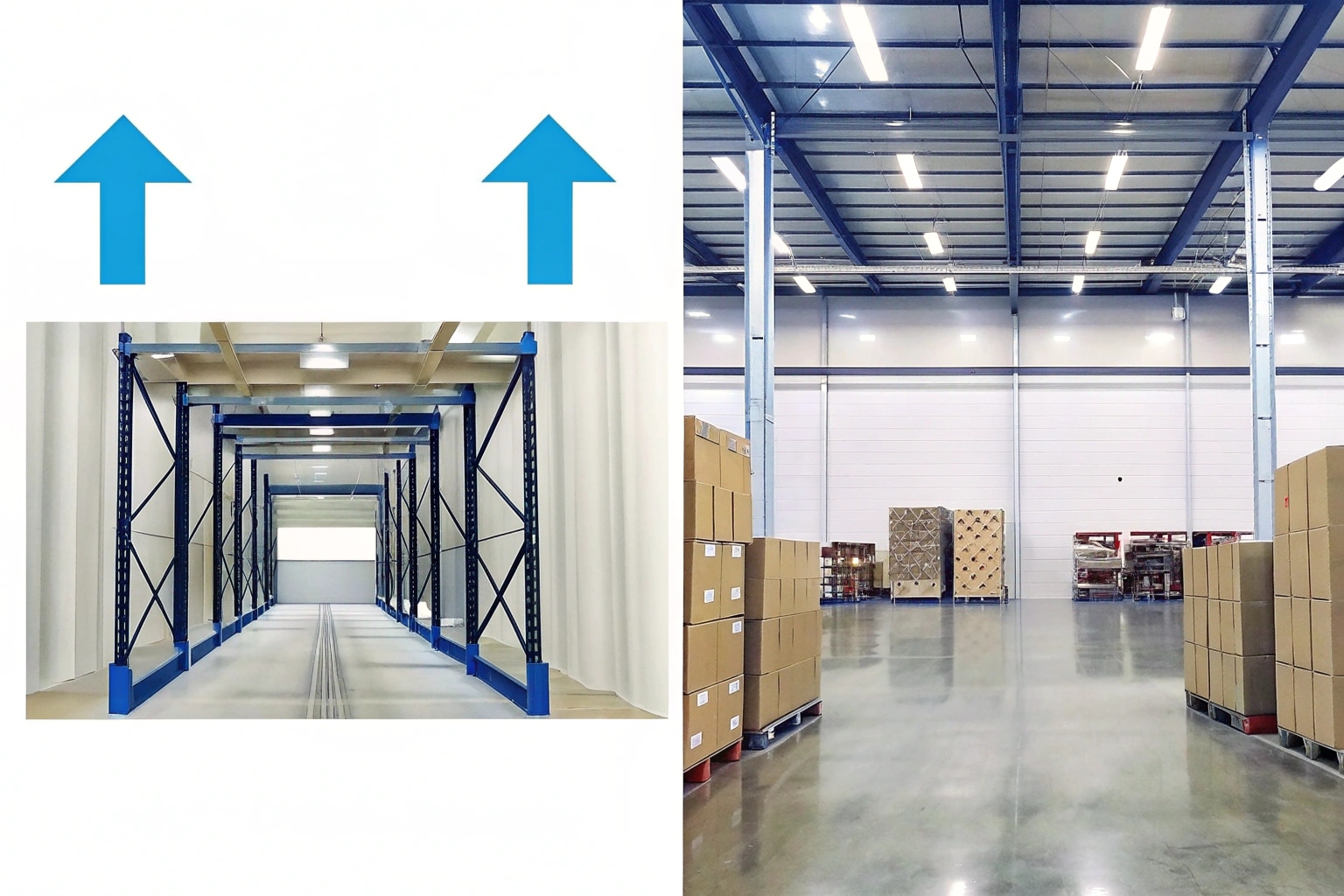
Customizing pallet dimensions is a strategic approach that can lead to improved warehouse operations. Consider factors such as the smallest unit of space in your racking system and specific storage requirements like aisle width or shelving height. Custom pallets allow for an optimized fit within the racking system, promoting space efficiency and access ease.
Table: Things to Consider for Custom Pallet Orders
| Aspect | Consideration |
|---|---|
| Rack Specifications | Dimensions of racking systems and load tolerances |
| Product Dimensions | Ensure pallets fit goods and provide adequate support |
| Handling Equipment | Compatibility with forklifts and pallet jacks |
| Material Type | Wood, plastic, or metal options based on durability needs |
Planning with your racking system specifications in mind ensures you maximize space and streamline the process, facilitating an efficient flow from receipt to dispatch, and minimizing disruptions.
Conclusion
Navigating import logistics requires balancing pallet design, treatment, and dimensions to optimize for customs clearance, shipping efficiencies, and safe warehouse handling.
Footnotes
1. Guide on the challenges and best practices for importing heavy machinery parts. ↩︎
2. Official guidelines for international freight pallet weight and size restrictions. ↩︎
3. Learn about alternatives to traditional wood, such as plastic or presswood pallets. ↩︎
4. The official International Plant Protection Convention (IPPC) ISPM 15 standard overview. ↩︎
5. Explanation of phytosanitary measures in international trade to prevent pest spread. ↩︎
6. Information on methyl bromide use as a fumigant and its regulatory status. ↩︎
7. Details on the GMA (Grocery Manufacturers Association) standard pallet size. ↩︎
8. Understanding the maximum cargo weight (payload) for shipping containers. ↩︎
9. A guide to different forklift classes and their safe lifting capacities. ↩︎
10. Explore common types of industrial racking, from selective to drive-in systems. ↩︎