
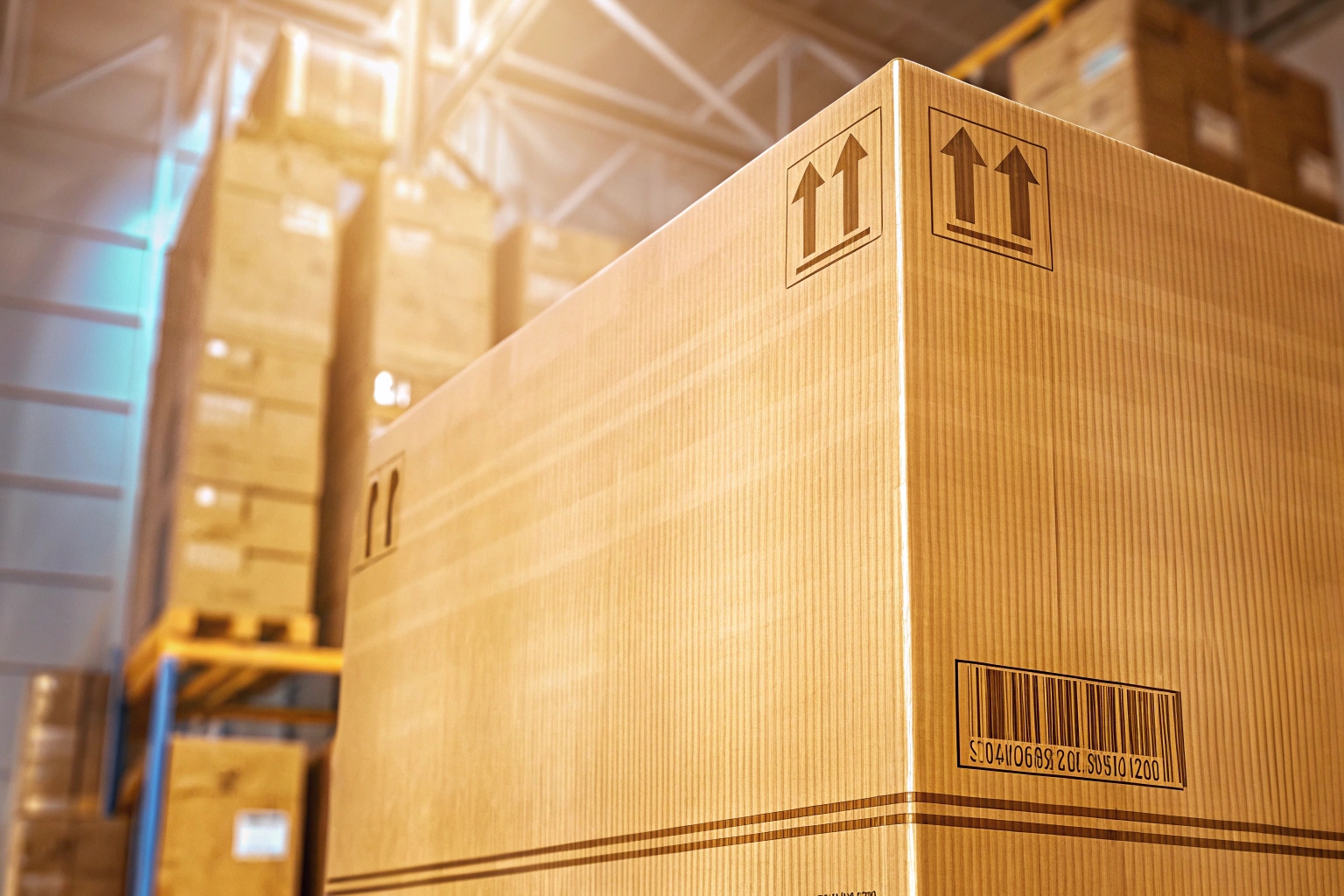
In the global market where branding is key, getting custom brand and barcode labels on shipping cartons and pallets can be challenging but not impossible. As someone who values brand consistency 1, I have navigated these complexities myself.
Yes, many Chinese manufacturers provide custom branding services, including brand and barcode labels on shipping cartons and pallets, often as part of their standard offerings. They work closely with clients to provide personalized packaging solutions 2 that meet specific branding requirements.
When coordinating with a supplier, clear communication about labeling requirements 3 should be established early in the negotiation process. This helps to manage expectations and avoid any future misunderstandings.
What are the artwork and file requirements for my custom labels?
Inconsistent labeling on packaging can cause issues with shipping and branding. I remember experiencing the frustration of unclear artwork requirements, but I learned how to streamline this process.
Artwork and file requirements for custom labels typically involve providing vector format files 4, such as PDF or AI, for brand logos and barcodes. This ensures high-quality printing and meets the supplier’s guidelines.

Providing clear design files is crucial because it allows suppliers to produce accurate labels that are true to your branding. Most suppliers request digital files in vector format, such as PDF or AI, for logos and barcodes. These formats preserve the quality of the images when resized, ensuring that the print quality remains high. In addition, offering specific guidelines or dimensions for label placement on cartons and pallets can help ensure that everything is produced to your standards.
H3: Key Format Requirements
- File Formats: Vector files like PDF, AI, or EPS.
- Resolution: Minimum of 300 DPI for clear printing.
- Color Codes: Specify Pantone or CMYK colors 5 for consistency.
- Label Dimensions: Provide exact measurements to avoid mis-sizing.
Discussing these requirements with your supplier upfront can save time and reduce the likelihood of printing errors. Additionally, requesting a proof or sample of the label before full production can help ensure the final product meets your expectations.
Is there an extra cost or minimum order quantity (MOQ) for custom labeling?
Understanding cost structures in global supply chains can be daunting. The lack of clarity often leads to unexpected expenses, which once left me puzzled and concerned.
Suppliers frequently require a minimum order quantity (MOQ) 6 to offer custom labeling. This MOQ varies depending on the supplier but usually covers the cost of setting up customized printing services. Often, additional fees are involved, specifically for design and printing services, especially for smaller orders.
When engaging with suppliers, it’s important to inquire about any additional costs or MOQs required for customized packaging. Manufacturers typically provide custom branding for larger orders, but smaller quantities might incur additional charges to cover setup costs for label printing. Thus, understanding these financial nuances can be valuable in negotiations.
H3: Consideration Points
- Setup Costs: Initial charges for creating custom printing plates.
- MOQ Levels: Often set to cover manufacturing costs.
- Price Breaks: Discounts offered for larger quantities.
- Design Fees: Possible extra charges for label design services.
Including these considerations in the cost analysis and contract negotiation phase 7 can help prevent unexpected expenses and ensure that custom labeling remains within budget.
How do you ensure the correct label is applied to the correct part number?
Labeling mistakes can mean costly consequences and potential customer dissatisfaction. I’ve been there, scrambling to rectify such issues after the fact.
To ensure accuracy, suppliers implement systems for checking and rechecking labels against part numbers. This process may involve using barcode systems 8 coupled with manual quality checks 9 to verify that each label matches the assigned part number.

Suppliers often use automated and manual systems to ensure label accuracy. Barcode verification and manual quality checks are the cornerstones of this system. The labels are checked for scannability and match specific part numbers during the packing process.
H3: Ensuring Label Accuracy
- Automated Systems: Barcode scanners verify correct labeling.
- Quality Control Checks: Manual inspections back up automation.
- Training Programs: Staff receive training to spot inconsistencies.
- Label Samples: Initial samples ensure alignment with specifications.
Ensuring correct labeling is critical to maintaining trust in your supply chain, so it’s important to confirm that your supplier has a robust system for accuracy.
Will my labels be durable enough for international shipping and warehouse handling?
Rough handling during transit can take a toll on labels. I once received peeling and unreadable labels, driving home the importance of durability.
Yes, suppliers often use durable materials for labels to withstand international shipping and warehouse handling. This includes moisture-resistant and tear-resistant materials 10 such as synthetic polymers.
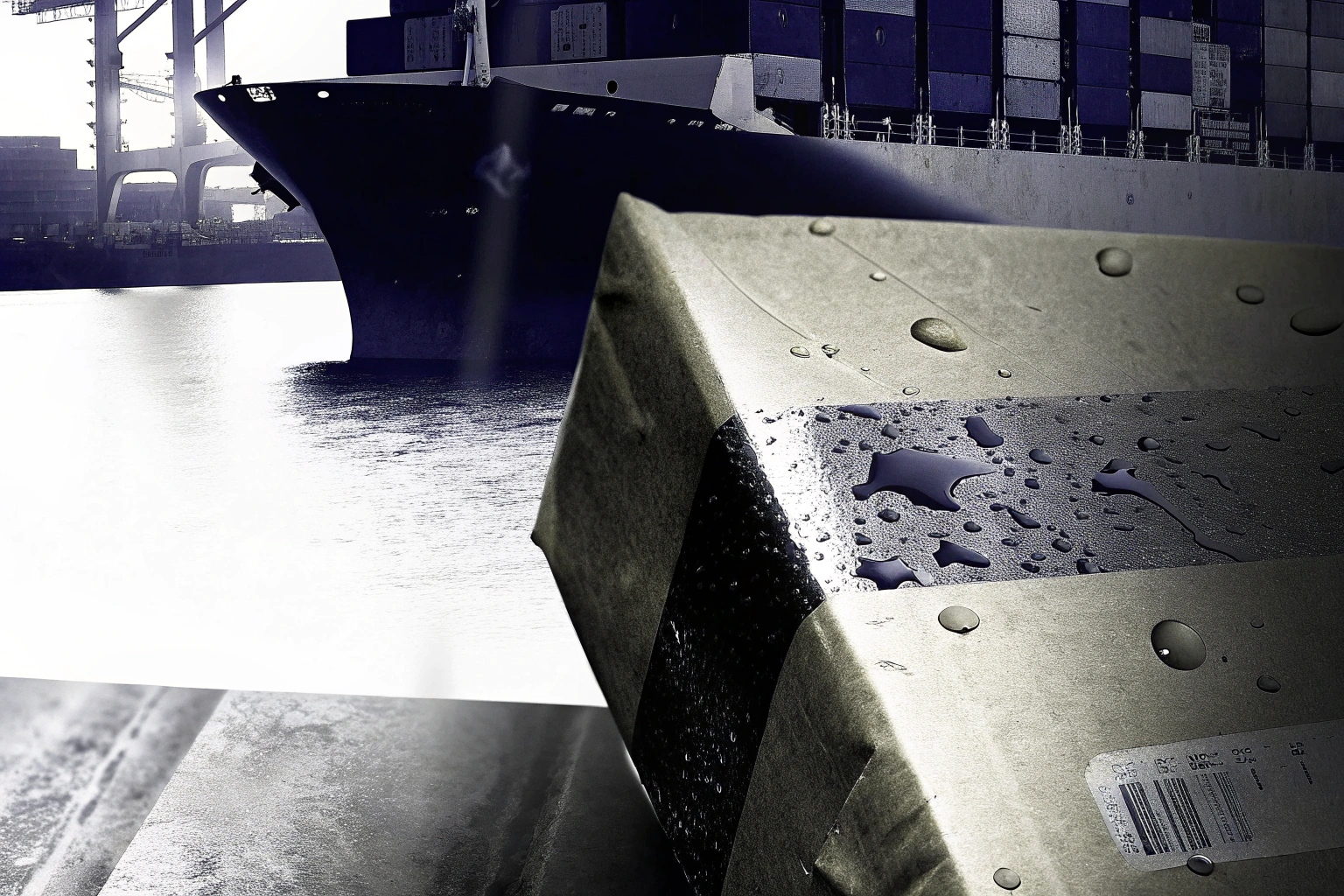
Durable labels are essential for international shipping, especially in the heavy machinery industry. Most suppliers use strong materials, such as synthetic polymers, to ensure that labels survive rough handling. These labels are designed to withstand factors such as moisture, friction, and temperature changes, which are common during transit and storage.
H3: Key Components of Label Durability
- Material Selection: Use of synthetic labels to prevent tearing.
- Adhesive Strength: Long-lasting adhesives to withstand stress.
- Protective Coatings: Additional layer protection from moisture and UV.
- Testing Standards: Labels tested under real-world conditions to ensure quality.
Negotiating these durability criteria with your supplier can help ensure your labels maintain their quality and legibility, mitigating risks during shipping.
Conclusion
Customizing brand and barcode labels on shipping cartons and pallets from China is achievable with clear communication and planning. With the right supplier partnerships, quality, cost, and branding issues can be effectively managed.
Footnotes
1. Importance of maintaining a consistent brand image across all packaging. ↩︎
2. Guide on how custom packaging enhances brand value and customer experience. ↩︎
3. Overview of standard labeling requirements for international shipping compliance. ↩︎
4. Learn why vector formats are superior to raster for high-quality logo printing. ↩︎
5. Comparison of Pantone (spot) and CMYK (process) color systems for branding. ↩︎
6. Explanation of how Minimum Order Quantities (MOQs) work in manufacturing. ↩︎
7. Tips for effectively negotiating contracts and analyzing total costs with suppliers. ↩︎
8. How barcode verification systems improve accuracy in warehouse logistics. ↩︎
9. The importance of human inspection in a quality control process. ↩︎
10. Guide to durable label materials for harsh shipping environments. ↩︎