

Navigating import regulations 1 can be daunting. I’m here to help you make sure your undercarriage parts for excavators & bulldozer comply with US Customs labeling rules. Let’s dive into it and avoid any unexpected stress!
Ensuring compliance with US Customs labeling rules 2 involves understanding specific requirements like origin marking on products and cartons. Collaboration with your supplier is vital. Always verify packaging and labeling before shipment to prevent issues at customs.
Compliance with labeling rules is critical for seamless imports. Missteps could result in shipment delays, additional duties, or even rejection by customs. Understanding these rules ensures your products enter the US market smoothly.
What specific "Country of Origin" markings are required on the parts themselves?
Marking origin on imported parts 3 is crucial to avoid customs issues. I’ve learned that missing this can lead to rejected shipments. This is a pitfall you must avoid when importing undercarriage parts for excavators & bulldozer.
Each imported part must have a clear, English-marked origin, like "Made in China." This should be as permanent as the item’s nature allows, utilizing methods like stamping or etching for metal parts 4 to ensure durability and compliance.

Ensuring Proper Marking
Understanding the requirement for proper marking on each imported product is key to preventing customs delays. The marking should be visible without disassembly and durable enough to withstand handling. It’s equally important that the outer carton provides clarity if marking the product itself isn’t feasible.
-
Marking Methods: Use permanent methods for marking, especially for metal parts. This can include etching or stamping, ensuring they’re visible and withstand wear.
-
Conspicuous Location: The marking must be in a visible spot to the ultimate purchaser 5, not hidden or requiring special handling to view.
-
Durability of Labels: For undercarriage parts for excavators & bulldozer, choose durable labels. Stickers often aren’t sufficient; opt for more permanent solutions that last through handling and shipping.
By ensuring these details, you minimize the risk of customs issues, maintaining compliance and ensuring a smooth import process.
Do the shipping cartons need specific handling or identification marks for the US market?
Handling marks on cartons play a vital role in complying with import requirements. During my import experiences, I’ve seen the importance of handling and identification marks for delivering products in good condition.
Shipping cartons must display the country of origin alongside international handling symbols 6. It is essential to clearly mark gross and net weight on cartons, ensuring compliance with international transportation guidelines 7 for the US market.

Precise Carton Labeling
Shipping cartons for undercarriage parts for excavators & bulldozer require specific markings related to handling and weight. Here’s how to approach it:
-
Weight and Handling Symbols: Clearly display gross and net weights, along with handling symbols like “Fragile” or “Keep Dry” to guide transportation staff.
-
Conspicuous Origin Marking: The cartons need to clearly state the origin, ensuring that it matches the parts inside, avoiding confusion and ensuring compliance.
-
Size and Placement: The size of the markings should be sufficient (at least 1 inch on cartons) and placed where they can be easily seen during handling and inspection.
These steps are key in protecting your products and ensuring smooth transit through international borders.
Can my supplier provide a guarantee of compliance with US import regulations?
Supplier guarantees are a strong foundation for import compliance. I’ve found that working with a reliable supplier can greatly reduce compliance risks, giving peace of mind with each shipment.
Suppliers can ensure their products meet US import regulations, including labeling. Request certification from them confirming compliance. This assurance helps in avoiding potential customs complications.

Collaboration with Suppliers
To ensure compliance, establishing clear communication and expectations with your suppliers is crucial:
-
Compliance Certification: Demand certificates of compliance 8 from suppliers. This document serves as proof that the labeling aligns with US regulations.
-
Proactive Verification: Engage with your supplier to double-check labeling details before shipment, confirming adherence to specific US requirements.
-
Regulatory Updates: Stay in touch with suppliers regarding any regulatory changes, ensuring ongoing compliance with evolving rules.
Building a strong supplier relationship helps mitigate risks, keeping your import operations seamless and trouble-free.
What happens if my shipment is rejected by US Customs for incorrect labeling?
Facing customs rejection due to labeling errors can be stressful. In my experience, understanding the potential consequences helps in taking preemptive action to avoid such scenarios.
If customs rejects your shipment for improper labeling, they may detain goods until corrected or even impose duties. In some instances, goods might need re-exporting or destruction 9 if issues aren’t resolved.
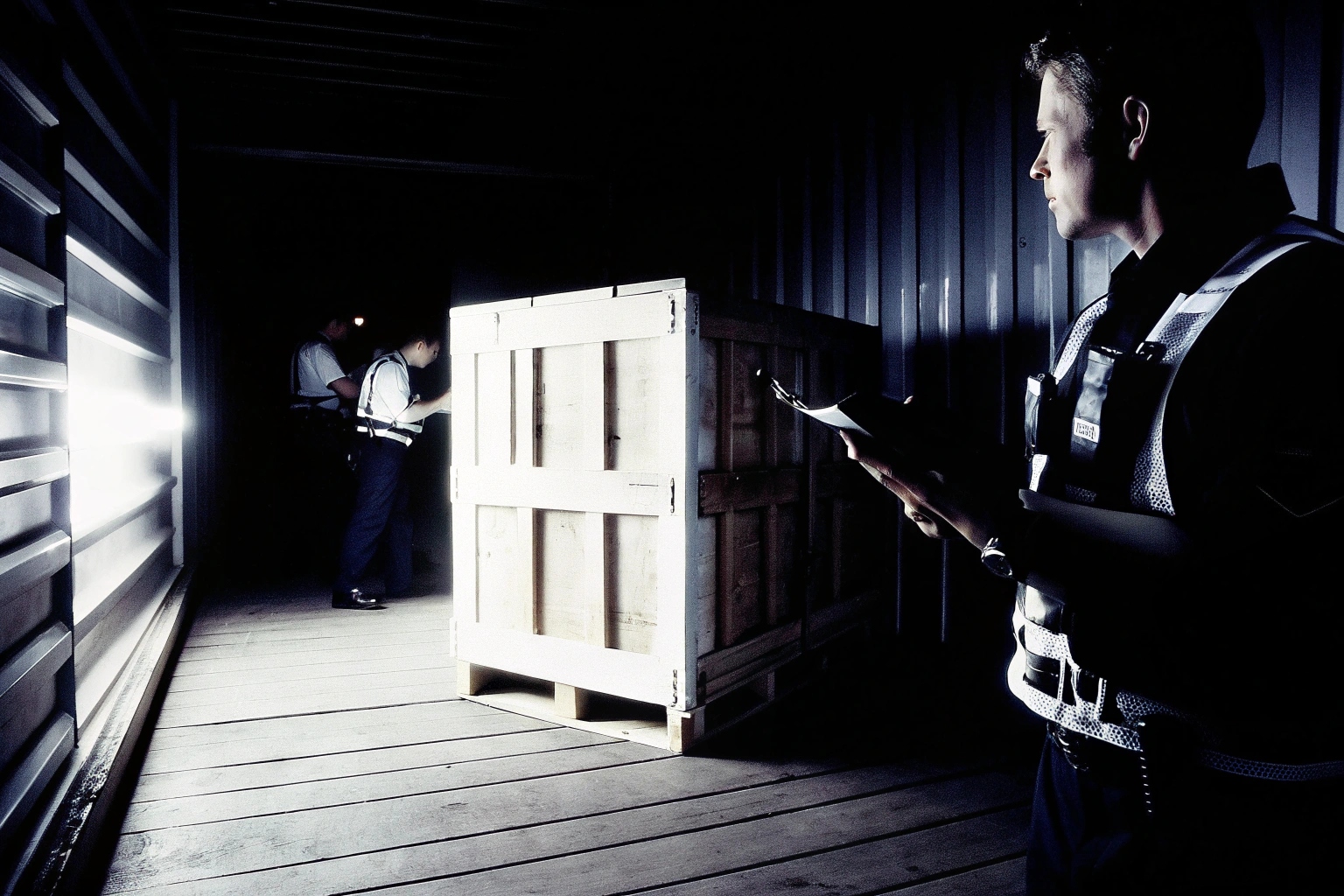
Handling Customs Rejection
Understanding the steps to take if confronted with customs rejection is vital:
-
Correction and Resubmission: Address labeling issues quickly. This might involve re-labeling under customs supervision before resubmission.
-
Special Duties and Penalties: Be prepared for potential additional duties or penalties that might apply for improperly labeled products.
-
Seek Expert Advice: Consulting customs brokers or legal advisors 10 at this stage can help navigate the process efficiently, mitigating financial and operational impacts.
Knowing how to react in these scenarios prepares you to handle them efficiently, ensuring minimal disruption to your operations.
Conclusion
Ensuring compliance with US labeling rules minimizes risks and facilitates smooth import processes. Collaborating with reliable suppliers and staying informed are key steps in achieving seamless operations.
Footnotes
1. Official guide to US import requirements for commercial goods. ↩︎
2. CBP guidelines on country of origin marking and packaging. ↩︎
3. Best practices for permanently marking metal components for import. ↩︎
4. Comparison of permanent marking techniques for industrial parts. ↩︎
5. Legal definition of the ‘ultimate purchaser’ in US import law. ↩︎
6. ISO standards guide for common shipping and handling pictograms. ↩︎
7. DOT and IMO regulations for shipping heavy machinery parts. ↩︎
8. How to obtain and verify a Certificate of Compliance (CoC) from suppliers. ↩︎
9. CBP procedures for handling non-compliant goods at the port of entry. ↩︎
10. The role of a licensed customs broker in resolving import disputes. ↩︎