
Establishing trust with a new supplier can be daunting, especially when sourcing critical undercarriage parts for excavators & bulldozer from China 1. I’ve been there with my own hesitations.
Providing references or case studies is indeed a possibility with many seasoned Chinese suppliers. These documents prove their reliability and success in supplying to distributors like yourself across North America. As suppliers make more efforts to build long-term relationships with US businesses 2, you’d be likely to see proof of quality, reliability, and satisfaction.
Requesting references is due diligence 3, standard in business practices to ensure transparency. Let’s dive into how you can obtain these vital insights from your supplier.
Building trust hinges on knowing who else your supplier has successfully served. I’ve wondered how much I can learn from others’ experiences.
Sharing contact information of current customers might not be straightforward. Suppliers often fear competitive pressures, or they’re bound by confidentiality agreements 4. Instead, you might receive anonymized case studies 5, which highlight measurable successes without breaching privacy.
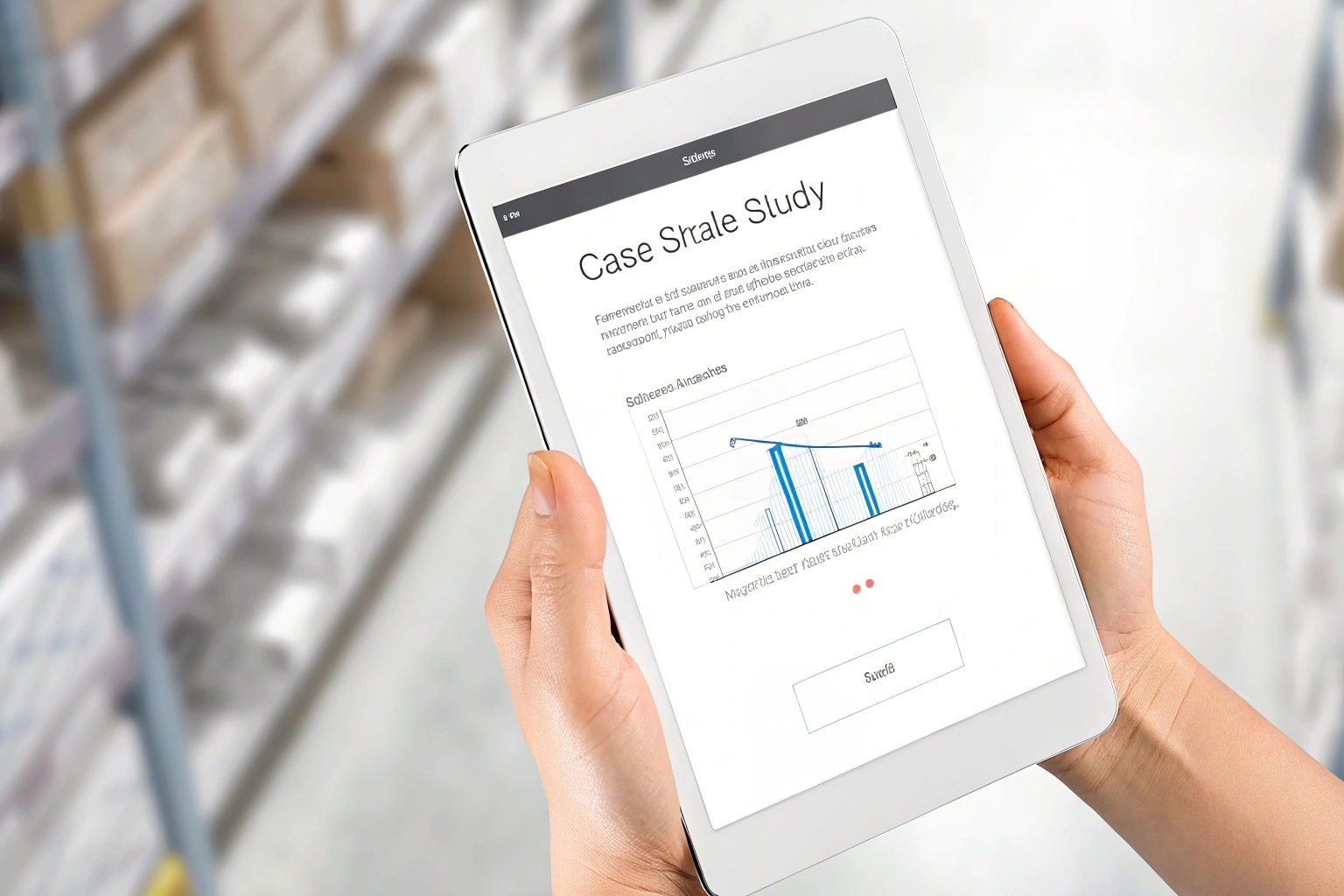
When you request such information, you should consider third-party audits 6 or factory visit reports. These alternative methods provide solid proof of a supplier’s reliability. Checking a supplier’s verified status on platforms like Alibaba 7 can also shed light on their transaction history and credibility.
Can You Show Me Examples of Parts You’ve Made for Distributors in My Industry?
Understanding what a supplier has previously delivered is crucial for making informed purchasing decisions.
It is common for suppliers to offer concrete examples of parts manufactured for industry distributors. They’ll showcase specific examples that illustrate their capability to meet high standards in product performance and distributor satisfaction.

A supplier may provide detailed product catalogs or sample performance data. These insights help illustrate the durability and functionality. Larger suppliers might share extensive case studies due to their significant transaction volumes. When these documents include test results or material reports 8, they prove adherence to quality.
How Do You Protect the Confidentiality of Your OEM and Private Label Customers?
Confidentiality is key in protecting business interests for every supplier and client. I’ve questioned how businesses secure this essential trust.
Chinese suppliers generally follow stringent confidentiality practices to protect their OEM and private label clients. While they may not disclose specific client lists, they often present general testimonials or success summaries to highlight reliability.

These summaries focus on the benefits experienced by different distributors. Suppliers might offer references from other non-competing regions, ensuring valuable insights without breaching trust. Any comprehensive case study will require signing NDAs 9 to safeguard sensitive data. This process ensures that business confidentiality remains intact.
Do You Have Any Testimonials I Can Review?
Testimonials are powerful in demonstrating a supplier’s credibility and delivery efficacy.
You’d often find testimonials showcasing experiences from various distributors. These are integral in assuring potential clients about the supplier’s commitment to delivering quality products. With the focus primarily on product performance and client satisfaction, testimonials are readily available through general documents instead of direct client contacts.

Suppliers keen on developing in the North American market are likely to share testimonials or success summaries from industry leaders. Testimonials often include specifics such as delivery timelines, product durability, and post-sales support 10.
Conclusion
Chinese suppliers with a robust international presence can often provide references and case studies under controlled conditions. These insights help gauge their suitability in meeting your business needs.
Footnotes
1. A guide on the best practices for sourcing heavy machinery parts from China. ↩︎
2. Strategies for effective supplier relationship management (SRM) in global trade. ↩︎
3. A comprehensive checklist for conducting supplier due diligence and verification. ↩︎
4. Learn how confidentiality agreements protect intellectual property in international sourcing. ↩︎
5. How B2B case studies demonstrate supplier capability without compromising privacy. ↩︎
6. The role and process of third-party factory audits for quality assurance. ↩︎
7. Details on what Alibaba’s "Verified Supplier" status means for buyers. ↩︎
8. Understanding the importance of material test reports for parts quality. ↩︎
9. A guide to using Non-Disclosure Agreements (NDAs) with manufacturers. ↩︎
10. What to expect from and how to evaluate a supplier’s post-sales support. ↩︎