

When considering a new supplier, I often find myself scrutinizing the credibility and reliability of their operations. A factory audit provides a firsthand glimpse into their processes and quality control 1. It is essential for validating the supplier’s capabilities and for ensuring that their quality standards align with my own expectations.
Yes, you can perform an in-person or virtual factory audit of your Chinese supplier. In-person audits give a direct view into their facilities and operations. Virtual audits, on the other hand, are increasingly popular and use video conferencing tools. Both methodologies have their merits and can be effectively employed based on your specific needs.
The choice between an in-person or virtual audit 2 depends on several factors, including logistical convenience and the current global situation, such as pandemic-related travel restrictions 3. In-person audits provide a clearer insight into operational nuances and allow for direct communication with the supplier’s team.
What key areas (e.g., heat treatment, assembly, QC lab) can I inspect during an audit?
In assessing a supplier’s capabilities, examining key areas of their operations is crucial. It’s important to know what specific sections of the production process hold the most weight.
One can inspect various critical areas during an audit, such as heat treatment sections, assembly lines, and quality control labs. Observing these areas firsthand will reveal the supplier’s adherence to industry standards 4 and their commitment to quality assurance protocols.
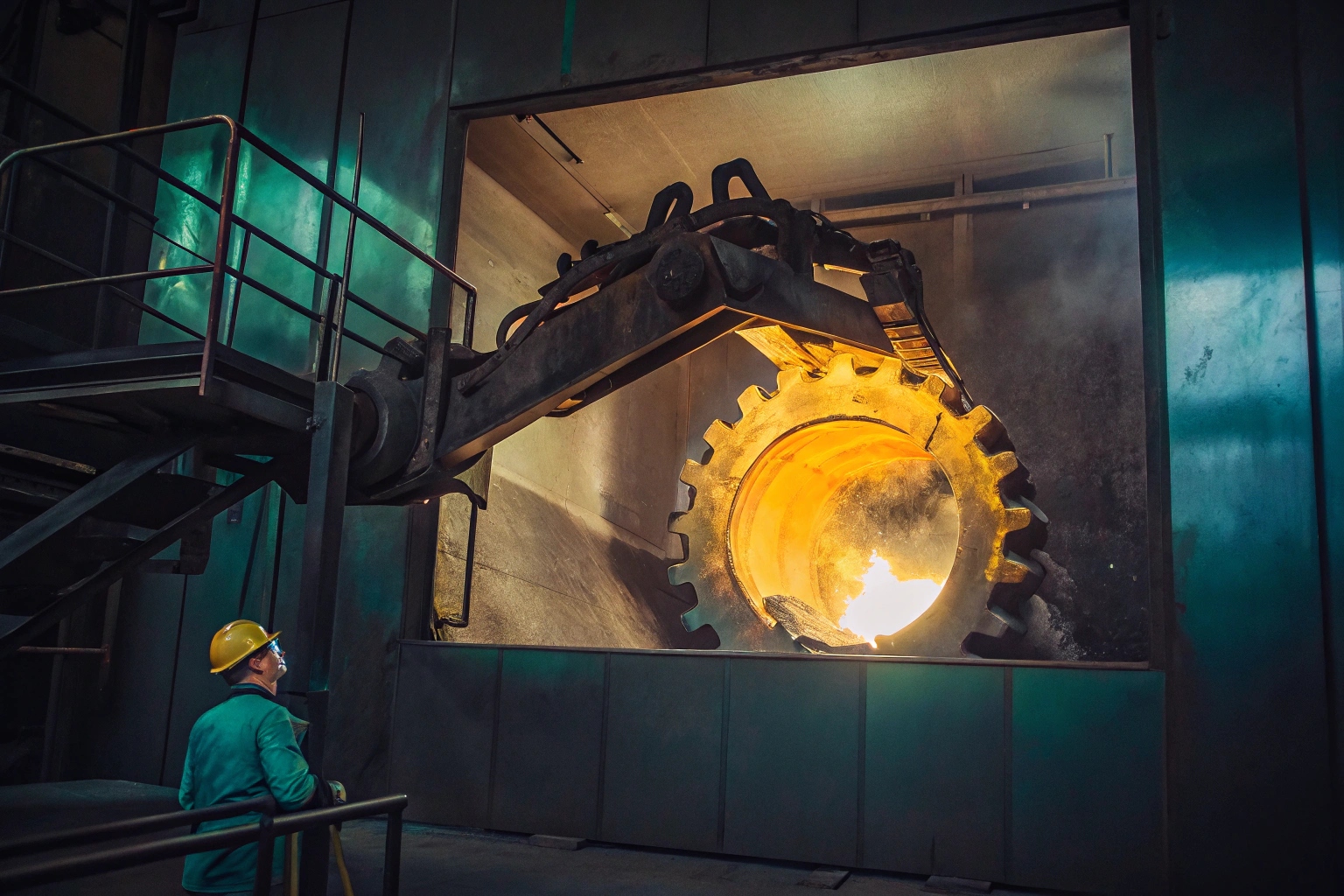
By diving into these areas, you’ll see how material traceability 5 is maintained, especially for undercarriage parts for excavators & bulldozer where steel grades and forging processes are key. The heat treatment section is particularly vital; it should exhibit precision in controlling temperature and time parameters. Assembly lines should demonstrate rigorous checks, from initial assembly to final inspection, ensuring components fit perfectly. QC labs need to perform material hardness tests and non-destructive testing 6 accurately, confirming product reliability.
-
Table: Key Areas to Inspect During Factory Audit
Area Focus Importance Heat Treatment Temperature & Time Control Ensures material durability Assembly Line Precision in Assembly Confirms part compatibility & accuracy QC Lab Material Hardness & NDT Verifies product reliabilty & safety standards
Can I review your ISO 9001 certification and internal audit reports?
Understanding how a supplier adheres to global standards is crucial. Personally, these documents offer a window into their operational discipline and commitment to continuous improvement.
You can review ISO 9001 certifications and internal audit reports. These documents are typically available to buyers, providing insights into the supplier’s quality management systems and compliance with international standards.
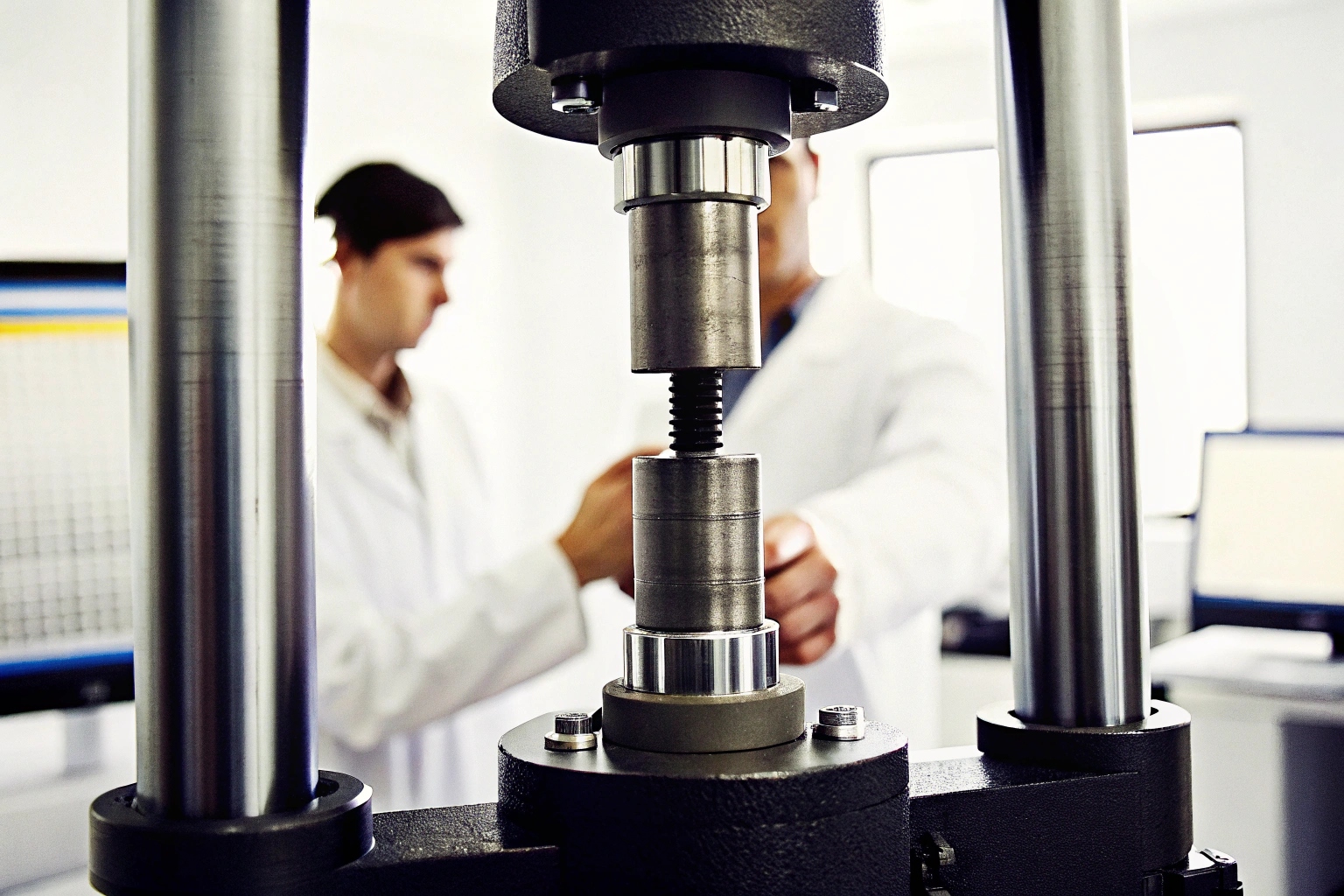
To delve deeper, ISO 9001 certification 7 stands as a testament to their robust quality management systems 8. It’s an assurance that processes are standardized to meet regulatory requirements consistently. Internal audit reports reveal day-to-day operations and identify areas for improvement, showcasing their commitment to quality. Reviewing these documents during your audit provides a comprehensive view of the supplier’s operational integrity.
-
Table: Audit Report Review
Document Type Insights Gained Purpose ISO 9001 Cert. Compliance with International Standards Ensures consistent quality management Internal Audit Daily Operational Insights Identifies improvement opportunities
How much advance notice do I need to give to schedule a factory visit?
Scheduling audits necessitates communication planning. Personally, understanding the required lead time helps me align logistics with both parties involved.
Advance notice for factory visits varies, but typically 30 to 60 days is required. This allows suppliers ample time to organize necessary personnel and ensure that key areas are accessible during your visit.

In-depth understanding here lies in the logistical coordination 9 between parties. Adequate notice allows the supplier enough time to coordinate schedules and arrange for key personnel to be available. It’s crucial for aligning expectations ahead of the visit, ensuring comprehensive access to all necessary areas of evaluation.
Are your technical and quality managers available to answer my questions during the audit?
Clarifying roles and responsibilities during an audit is foundational. I find immense value in direct communication with those responsible for the processes.
Generally, technical and quality managers are available to answer questions during audits. Their insights are pivotal to understanding technical capabilities and quality assurance methodologies in practice.

Detailed exploration reveals that these personnel are instrumental for providing on-the-ground insights during an audit. Their knowledge facilitates deeper understanding of the processes, from manufacturing specifics to quality control implementation. Clarity from managers ensures that your audit goes beyond surface-level inspection, offering a detailed look at the supplier’s operational integrity 10.
Conclusion
Conducting a factory audit—be it virtual or in-person—ensures transparency and validates the supplier’s operational capabilities. This approach reinforces a reliable decision-making process regarding partnerships.
Footnotes
1. Learn about the fundamentals and tools of quality control. ↩︎
2. Guide to conducting effective virtual audits for suppliers. ↩︎
3. See current global travel restrictions and health guidelines. ↩︎
4. Explore the role of international industry standards in manufacturing. ↩︎
5. Understand the importance of material traceability in supply chains. ↩︎
6. Explanation of non-destructive testing (NDT) methods and uses. ↩︎
7. Official overview of the ISO 9001 quality management standard. ↩︎
8. What is a Quality Management System (QMS) and its components. ↩︎
9. Insights into the importance of effective logistical coordination. ↩︎
10. Define operational integrity and its role in risk management. ↩︎