
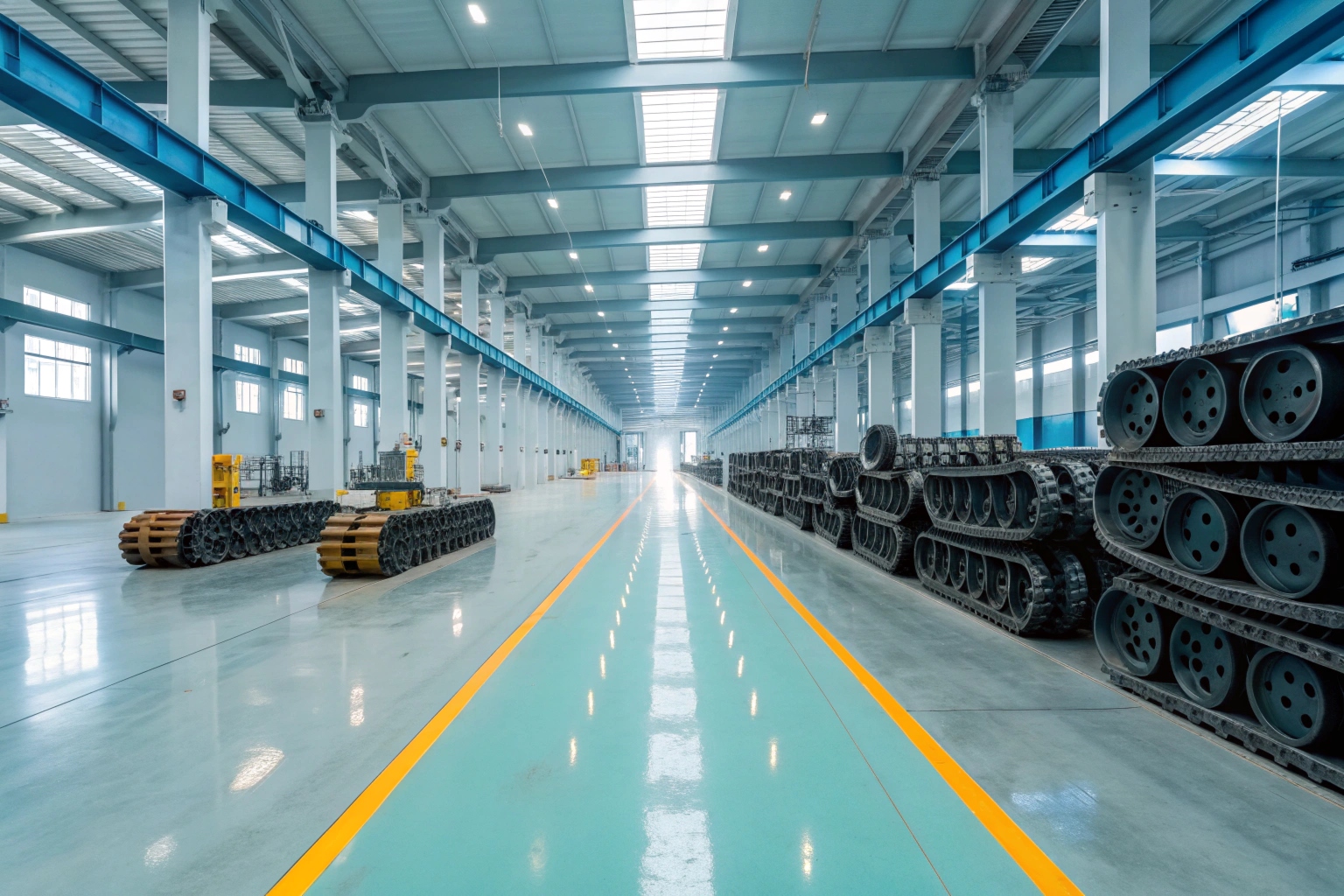
I know how stressful it is to manage a supply chain 1 when your customers demand both low prices and high ethical standards.
ISO 14001 and ISO 45001 are not legal requirements for importing parts, but they are essential filters. They prove your supplier manages environmental impact and worker safety, protecting your brand from hidden liabilities.
If you ignore these standards, you might save a few cents today, but you risk losing your biggest clients tomorrow. Let’s look at why these certifications are becoming the new standard for reliable undercarriage parts.
How do these certifications reduce my ESG risk?
I have seen many US buyers worry about greenwashing 2 when they source from overseas markets.
These certifications directly lower ESG risk by mandating structured control over pollution and workplace hazards. They ensure your undercarriage parts aren’t produced at the cost of the environment or human safety.
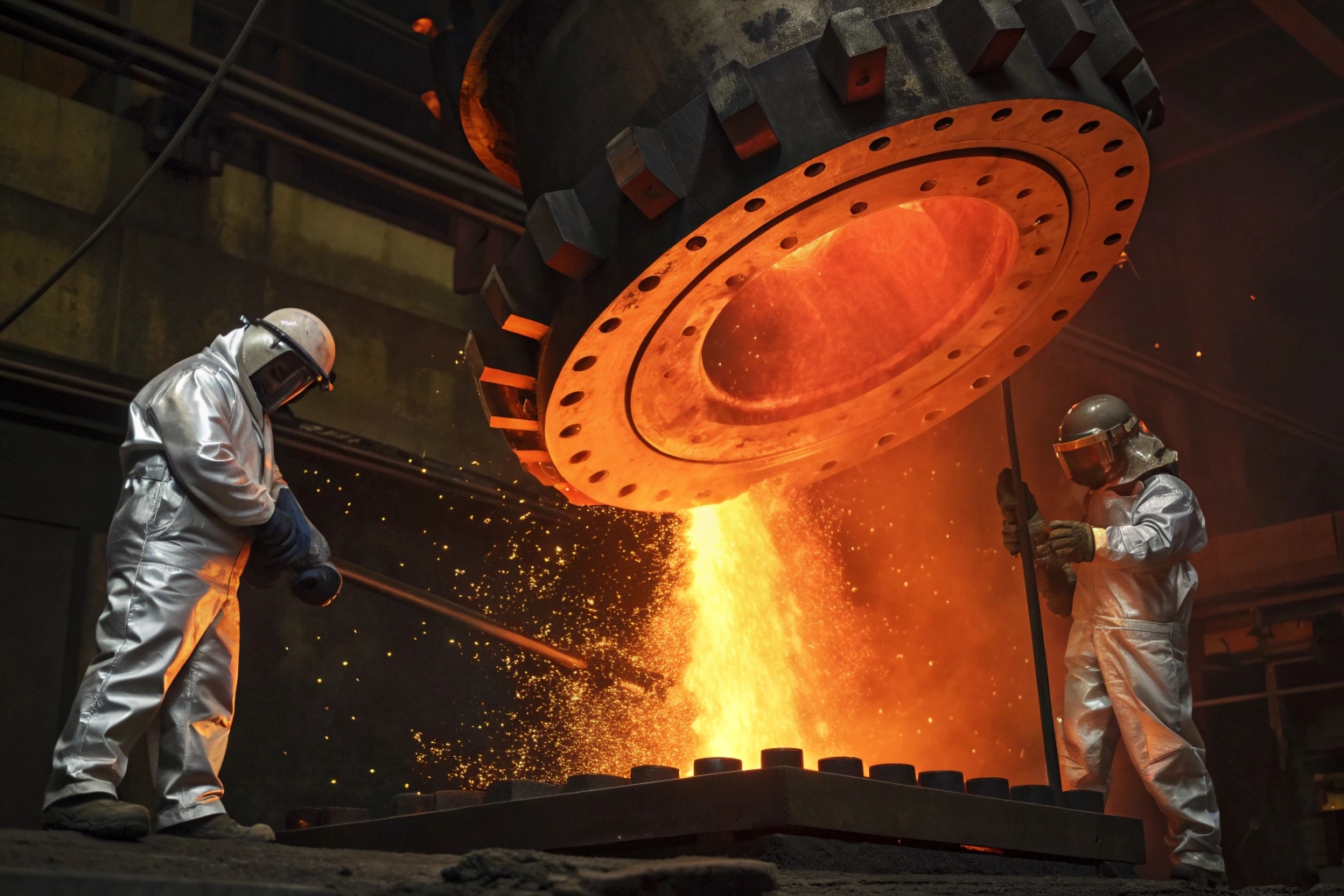
When we talk about ESG (Environmental, Social, and Governance) 3 risks in the heavy machinery industry, we are dealing with a dirty business. Manufacturing track chains, rollers, and idlers involves heavy forging, heat treatment, and painting. These processes use huge amounts of energy, oil, and chemicals. If your supplier does not manage this well, the risk passes directly to you.
The Connection Between Pollution and Supply Stability
First, let’s look at the "E" in ESG. In China, environmental regulations are very strict now. A factory without ISO 14001 (Environmental Management) 4 is a target for government shutdowns. If your supplier dumps waste oil from the quenching process into the ground, local authorities will shut them down.
If that happens, your container does not ship. You have to tell your customer that their track groups are delayed indefinitely. ISO 14001 reduces this risk. It proves the factory has a legal system to handle waste. It means they are stable.
Worker Safety and Product Quality
Second, let’s look at the "S" (Social) aspect via ISO 45001 (Occupational Health and Safety) 5. You might ask, "Grace, why do I care about safety in a factory in Fujian?" You should care because safety equals consistency. Manufacturing undercarriage parts is dangerous. We handle red-hot steel and heavy hydraulic presses.
If a factory has a poor safety record, they have high staff turnover. Experienced workers leave, and new, untrained workers take over. This is when quality issues happen. A new worker might miss a step in the tempering process. A certified factory keeps its workers safe and happy. This keeps the skilled team together, ensuring your drive sprockets fit perfectly every time.
Assessing the Risks
Here is a breakdown of how a certified supplier compares to a non-certified one regarding your business risks.
| Risk Category | Non-Certified Supplier Scenario | ISO 14001/45001 Certified Supplier Scenario |
|---|---|---|
| Regulatory Risk | High risk of sudden factory closure due to environmental violations. | Low risk; processes are audited and comply with local laws. |
| Quality Consistency | High turnover due to injury leads to batch-to-batch variation. | Stable workforce ensures consistent heat treatment and machining. |
| Brand Reputation | If pollution scandals surface, your brand looks unethical. | You have proof of due diligence to show your stakeholders. |
| Cost Stability | Prices may spike if they are fined or forced to upgrade rapidly. | Costs are predictable as compliance is already budgeted. |
Should I audit waste and safety practices onsite?
You might think a certificate on the wall is enough proof, but paper does not always match reality.
You should absolutely audit waste and safety practices onsite, even with certified suppliers. Physical audits verify that the daily reality matches the paperwork, ensuring long-term consistency in your supply chain.

Trust is good, but verification is better. In my twenty years in this industry, I have seen factories that buy certificates but do not change their habits. If you or your agent visits a factory in China, you need to look beyond the shiny showroom. You need to walk into the dirty corners of the workshop.
What to Look for in the Heat Treatment Area
The heat treatment 6 area is the heart of undercarriage manufacturing. It determines the hardness of your rollers and links. It is also the most dangerous area. When you audit, look at the workers. Are they wearing protective gear? Are there clear walking paths?
If the shop floor is chaotic and oily, it is a bad sign. It means they do not respect ISO 45001. If they do not respect safety, they probably do not respect the precise temperature controls needed for your parts. A clean, safe floor usually means a disciplined production line.
Checking Waste Management Systems
For ISO 14001, ask to see where the waste goes. We use a lot of cutting fluid and hydraulic oil. Where is it stored?
- Look for leaks: Are the oil drums sitting on bare ground, or are they on spill containment pallets?
- Check the labels: Are hazardous chemicals 7 clearly marked?
- Ask for receipts: A real ISO 14001 factory pays licensed companies to take waste away. Ask to see the transfer receipts.
If a supplier cannot show you where the waste oil goes, they are likely dumping it. This is a ticking time bomb for your supply chain. An audit reveals these secrets. It gives you peace of mind that the certificate is real.
Audit Checklist for Undercarriage Factories
Use this simple checklist when you or your team visits a potential partner.
| Inspection Area | specific Items to Check | What it Tells You |
|---|---|---|
| Painting Line | Air filtration systems and water curtains. | Compliance with air emission standards (ISO 14001). |
| Machining Workshop | Metal scrap collection and coolant recycling. | Efficiency and waste reduction mindset. |
| Heat Treatment | Fire extinguishers, ventilation, and PPE usage. | Commitment to worker safety (ISO 45001). |
| Chemical Storage | Secondary containment (drip trays) and signage. | Prevention of soil contamination risks. |
Do clients require EHS certifications in tenders?
Your biggest customers are likely asking for these documents right now, even if you haven’t noticed.
Yes, major mining companies and government entities now strictly require EHS certifications in tenders. Without them, your products may be disqualified from high-value projects regardless of their price or quality.
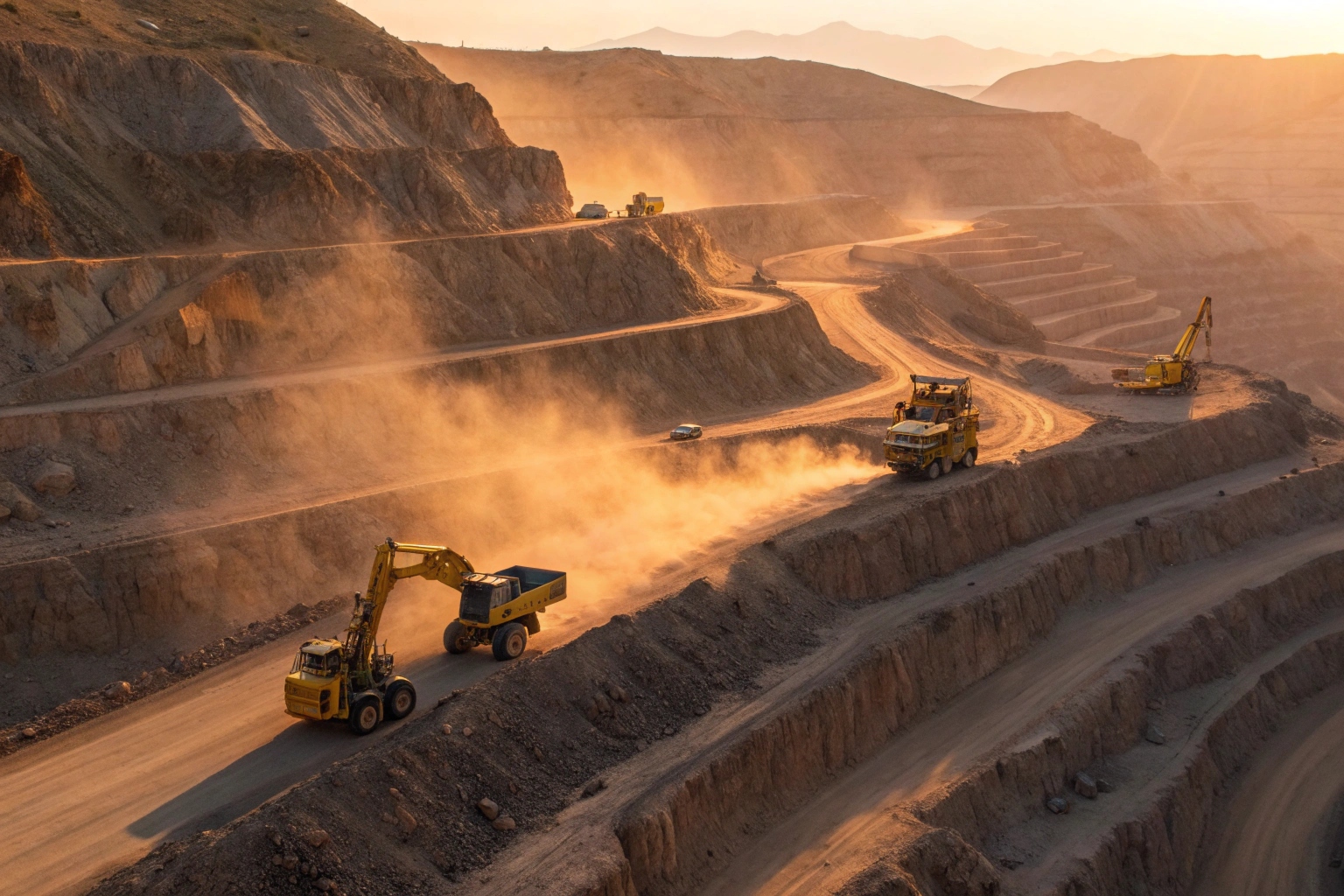
The market has changed. Ten years ago, price was the only thing that mattered. Today, the big players—like global mining corporations, large rental fleets, and government construction projects—have strict "Gatekeeper" policies. They cannot hire you if you are a liability.
The "Trickle-Down" Effect of Compliance
You might sell to a distributor who sells to a mine. You might think, "I am not the one bidding on the mine contract, so I don’t need ISO." This is wrong.
When a large mining company (like Rio Tinto or BHP) issues a tender, they require their Tier 1 suppliers to prove their entire supply chain is clean. Your customer (the distributor) has to submit proof of manufacturer compliance. If you cannot provide ISO 14001 and ISO 45001 certificates from your factory (Dingtai), your customer will lose the bid. Or, they will switch to a supplier who can provide them.
Government and Infrastructure Projects
In the United States and Europe, infrastructure bills often come with Green Procurement 8 rules. This means public money must be spent on sustainable goods.
If you want your aftermarket parts to be used on highway projects or public works, you need these badges. I have had customers lose massive bids because they could not upload a simple PDF of their factory’s environmental certification. Do not let paperwork be the reason you lose a million-dollar deal.
Specific Requirements by Customer Type
Different customers value these certifications differently. Understanding this helps you pitch your products better.
| Customer Type | Priority Level | Reason for Requirement |
|---|---|---|
| OEMs (e.g., CAT, Komatsu) | Mandatory | Zero tolerance for supply chain risk; protects their global brand image. |
| Large Mining Groups | Mandatory | strict safety laws on mine sites; fear of environmental lawsuits. |
| Govt. Contractors | High | Legal requirements for public spending transparency and sustainability. |
| Small Repair Shops | Low | Primarily focused on price and immediate availability. |
Can I get annual sustainability reports?
Data is the new currency in global trade, especially when it comes to carbon footprints.
You can and should request annual sustainability reports to track Scope 3 emissions. Top-tier Chinese manufacturers now track this data to help global partners meet their carbon reduction goals.
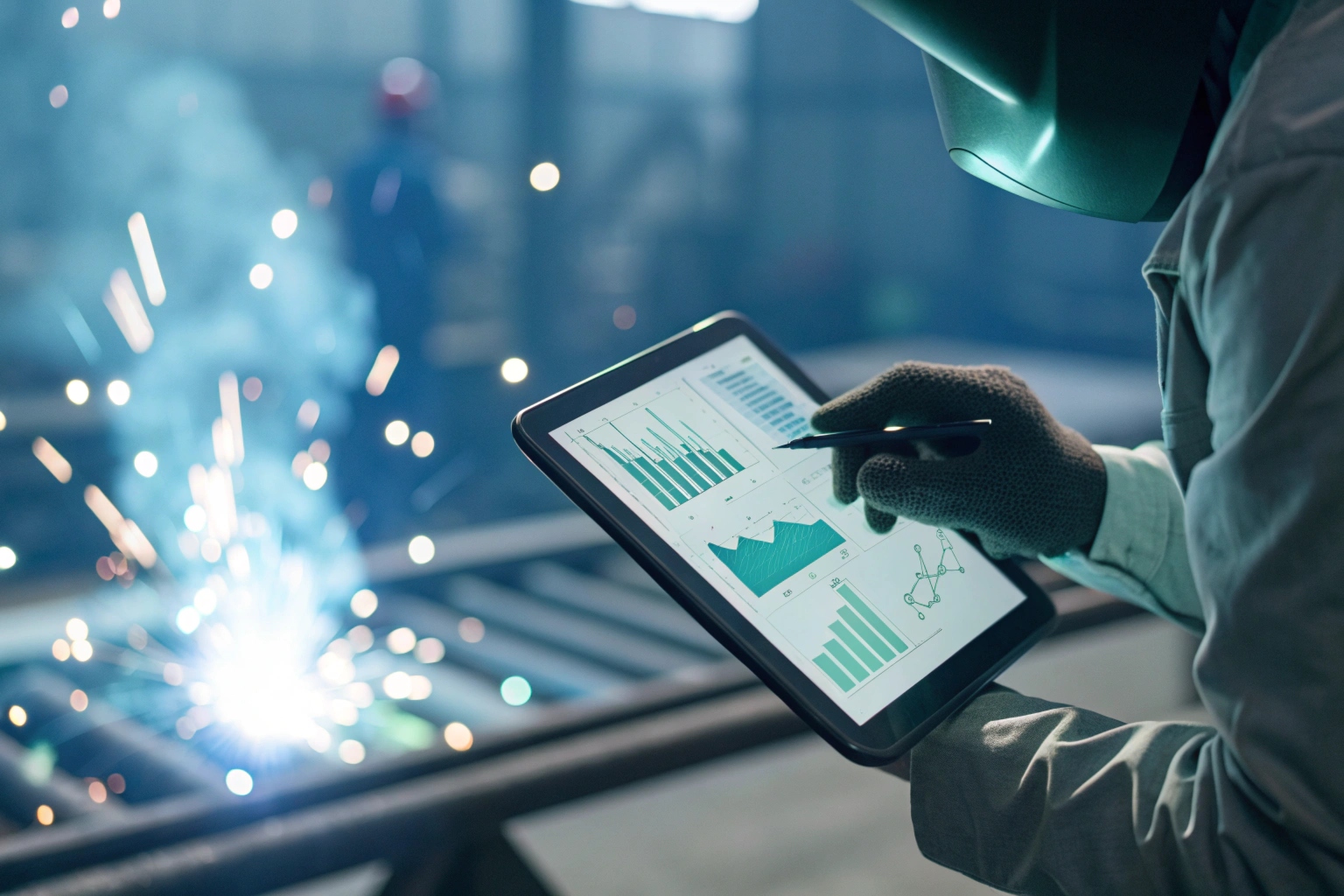
We are entering a new era of data transparency. It is no longer enough to just say "we are green." You need numbers. This is where the concept of Scope 3 emissions 9 comes in.
Understanding Scope 3 in Manufacturing
Scope 1 and 2 are the emissions your company produces directly. Scope 3 covers the emissions from your supply chain—that means me, your manufacturer.
Many of your larger clients in the US have made public pledges to be "Carbon Neutral by 2030." They cannot do this unless they know the carbon footprint 10 of the steel rollers they buy from you. They need to know how much electricity we used to forge that link. They need to know how much gas we burned to heat treat that idler.
What a Good Report Looks Like
A professional manufacturer in China should be able to give you a basic sustainability report. It does not need to be a 100-page book. It should be a simple data sheet that covers:
- Energy Mix: What percentage of the factory’s power comes from solar vs. coal? (At Dingtai, we are moving towards more renewable sources).
- Material Recycling: How many tons of scrap steel were recycled back into the process?
- Water Usage: How much water was recycled in the cooling systems?
How This Helps You Sell
Having this data is a powerful sales tool. Imagine you are pitching to a large construction firm in California. Your competitor offers a good price. You offer a good price plus a report showing that your parts have a 20% lower carbon footprint because your factory uses solar energy.
You win that deal. You win it because you solved a problem for their sustainability officer. By asking us for these reports, you are not just checking a box. You are building a database that makes your company more valuable than a simple "box mover."
Conclusion
ISO 14001 and ISO 45001 are not just fancy badges. They are your insurance policy against supply chain disruption and your ticket to higher-value contracts. By choosing certified partners, you build a safer, cleaner, and more profitable business.
Footnotes
1. Overview of supply chain management processes, strategies, and optimization. ↩︎
2. Definition of deceptive marketing regarding environmental practices and claims. ↩︎
3. Criteria used to evaluate corporate sustainability and ethical impact. ↩︎
4. Official standard for effective environmental management systems and requirements. ↩︎
5. Global standard for ensuring workplace health and safety protocols. ↩︎
6. Industrial process used to alter metal properties for durability. ↩︎
7. Guidelines for identifying and handling dangerous workplace substances safely. ↩︎
8. Federal guidelines for purchasing environmentally preferable products and services. ↩︎
9. Explanation of indirect emissions occurring in the value chain. ↩︎
10. Measure of total greenhouse gases generated by individual actions. ↩︎