
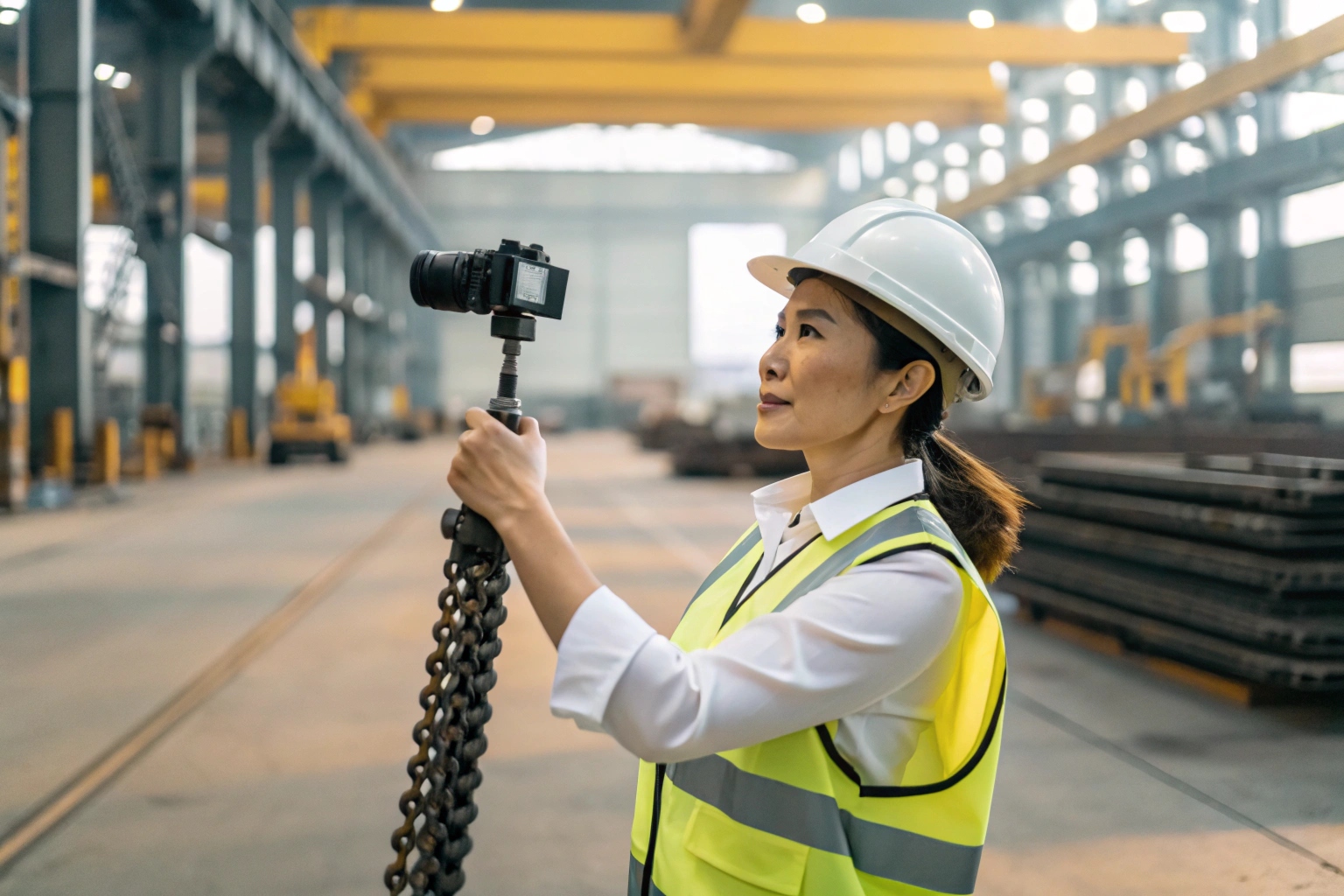
Sourcing excavator undercarriage parts 1 from overseas feels risky when you cannot walk the factory floor yourself. You worry about quality consistency and hidden defects. I offer transparent video audits to solve this.
Yes, you can arrange video audits and live streaming for excavator undercarriage parts. At Dingtai, we support scheduled virtual tours of production lines and real-time streaming of key processes. This ensures you see the quality control and manufacturing steps before shipping without needing to travel.
Let me walk you through exactly how we set this up and what you should look for to ensure total transparency.
What platforms work best for live audits?
Connection drops during an important audit are frustrating and waste your time. You need a stable tool to see every detail clearly. We use the most reliable platforms for you.
We recommend platforms like Zoom, Microsoft Teams, or WeChat for live audits. These tools offer high-definition video and screen sharing. For formal inspections, we can also use specialized third-party inspection software that allows for real-time annotation and recording of the session.
When we plan a remote audit for your undercarriage parts, the software we choose matters a lot. It is not just about video; it is about trust and clarity. In my experience at Dingtai, different clients prefer different tools, but we must choose one that works well inside China and outside in the US or Europe.
First, we need to think about stability. Here in China, some western apps can be slow because of internet walls 2. However, Zoom and Microsoft Teams usually work very well for business meetings. They allow us to share screens if we need to show you a digital report while we walk the floor. WeChat is another great option. It is what we use every day. It is very stable on mobile data (5G), which is important when I am walking around the noisy workshop showing you a track chain assembly.
I have listed the pros and cons of the common platforms we use below:
Comparison of Video Audit Platforms
| Platform | Best For | Pros | Cons |
|---|---|---|---|
| Zoom | Formal Audits | High video quality, easy to record, screen sharing. | Requires stable Wi-Fi, which can be hard in some factory corners. |
| Quick Checks | Extremely stable in China, easy mobile access. | Harder to record long sessions, lower video resolution. | |
| Teams | Corporate Teams | Integrates with your email/calendar, secure. | Heavy app, uses a lot of data and battery. |
| Informal Updates | Widely used globally, easy for you. | Often blocked or slow in China (needs VPN), causing lag. |
For a buyer like you, David, who values efficiency, I suggest we use Zoom for the kickoff meeting and document review. Then, we can switch to WeChat or a high-end mobile setup for the actual floor walk. This gives us the best mix of professional presentation and fluid movement through the factory. We want to make sure you see the steel cutting and the welding without the video freezing.
Also, consider the hardware. It is not just about the app. When I do these tours, I use a gimbal stabilizer 3. This is a device that holds the phone steady. Without it, walking through a factory makes the video shake. A shaky video makes it hard to see if a weld is smooth or rough. I want you to see the product, not get motion sickness. We also use noise-canceling microphones 4. Factories are loud. You want to hear my explanation of the forging process, not just the banging of hammers. These small tech details show that we are serious about your experience.
Finally, think about file sharing. After the live call, the audit is not over. You might want the recording to show your team. Zoom is great for this because it saves to the cloud. WeChat files can expire quickly. So, for the "official" record, we always back up the video to a secure cloud drive and send you a permanent link. This way, you have a record of exactly what we promised and what you saw.
Can I witness heat-treatment or assembly online?
You cannot check hardness depth with just a photo or a certificate. You fear soft steel that breaks early on the job site. I let you watch the hardening process live.
Yes, observing critical steps like heat treatment and final assembly is essential. We allow you to watch the furnace operations and track assembly via live video. This proves we follow the specific hardness standards and assembly protocols you requested for your order.
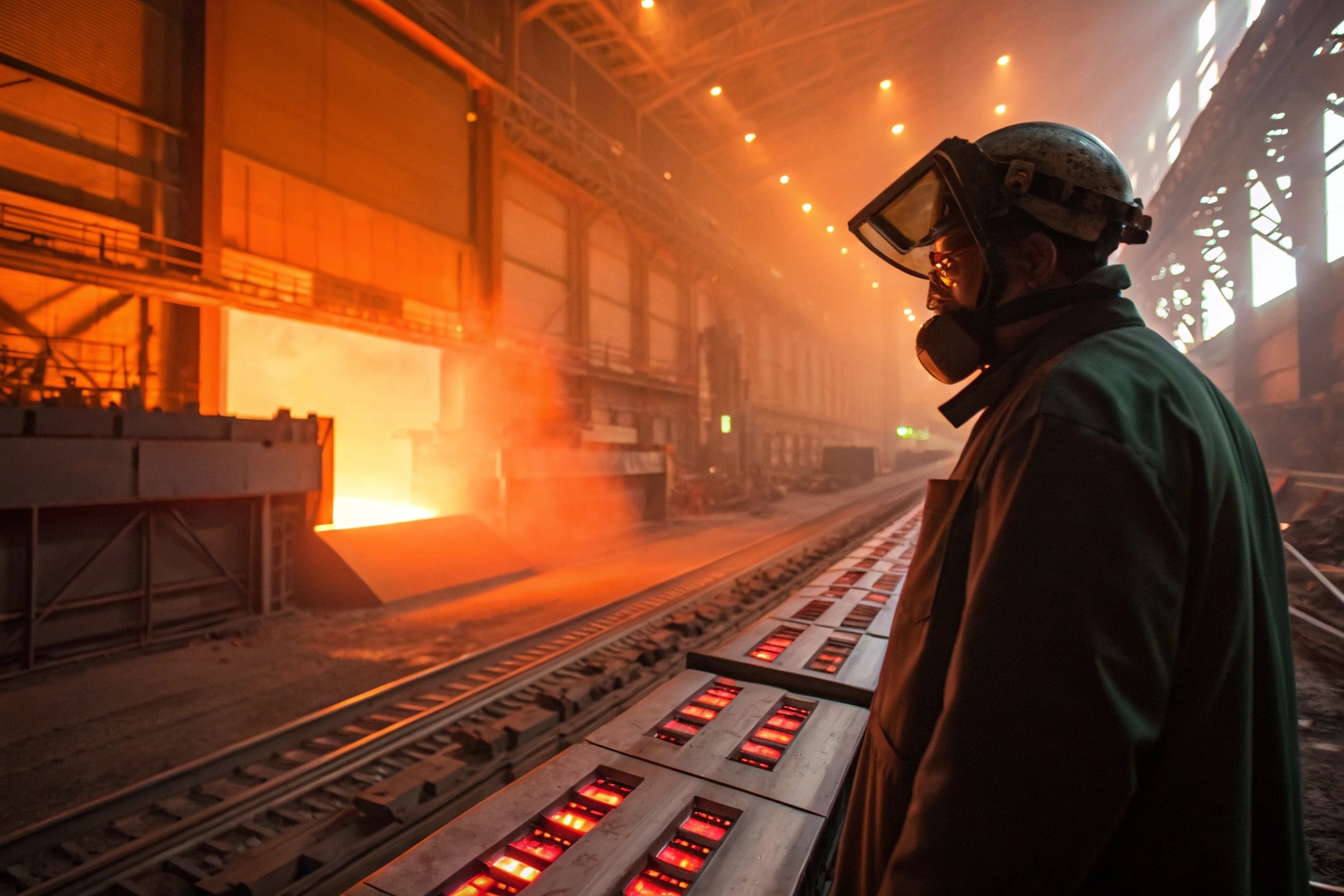
Heat treatment 5 is the heart of undercarriage parts. If the heat treatment is wrong, the part is useless. It does not matter how good the steel was originally. I know that for a professional like you, seeing the process is better than just reading a report. That is why I encourage my clients to watch this step.
When we stream the heat treatment, we focus on the details. We can point the camera at the control panel of the furnace. This lets you see the real-time temperature. You can verify that we are heating the track rollers 6 to the correct degree. We can also show you the quenching process. You can see the cooling time and the method we use. This transparency ensures that the deep hardening you paid for is actually happening.
For assembly, it is about precision. We can live stream the torque process. You can watch our technicians tighten the bolts on the track shoes. We can even zoom in on the torque wrench 7 dial so you can read the numbers yourself. This is very important for the longevity of the chain. If it is too loose, it falls off. If it is too tight, it snaps.
Here are the specific things we can inspect together via video:
Key Inspection Points for Live Streaming
| Component | What to Watch | Why it Matters |
|---|---|---|
| Track Rollers | Welding & Oil Filling | Ensures the seal is tight and no leaks will occur. |
| Sprockets | Teeth Hardening | Verifies the wear life of the drive teeth. |
| Track Chains | Pin & Bushing Pressing | Ensures the fit is tight to prevent early wear ("pitch extension"). |
| Idlers | Surface Polishing | Smooth surfaces prevent damage to the track links. |
I remember one time I took a phone right up to the pressure gauge during a pressure test for a tension cylinder. The client was in Texas. He saw the needle hold steady for 5 minutes. He told me that one video gave him more confidence than ten pages of PDF reports. We want to give you that same confidence.
Beyond just the gauges, watching the assembly process live tells you a lot about the culture of the factory. Watch how the workers handle the parts. Do they throw them? Or do they place them carefully? When they install the floating seals on a roller, are they wearing gloves to keep the seal clean? These are the small details that cause leaks later on. In a live stream, you can see these habits. You cannot see habits in a staged photo.
We can also do destructive testing 8 on a sample if you wish. We can take one link from your batch and cut it open live on camera. Then, we can apply acid to the cross-section. This reveals the hardened layer. You can see the depth of the hardening with your own eyes. It is a bit dramatic, but it is the ultimate proof. It shows we are not afraid to sacrifice a part to prove the quality of the whole batch. This level of openness is rare, but for a partner like you, it is standard procedure at Dingtai.
How do I verify date-stamped footage authenticity?
Prerecorded videos can be faked or reused from old orders. You need to know the footage is from today, right now. I use simple tricks to prove the date.
Verification is easy with the right requests. Ask us to show a current newspaper, a specific live news website, or write a unique code on a whiteboard during the stream. We also provide unedited raw files with metadata that confirms the creation date.
Trust is good, but verification is better. In the digital age, anyone can send you a video file and claim it was shot today. But you need to be 100% sure that the carrier rollers you are looking at are your rollers, on the production line today.
I use a "Proof of Life" concept for our products. It sounds funny, like a hostage movie, but it works. When we start a live stream or record a video for you, we can do a few simple things. I can hold up a phone showing the current time and date from a neutral website, like time.is. Or, I can write a code word that you give me at the start of the call on a piece of paper and place it next to the parts. This makes it impossible to use old footage.
For recorded videos that I send to you later, we keep the metadata intact. Every digital video file has EXIF data 9. This data tells you the exact date, time, and even the GPS location where the video was taken. You can right-click the file on your computer and see this info. We never edit this out.
Methods to Verify Footage Authenticity
| Method | How it Works | Reliability Level |
|---|---|---|
| Live News/Time Site | I show a live news site (CNN, BBC) on screen. | High – Very hard to fake in real-time. |
| Unique Code/Phrase | You give me a random word (e.g., "Blue Sky") to write down. | High – Impossible to prerecord. |
| GPS Metadata | We send raw files; you check properties. | Medium – Can be edited by experts, but we don’t. |
| Visual Landmarks | Showing specific weather or factory changes. | Low – Hard for you to verify from abroad. |
Also, I recommend "continuous shot" videos. If I am showing you a defect check, I will not cut the camera. I will walk from the part to the testing machine in one take. Cuts in the video can hide things. A long, boring, unedited video is actually the most honest video. It shows you we have nothing to hide.
Another good trick is to ask to see the shipping marks. Before we start filming the product details, ask me to film the box or pallet label first. The label should have your company name and the current order number on it. Then, without stopping the video, I pan the camera to the parts inside that specific box. This connects the high-quality part you see on the screen directly to your specific order. It proves I am not just showing you a "golden sample" kept in the office for show-and-tell.
We can also use background noise as verification. It sounds strange, but if you have visited us before, or if you know the local weather, it helps. If it is raining heavily in Fujian province, and you see sunshine outside the factory window in the video, something is wrong. While this is harder to use, it is part of the overall picture of truth. My goal is to make you feel like you are standing right next to me, checking your watch and looking at the production schedule yourself.
Will factories allow real-time floor access?
Many factories hide their mess and secrets behind closed doors. You wonder if they are hiding poor working conditions or outsourcing. My factory door is always open to you.
Most transparent manufacturers will grant real-time access, provided it is scheduled. We protect proprietary technology but allow full access to your specific production lines. We usually require 1 to 3 days of notice to prepare the safety gear and network setup.
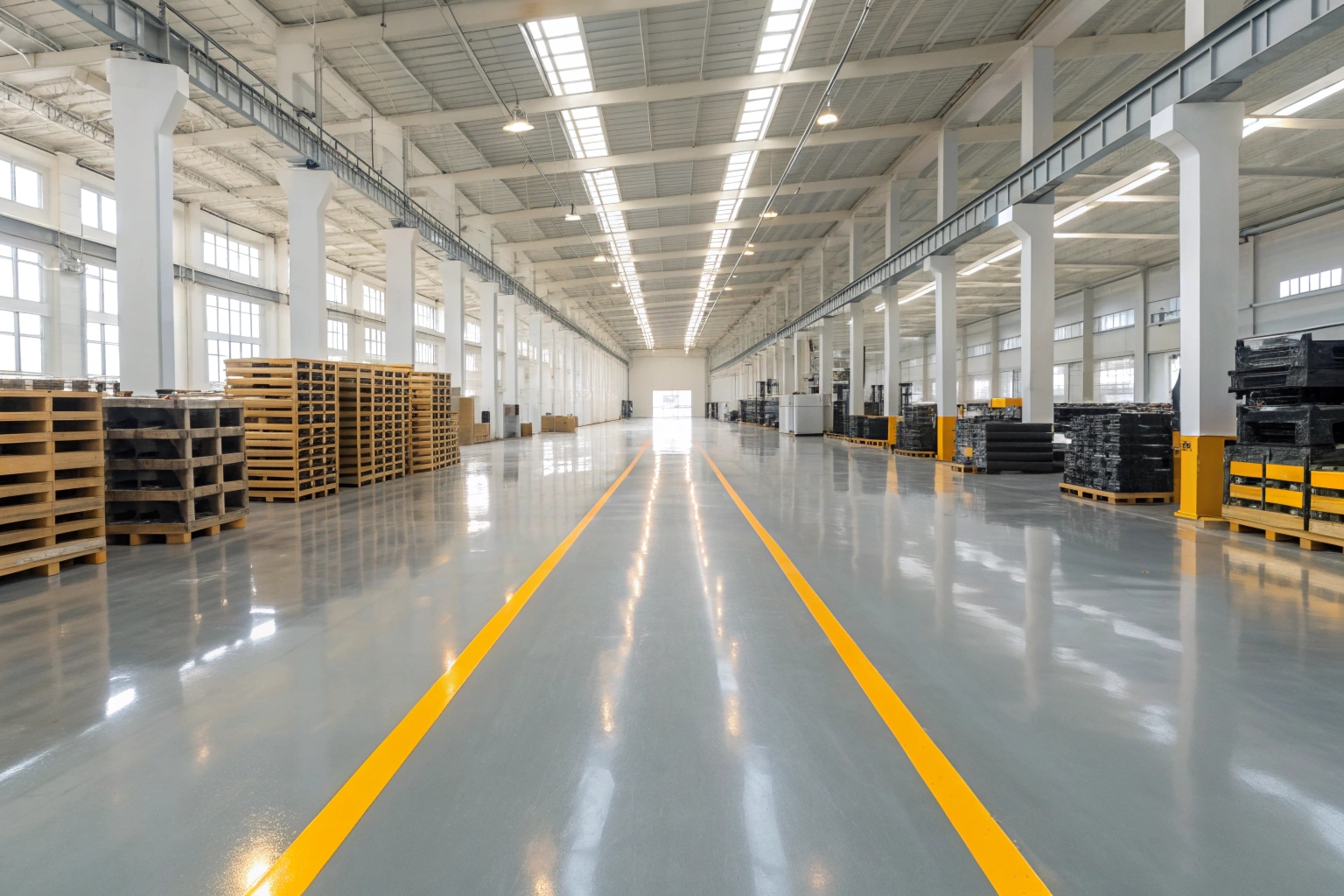
You might think factories in China are secretive. Some are. But at Dingtai, we operate like an "open kitchen" in a restaurant. We want you to see how the food is made. However, a live factory floor is a busy and dangerous place. There are forklifts moving, sparks flying from welders, and heavy steel being lifted.
Because of this, we cannot just turn on a camera 24/7 like a security feed. We need to schedule the visit. This is for safety and quality. I need to make sure the internet signal is strong in the specific area where your parts are. I also need to make sure a staff member is available to hold the camera safely while answering your questions.
We also have to respect the Intellectual Property 10 (IP) of other clients. If we are making a custom mold for a different brand next to your line, we might need to hang a curtain or angle the camera away. This is professional courtesy. We would do the same to protect your designs.
When we walk the floor, I want you to look at more than just the product. Look at the floor itself. Is it clean? Are the tools organized? A messy factory usually produces messy quality. You can tell a lot about a company by how they stack their scrap metal.
Checklist for a Virtual Floor Visit
- Safety Gear: Are the workers wearing helmets and safety boots?
- Organization: Are the aisles clear of debris?
- Maintenance: Do the machines look rusty or well-oiled?
- Storage: Are finished parts stored on pallets or on the dirt?
I invite you to ask to see the "ugly" parts of the factory too. Ask to see the scrap bin. Ask to see the raw material storage. A good manufacturer will walk you there without hesitation. If they say "no" or "internet is bad there," that is a red flag. I will take you wherever you want to go in our facility.
Furthermore, scheduling access allows us to prepare the "people" side of the audit. If you want to ask technical questions about the forging temperature or the quenching medium, I can arrange for our Chief Engineer to be present during the call. If we just do a surprise call, he might be in a meeting. By planning ahead, you get access not just to the machines, but to the brains behind the operation. You can ask him directly, "Why do you use this specific temperature?" and hear the answer from the expert, translated by me.
Finally, live access builds a relationship. When you see the faces of the people making your track groups, it changes things. You are not just buying from a company; you are buying from a team. You see the effort they put into lifting the heavy steel. You see the focus in their eyes when they measure the dimensions. This human connection is what makes long-term business work. It turns a transaction into a partnership. So, do not be shy. Ask for the tour. We are proud of our floor, and we want to show it off to you.
Conclusion
Video audits bridge the gap between us. They build trust, ensure quality, and save you money. Let’s schedule your live tour today.
Footnotes
1. Guide to essential undercarriage components for heavy machinery. ↩︎
2. Explanation of internet censorship affecting global connectivity. ↩︎
3. How gimbals stabilize cameras for smooth video recording. ↩︎
4. Technology that reduces background noise for clear audio. ↩︎
5. Industrial process heating metal to improve material hardness. ↩︎
6. Maintenance tips for excavator track rollers and idlers. ↩︎
7. Tool used for precise bolt tightening in assembly. ↩︎
8. Testing method analyzing material properties by breaking them. ↩︎
9. Metadata containing technical details of digital media files. ↩︎
10. Legal rights protecting business innovations and proprietary designs. ↩︎