

The metallurgical integrity 1 of undercarriage parts for excavators & bulldozer is crucial for their performance and durability. I often receive inquiries from customers wanting detailed reports to verify this. These documents can confirm if proper processes have been followed, ensuring longevity and reliability.
Metallurgical reports typically contain microstructure and heat treatment results 2, providing information on grain size, phase distribution, and other key attributes. These insights ensure that the parts will perform as expected under the rigors of use, maintaining a balance between wear resistance and core toughness 3.
Through comprehensive reports, customers can expect assurance that the materials and processes used meet high standards. Detailed information in these documents helps identify the quality and consistency necessary for prolonged wear life.
Does your lab perform micro-structure analysis to check grain size and carbide distribution?
Evaluating the microstructure is a crucial aspect of verifying the material characteristics of undercarriage parts for excavators & bulldozer. I’ve noticed that customers are keenly interested in understanding the composition and grain size as it affects performance.
Micro-structure analysis 4 investigates the grain size and carbide distribution in materials, which are critical for determining wear resistance and mechanical properties. These findings can verify the effectiveness of the heat treatment process and support vital decisions on material applications.

The microstructure analysis provides valuable information regarding material phases and distribution, which are essential in predicting performance under stress. This evaluation often considers factors like grain growth control 5, which ultimately influences mechanical properties. The analysis reveals potential inconsistencies that could affect part durability, providing insights for process improvements.
The following table summarizes typical data included in a microstructure analysis report:
| Attributes | Description | Importance _ |
| —————— | —————————————————- | —————————————————————- |
| Grain Size | Average size and distribution of grains | Influences mechanical strength and toughness |
| Carbide Distribution| Amount and distribution of carbides in matrix | Affects wear resistance and hardness |
| Phase Composition | Various phases of material | Determines mechanical properties like strength and flexibility |
| Microstructure Defects| Potential inclusions or inconsistencies | Indicate areas for process improvement and control |
What is the specified case depth and core hardness for my track pins and bushings?
Specification details like case depth and core hardness 6 are among the top concerns for ensuring component durability. I’ve found that these factors directly relate to the performance and longevity of track pins and bushings.
The specified case depth and core hardness for track pins and bushings ensure they can withstand stress and wear over time. This data helps in understanding the balance between outer surface hardness and the softer core areas, which impacts the component’s fatigue resistance 7.
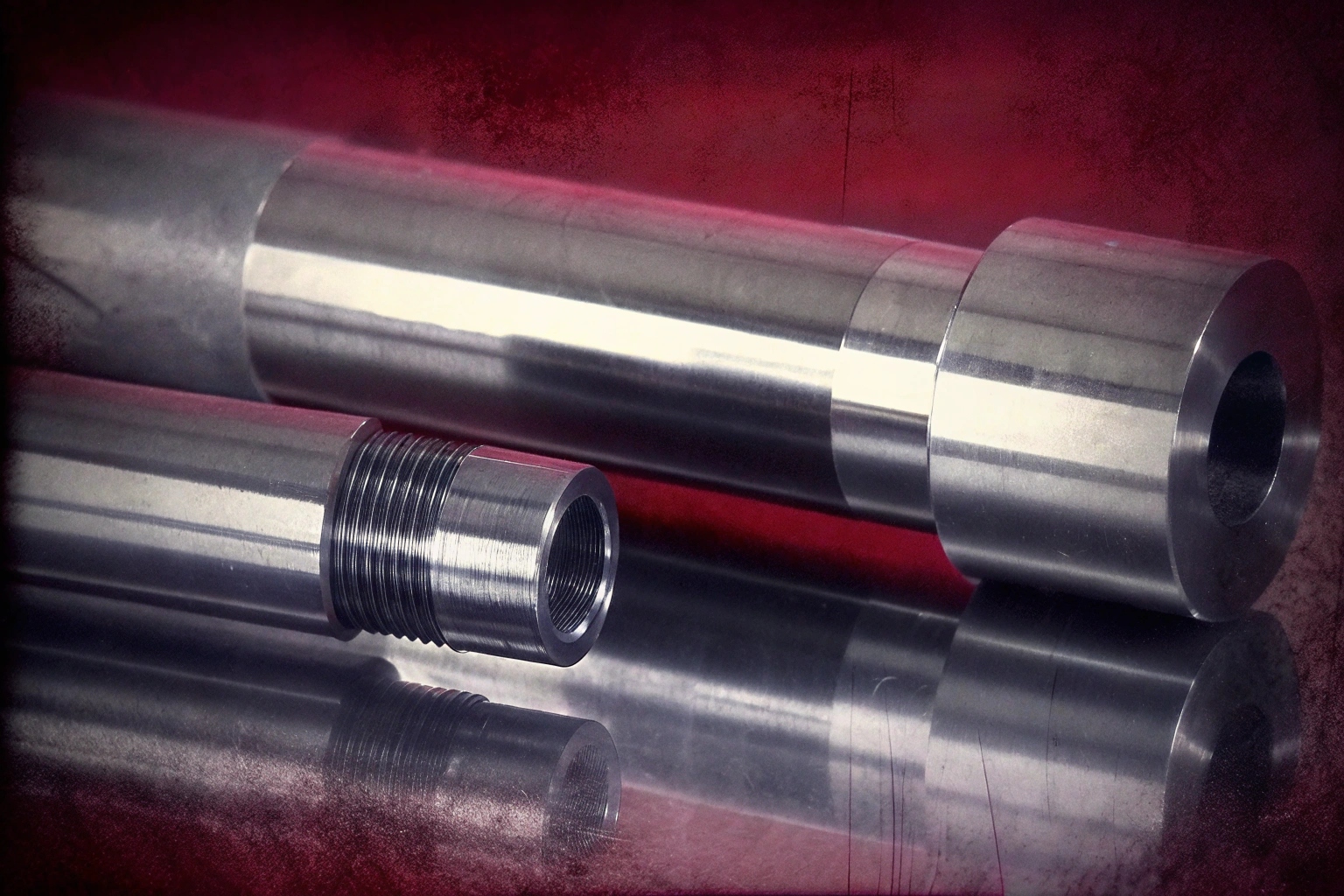
In detail, case depth refers to the thickness of the hardened layer on components, while core hardness describes the toughness of the inner material. Proper spec on these aspects ensures that track pins and bushings effectively handle load stress. Dimensional consistency contributes to the fitting accuracy and operational efficiency of track pins and bushings.
Consider this table showing typical specification parameters:
| Specification | Measurement | Impact on Performance |
|---|---|---|
| Case Depth _ | 1.5 – 2.5 mm | Provides wear-resistant surface to handle abrasion _ |
| Core Hardness | 34 – 38 HRC | Ensures inner toughness and flexibility under load stress |
| Surface Hardness | 50 – 55 HRC | Offers greater resistance to surface wear and deformation |
| Hardness Variation | Limit to ±2 HRC | Ensures consistent performance across manufacturing batches |
Can I get a report showing the hardness pattern (Jominy test) or cross-section?
Asking for specifics on hardness patterns via tests like Jominy can offer insights into material characteristics. This data can often be required to ensure that parts meet the expected performance criteria.
Hardness tests, such as the Jominy end-quench test 8, provide detailed patterns that illustrate the wear life potential of materials. These reports can include valuable information for assessing the heat treatment’s effectiveness or a component’s suitability for particular applications.

The Jominy test characterizes hardness along a material sample, showing how heat treatment affects different proportions. Results from such tests guide in optimizing treatment processes and materials for wear and fatigue resistance. Understanding of how hardness transitions can support achieving targeted mechanical properties that align with usage requirements.
Here’s a breakdown of a typical Jominy test results:
| Parameter | Result Description | Significance |
|---|---|---|
| Hardness Transition | Gradual change from surface to core | Indicates potential wear resistance and mechanical properties |
| Zone Depth | Depth of quenched zone | Correlates with case and core durability |
| Test Consistency | Reproducibility of results | Assures reliability and stability in large-scale applications |
| Pattern Analysis | Graphical representation | Supports process improvements and quality assurance |
How does this metallurgical control improve the wear life of my parts?
Understanding how metallurgical control 9 can influence wear life is vital. I find that aligning the material properties with usage demands leads to lasting performance improvements.
Metallurgical control, through microstructure analysis and precision heat treatment, ensures that parts exhibit consistent wear resistance and longevity. Uniform material characteristics prevent premature wear and contribute significantly to reducing maintenance costs.

Through metallurgical precision, components achieve robust mechanical properties tailored to applications. Consistent grain size and exact chemical compositions correlate with enhanced fatigue resistance, ensuring that undercarriage parts for excavators & bulldozer withstand operational stresses. Recognizing control mechanisms assures that wear life expectations are met while enabling cost-effective solutions and long-term reliability. By fostering advancements in material science 10, predictive insights continue to bolster component quality and functionality.
Conclusion
By providing metallurgical reports and analysis, we assure customers of quality control, contributing greatly to the parts’ robustness and longevity.
Footnotes
1. Learn about the importance of metallurgical integrity in components. ↩︎
2. See examples of metallurgical reports and heat treatment data. ↩︎
3. How engineers balance wear resistance with core toughness. ↩︎
4. An in-depth guide to micro-structure analysis techniques. ↩︎
5. Understand the importance of grain growth control in metallurgy. ↩︎
6. Technical standards for case depth and core hardness in steel. ↩︎
7. Explore how material properties affect component fatigue resistance. ↩︎
8. A detailed explanation of the Jominy end-quench test procedure. ↩︎
9. Best practices for metallurgical control in manufacturing processes. ↩︎
10. Discover recent advancements in metallurgical material science. ↩︎