

Are you concerned about the quality of your undercarriage parts for excavators & bulldozer before they reach your hands? I was, too, and wanted assurance. This led me to inquire about receiving random samples from my production batch.
Receiving production samples ahead of time is a proactive step to ensure that the final shipment meets quality standards. This process involves requesting samples from the manufacturer, which will be air-freighted to your office for approval. It adds a layer of quality assurance 1 by allowing you to physically inspect parts 2 before mass shipment, yet it demands careful planning and clear communication to prevent delays and extra costs.
Understanding these procedures helps manage expectations and maintains quality control. 3
What is the Process for Pulling Pre-Shipment Samples for My Review?
Imagine if your shipment arrived, and the components didn’t meet the specifications – a nightmare. I was determined to avoid such situations by receiving pre-shipment samples.
The process begins with communicating with your manufacturer about the need for samples. These samples are chosen randomly from the production batch and are then packed for air freight to your location for inspection. This procedure involves proper documentation and coordination with logistics partners to ensure that the samples clear customs without issues. 4
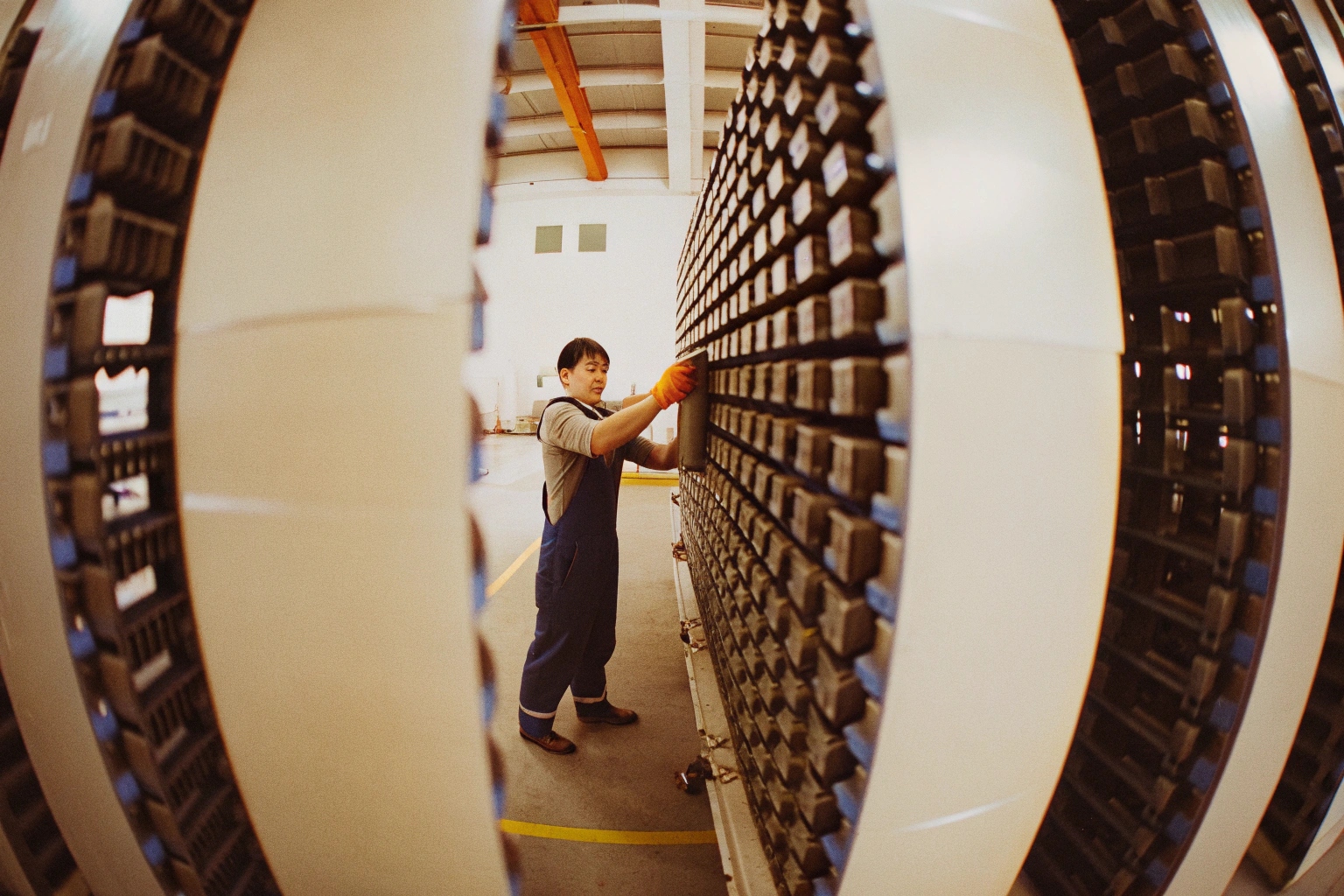
Thorough planning and a detailed understanding of sample handling ensure that you receive what you expect. The shipping documents should indicate the purpose of the shipment, such as "NON-MUTILATED SAMPLES," and declare realistic values to prevent customs delays. Utilizing express air couriers like DHL or FedEx is recommended due to their efficient customs brokerage services. 5
Sample Handling and Documentation Requirements
| Step | Action | Notes |
|---|---|---|
| 1. Manufacturer Request | Communicate the need for samples with the manufacturer. | Establish a clear agreement for sample selection. |
| 2. Random Sampling | Select random samples from the production batch. | Request for a quantity that represents the full order. |
| 3. Proper Documentation | Prepare shipping documents with clear descriptions. | Use terms like "NON-MUTILATED SAMPLES." |
How Much Will This Delay the Final Shipment of My Order?
Curious about potential delays and worrying about timelines, I reached out to understand the impact on my shipment schedule.
Receiving pre-shipment samples may delay the final delivery by a few days to weeks, depending on factors like sample handling time, air freight duration, and customs procedures. 6 It involves additional coordination with freight forwarders 7 to expedite the process without compromising on regulations.
Balancing the need for timely approval with overall shipment schedules is key. To minimize potential delays, establish clear timelines with your manufacturer and logistics partners. Consider factors like production completion timelines and shipping durations when planning for sample requests.
Managing Shipment Schedules
Efficient scheduling ensures smooth logistics:
| Factor | Influence | Solution |
|---|---|---|
| Air Freight Duration | Varies by destination and courier services. | Choose express services for speed. |
| Customs Processing | Dealing with international regulations may cause delays. | Utilize experienced brokers. |
| Manufacturer Coordination | Timing of sample extraction and shipping alignment with production ends. | Align schedules and confirmations. |
What is the Cost for Air-Freighting These Samples to Me?
Air-freighting can be costly, but understanding these expenses helps manage budgets. I was especially curious about the true costs of this option.
The cost of air-freighting samples includes courier charges, customs fees, 8 and possible additional expenses if duties apply. These fees depend on the sample’s weight, size, and destination. It’s crucial to obtain quotes from multiple logistics providers to choose the most economical yet prompt service.

To keep costs under control, select the smallest yet representative samples possible. Consider using delivery terms like "Delivered Duty Paid" (DDP), 9 where the shipper handles all additional fees, providing clearer cost predictions.
Cost Management Strategies
Understanding expenses facilitates budgeting decisions:
| Cost Component | Description | Suggestion |
|---|---|---|
| Courier Charges | Charges for air-freight based on urgent service. | Compare different couriers for best rates. |
| Customs Fees | Fees for clearing customs based on regulations. | Use brokerage services to prevent unexpected costs. |
| Sample Weight and Size | The dimensions of samples influence transportation costs. | Select smallest representative samples. |
Can I Have These Samples Sent to a Third-Party Lab in the US or China for Verification?
Quality assurance sometimes demands additional testing; I considered involving third-party labs for added confidence.
Yes, you can send these samples to independent labs for verification. 10 Ensure you communicate with the lab in advance to arrange for their evaluation upon arrival. Coordination with your logistics partners is necessary to facilitate seamless transfers to third-party labs.

To streamline this process, consult with your chosen lab on specific testing requirements and timelines. Early arrangement guarantees the lab is prepared to receive and process your samples, reducing turnaround time.
Ensuring Independent Verification
| Verification Aspect | Consideration | Strategy |
|---|---|---|
| Lab Coordination | Communicate sample details and expected tests to labs. | Establish direct communication channels. |
| Logistics Arrangements | Plan for prompt delivery from point of entry to the lab. | Coordinate shipping with logistics. |
| Compliance with Testing | Different labs may require certain protocols for testing acceptance. | Verify lab accreditations and methods. |
Conclusion
Receiving production samples beforehand is vital for quality control and approval. Clear communication, careful scheduling, and thorough coordination with logistics partners and laboratories are essential to ensure timely delivery and accurate evaluation of parts.
Footnotes
1. Guide on implementing QA protocols for international manufacturing. ↩︎
2. Checklist for effective visual and manual inspection of industrial parts. ↩︎
3. Best practices for managing quality control in your supply chain. ↩︎
4. Understanding US customs clearance for commercial samples. ↩︎s
5. Explains the role of a customs broker in expediting imports. ↩︎
6. Overview of standard customs procedures for imported goods. ↩︎
7. How freight forwarders manage logistics and shipping schedules. ↩︎
8. Breakdown of common customs fees and duties for imports. ↩︎
9. Incoterms explained: What DDP means for your shipment. ↩︎
10. Benefits of using third-party labs for product testing. ↩︎