
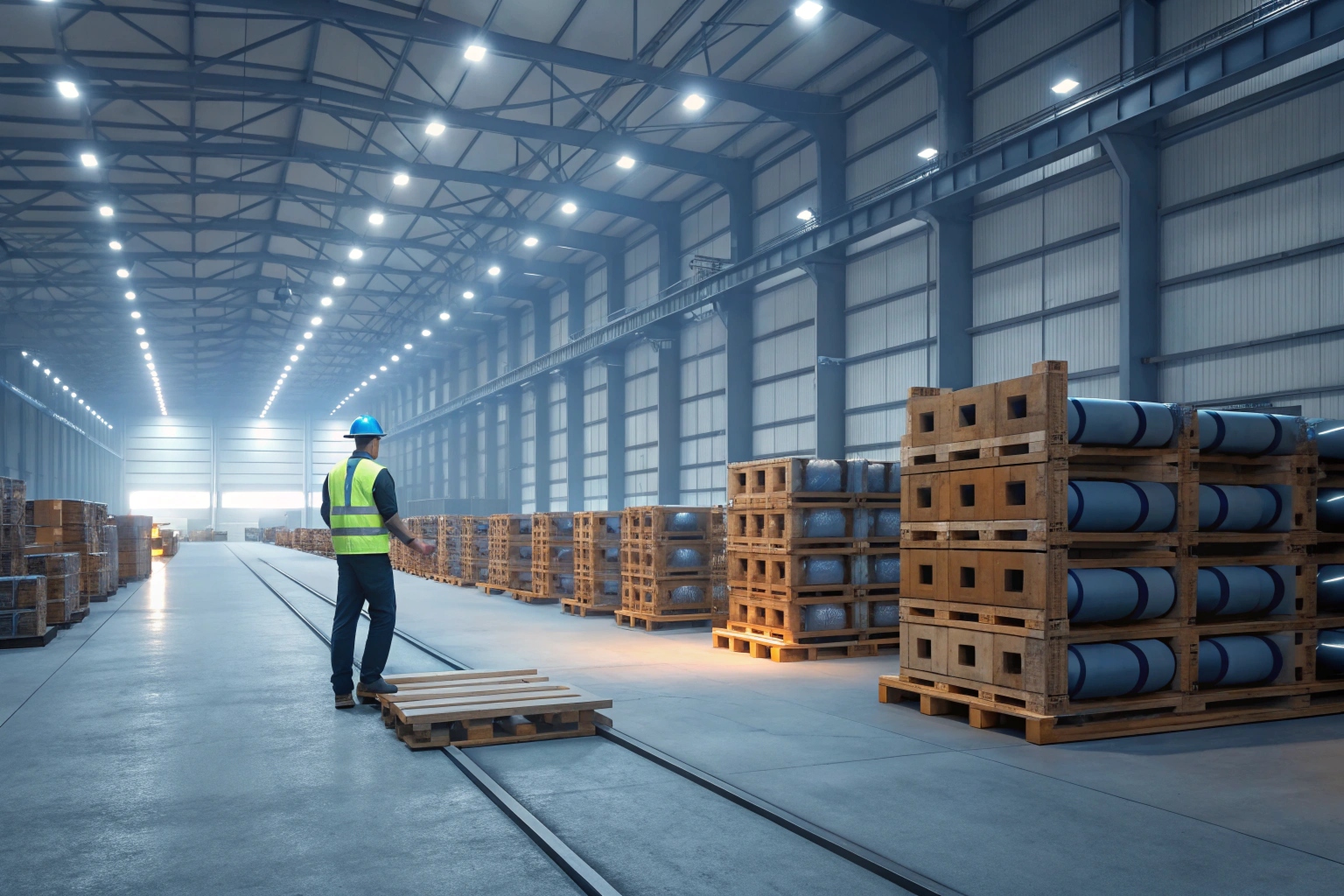
I know the headache of receiving a massive container of heavy steel parts and having to manually count every single track roller and bolt. It wastes time and leads to costly data errors.
Yes, excavator undercarriage parts can be supplied with barcodes or QR labels. These labels can be applied to packaging or the parts themselves, allowing you to scan data directly into your WMS/ERP for instant inventory updates and full batch traceability.
Managing a large inventory of heavy machinery spares requires precision. If you are tired of manual entry, switching to a digital tracking system with your supplier is the best way to streamline your operations and reduce labor costs.
What data fields should my labels include?
I often see customers struggle with labels that don’t tell the whole story. If a label only has a part number, you are missing out on half the value of digital tracking.
Your labels should include the internal SKU, OEM part number, batch or lot number, quantity, and production date. Using QR codes allows you to store more data, like heat treatment numbers or quality inspection links, in a small space.
Standardizing Your Data
When we talk about labels, the goal is "one scan, all information." For a procurement manager like David, knowing the exact batch of a track chain is vital for warranty tracking. If a part fails in the field, a quick scan of the QR code should tell you exactly when it was made and which raw material batch 1 was used. This is called "Full Lifecycle Traceability."
Recommended Data Fields for Undercarriage Parts
| Field Name | Type | Importance | Purpose |
|---|---|---|---|
| Part Number | Alphanumeric | Critical | Matches the item to your sales catalog. |
| Batch/Lot ID | Numeric | High | Essential for quality tracking and warranty claims. |
| Quantity | Numeric | High | Speeds up the receiving process during bulk delivery. |
| Production Date | Date | Medium | Helps with "First-In, First-Out" (FIFO) inventory. |
| Weight | Numeric | Low | Helps warehouse staff plan for lifting equipment. |
Why QR Codes are Better than 1D Barcodes
Traditional 1D barcodes (the ones with vertical lines) are great but limited. They can usually only hold one piece of information, like a part number. If you want to know the PO number and the manufacturing date, you might need three different barcodes. QR codes 2 are 2D. They can hold hundreds of characters. This means one single scan can populate your entire ERP screen with every detail about that specific sprocket or idler.
Can I integrate labels with my WMS/ERP?
I understand that a label is useless if your software can’t read it. Many of my clients worry that a Chinese manufacturer’s system won’t "talk" to their American or European WMS.
Yes, you can integrate these labels by sharing your specific barcode symbology (like Code 128 or Data Matrix) and data mapping requirements. Most professional manufacturers can generate labels that perfectly match your system’s import format for seamless scanning.

Bridging the Technical Gap
The technical bridge between a factory in Fujian and a warehouse in Texas is the "Label Specification." Before we start production, we ask for your WMS requirements. 3 Do you use SAP, Oracle, or a custom-built system? Each has a preferred way of reading data. We can format the "string" of data inside the QR code so that when your team scans it, the data automatically fills the correct boxes in your software.
Steps for Successful System Integration
- Define Symbology: Tell us if you need 1D (Code 128) or 2D (QR/Data Matrix).
- Data Mapping: Decide the order of data (e.g., SKU first, then Quantity).
- Sample Testing: We send a digital PDF of the label for you to test with your handheld scanners 4 before we print thousands.
- API/EDI Options: For very large distributors, we can even send an Electronic Shipping Notice 5 (ASN) that syncs with the labels.
Common WMS Compatibility
| System Type | Common Symbology | Integration Level |
|---|---|---|
| Enterprise (SAP/Oracle) | GS1-128 / Data Matrix | High – Fully Automated |
| Mid-Market (NetSuite) | QR Code / Code 128 | High – Plug & Play |
| Basic/Custom | Code 39 | Medium – Manual Mapping |
Are durable labels available for outdoor storage?
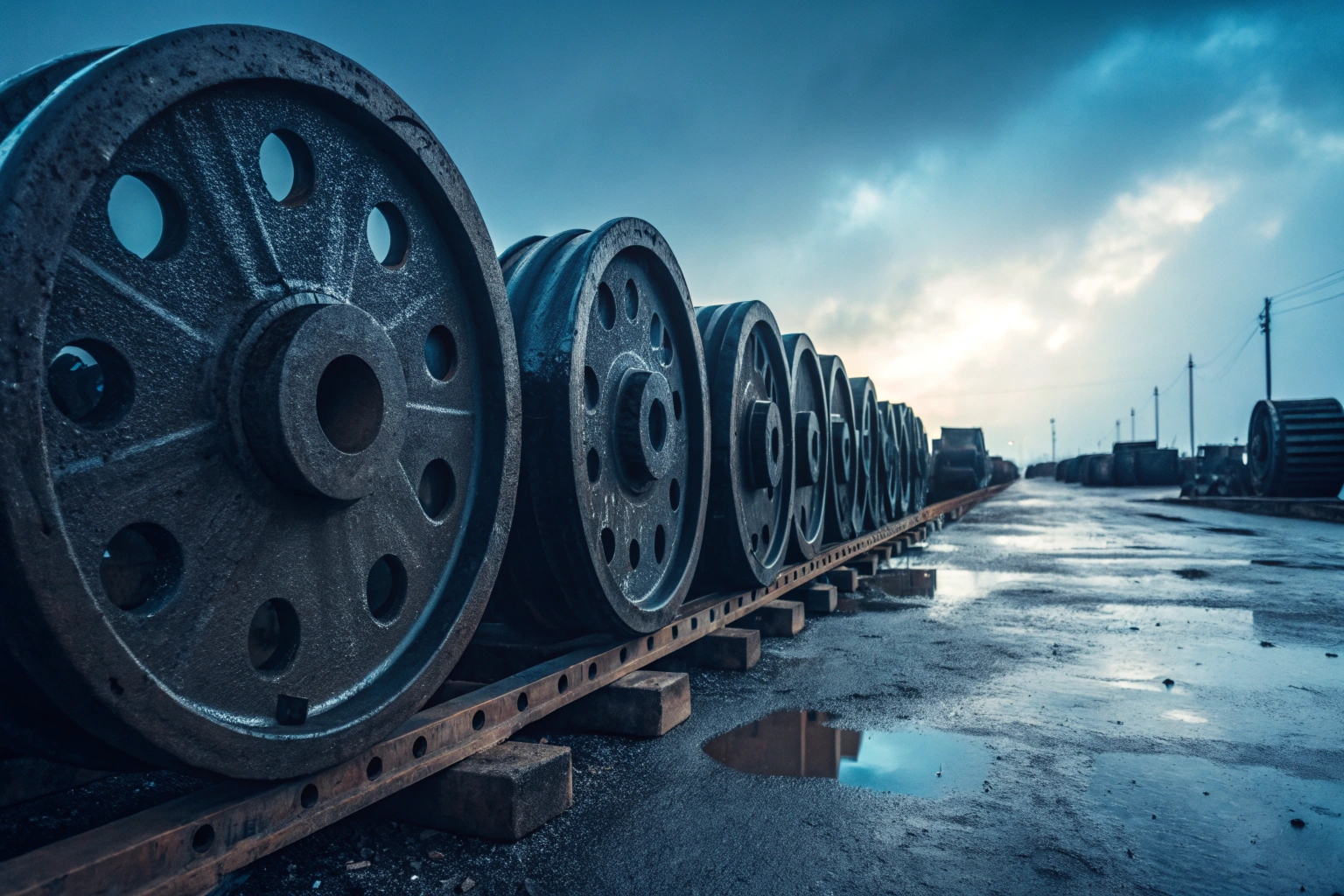
I know that undercarriage parts are often stored outside in rain, snow, and mud. A cheap paper label will disappear in a week, leaving you with "mystery metal" that no one can identify.
Durable labels are available, including heavy-duty polyester stickers with UV-resistant ink or even laser-engraved metal tags. These materials withstand oil, moisture, and extreme temperatures, ensuring the code remains scannable even after months of outdoor storage.
Choosing the Right Material
In the world of heavy construction parts, the environment is the enemy. Track chains are often coated in anti-rust oil, 6 which makes standard adhesives peel off. We solve this by using "High-Tack" industrial adhesives designed specifically for oily steel surfaces. For parts like idlers or rollers that might sit in a yard for six months, we recommend synthetic labels 7 (like Polypropylene) rather than paper.
Comparison of Label Durability
| Material | Weather Resistance | Oil/Chemical Resistance | Best Use Case |
|---|---|---|---|
| Standard Paper | Low | Low | Indoor small parts (bolts/seals). |
| Synthetic (BOPP) | High | Medium | Boxes and pallets stored in warehouses. |
| Polyester (PET) | Very High | High | Directly on steel parts (rollers, idlers). |
| Metal/Aluminum | Extreme | Extreme | Permanent tracking for high-value assets. |
Placement Matters
We don’t just slap a label anywhere. We place it on "non-friction" surfaces. For a track roller, we put it on the end face, not the tread where it hits the chain. For track links, 8 we place it on the side of the link. This ensures the label stays intact during shipping and storage but doesn’t interfere with the machine’s operation once installed.
Will labels match my private brand format?
I see many distributors who want to build their own brand. They don’t want a label that looks like it came from a random factory; they want it to look professional and consistent with their own marketing.
Yes, labels can be fully customized to match your private brand. This includes adding your company logo, specific brand colors, and your own contact information or website, helping you maintain a professional image for your end customers.
Strengthening Your Brand Authority
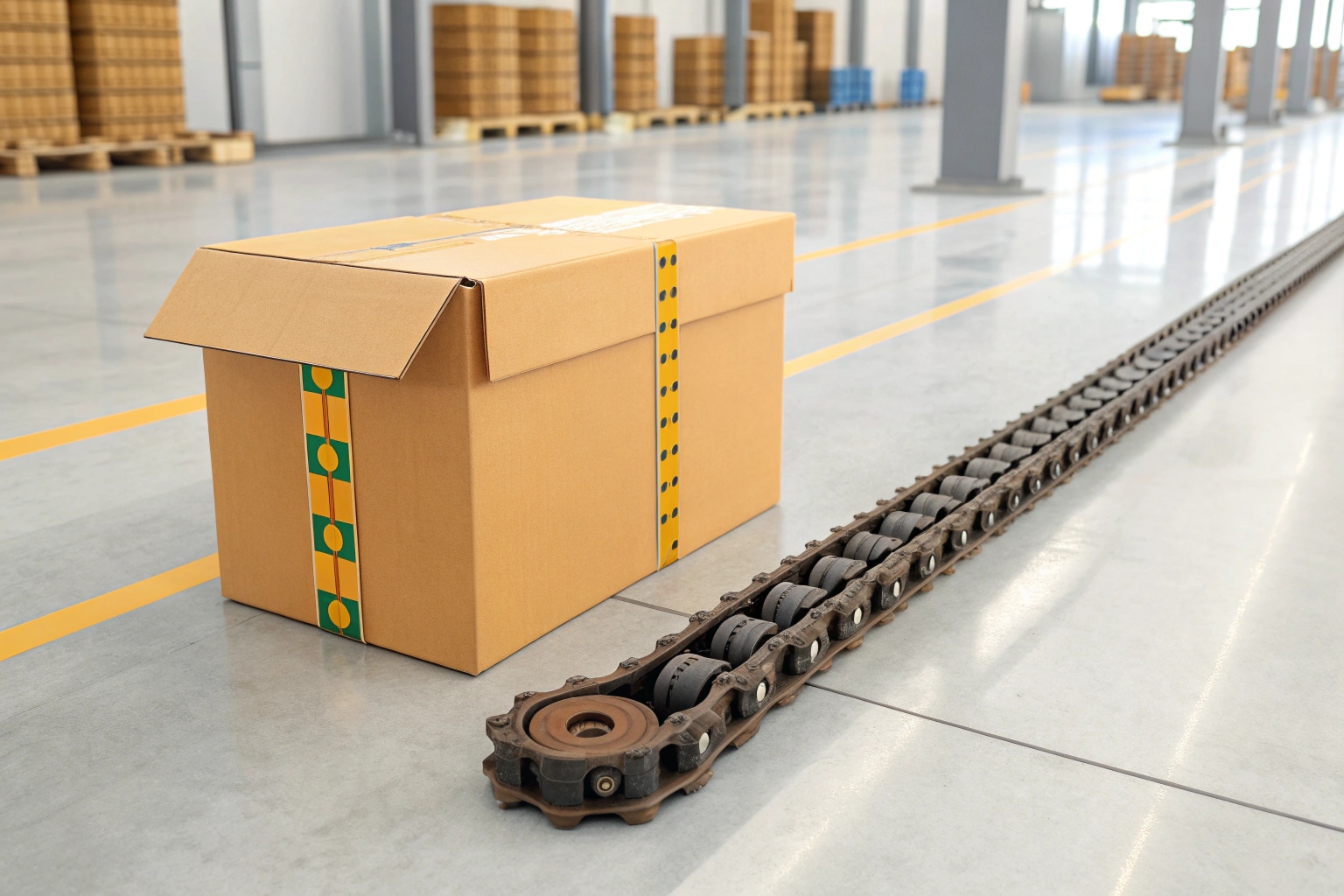
For a buyer like David, his brand reputation 9 is everything. When his customers receive a shipment of "Miller Parts," the labels should look like they belong to a premium American company. We can act as your "silent partner." We use your templates and your logos. When the parts arrive, they are ready to go straight to your customer or onto your shelves without any extra work from your team.
Customization Options for Distributors
- Logo Integration: High-resolution printing of your brand mark.
- Color Coding: Use different colors for different brands or machine models (e.g., Yellow for Cat-compatible, Blue for Komatsu).
- Warranty Info: Include a QR code that links directly to your website’s warranty claim form.
- Instructional Links: A scan can lead the user to an installation guide, 10 adding value to your service.
Benefits of Private Labeling
Using custom labels isn’t just about looks. it prevents "supplier skipping," where your customer tries to find the factory directly. By using your own SKU and branding, you keep the relationship secure. It also makes your warehouse look organized and high-end, which builds trust when local clients visit your facility.
Conclusion
Using barcodes and QR codes transforms your supply chain from a manual mess into a digital machine. It saves time, stops errors, and protects your brand.
Footnotes
1. Understanding how raw material batches affect manufacturing quality and consistency. ↩︎
2. Official information on QR code technology and its data storage advantages. ↩︎
3. Overview of Warehouse Management Systems and their technical requirements for integration. ↩︎
4. Guide to selecting industrial handheld scanners for warehouse inventory management. ↩︎
5. Explanation of EDI 856 Advance Ship Notices for automated supply chains. ↩︎
6. Benefits of anti-rust coatings for protecting steel parts during long-term storage. ↩︎
7. Detailed comparison of synthetic label materials for harsh environmental conditions. ↩︎
8. Community insights and technical discussions regarding excavator track link maintenance. ↩︎
9. Why maintaining a strong brand reputation is critical for industrial distributors. ↩︎
10. Industry news and resources for construction equipment installation and maintenance. ↩︎