

The challenges of maintaining high-quality undercarriage parts for excavators & bulldozer 1 often leave me searching for ways to enhance my product offering. By leveraging supplier expertise, I hope to better analyze field failures and feedback, driving improvements in product performance and end-user satisfaction.
Undercarriage parts suppliers typically offer specialized knowledge in field failure analysis 2. They help identify root causes and suggest enhancements, using end-user feedback to understand product performance better. This collaborative approach can lead to superior product durability and reduced failure rates.
To unlock true value from partnerships, embracing a cooperative relationship with suppliers allows the integration of real-world data analysis 3 and feedback. This collaboration fosters product quality improvement and competitive differentiation.
Do you offer joint failure analysis services if I send you a part from the field?
Having suppliers involved in analyzing field failures drives me to ponder whether joint failure analysis 4 can propel my product enhancements.
Engaging in joint failure analysis services can determine the root cause of component failures. This investigation leads to applying corrective and preventative measures, potentially improving the product quality and user satisfaction.
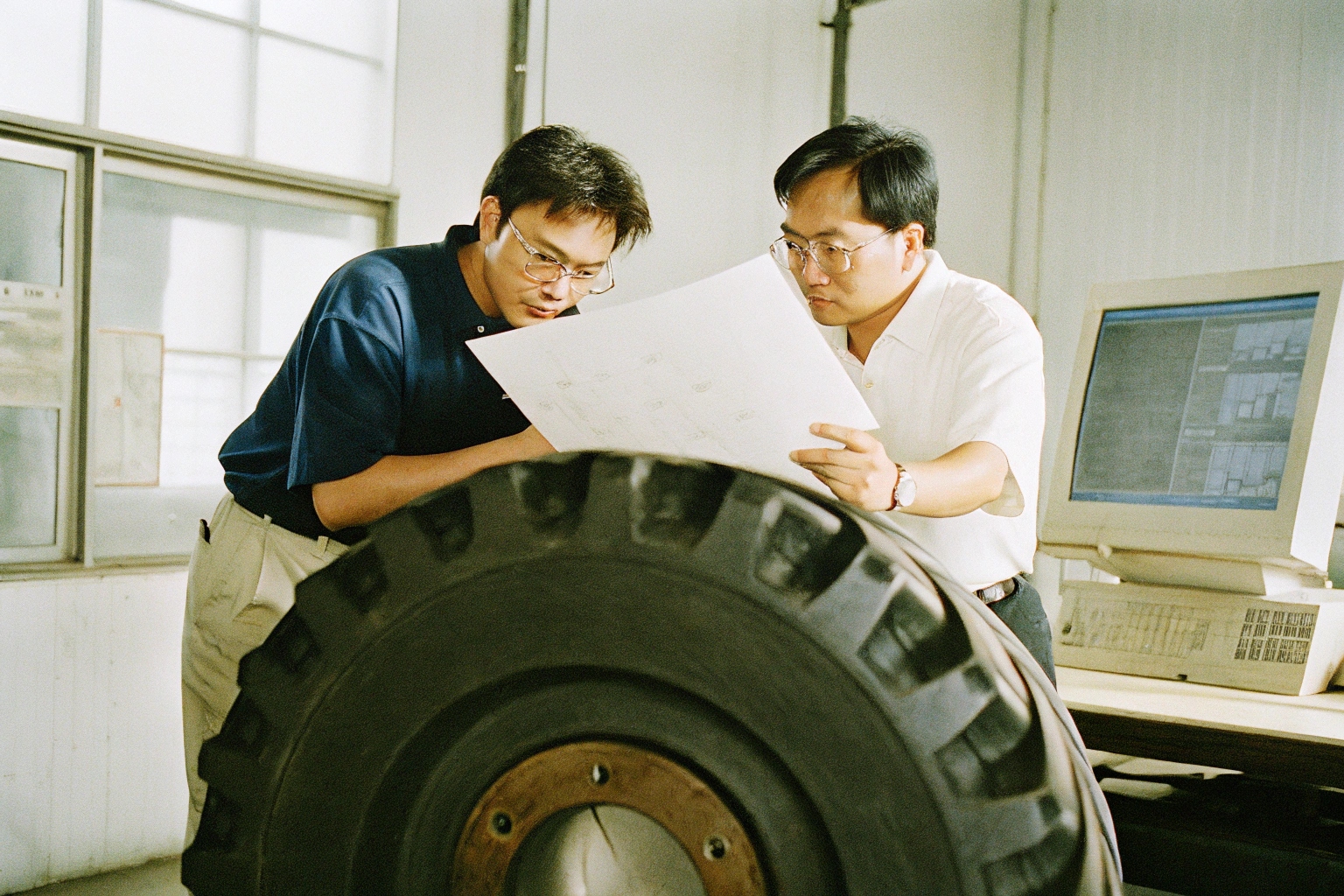
When suppliers collaborate in field failure analysis, several benefits emerge. These include minimizing downtime, enhancing component longevity, and optimizing performance. By identifying recurring faults, consumers realize decreased operational costs and lower incidence rates.
How Joint Failure Analysis Works
| Step | Description |
|---|---|
| Collection | Gather field examples and related data for analysis |
| Identification | Determine potential root causes for the failures |
| Examination | Perform in-depth analysis on the parts returned |
| Solution Formulation | Create improvement strategies based on findings |
Collaboration in this area may depend on various factors, such as vendor capacity and willingness to invest in the relationship. However, even a basic analysis can unveil significant insights into failure patterns.
Can you use my customer’s application data (e.g., soil type, machine model) to recommend a better part?
Exploring how suppliers may harness application data invokes the question: Can using specific data types guide better recommendations I can make for my customers?
Suppliers can use customer application details, like soil composition and equipment model, to recommend part upgrades 5 or alternatives. By aligning field data with product specifications, suppliers ensure compatibility and effectiveness in usage.

Using Customer Data for Better Recommendations
| Data Type | Application | Improvement |
|---|---|---|
| Soil Type | Analyze wear patterns and soil interaction | Material optimization |
| Machine Model | Determine compatibility and operational efficiency | Design adjustments |
| Usage Intensity | Tailor part durability and lifespan | Enhanced durability |
Analyzing application data makes strategizing product modifications feasible, optimizing maintenance schedules, and consequently affecting profit margins positively. Vendors who integrate technological advancements 6 can further refine these recommendations.
Are you open to joint product improvement projects based on my market feedback?
Reflecting on joint product improvement projects makes me ask if such collaborations can utilize market feedback effectively for supplier-assisted advancements.
Shared feedback and data analysis pave the way for joint product improvement projects. By understanding customer experiences and preferences, suppliers can refine products, bolstering performance and fulfilling market needs.

When suppliers embrace collaborative initiatives, product transformation begins. These projects hinge on proactive teardown evaluations, reengineering sessions 7, and prototype testing effectively merging end-user expectations with manufacturing capabilities.
Steps in Joint Product Improvement
| Phase | Task | Outcome |
|---|---|---|
| Market Analysis | Collect and categorize user feedback | Identify key areas |
| R&D Sessions | Evaluate current design with technological capacities | Find innovation opportunities |
| Prototype Testing | Implement pilot versions with controlled feedback | Determine effectiveness |
Harnessing supplier capacities allows dynamic responsiveness to competitive market trends, thereby accelerating advancements and achieving strategic business objectives.
How can this partnership help me sell more effectively against my competitors?
Addressing the question of competitive selling strategies leads to inquiries about supplier partnerships offering tangible advantages.
Supplier partnerships inherently enhance competitive leverage through refined products, leading to more effective sales strategies. By employing comprehensive analysis models 8, suppliers aid in formulating tactics to outperform competitors.

Strategies for Competitive Selling
| Strategy | Process | Benefit |
|---|---|---|
| Quality Assurance | Engage in rigorous testing protocols | Enhance trust and reliability |
| Feedback Integration | Utilize customer experiences for product differentiation | Tailor offerings for specific demands |
| Technological Innovation | Implement cutting-edge R&D practices | Maintain competitive edge |
A supplier enriched perspective can advance the focus on unique selling propositions, strengthening brand loyalty, and capitalizing on industry-specific characteristics 9.
Conclusion
Partnering with a proactive supplier opens avenues for enriched analysis and effective product culmination—imperative for thriving in competitive landscapes 10.
Footnotes
1. Details on undercarriage parts for excavators & bulldozer and construction applications. ↩︎
2. Learn how field failure analysis strengthens product durability. ↩︎
3. Explore real-world data analysis benefits for product development. ↩︎
4. Insights into joint failure analysis to minimize downtime. ↩︎
5. Considerations for part upgrades based on application data. ↩︎
6. Impact of technological advancements on recommendation strategies. ↩︎
7. Importance of reengineering sessions for product enhancement. ↩︎
8. Role of analysis models in competitive selling strategies. ↩︎
9. Utilizing industry-specific traits for competitive advantage. ↩︎
10. Strategies for thriving in competitive business environments. ↩︎