
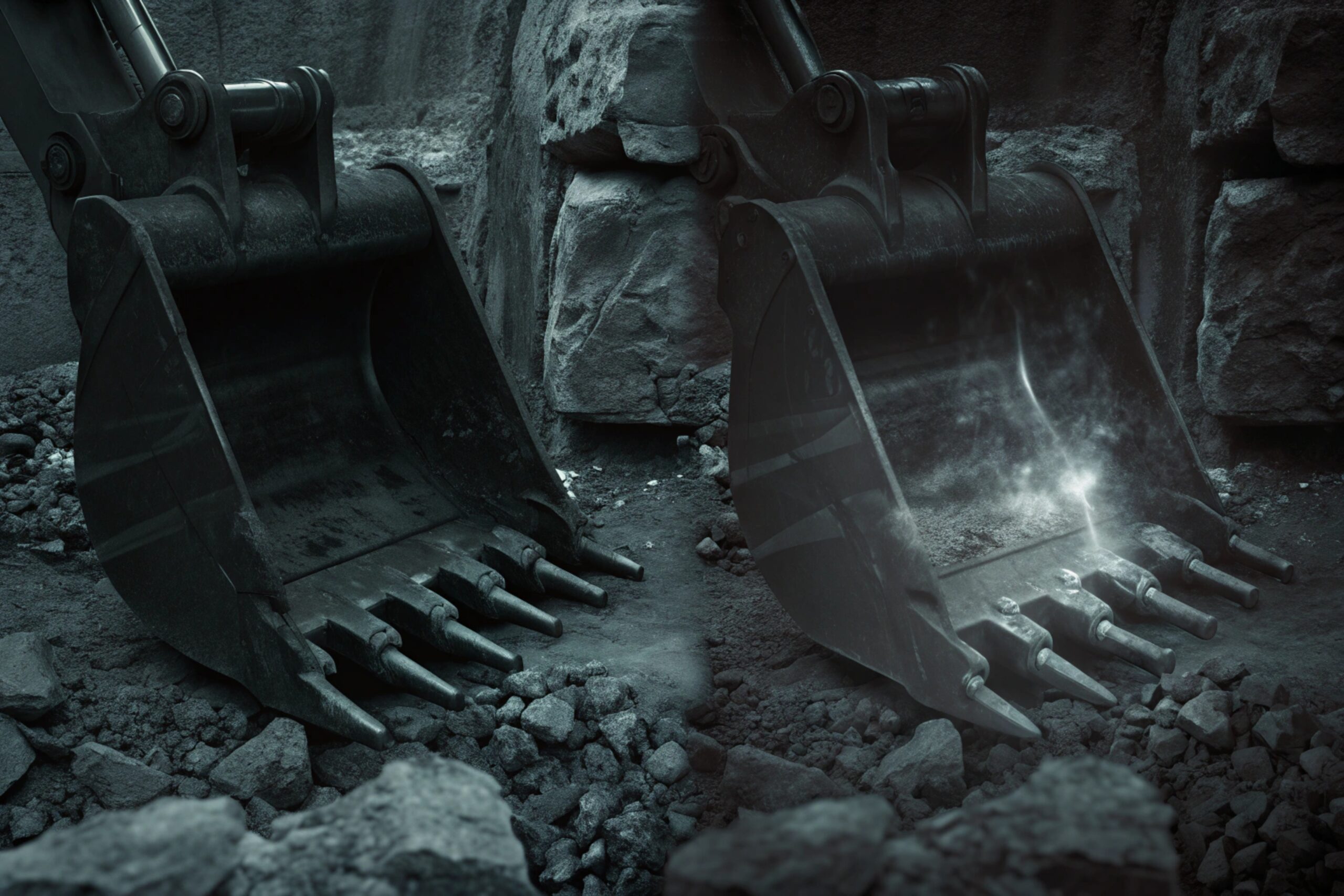
When selecting excavator bucket and tooth materials 1, the key is to match them with the job conditions. I’ve faced challenges choosing the right material for durability and cost-effectiveness.
When considering what bucket and tooth materials to choose, understanding the material’s properties in relation to job type and abrasive conditions 2 is essential. High manganese steel 3, alloy steel 4, and abrasion-resistant grades are common. They offer varying degrees of strength and durability to tailor to specific operations.
The reality of matching materials with job conditions requires balancing strength with wear resistance 5 while supporting cost-effectiveness. Picking the right grade can make a huge difference in operational efficiency 6 and material longevity.
Should I pick 42CrMo or high-manganese steel for my bucket?
Choosing between 42CrMo and high-manganese steel for excavator buckets can be tricky. I’ve had to decide based on where and how the equipment is used and the stress it handles.
42CrMo steel is ideal for applications needing high strength and less wear. It’s robust, less prone to deformation, making it suitable for heavy-duty uses, especially when dealing with hard rock or aggressive loading operations. High-manganese steel offers lower initial cost and is good for general purpose use but may wear faster in tough conditions.
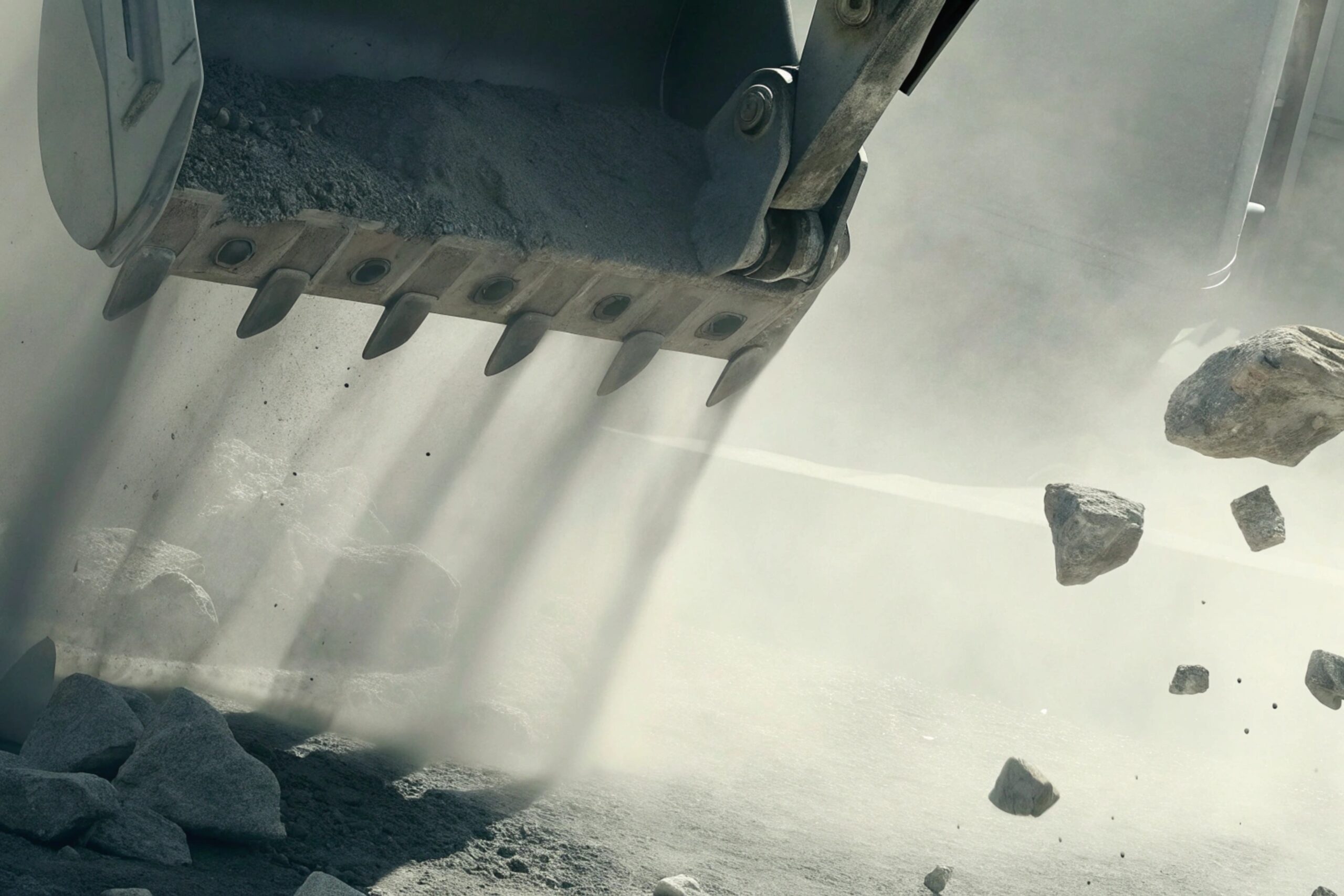
In-depth comparison of these materials shows how they behave under stress. Consider these factors:
Material Properties
- 42CrMo: Known for high tensile strength 7 and impact tolerance, suited for construction sites and hard soil digging.
- High-Manganese Steel: Offers vibrational resistance and is presently more affordable, suitable for lighter loads or soil types not prone to wear.
Application Suitability
- 42CrMo holds stronger under constant pressure and intense impacts, whereas high-manganese steel excels in softer soil and low-wear tasks.
| Material Type | Tensile Strength | Impact Resistance | Price Range |
|---|---|---|---|
| 42CrMo | 1000 MPa+ | Excellent | Higher |
| High-Manganese | 500-800 MPa | Moderate | Lower |
Choosing a material is strategic, requiring evaluation of stress load, abrasion level, and budget.
What hardness targets suit my quarry applications?
Quarry work 8 is demanding. I’ve often grappled with setting the right hardness targets for site-specific applications where harsh conditions are the norm.
For quarry applications, hardness targets depend on the specific operations involving rock and heavy aggregate materials. Brinell hardness of 450-500 is typical for such works, ensuring material longevity against extreme wear, reducing downtime, and maintaining productivity.

Breaking down quarry applications shows the variation by hardness target:
Hardness Recommendations for Quarries
- Soft Workloads: HB200-250 is applicable for soil excavation and minor debris handling.
- Medium Stress: HB360-400 used for mixed aggregate and stone pushing.
- High-Demand: HB450-500 designed specifically for intense rock removal and heavy-duty excavation tasks.
Impact on Productivity
Consistency in hardness contributes to part longevity. Higher hardness resists quick degradation. However, too high can lead to brittleness.
| Hardness Grade | Usage Scenario | Benefits | Limitations |
|---|---|---|---|
| HB200-250 | Soft soil, clay | Easy handling, low wear | Less suitable for hard rock |
| HB360-400 | Mixed soil, stones | Balanced durability | Moderate cost, wears slower |
| HB450-500 | Rocks, hard grapplers | Superior longevity, heavier | Highest cost, heaviness |
Clearly defined targets based on task demands sustain operation effectiveness.
How do I match tooth profiles to my soil and rock?
Selecting tooth profiles 9 isn’t just about fit or price. I’ve learned that matching teeth to specific ground conditions can greatly optimize the digging efficiency and reduce premature wear.
Tooth profile selection must factor in the density and composition of soil and rock to optimize penetration. Profiles range from flat and wide for loamy soils to sharp and narrow for rocky grounds and deep excavations, accommodating soil conditions and geographical variability.
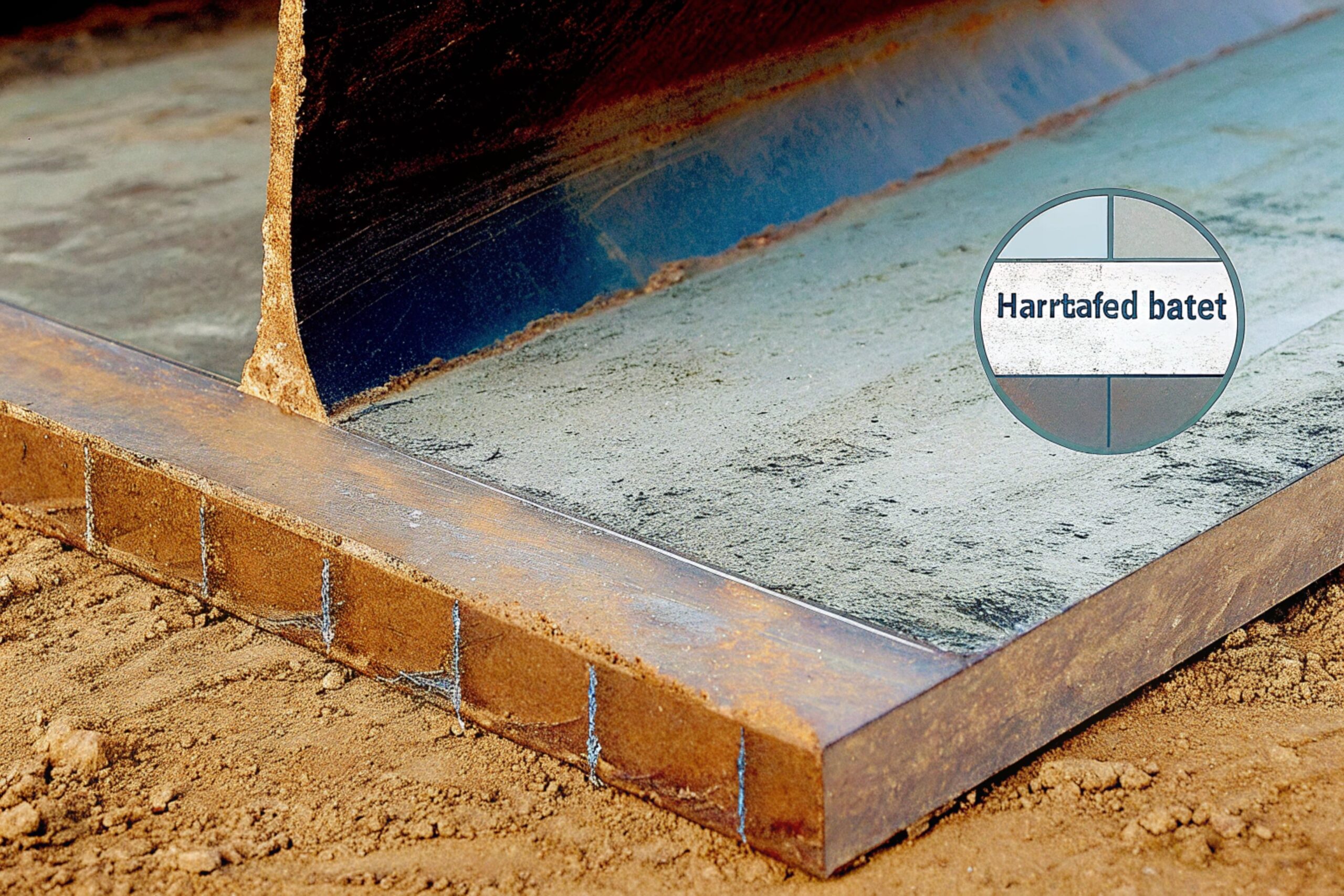
Exploring tooth geometry shows variation by usage:
Tooth Profile Types
- Flat Profile: Ideal for loose soils, maximize surface engagement, minimization of compaction force.
- Narrow Profile: Good for rocky terrain, ensuring focused penetration and reduced fracture risk.
Soil and Rock Considerations
Choosing tooth profiles involves considering terrain complexity. Ensure maximum usage by density-specific fit.
| Profile Type | Best Fit | Advantages | Potential Risks |
|---|---|---|---|
| Flat | Loosened soil, sand | Broad grip, stability | Lower penetration in hard |
| Serrated Flat | Medium rocky soil | Balanced cutting power | May break under forceful use |
| Sharp/Recurved | Dense rock layers | Superior penetration ability | Higher wear in soft soils |
Matching the profile enhances excavation efficiency, balances wear and performance.
Can my supplier certify wear-resistant overlays?
Choosing wear-resistant overlays 10 demands transparency and certification, ensuring reliability. I’ve often dealt with suppliers providing variable quality without solid certification, prompting quick failure.
Suppliers can ensure reliable overlays by certifying wear-resistant treatments, such as welding and coating methods. This certification should confirm material adherence to industry standards like ISO and highlight data-supported wear metrics, decreasing risks of premature failure.

Evaluating supplier certification shows vital thresholds for trustworthy partnerships:
Key Certification Elements
- ISO Certification: Guarantees standard compliance and consistent material quality.
- Treatment Verification: Documented hardness, adherence techniques, wear tests before client delivery.
Supplier Assurance Strategy
Reliable suppliers showcase overlay reliability through certifications, assuring continued performance.
| Certification Type | Benefits | Verification Method |
|---|---|---|
| ISO 9001 | Quality management guarantee | Routine audits |
| Treatment Reports | Genuine data on overlay quality | Laboratory testing results |
Making suppliers commit to transparency through certifications eliminates quality doubts, ensuring robust operations.
Conclusion
Choosing the right materials for buckets and teeth is key for efficient excavation in varying soil types.
Footnotes
1. Guide to selecting the right materials for excavator buckets and teeth. ↩︎
2. Understanding how different abrasive environments affect heavy equipment parts. ↩︎
3. Properties and applications of high manganese steel in excavation. ↩︎
4. Learn about the benefits and types of alloy steel for construction. ↩︎
5. Techniques and materials used to improve wear resistance in machinery. ↩︎
6. How component choice impacts the operational efficiency of excavators. ↩︎
7. Explanation of high tensile strength steel and its industrial uses. ↩︎
8. Overview of quarrying operations and equipment challenges involved. ↩︎
9. Guide to different excavator tooth profiles and their best applications. ↩︎
10. Exploring the technology and benefits of wear-resistant overlays. ↩︎