
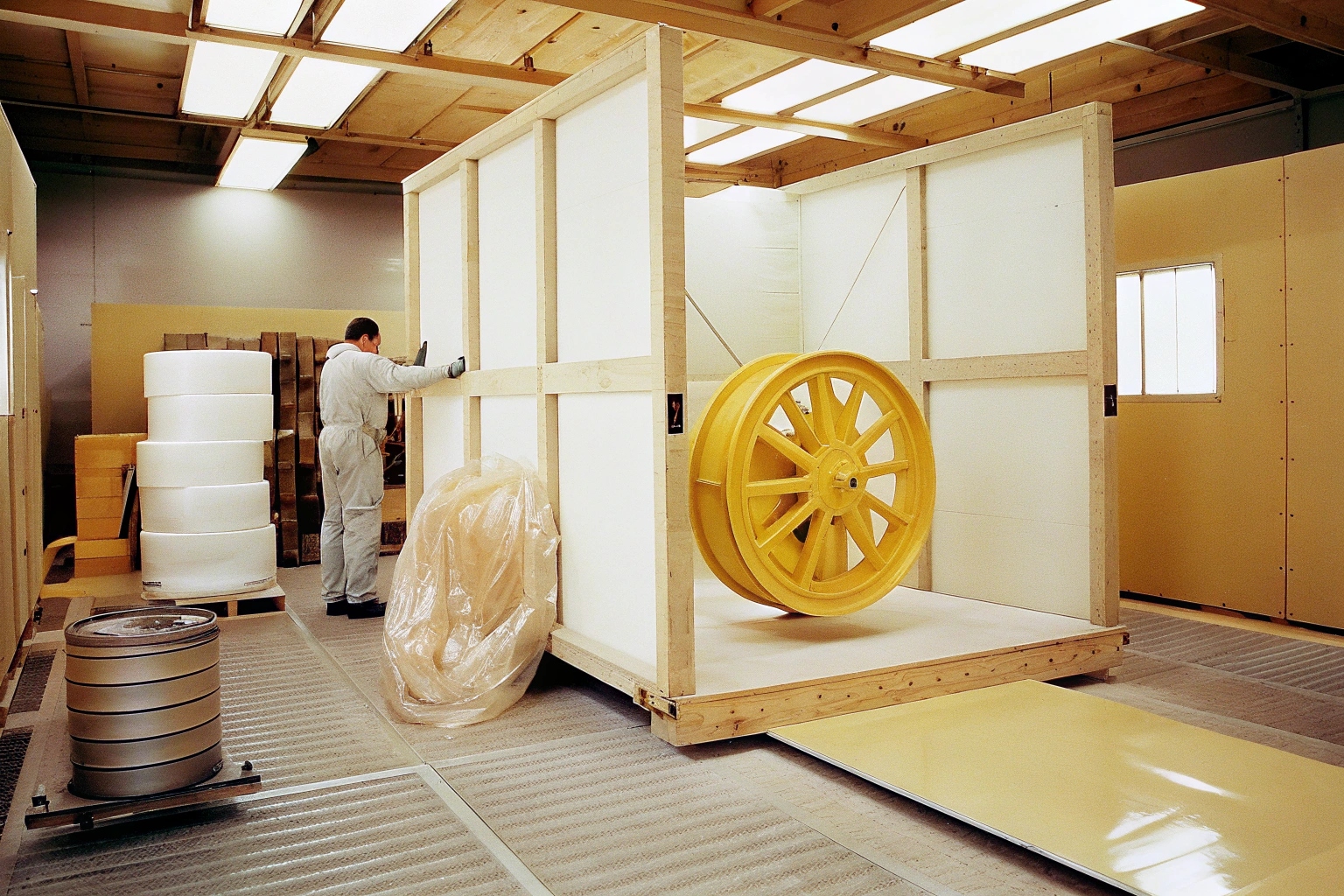
Shipping heavy equipment parts can be challenging. It’s critical that these valuable parts are protected from damage during transit 1. I’ve always found that using tried-and-tested packing materials can make a difference in safeguarding them.
Heavy undercarriage parts for excavators & bulldozer are usually packed in sturdy wooden crates 2 that prevent physical damage during transit. Foam padding and bubble wrap cushion the parts inside the crate, while metal banding secures the crate and prevents any movement of parts during handling.
Shipping equipment parts can be a complex process that requires planning and precision. Ensuring parts are protected is key to avoiding financial losses and operational delays.
What kind of pallets or steel crates do you use for heavy items like track assemblies?
Heavy pallets and steel crates are essential for shipping bulky equipment parts safely. I’ve noticed that choosing the right packing materials ensures these items remain undamaged in transit.
Heavy components are typically secured to durable wooden pallets or fully enclosed steel crates to ensure they remain intact. Internal blocking and bracing prevent movement during transit, while steel banding unitizes the load further securing parts to the pallet.
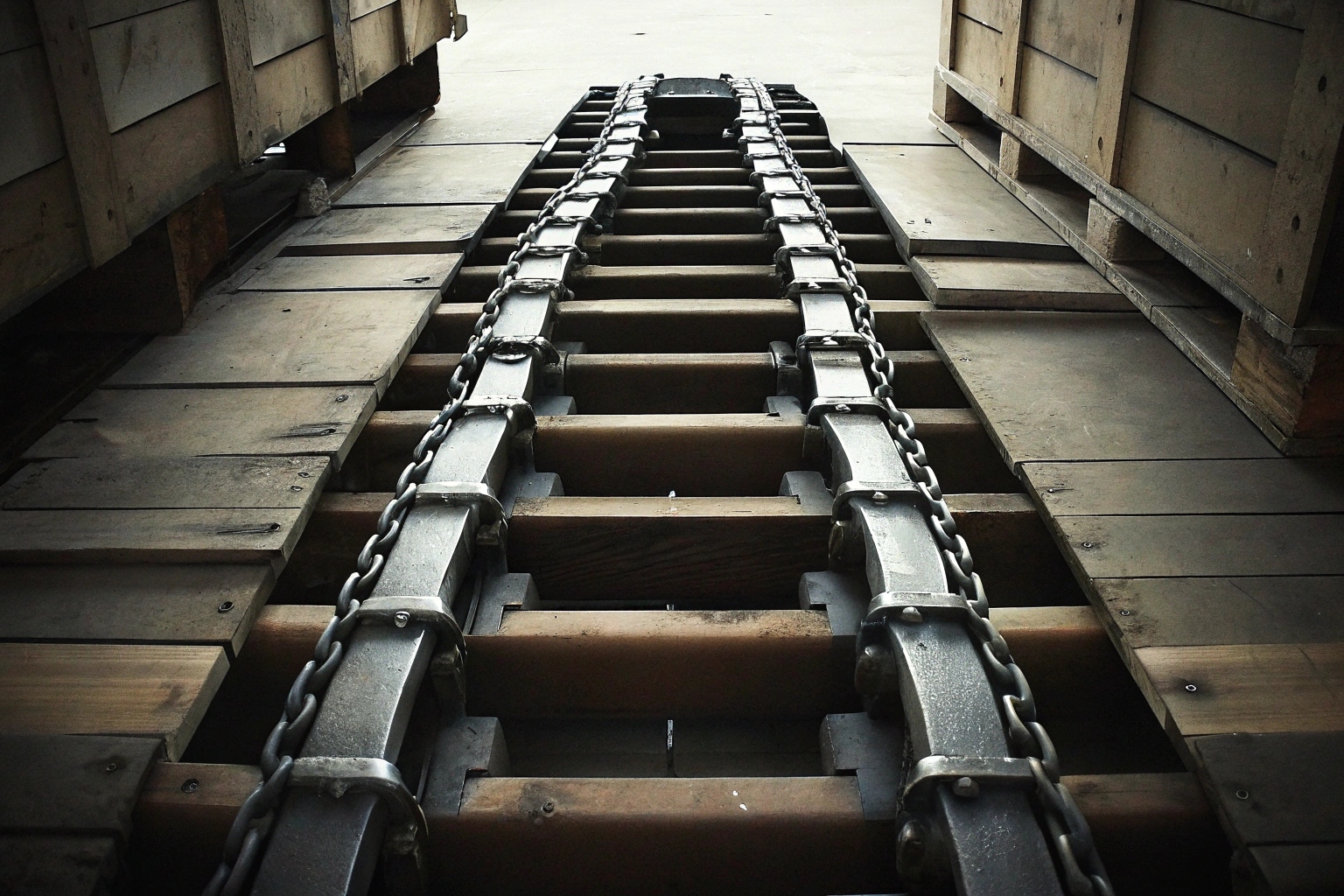
Selecting the appropriate packaging material such as pallets or crates is crucial. This protects parts from potential damage, keeping them ready for use upon arrival. It’s not just about securing equipment; it’s about maintaining a reliable supply chain 3.
How are parts strapped and secured to the pallet to prevent shifting?
Understanding how parts are secured is vital for preventing accidental damage during transit. For me, the wrong strapping approach can lead to lost time and costly repairs.
Parts are strapped and secured using strong steel banding that fastens them tightly to the pallet, reducing any chance of shifting. Additional internal blocking and bracing often with lumber further prevent movement and ensure stability at every transportation stage.

The method of securing parts on pallets can make all the difference. It’s about protecting the value and functionality of each component, ensuring smooth operations 4 once the shipment’s at its destination.
Do you use internal dunnage or separators to stop parts from hitting each other?
When parts collide during shipment, damage is often the result. Knowing the correct use of internal dunnage and separators has always been a game-changer for me in preventing unnecessary wear and tear.
Yes, internal dunnage and separators are employed to ensure parts don’t collide and suffer damage during transit. Machined surfaces are often wrapped with VCI (Volatile Corrosion Inhibitor) papers 5, while irregularly shaped parts like sprockets may rest in custom wooden cradles.

Employing internal dunnage illustrates an attention to detail to protect delicate surfaces from collision-induced damage. It’s a necessary measure to preserve the quality and lifespan of these high-value components.
Have your packages passed ISTA or other drop/vibration tests?
Safety in transport is a high priority. To me, ensuring packages pass standardized tests boosts confidence in their packaging strategies.
Proper packaging strategies 6 are tested rigorously, ensuring they meet ISTA or other drop/vibration tests 7. This guarantees the integrity of heavy parts 8 during shipment, accounting for road and sea conditions 9.

Passing standardized tests validates the quality of packaging processes. Protecting components from the rigors of transportation 10 is fundamental to preventing costly mishaps and damaged goods.
Conclusion
Through rigorous protection measures, we ensure heavy parts remain intact during transit and arrive in top condition.
Footnotes
1. Key trends in supplier risk management. ↩︎
2. Insights into cost-effective logistics for supply chains. ↩︎
3. Why supplier diversity strengthens global supply chains. ↩︎
4. Learn how ISO 9001 ensures consistent quality standards. ↩︎
5. How trade policies affect procurement strategies. ↩︎
6. Role of third-party verification in supplier compliance. ↩︎
7. Benefits of certifications for international trade compliance. ↩︎
8. Guide to analyzing customer reviews for supplier reliability. ↩︎
9. Explanation of sustainable sourcing practices. ↩︎
10. Impact of digital tools on supplier evaluation. ↩︎