

Navigating the labyrinth of international supply chains 1 can be daunting. As a seasoned industry professional, my primary challenge is ensuring my undercarriage parts for excavators & bulldozer order stays on track and I’m informed every step of the way.
To ensure seamless tracking and regular updates on production milestones, leverage your supplier’s real-time tracking tools and request access to their project management systems if available. Establish a communication plan outlining update frequency and preferred methods. This enhances visibility, facilitates planning, and minimizes risks associated with supply chain disruptions.
How do I guarantee my orders are timely? Establishing clear communication with suppliers 2 is crucial to receiving accurate updates during production, from casting to final assembly. This ensures transparent timelines and enhances my planning.
Does my supplier have an online portal where I can see my live order status?
Understanding the real-time status of your order is essential in maintaining supply chain efficiency 3. As I sought to streamline my processes, the challenge was aligning with suppliers who could provide this transparency.
Various Chinese suppliers offer online portals or tracking systems 4 through their websites. These systems allow purchasers to log in and view current status updates, shipping timelines, and production milestones. Always verify this feature during initial negotiations to ensure you have real-time access.
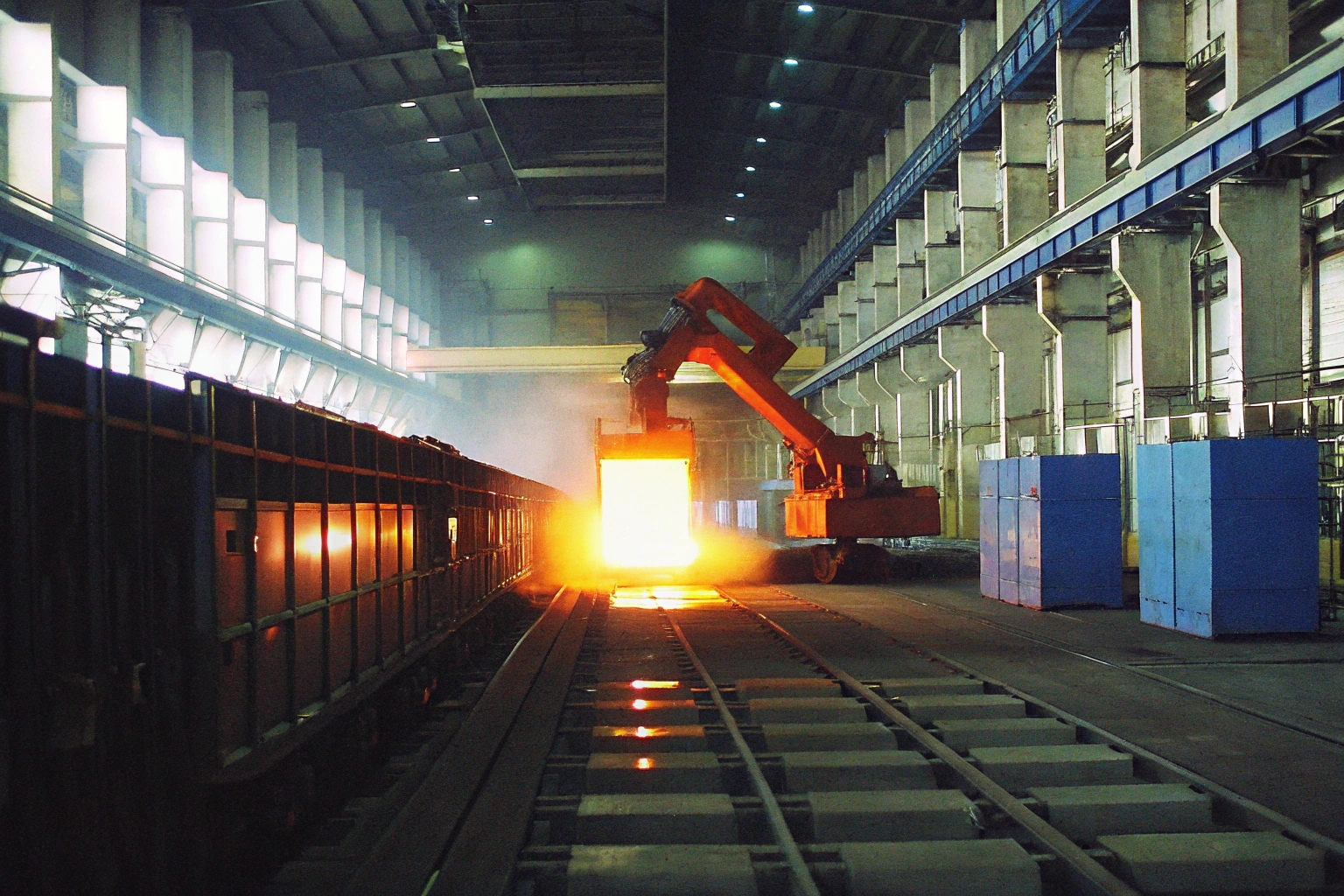
Dive into the world of online portals and tracking systems, offering myriad ways to keep you abreast of your order’s journey.
Benefits of Online Order Tracking
- Real-time Updates: Instant access to your order’s status. No waiting on email responses.
- Improved Planning: Seeing delays or progress firsthand assists in inventory management 5.
- Enhanced Communication: Proactively address issues with direct portal insights.
These portals vary in detail and usability. Companies like Fulian provide an order number post-prepayment, allowing for order progress checks via their website. Platforms like Alibaba, on the other hand, offer logistics tracking 6 by sending a tracking number post-dispatch.
Supplier Portal vs. External Tools
| Feature | Supplier Portal | External Tracking Tools |
|---|---|---|
| Data Accuracy | Direct from supplier | Third-party verification |
| Ease of Use | Requires login, limited by supplier | User-friendly, comprehensive |
| Additional Services | Specific to supplier product offerings | Broader logistics support |
Aligning with suppliers who have such advanced systems is critical. It not only saves time but ensures you have all necessary information when making crucial supply chain decisions. Always confirm the scope of information available and additional support if required.
What are the key production stages (e.g., casting, heat treatment, assembly) I should be updated on?
Anticipating critical checkpoints in product manufacturing can seem overwhelming, but with the right information, it becomes manageable. I relied on detailed insights to navigate this complexity.
The production stages that typically demand updates include initial raw material procurement 7, casting, machining, heat treatment 8, assembly, quality inspection, and packaging. Understanding these stages allows you to assess progress accurately and anticipate potential delays.
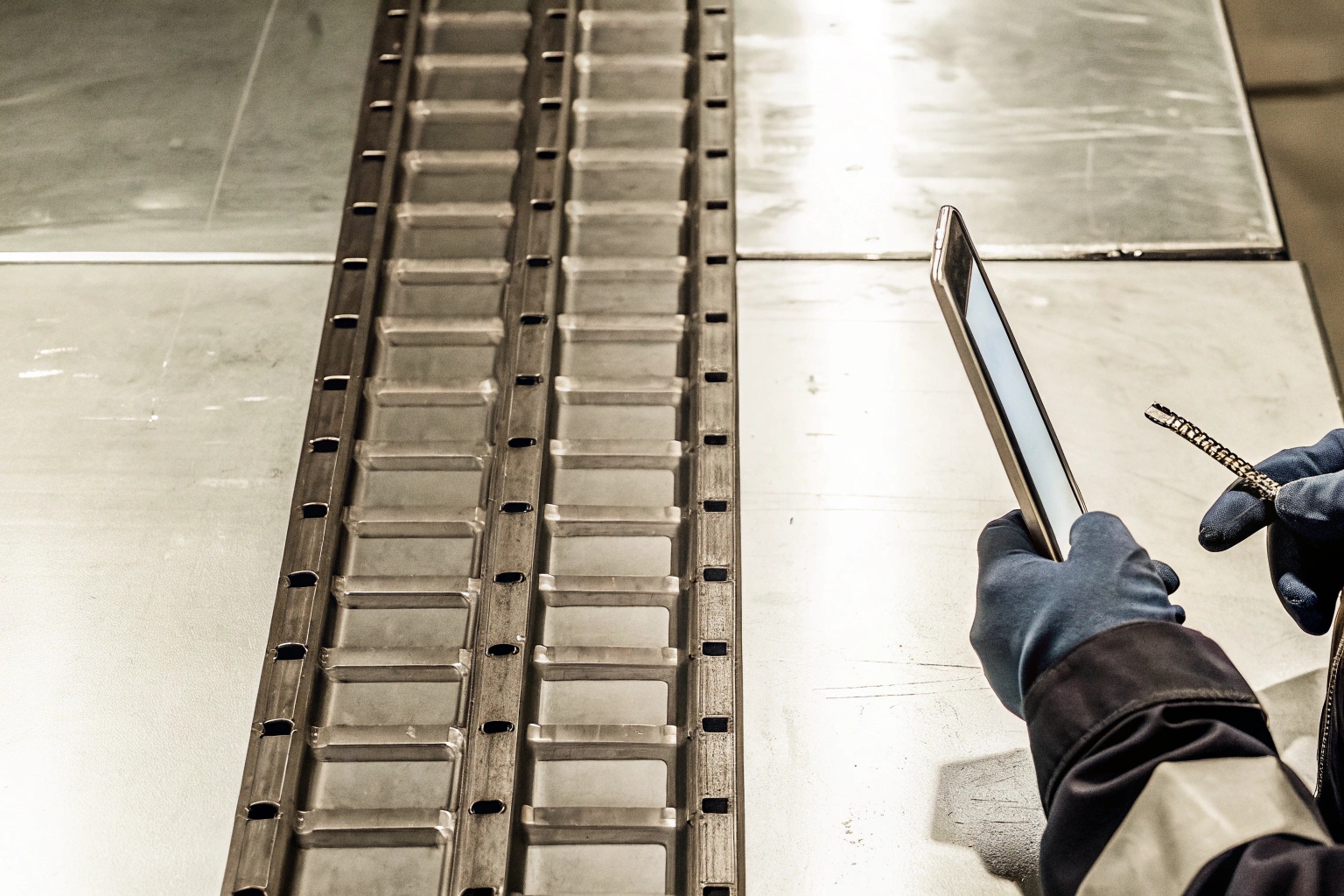
Peeling back the layers of the manufacturing process reveals critical stages, each demanding precise attention.
Key Production Milestones
- Material Procurement: Securing quality materials is vital for a smooth start.
- Casting & Machining: Initial forms are crafted; precision is key.
- Heat Treatment: Adds durability, a crucial phase for undercarriage parts for excavators & bulldozer.
Monitoring Strategy
| Stage | What’s Important | Monitoring Update Tips |
|---|---|---|
| Casting | Precision and quality of base parts | Request early samples |
| Machining | Accurate dimensions and usability | Regular size and material checks |
| Heat Treatment | Strengthening and longevity insights | Time-stamped photo documentation |
Weaving these milestones into supplier contracts enhances transparency and accountability. Often, progress can be monitored through targeted email updates or integrated ERP systems 9 that flag significant advancements. It is crucial to request supplier updates tailored to your business needs, designed for precise milestone updates. Remember, meticulous planning upstream pays dividends downstream.
How often will I receive progress reports or photos from the factory?
Consistency in communication with factory updates is key in retaining confidence and knowing you’re on track. I’ve learned that aligning schedules with suppliers enhances this effort substantially.
It is common to receive updates after major production milestones. Frequency may vary, but a structured schedule—such as weekly or bi-weekly reports—is often negotiated upfront. Discuss expectations, ensuring they meet your business needs and are documented in the contract.

Here’s the secret sauce for staying informed without overwhelming your inbox or calendar.
Optimal Update Frequency
- Regular Check-ins: Weekly updates keep you informed without micro-managing.
- Visual Verification 10: Photos or videos of production secure confidence.
- Customized Schedules: Tailor frequency to your project scale and complexity.
Communication Plan Essentials
| Update Type | Why It’s Important | How to Implement |
|---|---|---|
| Weekly Progress | Minimizes surprises and enhances trust | Schedule through email or shared portal |
| Photo Evidence | Verifies production and quality | Request pre-pack and shipment images |
| Bi-weekly Meetings | Align expectations, resolve queries | Virtual meetings suited for complex orders |
Supplying factories with your schedule—fitting into their framework, yet customized to your needs—transforms how you manage your supply chain. Encourage the use of encrypted communication for sharing sensitive data and maintain logs for future reference.
Who is my dedicated contact person if I have a question about my order’s progress?
Navigating queries without a specific point of contact complicates logistical operations. My strategy shifted towards clear accountability frameworks to optimize communication channels.
Identifying a dedicated contact person is essential. They become your direct line to the supplier, streamlining query resolution. This role should be specified during contract negotiations and included in all ongoing communication channels.

Position yourself with ready access to all order-related answers through one reliable contact.
Benefits of Having a Dedicated Contact
- Streamlined Communication: Reduces confusion and speeds up response times.
- Accountability: Ensures messages are received and acted upon quickly.
- Consistency: Builds relationships and trust over time.
Contact Strategy
| Point of Contact | Key Characteristics | Best Practices |
|---|---|---|
| Designated Account Rep | Knowledgeable about orders | Ensure regular training and updates |
| Responsive | Quick to reply and solve issues | Track response times and follow-up |
| Engaged | Proactive in providing updates | Schedule regular feedback sessions |
Designate an individual within the supplier’s hierarchy as your main point of contact. Regularly evaluate their responsiveness and effectiveness, employing structured feedback to fine-tune your collaborative experience. This not only accelerates problem resolution but fortifies the relationship—crucial for long-term supplier relations.
Conclusion
Establishing a comprehensive tracking and communication strategy with your undercarriage parts for excavators & bulldozer supplier not only ensures timely updates but fortifies business operations—a cornerstone for thriving in the global market.
Footnotes
1. Insights on navigating global supply chain complexities. ↩︎
2. Best practices for effective supplier communication. ↩︎
3. Strategies for improving supply chain efficiency. ↩︎
4. Overview of supplier portal tracking technologies. ↩︎
5. Learn about inventory management techniques. ↩︎
6. Guide to modern logistics tracking systems. ↩︎
7. Understanding the raw material procurement process. ↩︎
8. Explanation of heat treatment for undercarriage parts for excavators & bulldozer. ↩︎
9. How ERP systems integrate with supply chains. ↩︎
10. The importance of visual verification in manufacturing. ↩︎