

I know the deep anxiety of wiring thousands of dollars to an overseas supplier, hoping the rollers and chains arrive exactly as promised. You are not alone in this worry; ensuring financial safety is just as important as technical specifications.
To reduce risk, structure payments around verifiable proof: pay a 10-20% deposit to start, release 30-40% only after a physical pre-shipment inspection, pay another 30-40% upon successful installation and testing, and hold a final 5-10% as a warranty retention bond.
Let’s look at the specific steps and clauses I use to protect my business and ensure my clients get the quality they paid for.
Is 30/70 Against BL Common for My Suppliers?
Many buyers stick to the standard "30% down, 70% against Bill of Lading" split, but I have found that simply waiting for shipping documents does not guarantee the quality inside the container.
While a 30/70 split is a common industry standard, it carries significant risk for custom mechanical parts. A safer, optimized approach reduces the initial deposit to 10-20% and splits the final balance, tying payments to physical verification rather than just shipping paperwork.
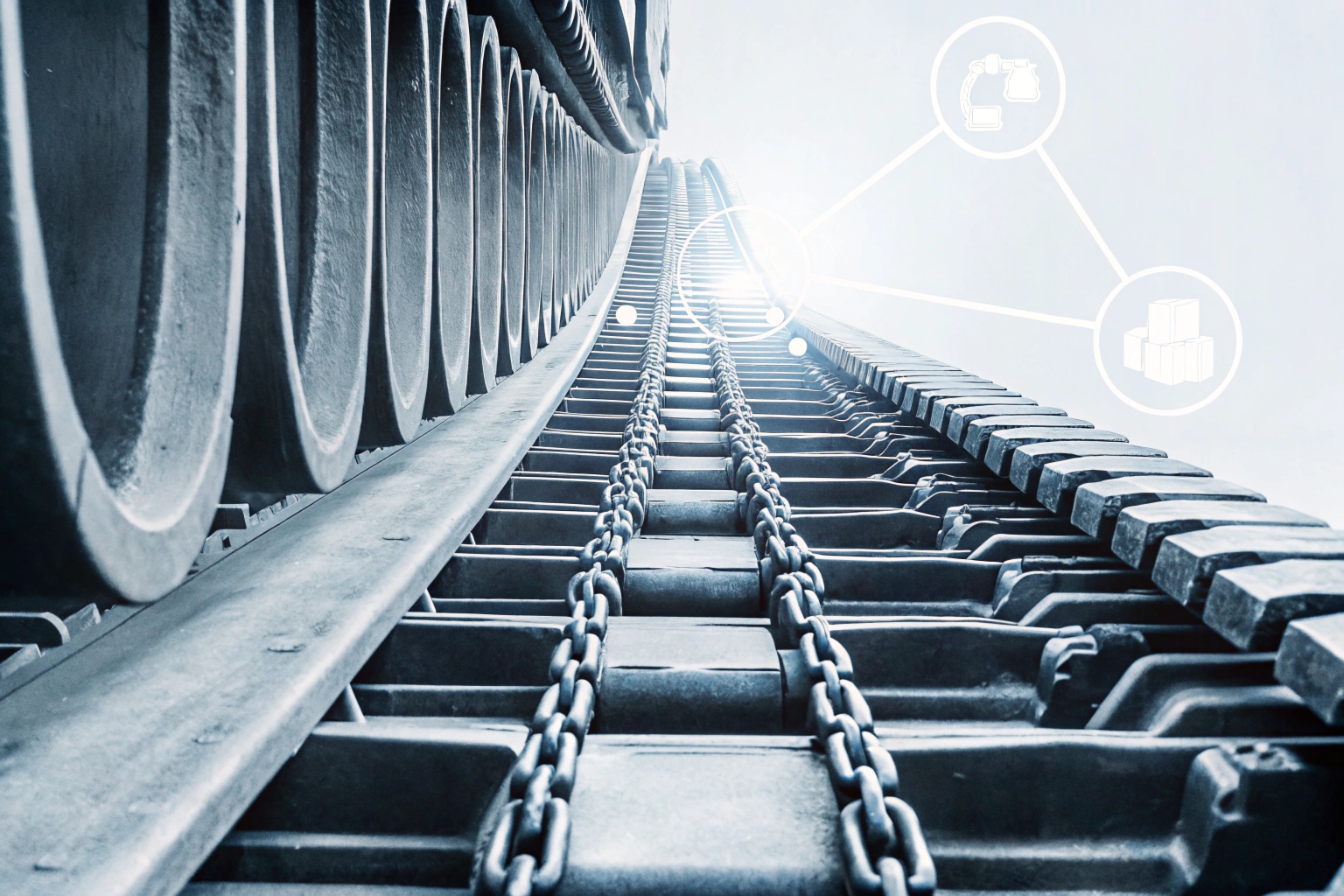
The traditional "30% Deposit / 70% Balance against Copy of B/L" model is standard for low-value consumer goods, but for high-stakes engineering components like excavator undercarriage parts, it is often inadequate. When you pay the final 70% based solely on a Bill of Lading 1, you are only paying for the fact that something was shipped. You are not paying for the quality, the hardness depth of the rollers, or the correct pitch of the track chains 2. By the time the container arrives at your warehouse in the US, you have already paid in full. If the goods are defective, your leverage is gone.
This is why I advocate for a more granular approach. We need to rethink the deposit first. The prompt suggests a Deposit of 10-20%. This is lower than the standard 30%, but it is legally sufficient to validate the contract. This amount allows the supplier to buy raw materials and schedule production without putting too much of your cash flow at risk.
The Strategic Value of a Lower Deposit
From a manufacturer’s perspective, receiving 10-20% is enough to show buyer sincerity. For you, the buyer, it minimizes your exposure. If the supplier goes bankrupt or fails to communicate, you lose 10% rather than 30%. Furthermore, this stage sets the tone for the relationship. We can write a clause stating that if the supplier fails to prepare the goods by the agreed date, they must refund double the deposit. This transforms the deposit from a simple payment into a performance bond.
Breaking Down the Balance
Instead of a lump sum 70% payment, we break the remaining amount into functional milestones. This changes the dynamic of the trade. You are no longer hoping the supplier did a good job; you are paying them because they proved they did a good job. This shift is crucial for long-term stability in the supply chain 3.
| Payment Stage | Standard Model Risk | Optimized Model Benefit |
|---|---|---|
| Deposit | High exposure (30%). Hard to recover if the supplier ghosts you. | Low exposure (10-20%). Sufficient to lock in steel prices and production slots. |
| Production Phase | No visibility. You wait and hope. | Active monitoring. Payment is contingent on updates. |
| Final Payment | Paid against documents. No quality check guaranteed before payment. | Split into "Dispatch" and "Acceptance" payments based on physical verification. |
| Post-Delivery | Zero leverage. Supplier has all the money. | Retained leverage (Warranty Fund) ensures support. |
By moving away from the lazy 30/70 split, you force the supplier to stay engaged throughout the entire lifecycle of the order, not just until the box is on the ship.
Can I Tie Payments to Pre-Shipment Inspections?
You should never pay the bulk of your order for parts you have not seen or verified. I always insist that the significant middle portion of the payment depends strictly on passing a rigorous physical check.
Yes, you absolutely can and should. You must structure a 30-40% "Dispatch Payment" that is triggered only after a third-party or on-site inspection confirms the model dimensions, quantity, and visual quality of the track chains and rollers.
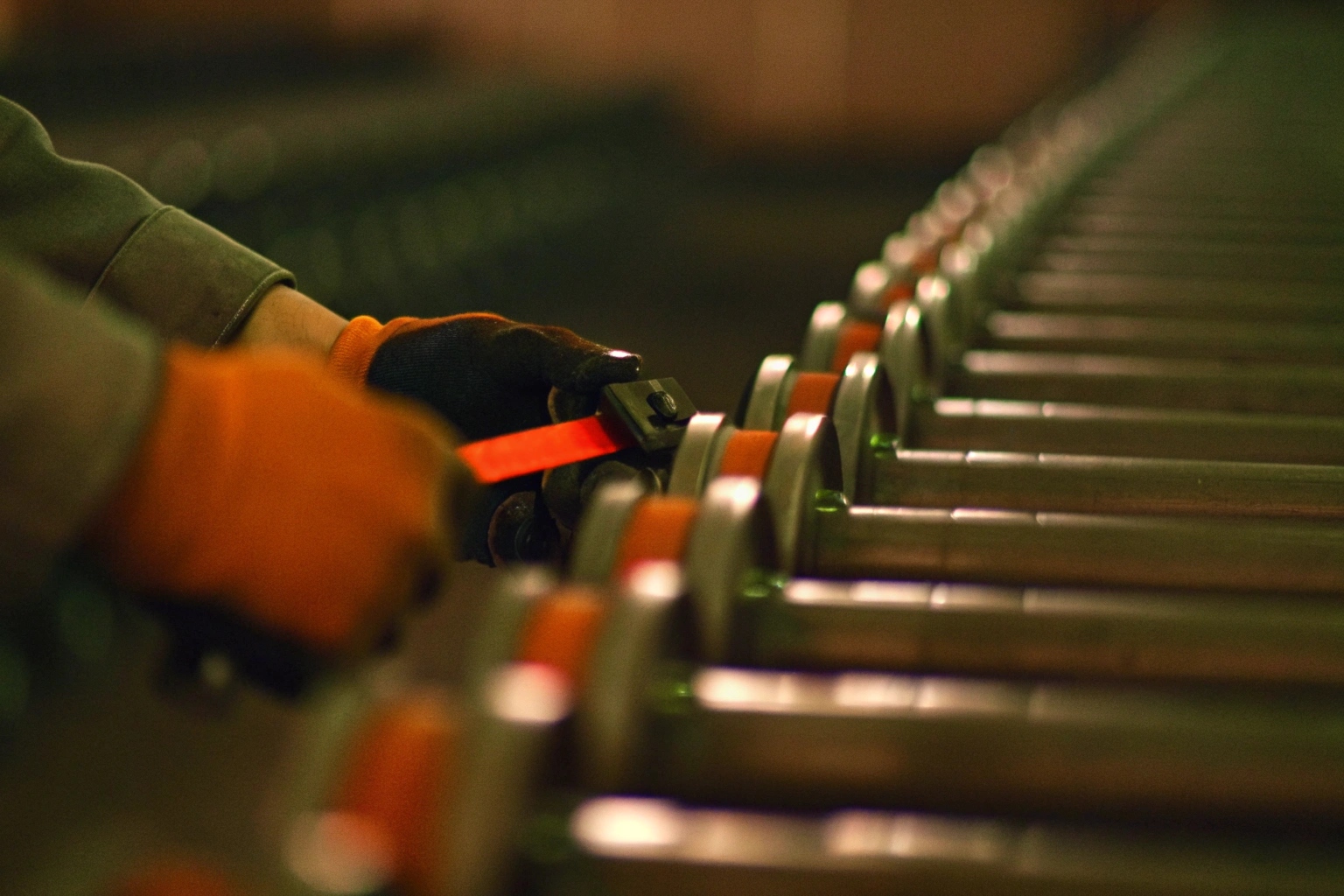
The "Dispatch Payment" is the most critical milestone in controlling quality before the goods leave the country of origin. In my experience manufacturing at Dingtai, we welcome this because it protects us from shipping errors just as much as it protects the client. This payment milestone, typically 30-40% of the total value, happens after production is finished but before the goods are loaded into the container.
What Defines the Trigger for This Payment?
You cannot just say "pay after inspection." The contract must be specific. The payment is released only when the supplier provides a comprehensive inspection report 4. This report acts as the key to unlock the funds. If you cannot visit the factory yourself, you hire a third-party agency, or you demand a video call inspection.
The criteria for this payment must include:
1. Quantity Check: Are all 200 rollers present?
2. Model Verification: Do the mounting bolt holes match the technical drawing?
3. Visual Appearance: is the paint job correct? is there rust?
If these conditions are met, you pay the Dispatch Payment. This ensures you never pay for the wrong goods. I have seen cases where buyers paid the balance against a B/L, only to open the container and find track shoes 5 that did not fit their machines. At that point, returning heavy steel parts to China is too expensive, and the money is lost.
The Role of Documentation
We need to formalize this in the purchase order 6. The clause should read: "The second installment of 40% shall be paid after the Buyer or their agent has inspected the goods at the Seller’s factory, confirmed that specifications regarding model, quantity, and appearance are met, and issued a written Acceptance of Quality certificate."
This creates a "Gate." The goods do not move, and the money does not move, until the gate is opened by the quality report. This eliminates the nightmare scenario of receiving a container full of scrap metal.
Inspection Checklist Example
| Inspection Item | Acceptable Standard | Consequence of Failure |
|---|---|---|
| Hardness (HRC) | Surface 52-58 HRC | Payment withheld; Re-heat treatment required. |
| Dimensions | +/- 1mm tolerance on mounting holes | Payment withheld; Parts rejected/remade. |
| Visual | No cracks, clean paint, proper palletizing | Supplier must rework finish before shipping. |
| Quantity | 100% Match to Packing List | Supplier produces missing units before dispatch. |
By tying 30-40% of the money to this specific event, you ensure that the supplier checks their own work carefully before they even call you for the inspection.
Should I Hold Retention for Quality Claims?
Even the best-looking parts can fail under load, and I need to know my supplier stands behind their product long after the container is opened.
Holding a 5-10% retention balance is a critical safeguard. It acts as a warranty bond, payable only after 3 to 12 months of defect-free operation, ensuring the supplier remains responsive to any premature failures.

The concept of "Retention Money" or a "Warranty Bond" is standard in construction but underused in parts procurement. For high-wear components like idlers, sprockets, and tension cylinders, visual inspection isn’t enough. A hidden casting defect or an internal seal failure might not show up until the machine has been running for 500 hours in the mud. This is where the 5-10% Retention Payment comes into play.
The Psychology of the Last 10%
You might think 5% isn’t a lot of money. But in the manufacturing world, net profit margins can be tight. That last 5-10% often represents the supplier’s entire profit on the order. By holding this amount back, you keep the supplier’s attention. If a track link breaks two weeks after installation, a supplier who has already been paid 100% might drag their feet on a claim. A supplier who is waiting for their final 10% will rush to solve the problem to release their funds.
Implementing the Warranty Period
The terms for this milestone need to be reasonable but firm.
- Amount: 5% to 10% of the total contract value.
- Duration: 3 to 12 months, depending on the part type. For consumables like bucket teeth 7, 3 months might be enough. For structural parts like a recoil spring 8 or idler, 6 to 12 months is better.
- Release Condition: "The retention amount shall be paid without interest within 5 days after the expiration of the warranty period, provided no valid quality claims are pending."
This approach aligns perfectly with your business model as a distributor. Your customers (the end-users) will complain to you if parts fail. You need back-to-back protection. You don’t want to be out of pocket paying refunds to your customers while your supplier ignores your emails.
Risk Management for Hidden Defects
Some defects, like improper tempering depth in a sprocket, are invisible. They cause rapid wear. If you pay 100% before the goods are used, you assume 100% of that hidden risk. By holding retention, you share that risk with the manufacturer. It motivates the manufacturer to use better raw materials and stricter heat treatment processes because they know they won’t get their profit if the part fails early.
Typical Warranty Durations for Undercarriage Parts
| Component | Recommended Retention Period | Typical Failure Mode |
|---|---|---|
| Track Chains | 6 – 12 Months | Link breakage, pin seizure, bushing cracks. |
| Rollers (Top/Bottom) | 6 Months | Oil leakage, seal failure, bearing seizure. |
| Sprockets/Segments | 3 – 6 Months | Premature tooth wear, breakage. |
| Idlers | 6 – 12 Months | Crack in casting, bracket deformation. |
This final milestone is your insurance policy. It turns a transaction into a partnership where both sides have a vested interest in the product performing well.
How Do I Set Penalties for Delayed Delivery?
A delayed shipment can ruin your reputation with your customers, so I believe contracts must have teeth to ensure timelines are respected.
You must include specific penalty clauses for delays, such as a double return of the deposit if production exceeds the deadline. This converts delivery promises into financial obligations, ensuring your order gets priority on the production line.

The final piece of the puzzle is the Acceptance Payment (30-40%) and the penalties associated with it. This payment is made after the goods arrive at the destination and pass a final check or installation. However, the timing of when these goods arrive is crucial. Late delivery is a silent killer of profit for distributors.
The Double Refund Clause
As mentioned in the initial insights, we can structure the deposit so that if the supplier fails to deliver, they must refund double the deposit amount. This is aggressive, but effective. It signals that you are serious.
- Clause Example: "If the Seller fails to complete production within 15 days of the agreed delivery date, the Seller shall refund the Buyer twice the amount of the initial deposit."
- This protects you against the opportunity cost. If you miss a season because the supplier was late, getting your original money back isn’t enough. You need compensation for the time lost.
The Acceptance Payment Logic
The third major tranche of money, the Acceptance Payment, is roughly 30-40%. This is paid after the goods arrive at your warehouse or the job site.
- Trigger: Successful installation or sampling test.
- Timing: 3 to 5 working days after receiving a valid invoice following acceptance.
- Why this matters: Sometimes damage happens during shipping (saltwater corrosion 9) or the wrong parts were loaded despite the pre-shipment inspection (rare, but possible). This payment safeguards against "Dead on Arrival" issues.
Calculating Liquidated Damages
Beyond the "nuclear option" of the double deposit refund, you need a sliding scale for minor delays. This is often called Liquidated Damages 10.
- Standard Rate: 0.5% to 1% of the total order value per week of delay.
- Cap: Usually capped at 5% or 10% of the total value.
If the supplier knows they will lose 1% of their revenue for every week they are late, they will prioritize your order over a client who has no penalty clauses. It is simple human nature.
Acceptance and Penalty Flow
| Event | Action/Penalty |
|---|---|
| On-Time Delivery | Buyer pays "Acceptance Payment" (30-40%) within 5 days of arrival/test. |
| 1 Week Delay | Supplier invoice reduced by 0.5% penalty. |
| 4 Weeks Delay | Supplier invoice reduced by 2% penalty; Buyer may cancel order. |
| Non-Delivery | Supplier must refund 2x Initial Deposit. |
By combining the Acceptance Payment with strict penalty clauses, you close the loop on risk. You have protected the start (Deposit), the middle (Dispatch), and the end (Acceptance/Warranty).
Conclusion
Designing a milestone payment structure is about control. By using a 10-20% deposit, a 30-40% pre-shipment payment, a 30-40% acceptance payment, and a 5-10% warranty retention, you align the supplier’s financial incentives with your quality requirements.
Footnotes
1. Definition of Bill of Lading in international shipping. ↩︎
2. Overview of track chains and undercarriage components. ↩︎
3. Understanding the complexities of modern supply chain management. ↩︎
4. Importance of third-party inspection reports for quality control. ↩︎
5. Specifications and types of excavator track shoes. ↩︎
6. Legal definition and function of a purchase order. ↩︎
7. Guide to bucket teeth selection and wear life. ↩︎
8. Function and maintenance of excavator recoil springs. ↩︎
9. Causes and prevention of saltwater corrosion in shipping. ↩︎
10. Legal overview of liquidated damages clauses in contracts. ↩︎