

Sometimes, dealing with a failed undercarriage part can feel daunting, especially considering the technical aspects involved. I’ve found myself in similar situations, navigating the complexities of warranty claims 1 and ensuring everything is in place.
To file a warranty claim for a failed undercarriage part, you must first contact the retailer or manufacturer from whom the part was purchased. They will guide you through the specific process, usually requiring proof of purchase 2 like a receipt or invoice. You will also need to provide detailed photos of the failed part along with a written statement describing the problem 3 and how the part was used. Ensuring all your documents are clear and complete is crucial to avoiding delays in the claims process.
A comprehensive understanding of the warranty claim process is essential. It starts with contacting the manufacturer or retailer, but don’t forget to verify the warranty terms and period 4. Also, documentation of regular maintenance 5 and proper installation 6 might be necessary. Collecting all relevant correspondence and evidence will streamline the process.
What photos or videos do I need to submit with my claim?
Providing evidence through photos and videos is critical; it helps substantiate the claim effectively. I’ve learned the importance of capturing multiple angles and highlighting part numbers and defects.
Typically, detailed photographic or video evidence is essential for a claim, requiring multiple angles, clear identification of part numbers, and depiction of the specific defect. This helps assess the issue effectively.
Why Evidence Matters
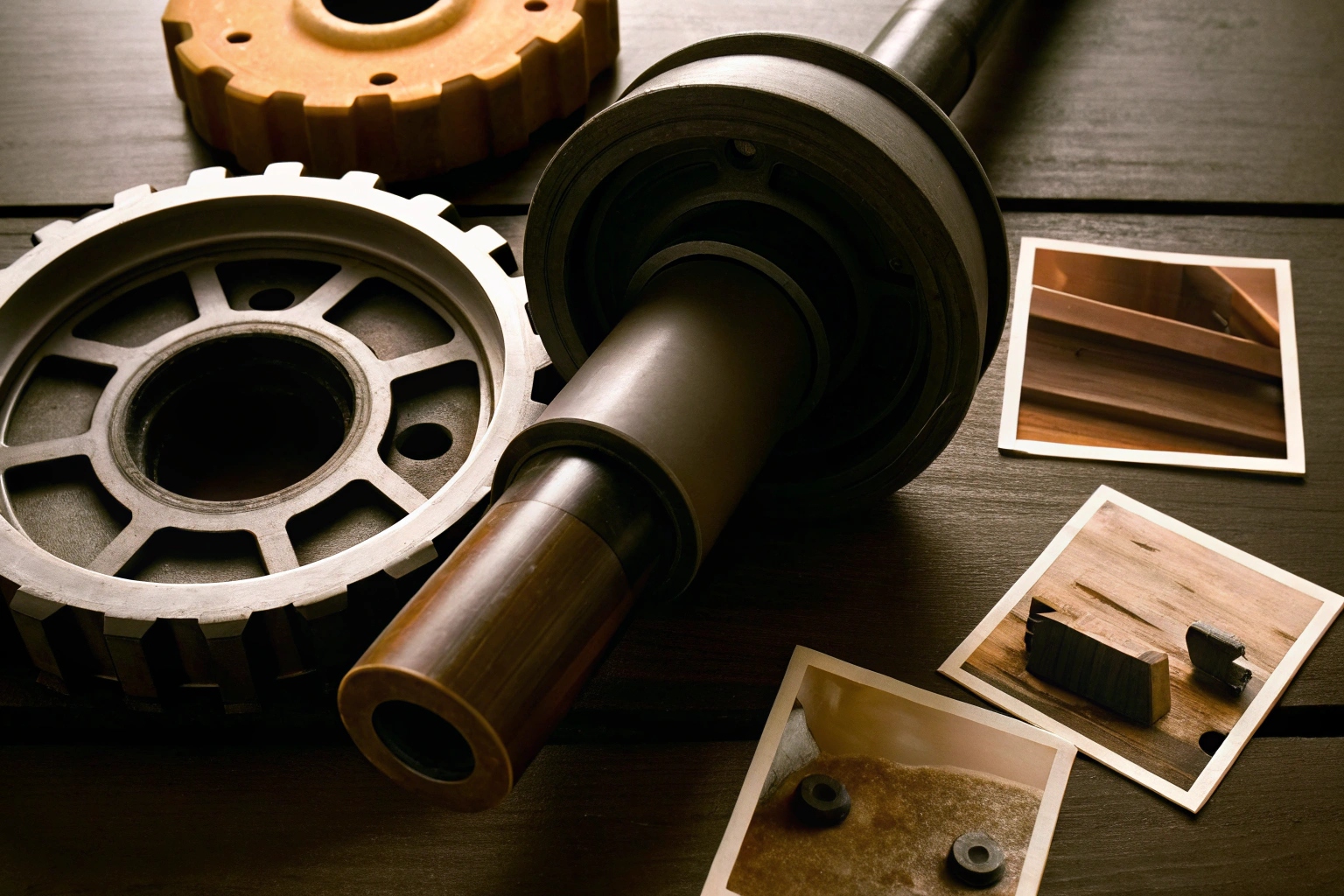
When submitting a warranty claim, evidence plays a pivotal role. Photos or videos serve as primary documentation to verify the defect’s nature. These should clearly show the part from various angles, focusing on any apparent damage or malfunctions. Furthermore, having images that reveal the serial numbers and heat treatment codes 7 can significantly aid in identifying the batch and verifying authenticity.
Collecting Comprehensive Visual Proof
Gathering high-quality evidence is not merely a step but a necessity. Photos should be taken under good lighting to highlight specifics. Videos might include a 360-degree view of the part. Close-ups of the defect help pinpoint the issue to the evaluators. Remember, clarity in documentation can reduce scrutiny and expedite processing.
Do I need to provide serial numbers or heat treatment codes from the part?
Providing specific identifiers such as serial numbers can be tedious; however, they’re often necessary for verification purposes. I’ve spent time ensuring these little details are always at hand when needed.
Yes, warranty claims often necessitate providing serial numbers and heat treatment codes from the part, as they confirm the item’s authenticity and identify production batches.
Understanding Identification Codes
Serial numbers and heat treatment codes are significant identifiers. They serve multiple purposes: ensuring the part’s authenticity, identifying the production batch, and aligning the claim with the right warranty. It’s these numbers that differentiate one part from another and help trace its manufacturing lineage.
Importance of Accurately Documenting Codes
The precise notation of serial numbers is key in the warranty process. Manufacturers rely heavily on this data to evaluate claims. Defects tied to specific batches might suggest broader issues, making these identifiers even more critical. Challenges may arise when codes wear off, so it’s advisable to record them immediately post-purchase.
Will I have to ship the defective part back to China for analysis?
Returning defective parts for analysis can be inconvenient but critical for accurate assessment. I’ve heard stories of peers navigating such procedures with patience and precision.
The warranty provider may require you to ship the defective part back to China 8 for analysis, allowing their experts to conduct a thorough inspection and determine the fault’s origin.
Logistics of Returning Faulty Parts
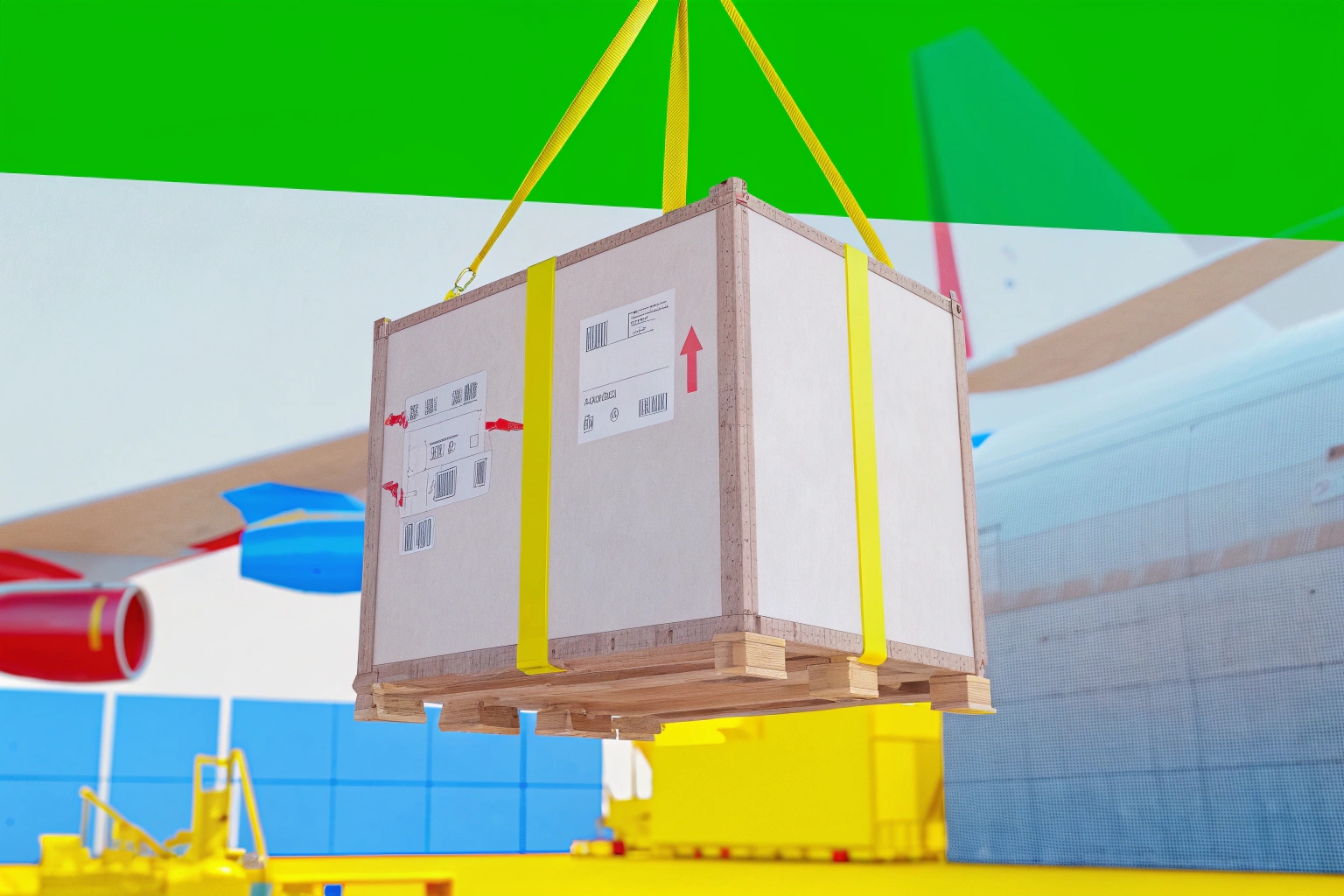
Returning parts might sound challenging, especially overseas, but it often remains necessary. This requirement aims to allow the manufacturer to perform a detailed examination and understanding of the failure. Upon evaluation, the provider may decide to repair, replace, or offer a credit based on the findings.
The Process of Transnational Returns
Shipping parts internationally ought to be approached with meticulous planning. Ensure parts are securely packed to prevent further damage. Collaborate with logistics providers who specialize in international shipping. Retaining all shipment confirmations and customs documentation 9 ensures a smooth and traceable process.
What is the typical timeframe for getting a replacement part or credit note?
Waiting for replacements and credit notes can test one’s patience; understanding the typical timeframe facilitates better planning and expectations. I’ve learned anticipation makes the wait more manageable.
The typical timeframe for receiving a replacement part or credit note varies, generally ranging from two weeks to several months, depending on the severity of the issue and geographic logistics.
Managing Time Expectations
Timeframes for receiving a replacement part can be unpredictable. It hinges on the manufacturer’s assessment speed, part availability, and logistical factors. Keeping regular communication with the warranty provider enables better anticipation and planning.
Factors Influencing Return Speed
Many elements influence how swiftly you receive a replacement or credit note. Companies often prioritize claims based on urgency, part availability, and fault nature. Timely follow-up with your warranty provider ensures your position and expectations are known. Supply chain dynamics 10, like shipping backlogs or part shortages, could also impact timelines.
Conclusion
Navigating warranty claims requires detailed documentation and patience. By understanding the process and gathering comprehensive evidence, you streamline the journey and ensure demand accountability.
Footnotes
1. A guide on how to navigate the equipment warranty claim process. ↩︎
2. Defines what qualifies as valid proof of purchase for claims. ↩︎
3. Tips for writing a clear and effective defect report. ↩︎
4. How to read and understand standard warranty limitations and durations. ↩︎
5. Examples of maintenance logs required to keep warranties valid. ↩︎
6. Importance of professional installation for undercarriage parts for excavators & bulldozer. ↩︎
7. Explains how these codes are used for parts identification. ↩︎
8. Guide to international shipping regulations for defective goods. ↩︎
9. Overview of customs paperwork needed for international returns. ↩︎
10. Analysis of how global logistics affect parts replacement timelines. ↩︎