

Managing a supply chain for undercarriage parts for excavators & bulldozer is critical in ensuring operational efficiency 1. Suppliers often face challenges like fluctuating prices or shortages 2, affecting delivery timelines and costs.
Suppliers typically establish long-term contracts with reputable steel manufacturers, allowing consistent supply and price stabilization. They also invest in on-site testing to ensure the quality of steel and seals, confirming compliance with standards before production.
Ensuring the security of raw materials requires strategic partnerships 3 and inventory management systems 4. Suppliers may diversify their sources, maintain communication with vendors, and possibly stockpile critical materials to buffer against disruptions. Some pursue vertical integration 5, controlling the supply chain from production to distribution.
Do you have dual suppliers for critical materials like steel and bronze bushings?
Dual sourcing offers redundancy in supply chains, providing alternatives to combat shortages and quality issues. Many suppliers opt for multiple sources for crucial components.
For critical materials like steel and bronze bushings, suppliers often rely on diverse networks of manufacturers. This strategy helps mitigate risks associated with supplier-specific challenges or market changes. 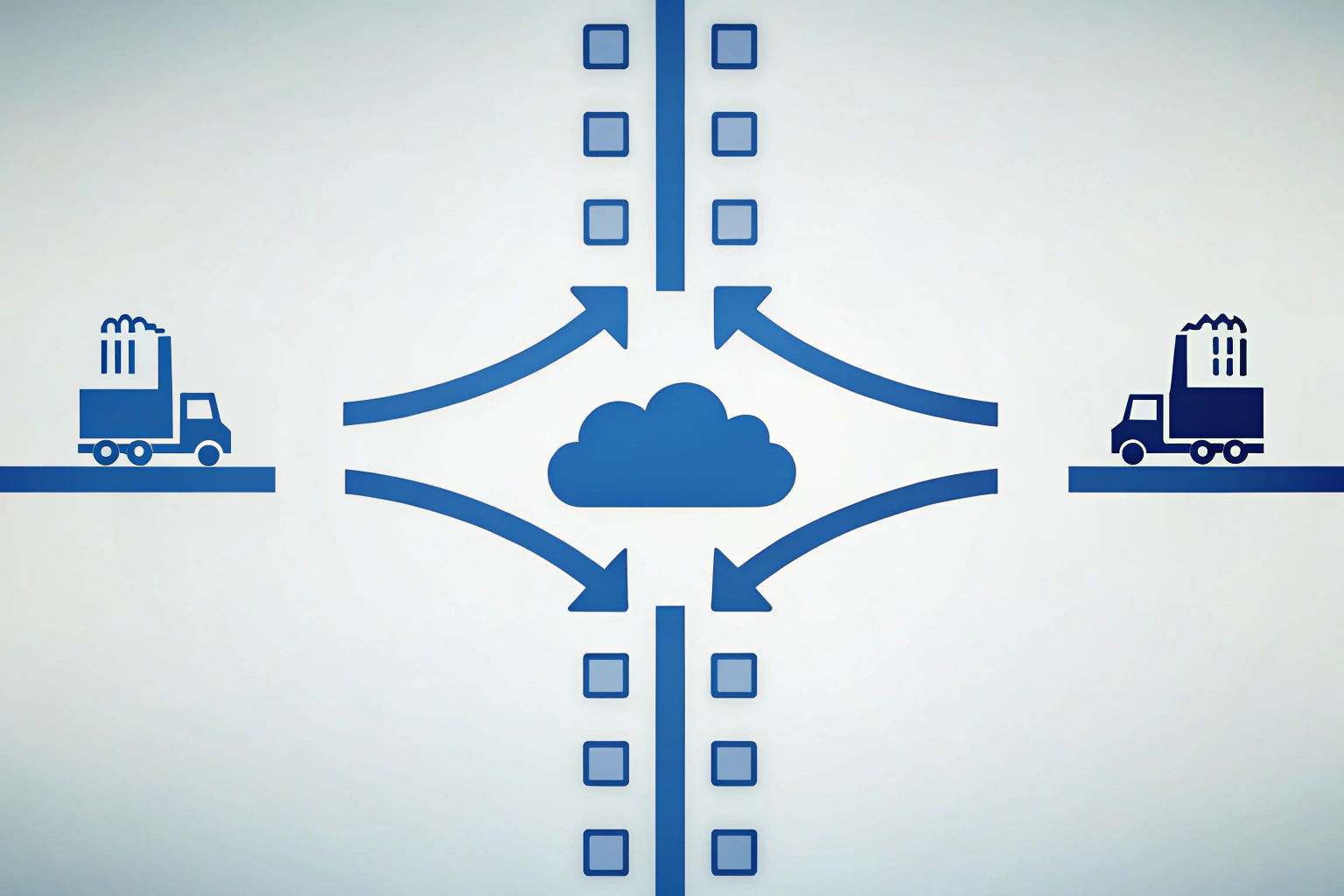
Maintaining dual suppliers involves strategic planning. Suppliers need to assess the reliability, cost, and quality of materials from different sources. Collaborations with renowned steel mills, for instance, ensure a steady flow of high-quality steel. Additionally, suppliers might conduct regular audits of vendors, focusing on compliance with environmental and ethical standards.
Suppliers make substantial investments in logistics and coordination. Dual sourcing demands substantial resources but offers resilience against unpredictable market shifts. It’s a critical component of risk management in the supply chain 6.
Key Benefits of Dual Sourcing
| Benefit | Description |
|---|---|
| Risk Mitigation | Reduces dependency on a single supplier, lowering risks of shortages. |
| Quality Consistency | Multiple sources allow for quality comparisons and assurance. |
| Cost Management | Leveraging different suppliers to balance costs and optimize spending. |
| Supply Chain Flexibility | Enhances adaptability to changing market conditions and customer demand. |
What is your audit process for your own raw material suppliers?
Auditing ensures that suppliers adhere to quality, ethical, and environmental standards, safeguarding the supply chain’s integrity.
The audit process for raw material suppliers includes regular inspections and evaluations to verify compliance and quality standards. Suppliers assess various factors, such as materials, processes, and practices, to ensure reliability.

Audits typically involve thorough inspections of manufacturing processes. Suppliers may check for adherence to international standards 7, evaluating material traceability 8 and testing results. Audits also cover ethical practices and environmental impact, ensuring suppliers maintain responsible governance. Communication and documentation are vital, providing transparency and accountability across the supply chain.
Typical Audit Scope
| Audit Area | Focus |
|---|---|
| Quality Assurance | Evaluation of materials and processes to ensure product consistency and standards. |
| Compliance Checks | Verification of adherence to legal and environmental regulations. |
| Ethical Practices | Assessment of labor practices and corporate governance. |
| Environmental Impact | Examination of sustainability measures and eco-friendly practices. |
Audits encourage continuous improvement, driving suppliers to enhance their offerings and align with industry advancements.
Can you provide the material traceability records back to the steel mill?
Traceability in supply chains enhances transparency and trust, crucial for quality control and compliance.
Suppliers often implement systems to track materials from their origin, providing detailed traceability records back to the steel mill. This allows them to ensure authenticity and quality upon delivery.

Material traceability involves a systematic approach to documentation. Suppliers may use technology like blockchain or digital platforms 9 to record data about material origin, composition, and processing history. These records enable clients to verify specifications and compliance, facilitating quality assurance and accountability.
Traceability System Features
| Feature | Benefit |
|---|---|
| Blockchain Technology | Provides secure and transparent tracking of materials throughout the supply chain. |
| Digital Documentation | Enhances efficiency and accuracy in record keeping and audits. |
| Real-Time Tracking | Allows live monitoring of materials, improving inventory and production planning. |
Traceability records support regulatory compliance and instill confidence in clients, preventing disputes related to quality and assurance.
How do you protect my orders from raw material price volatility or shortages?
Protecting orders against volatility and shortages involves strategic planning and financial management, ensuring stable supply and pricing.
Suppliers may employ financial hedging instruments, such as futures contracts, to manage steel price fluctuations. They also maintain safety stocks and strategic buffers to mitigate the impact of shortages.
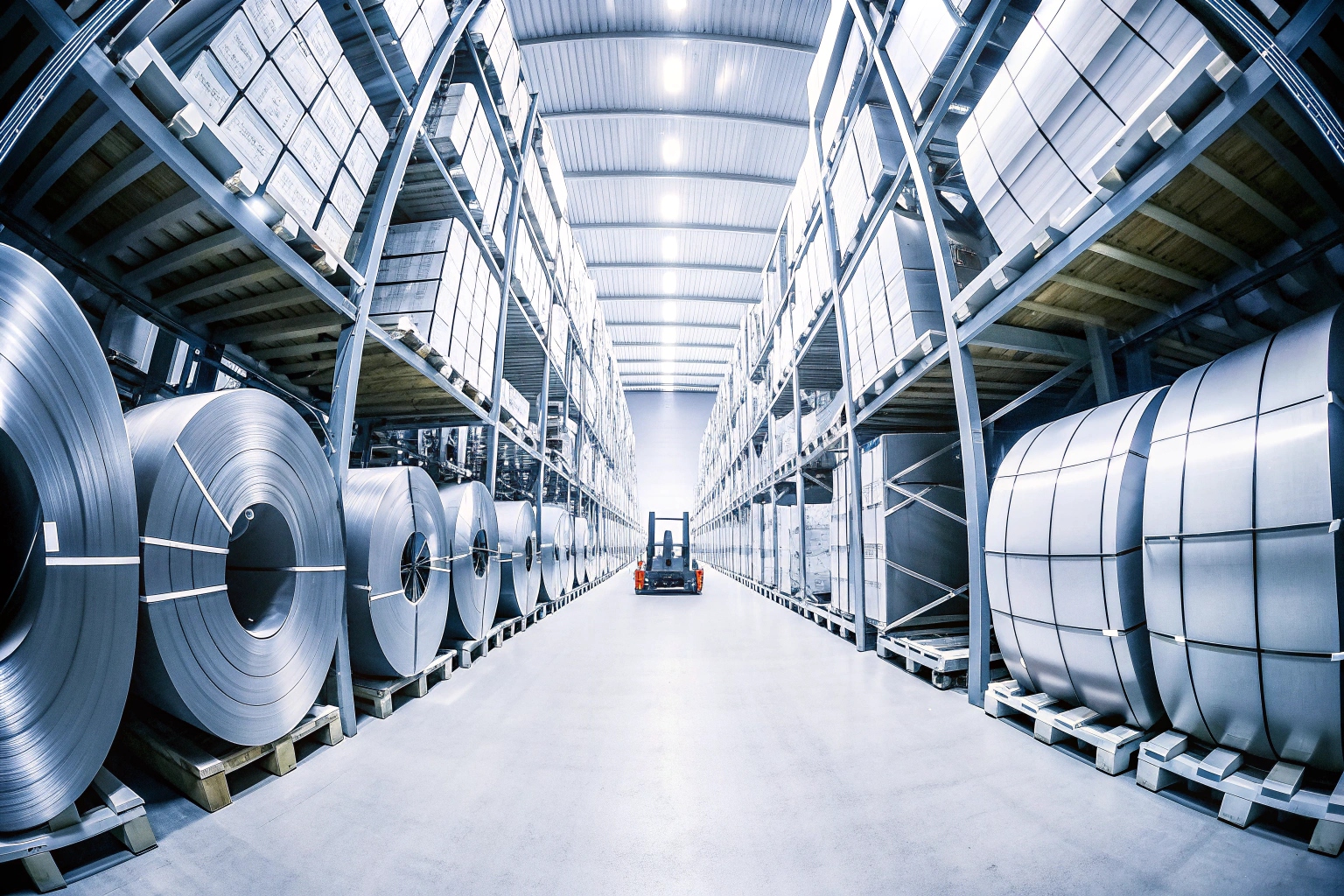
Price volatility necessitates robust financial strategies. Suppliers analyze market trends using advanced analytics 10, predicting shifts in pricing and availability. Safety stocks act as cushions against unforeseen supply chain disruptions, providing flexibility in inventory management.
Strategies for Managing Price Volatility
| Strategy | Description |
|---|---|
| Futures Contracts | Used to lock in prices and manage exposure to market fluctuations. |
| Safety Stocks | Maintaining reserve inventories to buffer against supply shortages. |
| Market Analytics | Utilizing data and analytics to forecast trends and optimize purchasing. |
| Diversified Sourcing | Engaging multiple suppliers to mitigate risks associated with price volatility. |
These strategies ensure a reliable supply chain, offering clients stability and confidence amid market uncertainties.
Conclusion
Understanding how suppliers manage their supply chains provides insight into their reliability and robustness. Effective management of raw materials ensures consistent quality and delivery, crucial for client satisfaction and business continuity.
Footnotes
1. Strategies for improving operational efficiency in manufacturing supply chains. ↩︎
2. How to manage commodity price fluctuations and material shortages. ↩︎
3. Building successful strategic partnerships in supply chain management. ↩︎
4. A guide to modern inventory management systems for suppliers. ↩︎
5. Understanding the benefits and risks of vertical integration. ↩︎
6. Key components of effective supply chain risk management. ↩︎
7. Learn about international standards (e.g., ISO) for manufacturing. ↩︎
8. Importance of material traceability in quality control and compliance. ↩︎
9. How blockchain technology enhances supply chain transparency. ↩︎
10. Using advanced analytics for market trend forecasting in procurement. ↩︎