
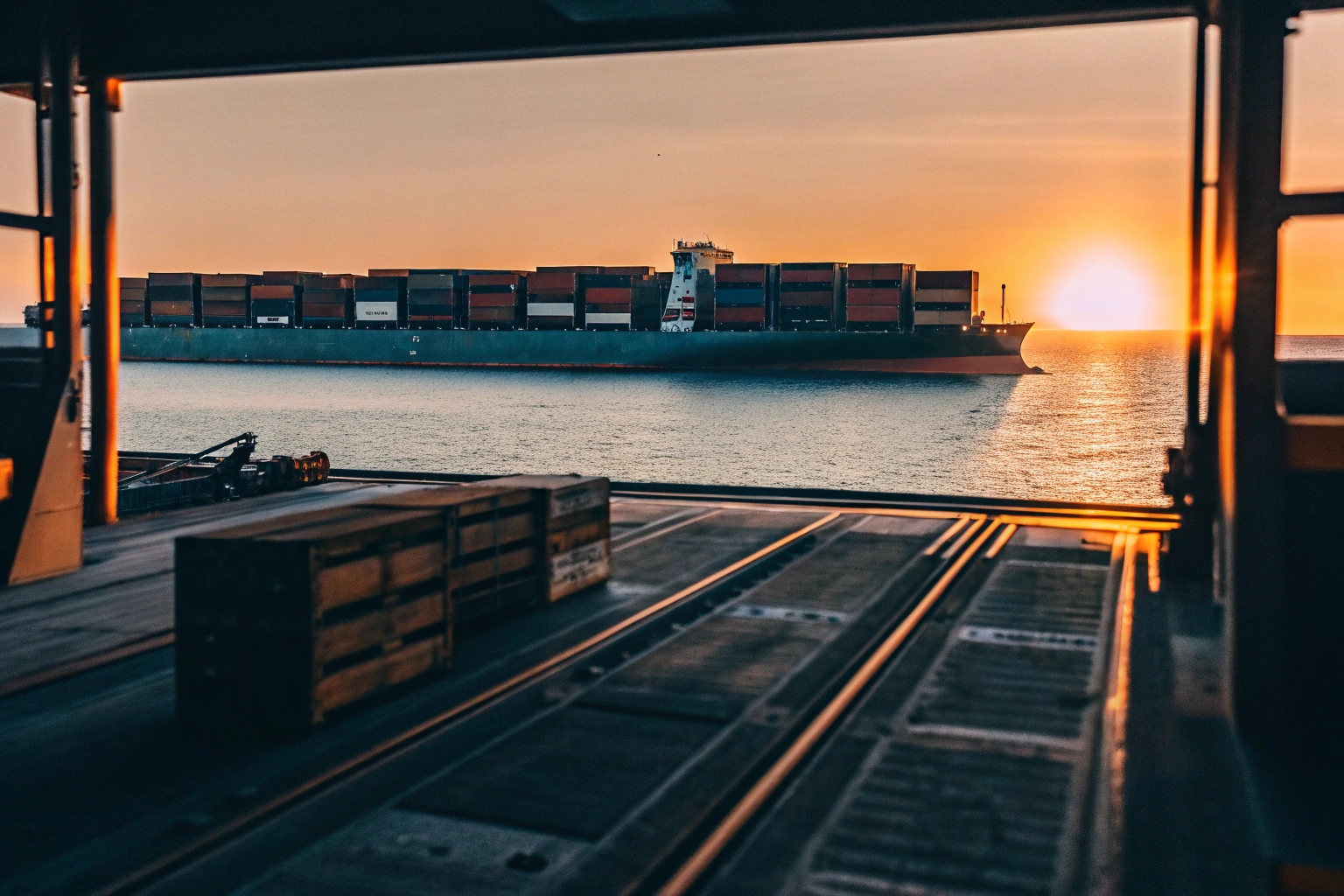
Every company shipping goods overseas worries about delivery times. I recently puzzled over lead times for undercarriage parts for excavators & bulldozer shipped from China to the US coasts and experienced delays due to global shipping issues 1.
Undercarriage parts shipped to the US West Coast currently have a lead time of 30 to 40 days, while those destined for the East Coast take slightly longer, ranging from 35 to 45 days. Factors like port congestion 2 and customs can add additional time.
Shipping times vary greatly based on departure port and carrier schedules 3. Seasonal spikes, pandemic disruptions, and trade policies 4 also affect lead times. Technology helps track shipments better, but unpredictable weather or route changes can cause further delays.
How long does it take to book a container from your port (Xiamen/Fujian)?
Securing a spot on a vessel can sometimes feel like a waiting game. I’ve faced scenarios where booking and departure timelines stretch due to demand dynamics and supply chain hiccups 5.
Booking a container from Xiamen or Fujian during regular times usually requires 7-10 days in advance. Peak seasons like holidays might necessitate booking 2-3 weeks ahead due to increased cargo volumes 6.
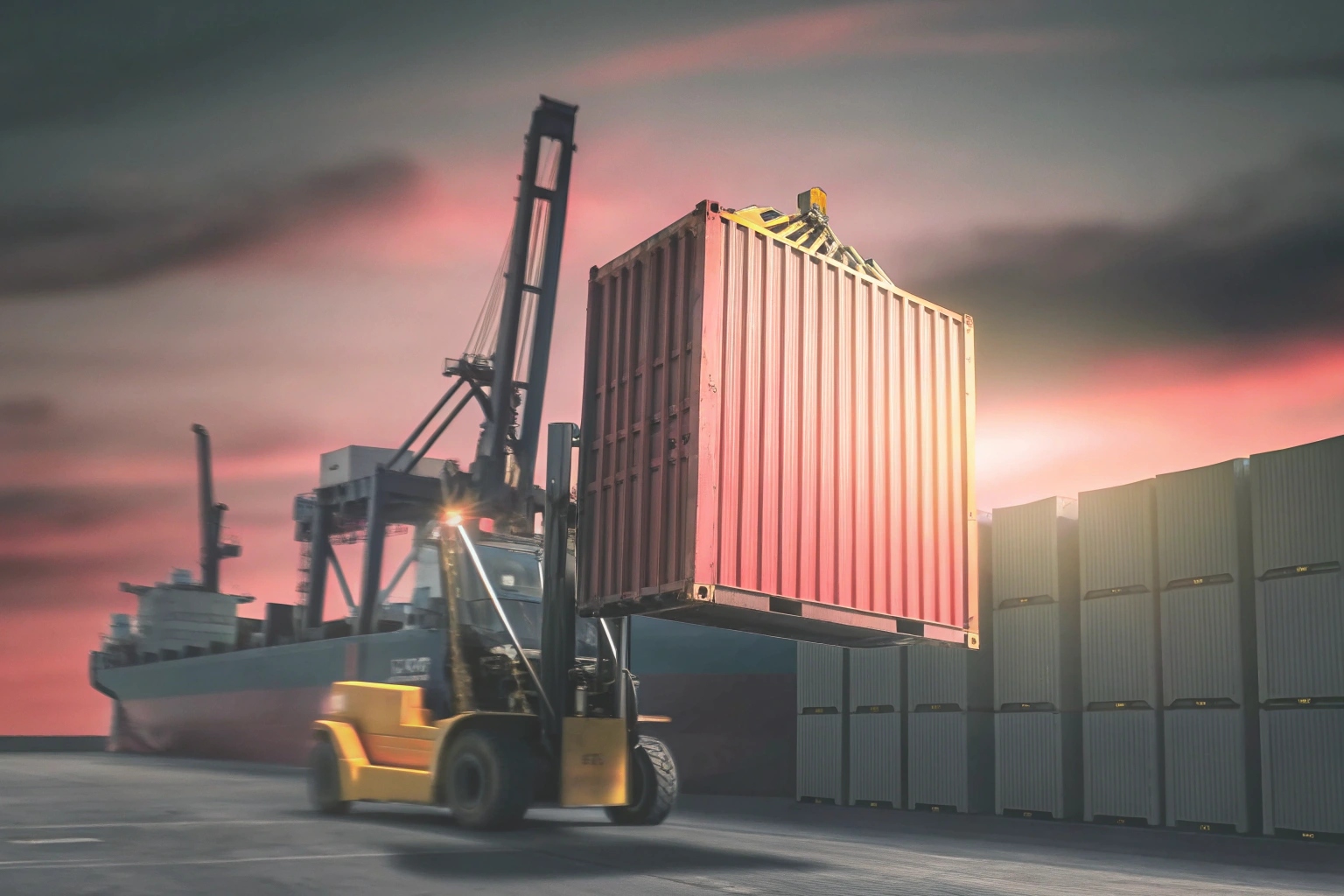
During peak seasons, increased demand for slots can extend booking times. Different shipping line relationships provide variability in availability. Swift decision-making and utilizing express services might reduce waiting times but at additional costs.
What is the average ocean transit time to Long Beach (USWC) vs. New York (USEC)?
Calculating transit time for cargo is like solving a complex puzzle where each piece has its own importance. My analysis shows varying figures driven by factors like route, carrier, and geopolitical events 7.
Average ocean transit times are approximately 15-25 days to Long Beach (USWC) and 25-40 days to New York (USEC). Major disruptions or route alterations can modify these numbers.
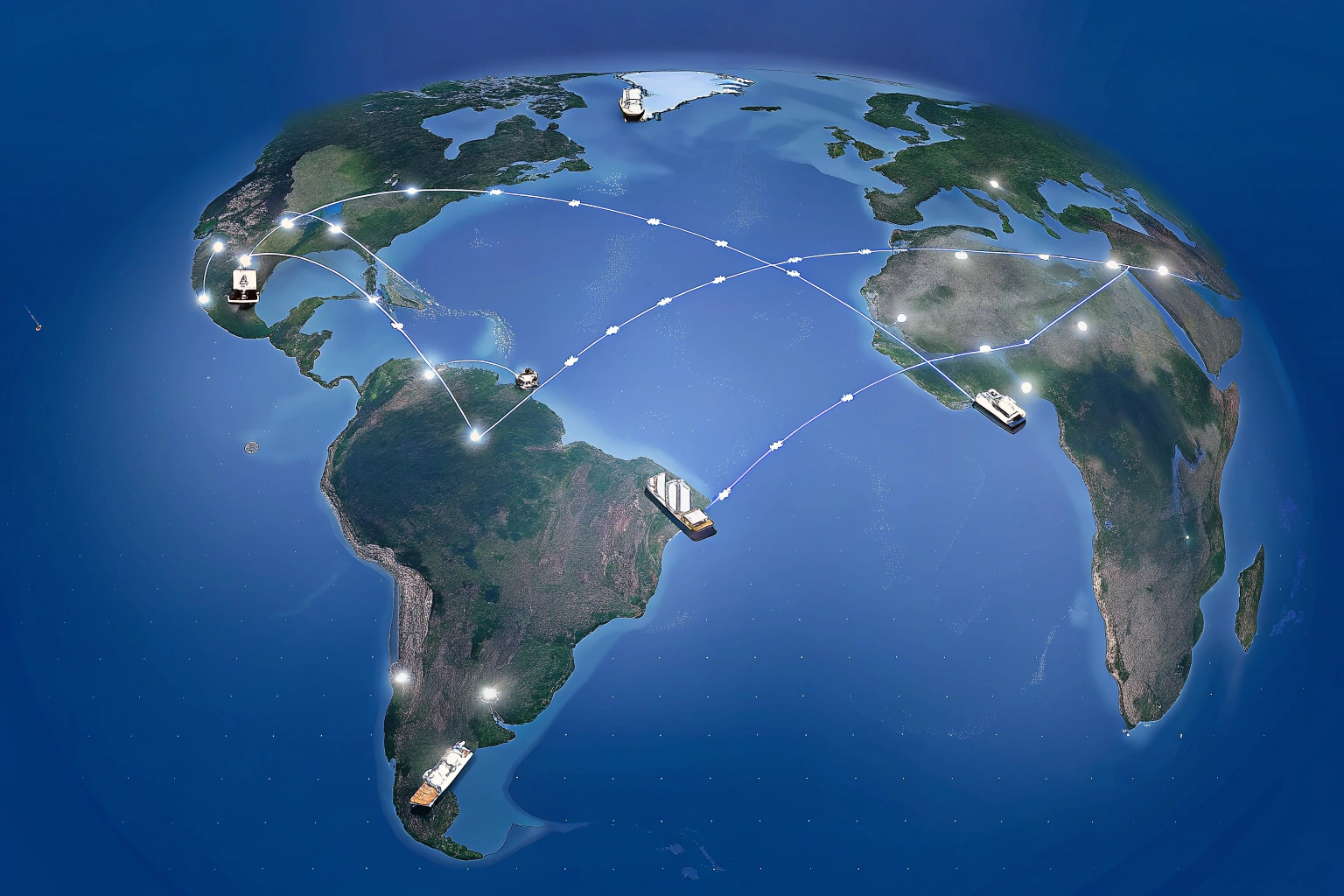
Transit journeys are impacted by navigational preferences and port congestions. Seasonal demand changes can also cause fluctuations. During disruptions, shipping lanes might be rerouted, extending times for some eastbound voyages.
Are there any port delays or shipping challenges I should be aware of right now?
Shipping challenges are abound, complicating logistics for many businesses. I’ve encountered firsthand the hurdles of tackling unexpected port congestion, customs scrutiny, and fluctuating vessel timings.
Current port delays 8 stem from congestion at primary US gateways, adding 5-10 days to vessel wait times. Drayage issues 9, including truck driver shortages 10, slow down container movement.
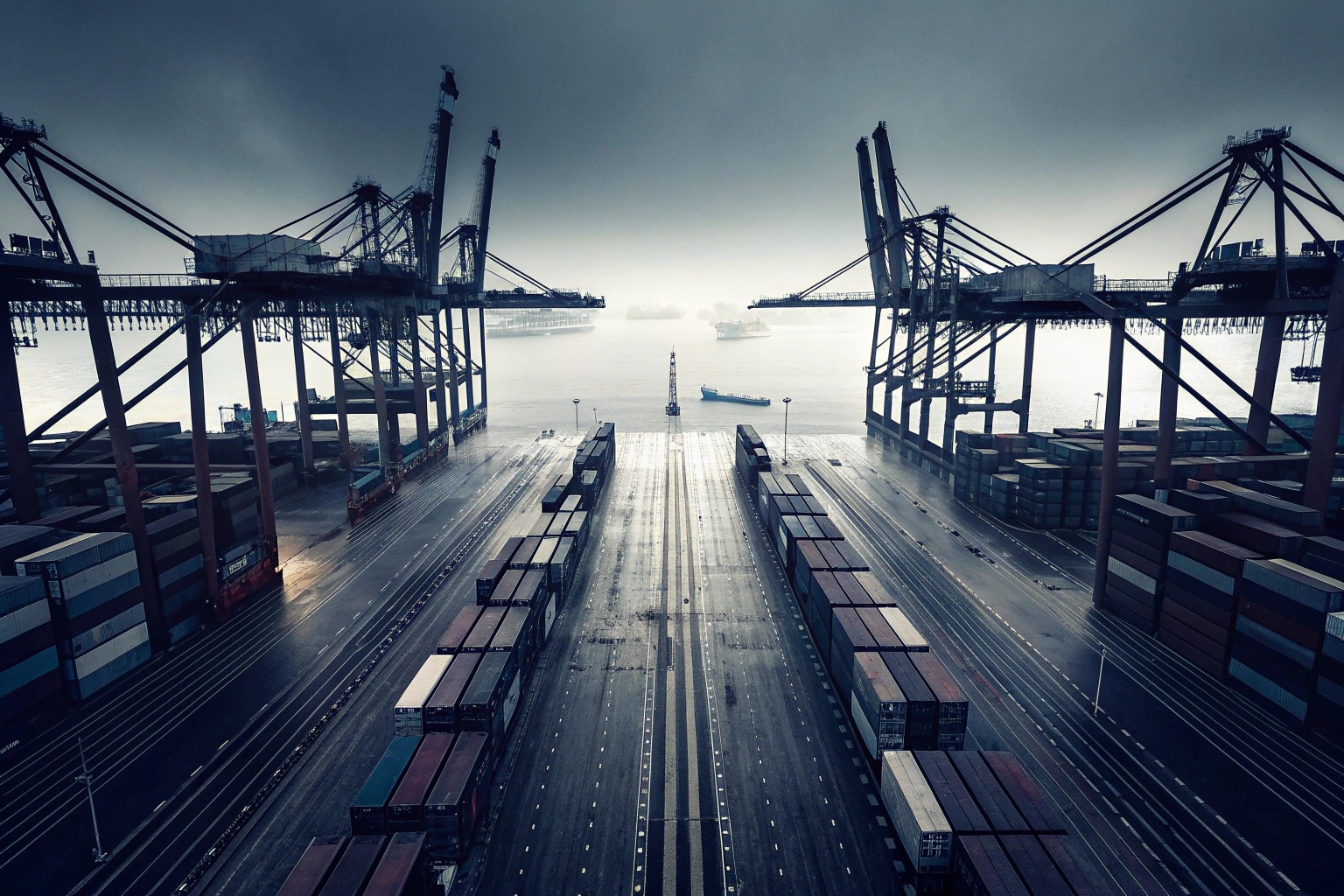
Logistical challenges arise from spikes in imports and tariff changes. Inland transit delays further compound wait times. Specialized containers for heavy cargo might face booking challenges, while customs inspections for machinery parts can create additional delays.
Recent Port Delay Statistics
| Port | Average Delay | Cause |
|---|---|---|
| Los Angeles/Long Beach | 5-10 days | Congestion |
| New York/New Jersey | 7-12 days | Increased Imports |
| Seattle | 4-8 days | Drayage Issues |
Which shipping lines (e.g., Maersk, COSCO) do you have the best relationship with?
Coordinating with established shipping lines ensures smoother operations and reliability. Through strategic partnerships, I’ve leveraged connections for timely deliveries.
Maersk and COSCO are preferred due to their flexible scheduling and reliable services. Fast ships from lines like Matson offer reduced transit times during the off-season, enhancing efficiency.

Strategic relationships with major lines create leverage in booking. Use of express services for premium shipments helps circumvent congestion. The choice of carrier depends on route efficiency, lead time expectations, and overhead cost considerations.
Shipping Line Partnership Overview
| Shipping Line | Partnership Strength | Services Offered |
|---|---|---|
| Maersk | Strong | Flexible Scheduling |
| COSCO | Stable | Reliable Services |
| Matson | Robust | Fast Ships |
Conclusion
Understanding shipping dynamics is crucial for successful logistics planning. Thorough research can guide decisions on lead time expectations, carrier choices, and strategic booking practices.
Footnotes
1. Analysis of current challenges affecting international freight. ↩︎
2. Live data and reports on US port congestion. ↩︎
3. How ocean carriers plan routes and schedules. ↩︎
4. Overview of how import/export policies impact shipping. ↩︎
5. Common causes of supply chain disruptions and delays. ↩︎
6. Statistics on seasonal shipping volume trends. ↩︎
7. Understanding the impact of global events on logistics. ↩︎
8. A tracker for current wait times at major US ports. ↩︎
9. Explanation of drayage services and their challenges. ↩︎
10. Report on how driver shortages affect inland transit. ↩︎