
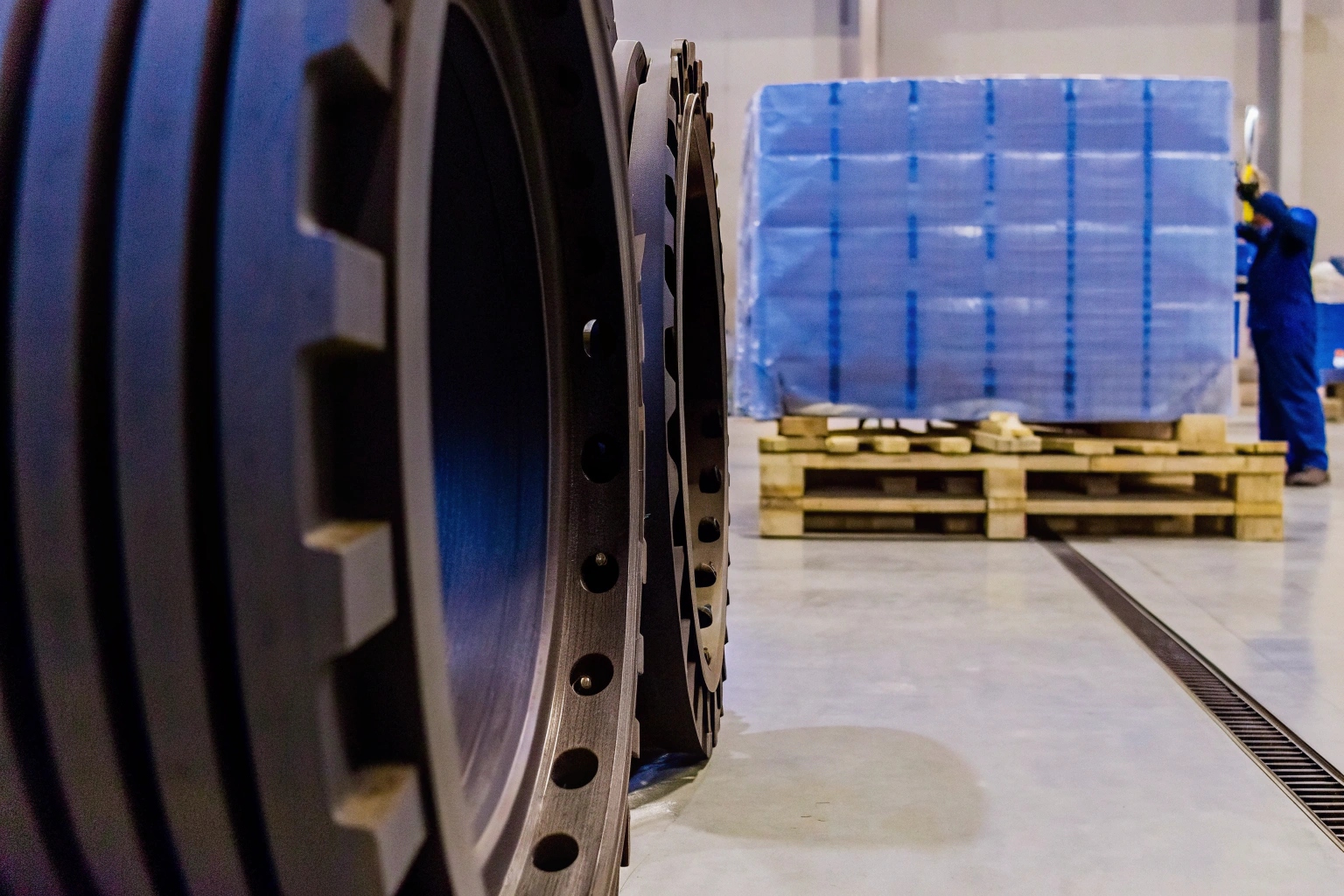
When preparing undercarriage parts for excavators & bulldozer 1 for shipment, ensuring their protection against rust and damage is crucial. I can’t stress enough the importance of effective packaging in maintaining the integrity of these parts.
Standard packaging for undercarriage components involves a multi-layered approach combining rust-preventative coatings 2, VCI films 3, and durable pallets 4. This strategy helps mitigate oxidation 5 and physical damage during transit while providing optimal protection from environmental factors throughout the shipping journey.
The packaging process extends beyond merely utilizing protective materials. By addressing every variable—from rust inhibitors 6 to cushioning methods—we can safeguard parts against harsh shipping conditions.
What type of rust preventative (e.g., VCI bag, oil) do you use for ocean freight?
Rust prevention is a key focus when shipping across the ocean, and the right preventative measures keep parts pristine. I always aim to avoid any post-shipping rust issues which can be detrimental.
For ocean freight, a combination of Volatile Corrosion Inhibitor (VCI) bags and rust-preventative oil offers comprehensive protection. This approach creates a barrier that actively prevents moisture and air from instigating corrosion on metal surfaces.
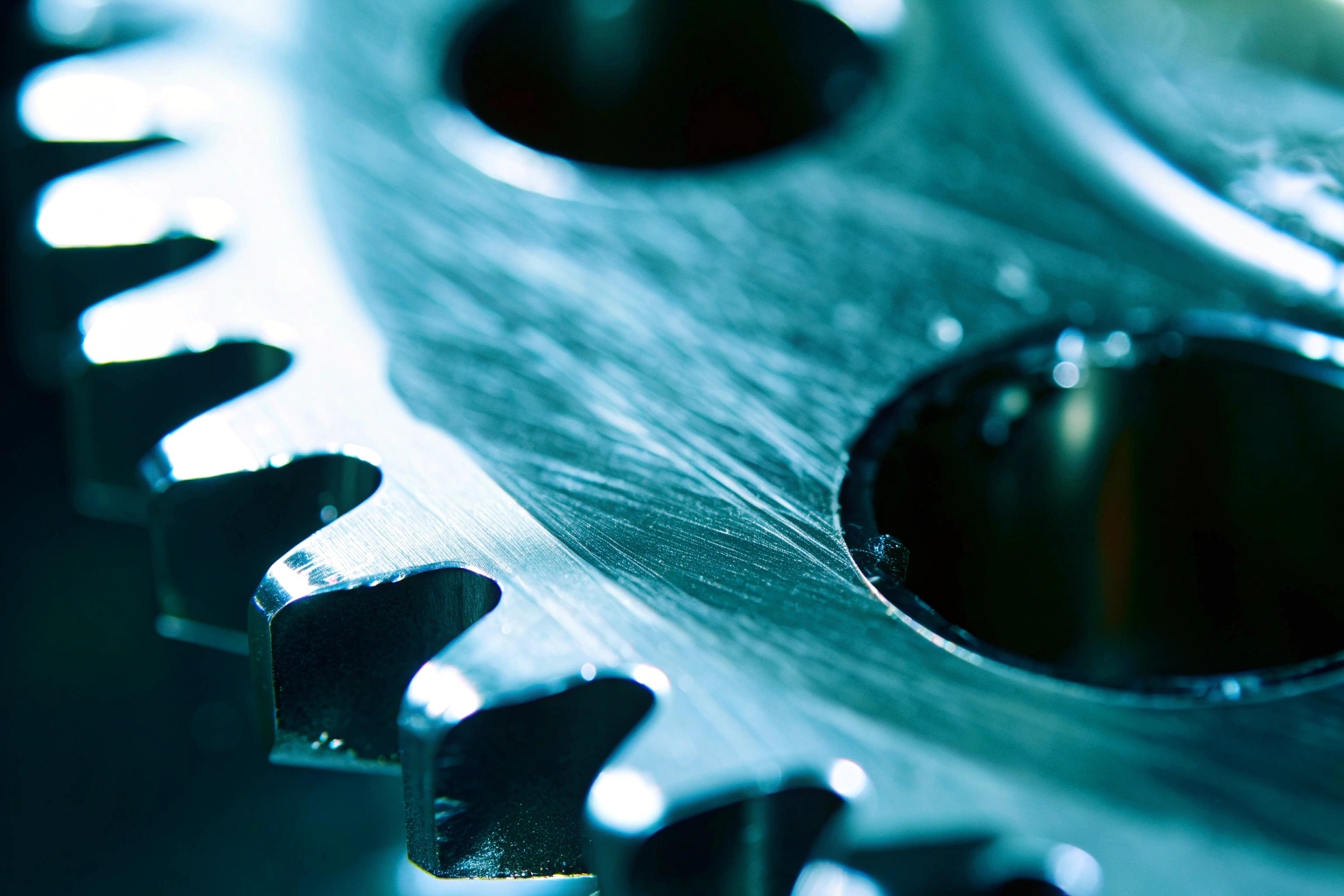
The choice between VCI materials 7 and oils depends on the nature of the parts and expected exposure duration. VCI bags are excellent for enveloping parts, providing constant protection. Meanwhile, applying rust-preventative oil to machined surfaces adds an extra layer of defense, crucial for long-term storage or transit.
Types of Rust Preventatives
For a robust protection plan, different rust-preventative methods are tailored based on the parts:
| Rust Preventative Type | Application Scenario | Benefits |
|---|---|---|
| VCI Bags | Ideal for long-term storage and transit | Offers continuous protection against moisture |
| Rust-preventative Oil | Applied to machined surfaces before shipment | Shields against oxidation and reduces rust risk |
| Desiccant Packs 8 | Used within sealed packaging | Absorbs moisture, enhancing rust protection |
How are my parts protected from hitting each other (e.g., dividers, individual wrapping)?
During shipment, parts must be cautiously packed to prevent damage from collisions. The importance of minimizing movement cannot be understated.
Individual wrapping combined with the use of dedicated dividers ensures parts are securely arranged within packaging, minimizing any risk of impact or abrasion during shipment. 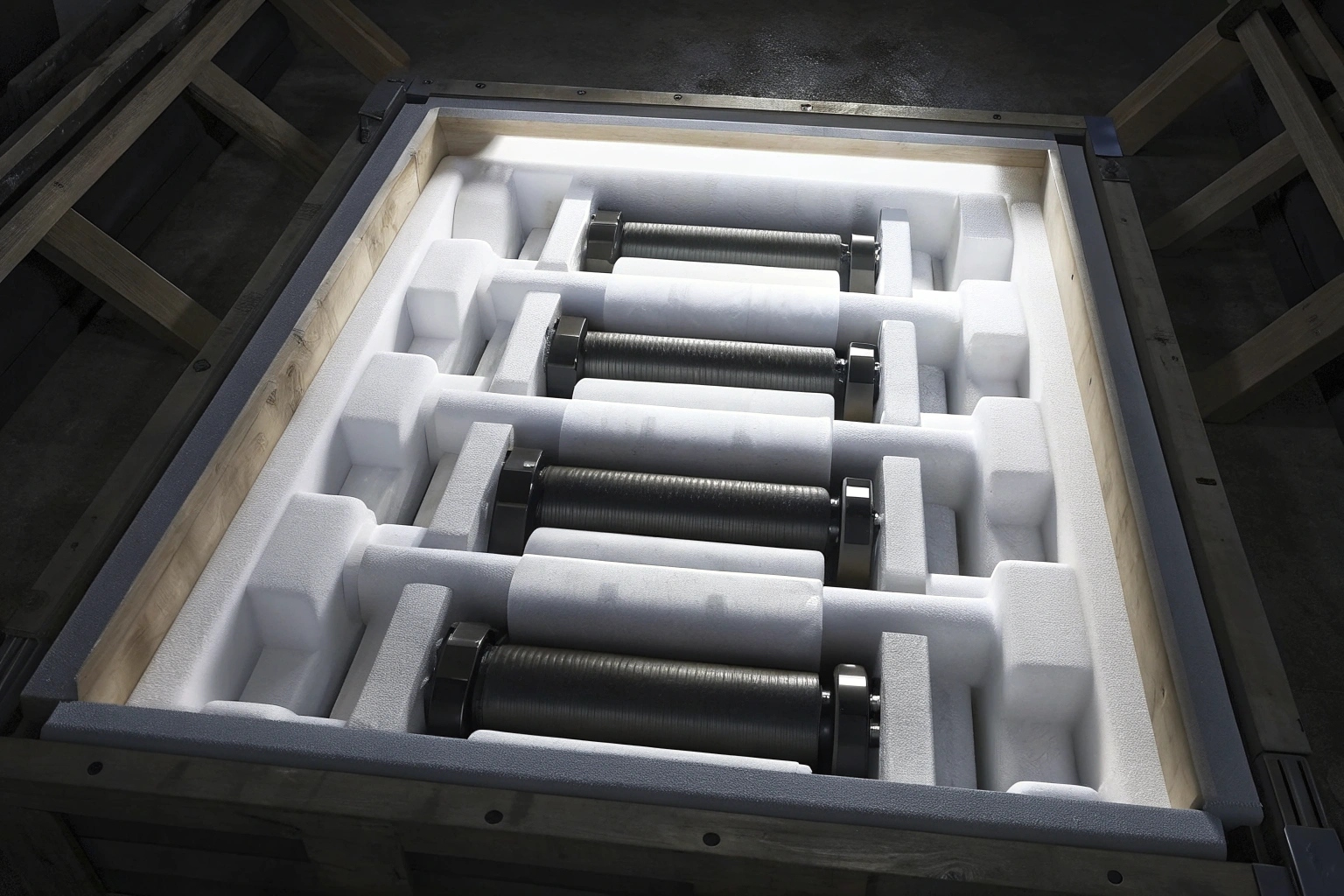
Each component is meticulously wrapped to prevent direct contact, supplemented by internal dividers that create structured alignment within the package. This method is crucial in safeguarding parts from shifting or colliding, maintaining their integrity throughout transit.
Internal Dunnage and Component Protection
Enhancing protection involves strategic placement of protective materials:
| Protection Material | Function | Usage Scenario |
|---|---|---|
| Foam Inserts 9 | Cushions and prevents movement | Ideal for fragile or precision components |
| Wooden Bracing | Reinforcement against external forces | Used in heavy-duty packages |
| Plastic Dividers | Organizes and separates each part within a package | Essential for mixed shipments |
Are your pallets durable enough for me to double-stack them in my warehouse?
Pallet strength and durability is critical for optimal stacking. It’s imperative to ensure stable support for warehouse operations.
Our pallets are designed to be robust and durable, allowing secure double-stacking in warehouse settings without compromising structural integrity or stability. 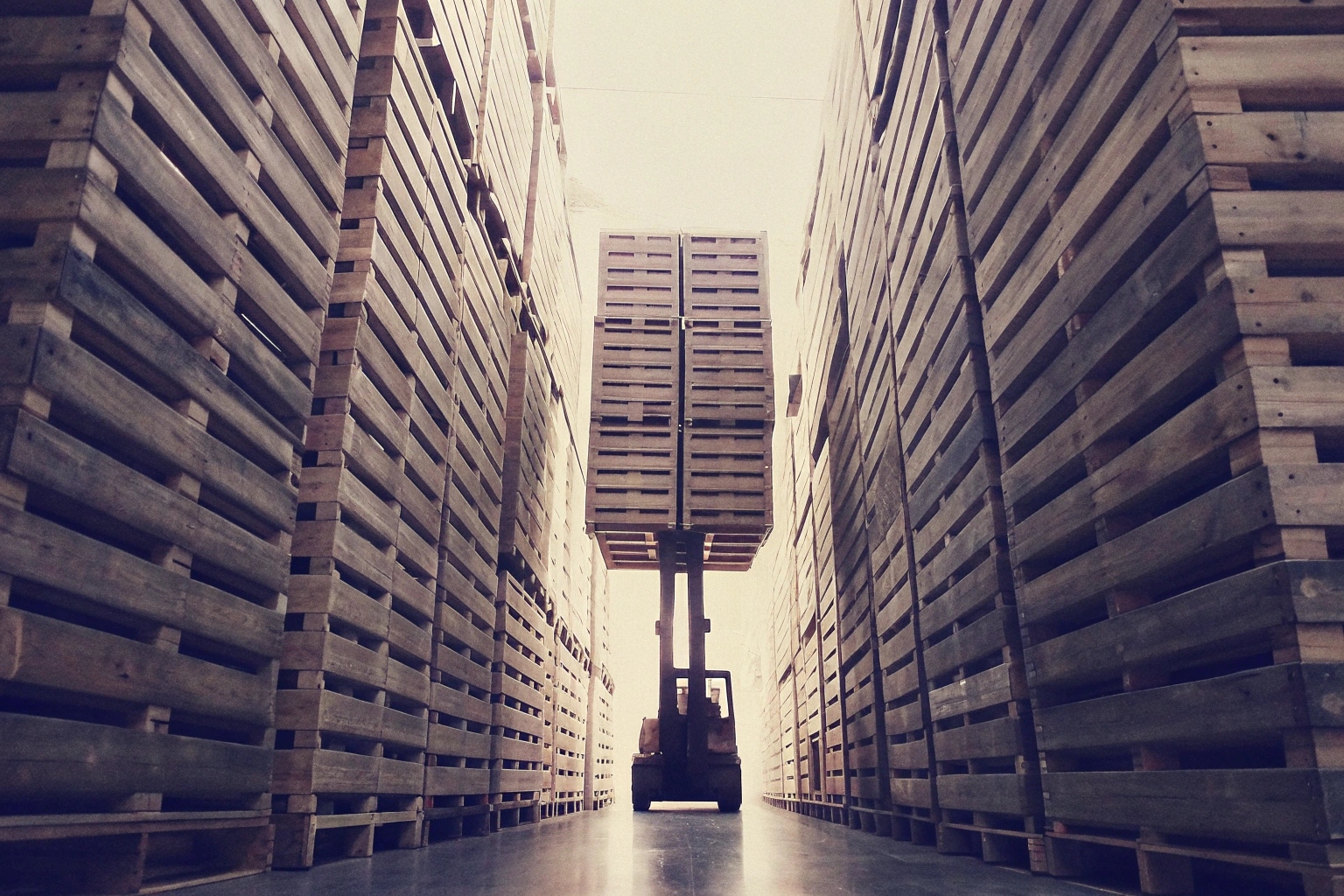
Custom-built pallets crafted from heat-treated wood comply with ISPM-15 standards 10, facilitating safe stacking while reducing the risk of damage or imbalance. These pallets offer a pivotal advantage for maximizing space efficiency within the warehouse environment.
Pallet Construction Quality
Assuring pallet strength involves specific design and material choices:
| Pallet Feature | Description | Benefit |
|---|---|---|
| Heat-treated Wood | Compliance with ISPM-15 standards to ensure safety | Protects against pests and ensures durability |
| Reinforced Edges | Provides extra structural support for stacking | Allows safe double-stacking |
| Export-grade Quality | Meets international shipping criteria for strength and safety | Enhances reliability in transit and storage |
Can I specify my own packaging requirements (e.g., my branded boxes, specific labels)?
Customization plays a vital role in packaging and branding. I understand the need for personalized solutions to enhance brand presence and meet specific requirements.
Yes, we offer options for custom packaging, allowing you to specify branded boxes, particular labels, and any additional requirements. This flexibility ensures your products are not just well-protected but also aligned with your brand image and operational needs.

Tailoring packaging goes beyond mere aesthetics; it involves customizing solutions to meet logistical requirements and branding strategies. Working collaboratively, we can refine packaging to ensure optimal fit and protection while boosting your market identity.
Benefits of Customized Packaging
Customized packaging offers considerable advantages:
| Customization Aspect | Benefit | Description |
|---|---|---|
| Branded Packaging | Enhances brand visibility and recognition | Use of logoed boxes and specific labeling |
| Specific Instructions | Tailors handling and storage to precise conditions | Ensures correct treatment during shipment |
| Material and Design Choices | Adjusts protection levels and aesthetic appeal | Accommodates unique requirements and preferences |
Conclusion
Standardized and customized packaging solutions are vital for preserving undercarriage parts for excavators & bulldozer during shipment, preventing rust and damage while meeting specific requirements.
Footnotes
1. Guide to identifying different types of heavy equipment undercarriage components. ↩︎
2. Learn how these coatings protect metal parts during shipping and storage. ↩︎
3. Explanation of how Vapor Corrosion Inhibitor films work to prevent rust. ↩︎
4. Best practices for selecting strong pallets for heavy industrial parts. ↩︎
5. Scientific overview of oxidation and methods to prevent it on metal. ↩︎
6. A technical look at the chemical properties of rust-inhibiting agents. ↩︎
7. Comparison of VCI bags, paper, and emitters for industrial use. ↩︎
8. How desiccants absorb moisture to protect packaged goods. ↩︎
9. Designing custom foam inserts for internal packaging and dunnage. ↩︎
10. Official requirements for wood packaging in international trade. ↩︎