
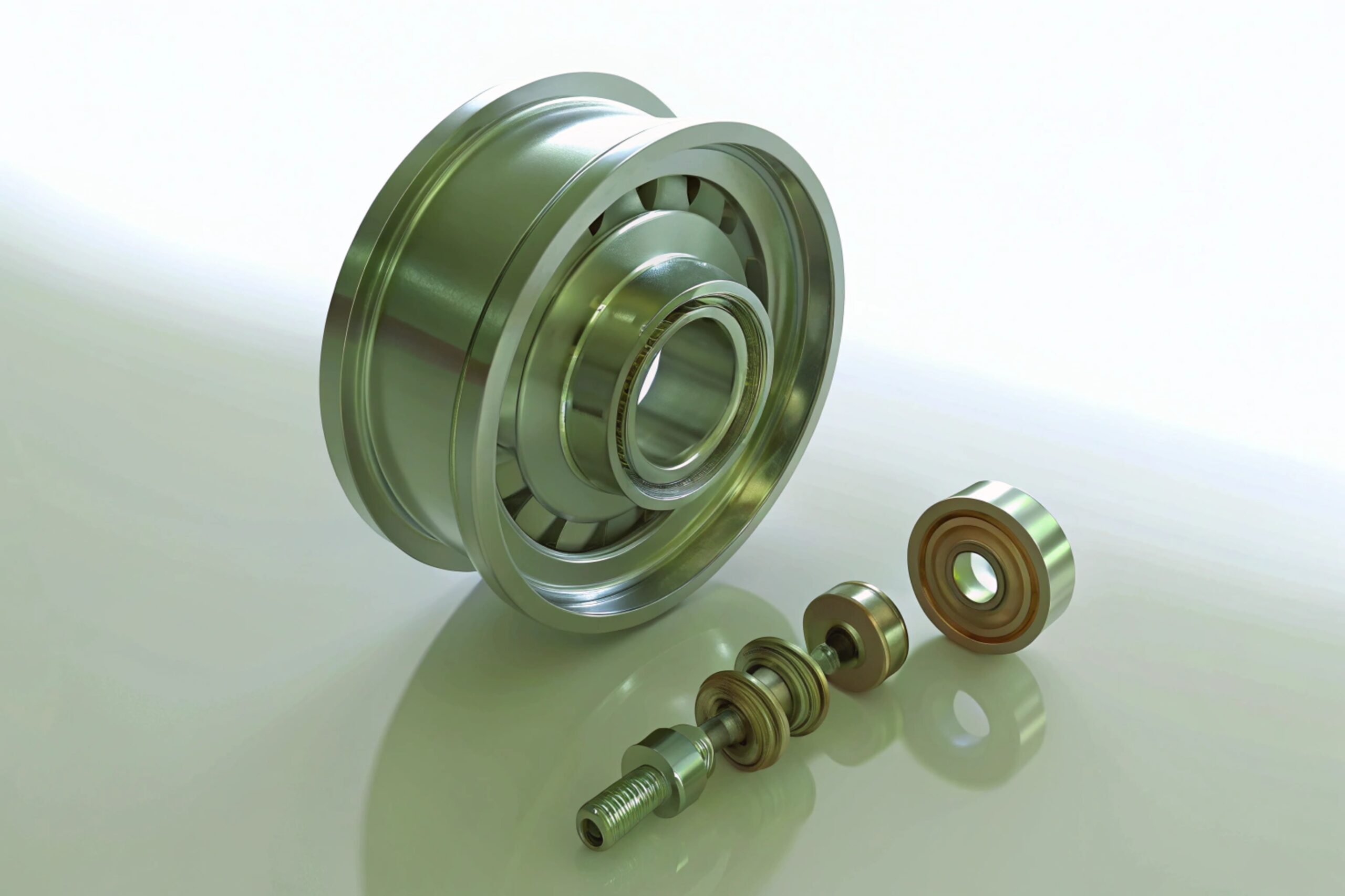
An idler assembly for excavators 1 often puzzles even experienced operators. I discovered its complexities when I had to replace parts in my equipment. Understanding the roles of each component was key.
An idler assembly generally consists of an idler wheel, shaft, brackets, and bearings. It acts as a guide for the track and works alongside a tensioner to maintain optimal track tension 2. With the right tension, your equipment will run smoothly, reducing wear and improving lifespan 3. It’s vital to use both an idler assembly and corresponding tensioner for the best performance.
Should My Idler Come with Bearing, Shaft, and Bracket?
An idler must include all essential components to function effectively. I once encountered issues due to missing parts, leading to equipment downtime.
Typically, an idler assembly for an excavator should come with the idler wheel, shaft, bushings, and seals 4. These components ensure proper track alignment and function. Missing any of these can lead to malfunction and increased wear and tear on your track parts 5.
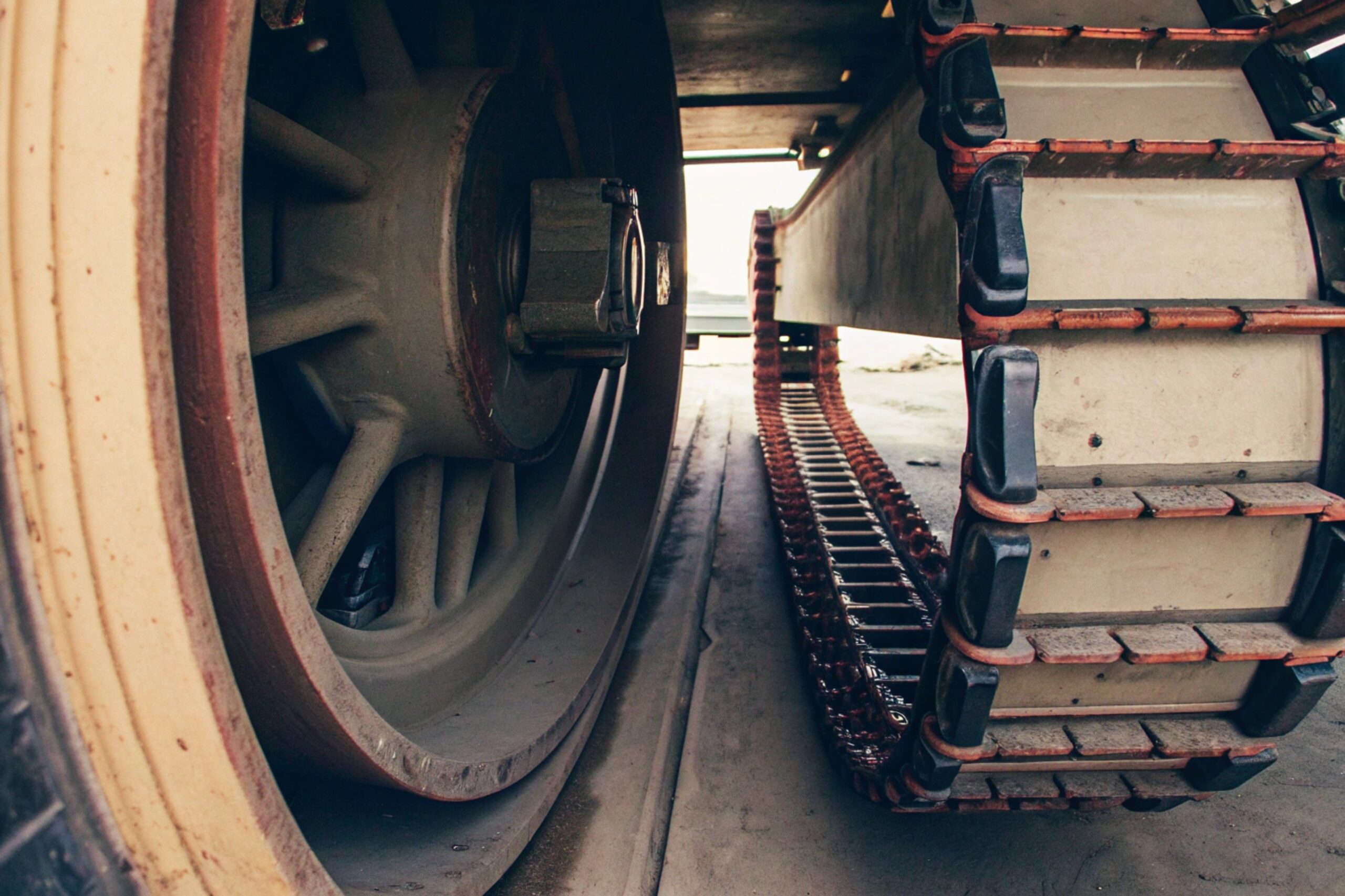
Having the right components in an idler assembly is crucial for excavator efficiency. The idler wheel acts as the primary guide for the track, maintaining track tension and preventing derailment. It usually includes a shell, shaft, bushings, and seals for smooth operation. Bushings and seals keep the wheel rotating freely while preventing dirt and debris from entering.
Additionally, the shaft provides the axis on which the idler rotates, and it must be robust enough to handle the excavator’s operational stresses. The bracket supports the entire assembly, ensuring it remains correctly positioned. In certain designs, bearings are included for extra support.
The compatibility of the idler assembly with the tensioner system is also essential. This ensures the idler pushes against the track correctly. All these must work together seamlessly to avoid mechanical issues.
How Do I Size the Tension Cylinder for My Track Length?
Sizing the tension cylinder 6 can be daunting. I once miscalculated, causing track issues that disrupted operations for days.
To size a tension cylinder correctly, you must consider your specific excavator model’s track length. Consulting manufacturer guidelines is essential. The tensioner needs to apply enough force to maintain track tension without overstressing components.
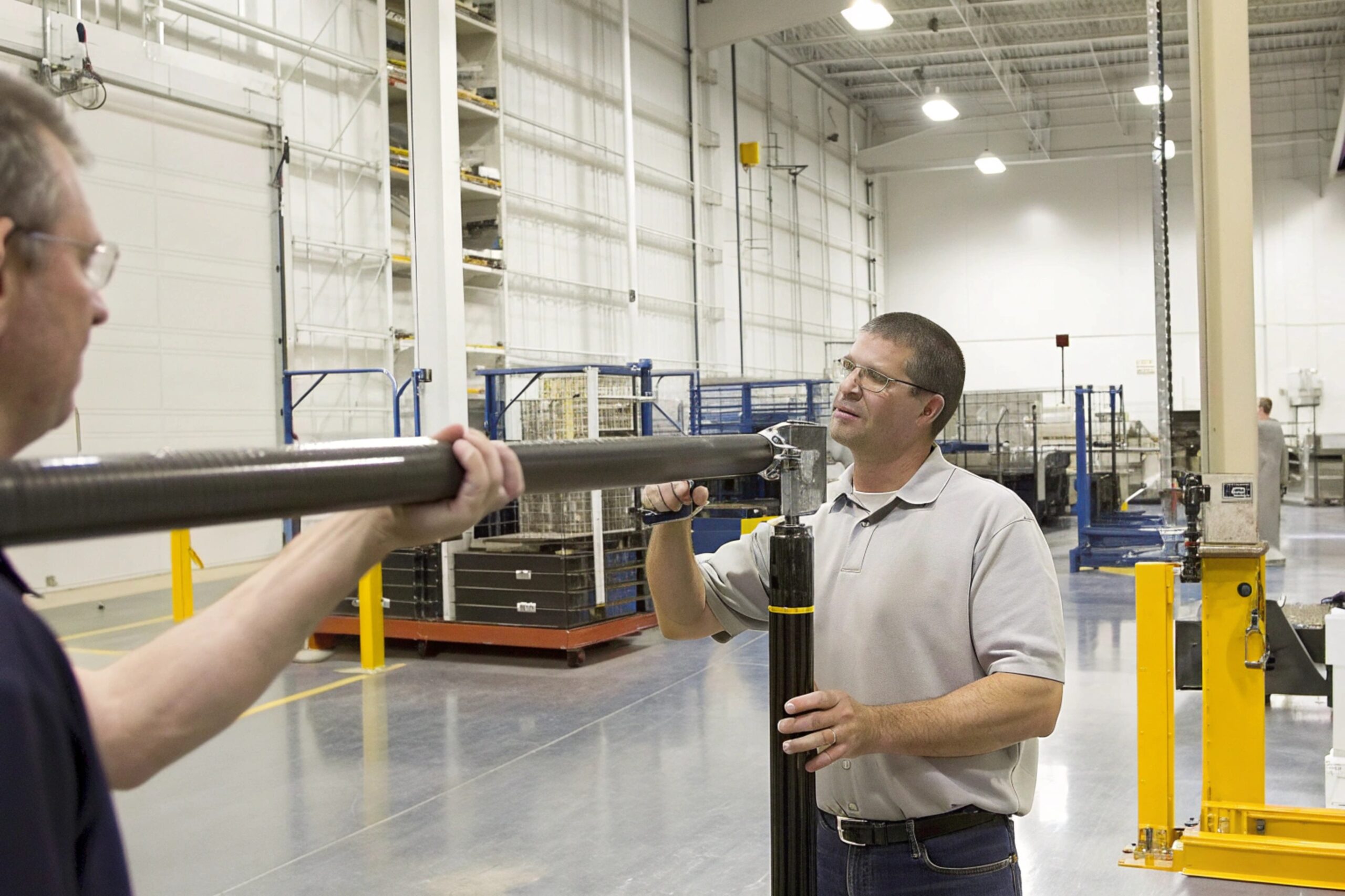
The track tensioner system 7 is vital for maintaining correct track tension and preventing loosening. When sizing the tension cylinder for your excavator, several factors come into play:
Cylinder Dimensions:
- Maximum Extension: Ensure the tension cylinder can extend far enough to maintain proper tension for your track’s maximum length.
- Stroke Length: The cylinder stroke must accommodate the expected range of track adjustments.
Hydraulic Specifications:
- Pressure Rating: The cylinder should handle the typical hydraulic pressures of your excavator without risk of failure.
- Compatibility: Ensure the tensioner’s hydraulic connections match your excavator’s system.
Model Specifics:
- Manufacturer Requirements: Always refer to the manufacturer’s manual for exact sizing and compatibility details.
- Load Capacity: Ensure the tensioner’s load capacity can support the track system’s weight.
Using mismatched components can cause inefficiencies, leading to increased wear, potential breakage, and other inefficiencies. Correctly sizing the tension cylinder ensures the excavator operates smoothly.
Can I Reuse My Existing Recoil Spring with a New Idler?
Using an old recoil spring 8 can save costs but may affect performance. I faced track derailment issues due to an incompatible spring.
Reusing an existing recoil spring depends on its condition and compatibility with the new idler. A good-quality spring may still provide adequate tension. However, an old or mismatched spring could lead to track misalignment 9 and performance issues.
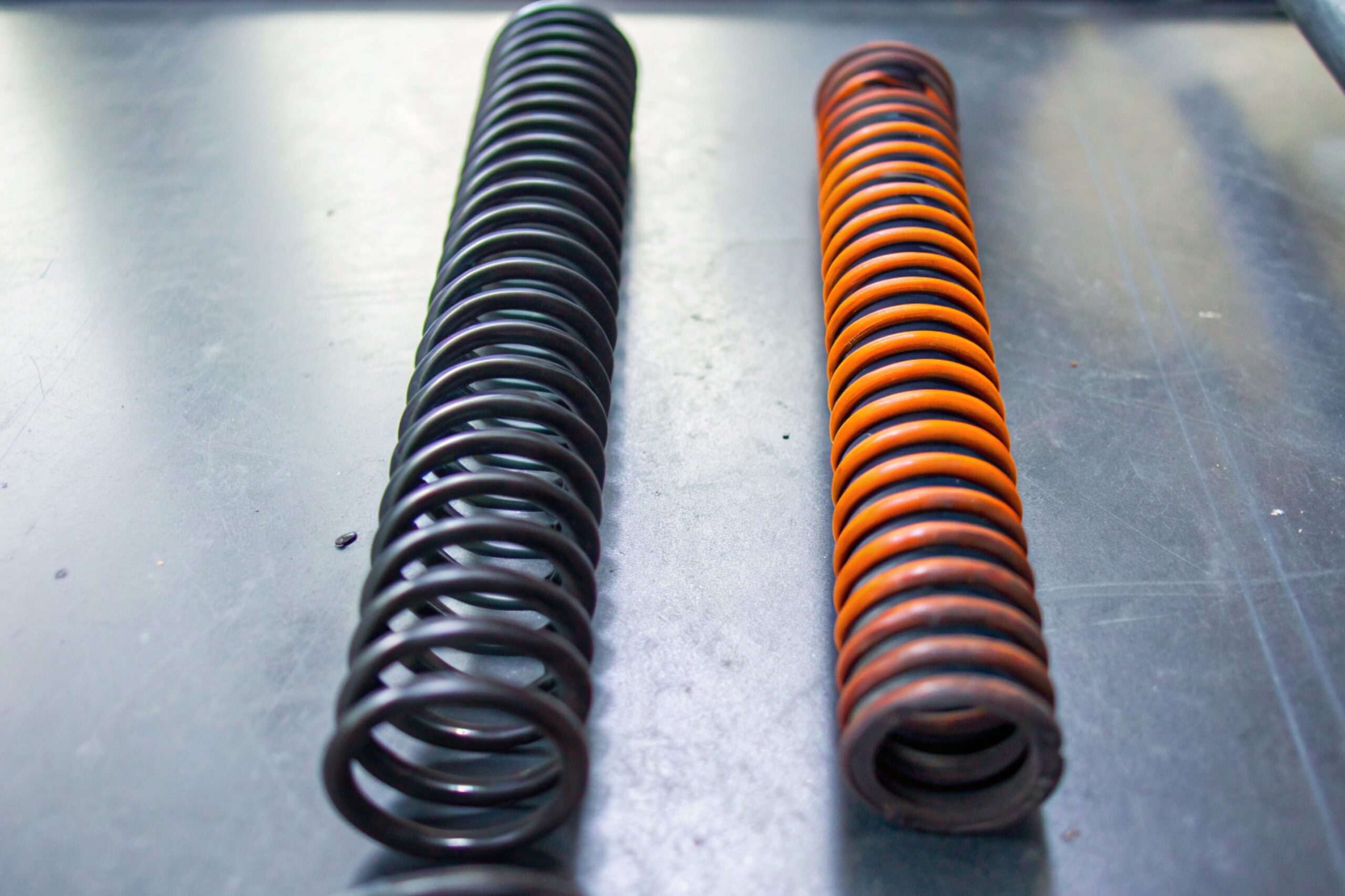
The recoil spring plays an essential role in the tensioner system of an excavator. It works in conjunction with the idler to maintain track tension under various stresses and absorb shocks. Here are some aspects to consider about reusing your existing recoil spring:
Spring Condition:
- Visual Inspection: Check for any rust, cracks, or warping that may compromise performance.
- Tension Testing: Ensure it maintains correct tension and rebounds effectively during operations.
Compatibility with Idler:
- Fitment Check: Confirm the spring matches the new idler’s mounting specifications.
- Load Management: Ensure it can handle the combined stress with new components without sagging.
Replacement Benefits:
- Improved Reliability: New springs offer enhanced performance with the latest materials and tech to maintain tension better.
- Warranty: New parts generally come with warranties, giving peace of mind for continued operation.
Utilizing an old spring might seem cost-effective but consider your operation’s demand for reliability. Upgrading to a new spring when installing a new idler can ensure consistent performance.
What Preload Should I Set for Correct Track Sag?
Setting the right preload is crucial for the excavator’s efficiency. I learned its importance the hard way when incorrect sag caused excessive wear on my tracks.
Setting the correct preload ensures the track sag 10 is optimal, preventing excessive wear on your excavator’s tracks. Adjust according to the manufacturer’s specifications to keep operations smooth, and develop a scheduled maintenance plan for ongoing checks.

Setting preload correctly is key to maintaining the excavator’s undercarriage components, like the idler and tensioner, in optimal working conditions. Follow these considerations and steps:
Adjustment Considerations:
- Manufacturer Guidelines: Always use the manufacturer’s recommendations for preload settings to ensure longevity.
- Track Type & Conditions: Adjust based on the type of terrain and excavator usage intensity.
Steps for Preload Adjustment:
- Lift and Secure: Secure the excavator safely to access the track without obstruction.
- Adjust Tensioner: Use an appropriate tool to adjust the tensioner setting, placing it within the recommended range.
- Measure Sag: Lower the excavator and measure the track’s midpoint sag to verify optimal tension.
Maintenance Advice:
- Regular Checks: Regularly inspect track sag to adjust based on wear and avoid misalignments.
- Record Adjustments: Keep a log of adjustments made for reference during future maintenance checks.
Ensuring correct track sag and preload can greatly enhance excavator longevity, improving efficiency and reducing costs associated with equipment failure.
Conclusion
An idler assembly is crucial for excavators, including wheels, shafts, and bearings. Using a matching tensioner is vital to maintain optimal track tension and performance.
Footnotes
1. Learn about the components of an excavator idler assembly. ↩︎
2. Guide on how to properly maintain track tension. ↩︎
3. Tips for reducing undercarriage wear to extend equipment life. ↩︎
4. A breakdown of the idler wheel, shaft, and sealing components. ↩︎
5. How to identify and prevent common wear on track parts. ↩︎
6. A guide to sizing tension cylinders for heavy equipment. ↩︎
7. Explore how an excavator track tensioner system operates. ↩︎
8. Understand the role of the recoil spring in the tensioner assembly. ↩︎
9. See the causes and solutions for excavator track misalignment. ↩︎
10. Instructions on how to measure and set correct track sag. ↩︎