

Dimensional tolerances ensure specific requirements are met for each undercarriage part produced. I must understand the critical international standards 1 governing these tolerances to make informed decisions for quality assurance.
The main standards for dimensional tolerances include ISO and ANSI 2, which are widely referenced by manufacturers across the globe. These standards dictate how engineers set tolerances for machine parts, ensuring compatibility and reliability in diverse settings.
Understand the complexities in dimensional tolerances through international standards, and ensure your undercarriage parts for excavators & bulldozer maintain trustworthy functionality. Spot what global references mean for your operations and uphold the highest quality in production.
Are Your Dimensional Tolerances Based on OEM Drawings or Another Standard?
Dimensional tolerances must match exact specifications to maintain part performance. This precision in production is crucial to avoid potential faults or inefficiencies over time.
Most undercarriage parts for excavators & bulldozer are designed in accordance with OEM drawings 3. This ensures that these parts meet the expectations set by original specifications, maintaining fit and function across global applications.

Production for undercarriage parts for excavators & bulldozer involves adhering closely to OEM drawings. Such fidelity in manufacturing aids in sustaining high precision and reliability for parts like pins and bushings. OEM drawings often set forth more stringent dimensional requirements compared to generalized standards. Other standards like ISO 286 4 help adjust clearances and interference fits 5 between parts. Let’s explore the standards which are often utilized for these crucial specifications.
Key Standards and Regional Adaptations
| Standard | Region | Application |
|---|---|---|
| ISO 2768 6 | International | Various machined and structural components |
| ISO 286 | International | Cylindrical and non-cylindrical fits |
| ANSI B4.1 7 | USA | Preferred limits for cylindrical parts |
| DIN 7168 | Germany | General linear dimensions |
These standards help in maintaining the desired interaction between parts. For non-critical dimensions, ISO 2768 is usually applied, where specific callouts are lacking. ASME Y14.5 8 provides a methodology for dimensioning and tolerancing, primarily in the U.S., incorporating symbols for clarity.
How Do You Ensure the Critical "Fit and Function" Dimensions Are Always in Tolerance?
Ensuring fit and function is crucial for avoiding costly downtime or malfunctions. Each part must achieve accurate dimensions to uphold its designed purpose.
Our team monitors each production cycle with precision equipment, confirming all necessary dimensions adhere to specified tolerances. This practice counters any deviation that may happen during initial or repeat manufacturing processes.
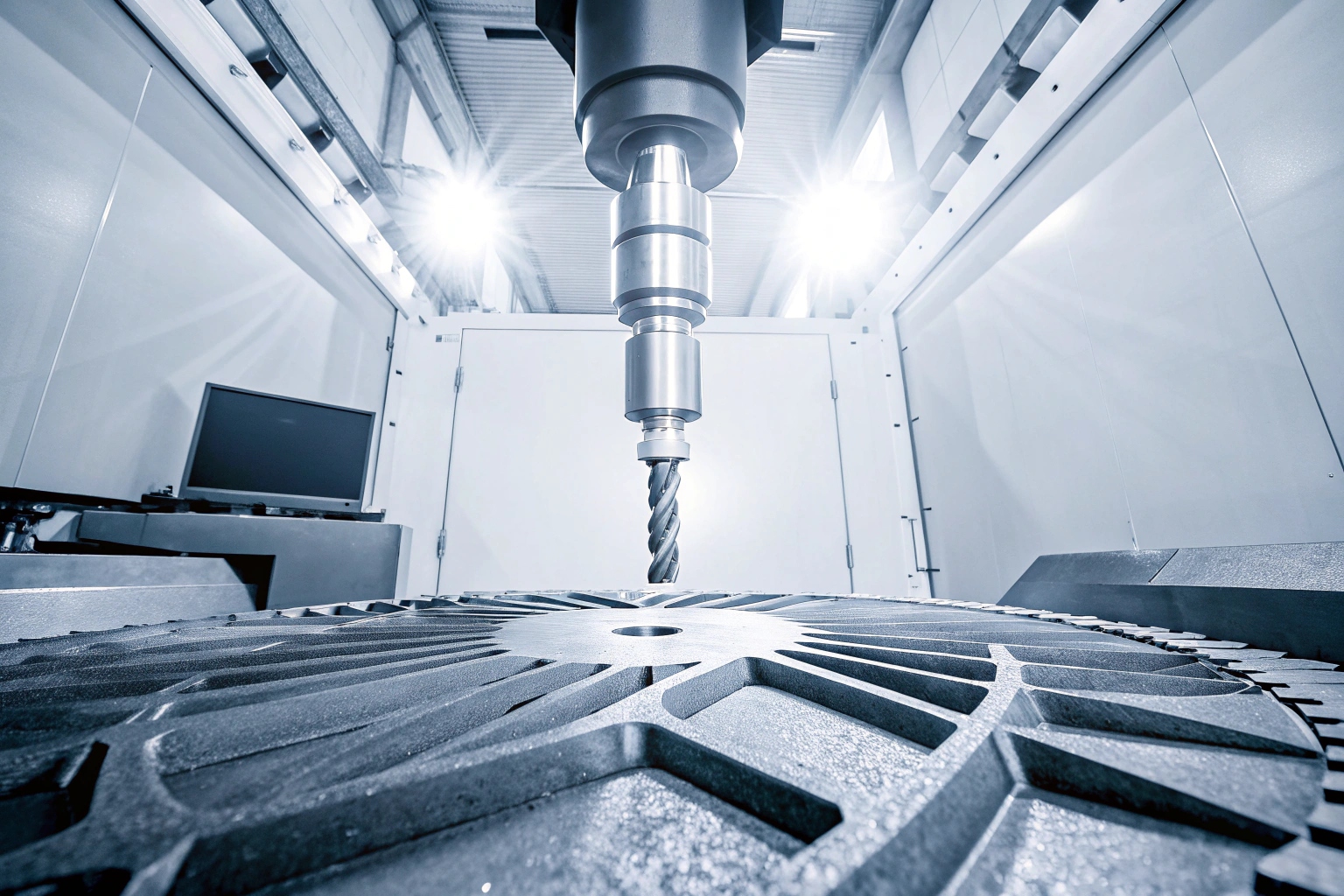
From ongoing assessment, undercarriage components undergo rigorous checks for maintaining fit and function. Dimension standards such as ISO 2768 contribute to this scrutiny during regular manufacturing tasks. Our processes incorporate checks against existing specifications, ensuring nothing goes amiss from initial designs.
Seamless Quality Assurance
Achieving perfect fit and function relies heavily on comprehensive inspections. OEM standards reconcile disparate aspects of component functionality with global practices. Stringently monitoring tolerances, not only through formative checks but by leveraging state-of-the-art tools like Coordinate Measuring Machines (CMM) 9, secures definitive reports verifying key dimensions.
| Feature | Tolerance Check | Method Used |
|---|---|---|
| Pins | ISO 286 | CMM Reports |
| Bushing Fit | OEM Specifications | Direct Inspection |
| Machined Parts | ISO 2768 | Sporadic Sampling |
This proactive approach solidifies part integrity with pivotal data contacts, ensuring each piece falls within the right tolerance. Quality control aligns necessity with production benchmarks, rectifying deviations before delivery.
Can I Get a CMM Report Showing the Key Dimensions for My Sample Approval?
Accurate dimension reporting signifies readiness for deployment, an expert view in part standards. CMM reports show essential dimensions vital for approval, reducing potential discrepancies later.
Yes, obtaining a CMM report with detailed dimensions is a standard procedure available upon request. This report provides clear insights into the precision and conformity of critical parts.

The necessity for CMM reports highlights the extent of precision needed in meeting complex standards. Parts like bushings and pins, no exceptions, are checked thoroughly using metrology equipment 10. CMM reports offer the clearest understanding of dimension accuracy, allowing assessment before approval.
Accurate Approval Process
When parts are designated for a specific task, ensuring precision beforehand is crucial. The meticulous review process utilizing CMM assures all components meet substantial standards. Transmitting detailed metrics assists in cross-verifying standards such as ISO 2768 and ISO 286. These benchmarks guarantee that parts remain suitable for shipping and deployment.
What is Your Process if a Part is Found to Be Out of Tolerance?
When precision falters, immediate corrective action rectifies faults, preserving the integrity of future operations.
If a part is found out of tolerance, it undergoes a thorough review before being corrected or replaced. This process ensures all parts match the specifications needed for optimal productivity.
The discovery of parts outside tolerance bounds triggers an automatic corrective system. This process checks all dimensional aspects against established standards, including ISO 2768 and OEM drawings. Once discrepancies are verified, each affected part either undergoes modifications or replacements according to strict guidelines.
Correction and Prevention
Handling dimensions outside tolerances involves strategic recourse. All components undergo re-evaluation in case of initial mismatches. This proactive path not only restores part reliability but prevents recurrence by briefing production teams. Regular reviews ensure dimensional fidelity in successive manufacturing runs.
| Process Step | Action Taken |
|---|---|
| Fault Detection | Comprehensive Inspection |
| Modification | In-house adjustment |
| Replacement | Supplier collaboration |
Addressing tolerance issues efficiently ensures component reliability. Regular updates propagate smoother transitions between detected and addressed faults. Preventative measures assist in forecasting future inaccuracies, maintaining high-grade production norms.
Conclusion
Understanding dimensional tolerances through international standards allows the production of reliable undercarriage parts for excavators & bulldozer, safeguarding their performance and fit.
Footnotes
1. A guide to global manufacturing standards for quality. ↩︎
2. Comparison of ISO and ANSI tolerance systems. ↩︎
3. Understanding the role of Original Equipment Manufacturer drawings. ↩︎
4. Details on the ISO 286 system for limits and fits. ↩︎
5. Explaining the different types of mechanical fits. ↩︎
6. Learn about general tolerances for linear and angular dimensions. ↩︎
7. Overview of the ANSI standard for preferred limits and fits. ↩︎
8. Introduction to Geometric Dimensioning and Tolerancing (GD&T). ↩︎
9. How CMMs are used for precise 3D measurement. ↩︎
10. A guide to common tools used in measurement science. ↩︎