

Choosing the right warranty policy for your machinery 1 can be overwhelming. As someone who has faced this decision, I know my experience will resonate with many.
The warranty for undercarriage parts for excavators & bulldozer typically considers both months and operating hours. It’s common for warranties to void if a certain operational hour limit is exceeded before the time-based warranty concludes. This policy ensures buyers understand the comprehensive protection offered.
Your journey doesn’t stop at understanding warranty duration. Let’s delve deeper into nuances you might overlook, sparking valuable insights.
How many hours or months are covered for track chains versus track rollers?
Navigating through warranty terms 2 for different parts can often feel daunting. I remember a time when I had no choice but to decipher these technical agreements moving forward.
In general, warranties cover between 3,000 and 4,000 operating hours or 24 to 36 months. Often, coverage is prorated, which means the compensation value decreases over time and usage. This method gives me clarity on how protection evolves.

Comprehending the specifics can be tricky, especially with factors like prorated coverage or variations between component warranties. Below, learn how understanding these differences benefits those navigating the machinery landscape.
Track Chains vs. Rollers: Warranty Details
Both track chains 3 and track rollers 4 feature prominently in undercarriage warranties. Here’s a breakdown of coverage standards:
| Component | Warranty Period (Months) | Warranty Period (Hours) | Notes |
|---|---|---|---|
| Track Chains | 24 – 36 | 3,000 – 4,000 | Coverage might be prorated |
| Track Rollers | 18 – 30 | 2,500 – 3,500 | Often includes multiple wear checks |
Generally, chains enjoy longer coverage due to their essential role. Rollers might experience differing terms because of operating demands. This table is handy when comparing two when preparing maintenance schedules or purchasing new components.
Understanding Warranty Proration
Many manufacturers offer prorated warranties 5. What this means is that as parts usage accrues, compensation upon failure or replacement diminishes proportionally. Comprehending this detail is crucial for planning your investment’s lifecycle comprehensively.
What common issues are not covered by the warranty (e.g., improper installation, extreme applications)?
Many have faced the realities of warranty exclusions 6. I’m no stranger to errors that amplify complexities, an experience reshaping priorities and lessons learned.
Improper installation, misapplication, or extreme conditions frequently void warranties. Normal wear and tear is generally excluded from standard coverage. Recognizing exclusions empowers you to avoid premature failures or voids.

Identifying exclusions can prevent costly mistakes. Below, explore common exceptions and strategies to mitigate voided claims.
Exclusion Basics and Mitigation Strategies
Several exclusions to warranties persist. Here’s what manufacturers typically omit:
| Exclusion | Detail | Recommended Approach |
|---|---|---|
| Improper Installation | Faulty setup leads to premature wear, nullifying warranties | Ensure professionally overseen |
| Extreme Conditions | Operating outside specified parameters affects integrity | Use within recommended limits |
| Operator Abuse | Poor handling or misuse causes damage | Implement thorough training |
| Standard Wear & Tear | Expected deterioration isn’t covered by warranties | Regular maintenance and checks |
Adopting mitigation strategies 7 ensures warranties aren’t unintentionally voided, protecting investment and reassuring operational longevity.
Does my warranty start from the shipping date or the installation date?
Interpreting when warranties activate emphasizes coverage duration. I’ve parsed through manuals to unveil starting specifics, altering approaches I’ve ingrained knowledge from.
Typically, warranties commence from the shipping date, although some may begin upon installation. Knowing the commencement accurately assists users in scheduling maintenance and managing warranties effectively.
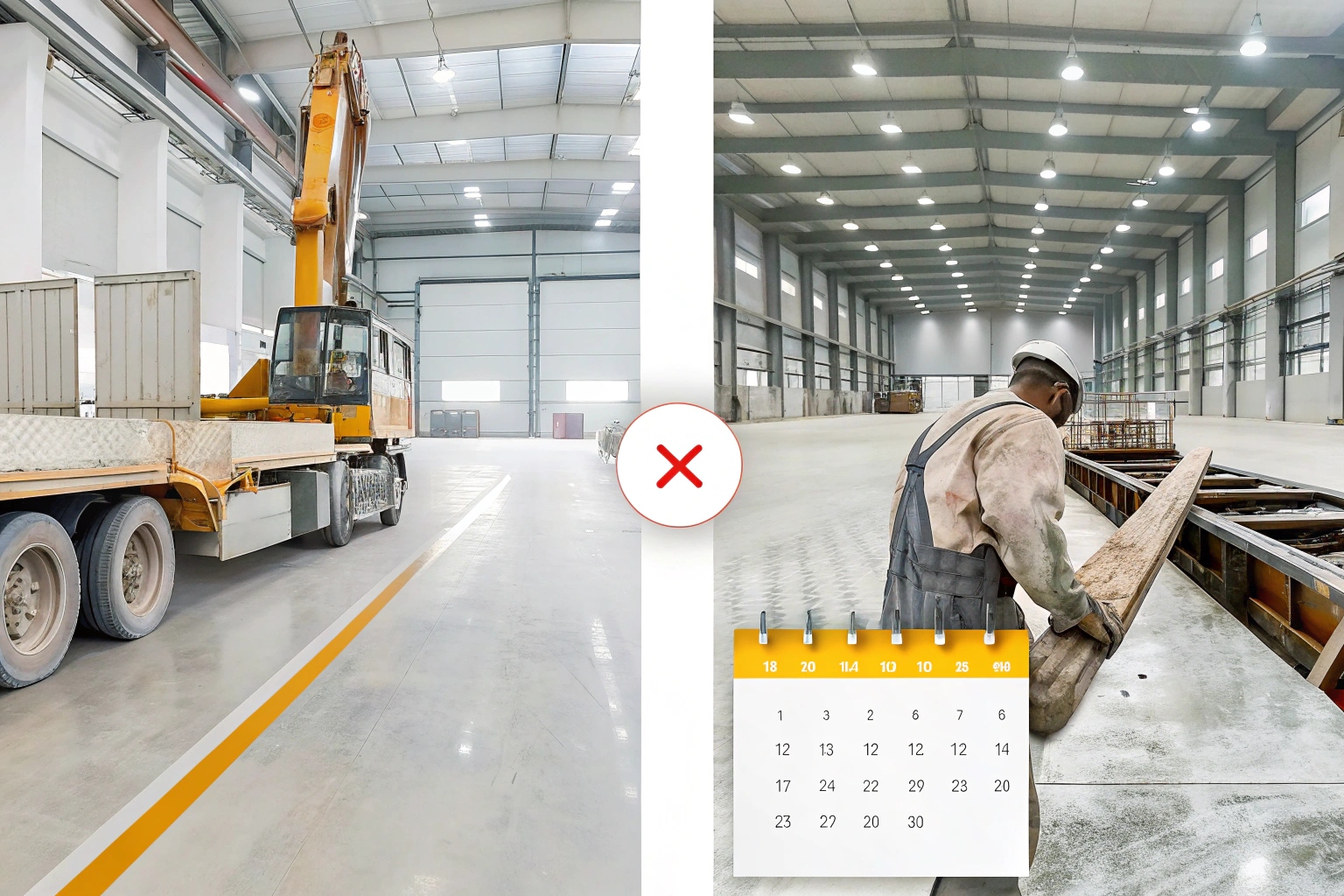
Understanding activation is paramount. Explore how start timing affects warranty usage and scheduling efficiently.
Activation Date Implications
When calculating warranty periods 8, the start date substantially impacts planning. Two prominent methods exist:
| Start Timing | Common in Industries | Advantages | Challenges |
|---|---|---|---|
| Shipping Date | Most common | Simplifies logistics tracking | May entail prolonged claims |
| Installation Date | Specialized agreements | Aligns with operational timelines | Requires installation proof |
Accurately identifying start times allows strategic planning, preventing mismanagement of warranties and ensuring timely service provisions.
How does this warranty compare to the OEM parts I am replacing?
I’ve explored comparative warranties 9 extensively. Teasing out distinctive offerings from relevant experiences enriches understanding and frames competitive assessments.
OEM warranties can vary, often providing distinct terms from aftermarket parts. Some offer extended options, influencing user selections based on longevity and integrity.

Assessing replacement warranties requires understanding OEM offerings’ merits against aftermarket competitors. Below, learn decisive elements shaping buyer considerations.
OEM vs. Aftermarket Warranty Dynamics
End users often contend with unique warranty expectations among OEM and aftermarket selections. Consider these aspects:
| Factors | OEM Warranty | Aftermarket Warranty | Selector’s Insights |
|---|---|---|---|
| Coverage Range | Often broader, promoting reliability | May have limited duration options | Evaluate longevity and service |
| Cost Implications | Potentially higher premiums | Typically cost-effective alternatives | Weigh upfront vs. lifetime costs |
| Warranty Extent | May include comprehensive services | Service focus might be limited | Factor usage and application demands |
Navigating these options requires understanding from equipment lifecycle perspectives, evaluating premiums versus benefits aligning with strategic maintenance schedules 10.
Conclusion
Navigating undercarriage warranties involves evaluating coverage, exclusions, and comparative choices. Clarifying these elements electronically establishes a platform advocating client and machine integrity unwaveringly.
Footnotes
1. A guide to understanding heavy equipment warranty policies. ↩︎
2. Common terms and definitions found in equipment warranties. ↩︎
3. Details on the function and manufacturing of track chains. ↩︎
4. How track rollers work and their role in undercarriage wear. ↩︎
5. A clear definition of prorated warranties in manufacturing. ↩︎
6. Common reasons why a warranty claim might be denied. ↩︎
7. Best practices to prevent voiding your parts warranty. ↩︎
8. How to correctly determine your warranty start and end dates. ↩︎
9. A comparison of OEM vs. aftermarket warranty coverage. ↩︎
10. How to align maintenance schedules with warranty coverage periods. ↩︎