
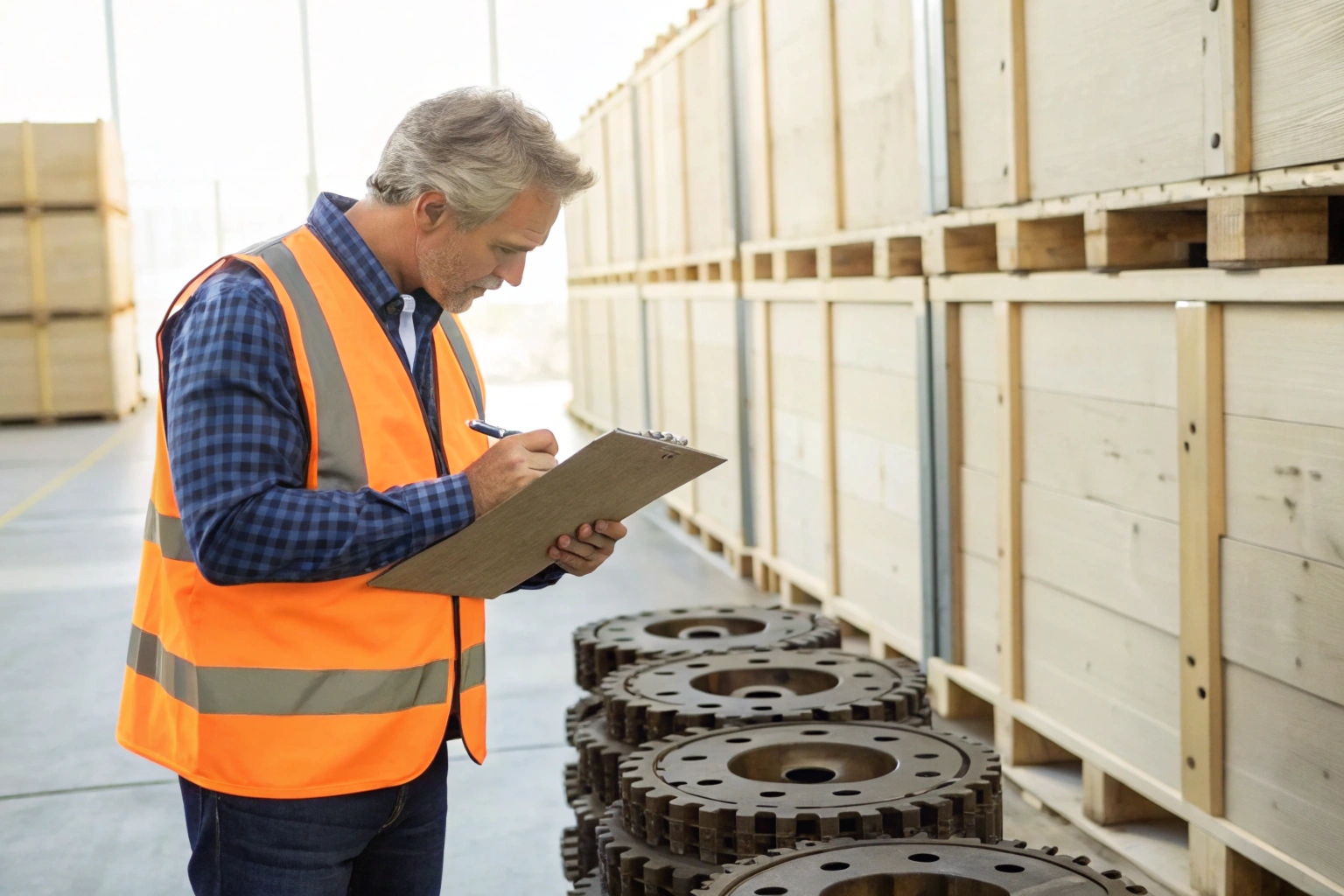
I know how frustrating it is when a shipment of heavy track rollers arrives but nobody knows what is inside the crates. You lose time, money, and your team’s patience.
Excavator undercarriage parts must include the part number, item description, quantity, gross and net weight, and country of origin. Clear markings ensure smooth customs clearance, accurate inventory tracking, and safe handling for heavy components like track chains and idlers during global transit.
Receiving a large container of steel parts without clear labels is a nightmare for any warehouse manager. I have seen how poor marking leads to lost items and delayed projects. Proper labels are not just for show; they are vital for your business flow.
Do I need dual-language labels for my markets?
I often get asked if one language is enough for international shipping. I usually tell my clients that while English is the global standard, adding a second language can save you from huge headaches at local customs or during final delivery.
Dual-language labels are highly recommended when shipping to non-English speaking regions like South America or the Middle East. Including the local language alongside English helps local warehouse staff and customs officials identify the contents quickly, reducing the risk of inspection delays or wrong deliveries.
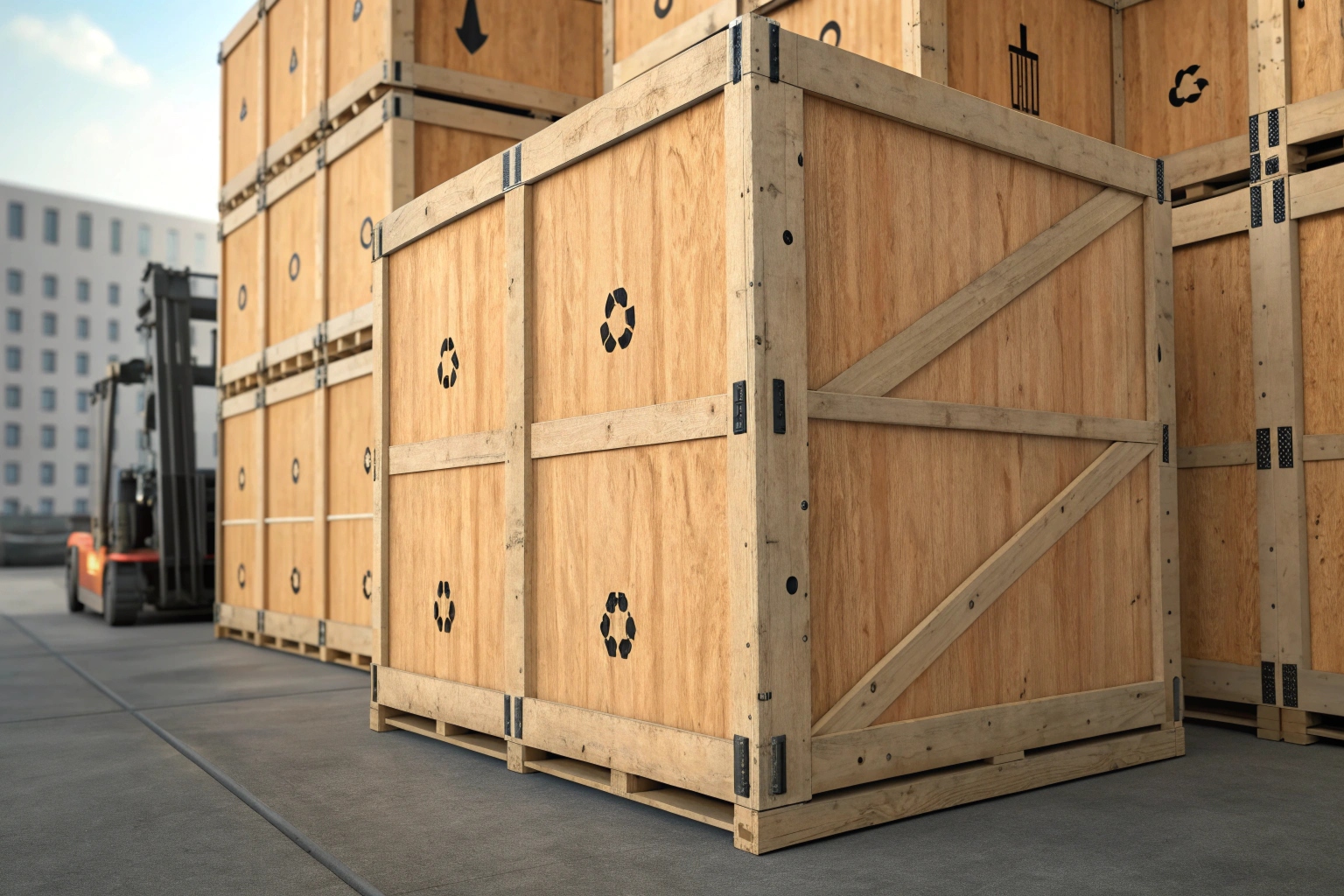
When I ship our Dingtai parts to places like Brazil or Saudi Arabia, I see the difference a bilingual label makes. In my experience, if the person driving the forklift cannot read the box, they might put it in the wrong corner of a massive warehouse. For undercarriage parts like track shoes or sprocket segments, the technical names can be tricky. Using both English and the local language shows you care about the local team. It makes the "last mile" of the supply chain 1 much smoother.
I believe that clarity is the best way to build trust with your customers. If your customer in Peru sees Spanish labels on the crate, they know the supplier understands their specific needs. It is about more than just translation; it is about respect for the local workflow. Many of my clients like David Miller appreciate this attention to detail because it cuts down on internal questions from their staff.
Language Requirements by Region
| Region | Primary Language | Suggested Secondary Language | Reason |
|---|---|---|---|
| North America | English | Spanish / French | Regional trade ease |
| South America | Spanish / Portuguese | English | Customs clearance speed |
| Middle East | Arabic | English | Local labor force utility |
| Southeast Asia | English | Local Language (e.g., Thai) | Warehouse accuracy |
Technical Terms for Common Parts
In my work at Dingtai, I make sure the following parts are clearly named. Using the right terms prevents "wrong part" claims.
- Track Roller: Also known as Bottom Roller.
- Carrier Roller: Also known as Top Roller.
- Idler: The front wheel that maintains tension.
- Sprocket: The drive wheel for the track.
I always suggest checking with your local distributor. They know if the local port has specific rules. For example, some ports are very strict about seeing "Made in China" 2 in a certain size. I make sure our production team in Fujian follows these rules exactly. We use durable ink that does not fade in the rain or sun. This keeps the information readable from the factory to the job site.
How do I set carton and pallet marking standards?
I have found that a standard system is the only way to keep a large warehouse organized. Without a clear rule for where labels go, your team will waste hours just spinning pallets around to find the information they need.
To set marking standards, you should print shipping marks on at least two opposite sides of every carton or crate. Use a consistent template that includes the PO number, part number, quantity, and weights. For pallets, ensure the main pallet label is visible on the outside of the stretch wrap.
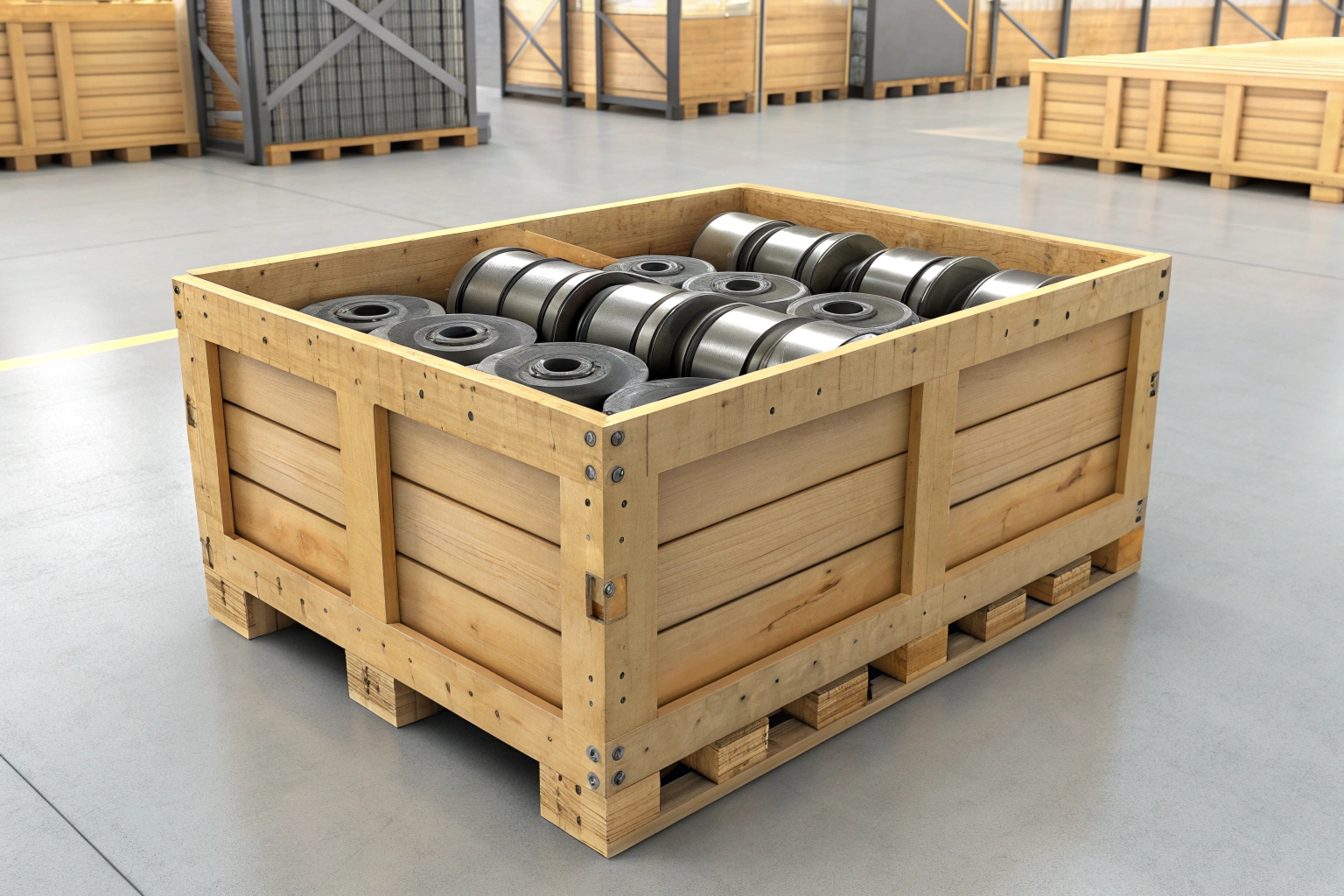
Setting a standard starts with the "Two-Side Rule." In my 20 years of manufacturing, I have learned that a crate pushed against a wall is useless if the label is on the hidden side. By marking two sides, you double the chance of seeing the info at a glance. For heavy undercarriage parts, we often use wooden crates. 3 I prefer stenciling the information directly onto the wood or using heavy-duty industrial stickers.
I often think about the "worst-case scenario" in shipping. Imagine a crate sitting in a wet port for two weeks. If the ink runs, the part becomes "anonymous." That is why I insist on high-contrast black ink. I tell my team to treat every label like a legal document. It must be clear, accurate, and permanent. For a buyer like David, this consistency is a sign of a professional manufacturer. It proves that our internal quality control 4 extends all the way to the shipping dock.
Standard Marking Template Comparison
| Information Category | Essential Level | Example Format |
|---|---|---|
| Consignee Info | Critical | Name & PO Number |
| Product Identity | Critical | Part No. & Description |
| Quantity | Critical | QTY: 10 PCS |
| Logistics Data | Important | G.W. / N.W. in KG |
| Traceability | Important | Batch / Heat Number |
Why Consistency Matters for Big Orders
When we handle large OEM orders for brands like Caterpillar or Komatsu, the standards are even higher. We use a digital system to print labels directly from the packing list. 5 This removes human error. If the label says "10 Track Bolts," there are exactly 10 bolts inside. I believe that a clean, well-marked crate is the best "business card" I can send to a customer. It says that we are organized and that we value their time.
Can I add hazard and handling icons?
I often see people overlook the small icons on a box, but for heavy steel parts, these symbols are life-savers. A track link assembly can weigh hundreds of kilograms, and a mistake in lifting can be dangerous.
Yes, you should add international handling icons such as "Keep Dry," "Use No Hooks," and "Center of Gravity." For heavy undercarriage parts, the "Center of Gravity" and "Lifting Point" icons are critical for crane operators to move the crates safely without tipping or damage.
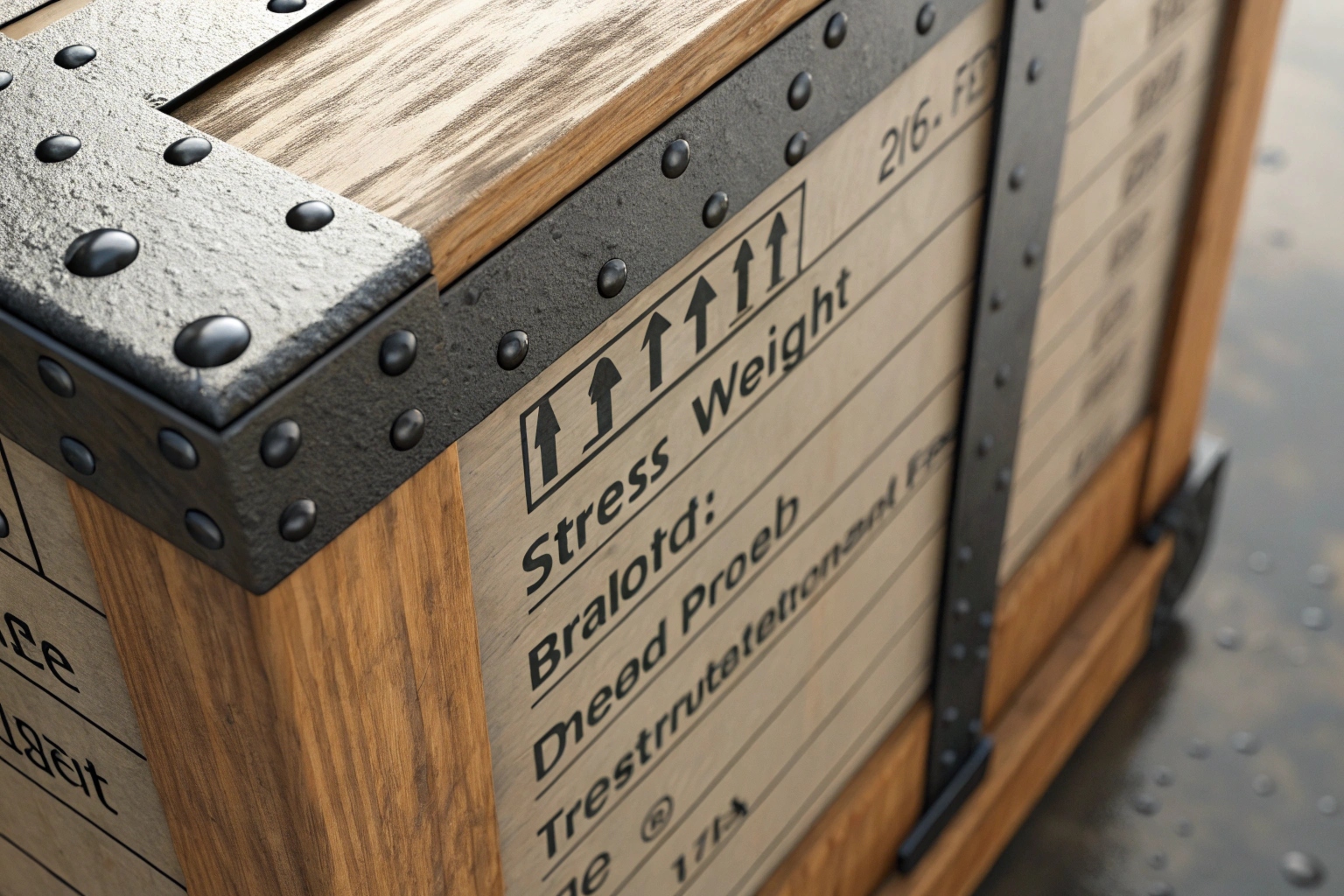
At Dingtai, safety is a huge part of our culture. When we pack a large idler or a heavy track frame, the weight is not always perfectly in the middle. I make sure our team marks the center of gravity 6 clearly. This tells the forklift driver or the crane operator exactly where to pick it up. I have seen crates tip over because the operator guessed the balance point. It ruins the part and puts workers at risk.
I also recommend the "Keep Dry" symbol, even for steel parts. People think steel is tough, but rust is a constant enemy during sea freight. 7 Even though we use VCI (Vapor Corrosion Inhibitor) bags and oil coatings, keeping the crate dry is the first line of defense. By adding these icons, you are giving instructions to every person who touches your cargo, even if they don’t speak your language. Icons are a universal language that everyone in logistics understands.
Common ISO 780 Icons for Undercarriage Parts
- Umbrella (Keep Dry): Prevents rust and box degradation.
- Two Arrows Up (This Way Up): Keeps parts from shifting or oil from leaking.
- Crossed Hooks (Use No Hooks): Prevents damage to protective packaging.
- Weight Scale: Reminds workers that the box is heavy and requires machinery.
I believe that adding these marks reduces your insurance risk. If a part is damaged because a warehouse worker ignored a "Fragile" or "Heavy" sign, you have a much stronger claim. For a B2B business, protecting the product until it reaches the end user is our top priority. We use high-quality, weather-resistant stickers 8 for these icons so they don’t peel off in the humid air of a shipping container.
Should I include QR codes for quick scans?
I am a big fan of using technology to make life easier. In the modern warehouse, paper lists are becoming a thing of the past. If you want to impress a high-end customer, a QR code is a great way to do it.
Including QR codes on your packaging is an excellent way to provide instant access to digital packing lists, installation guides, and material certifications. A quick scan allows warehouse staff to update their inventory systems automatically without manual data entry, which significantly reduces errors.
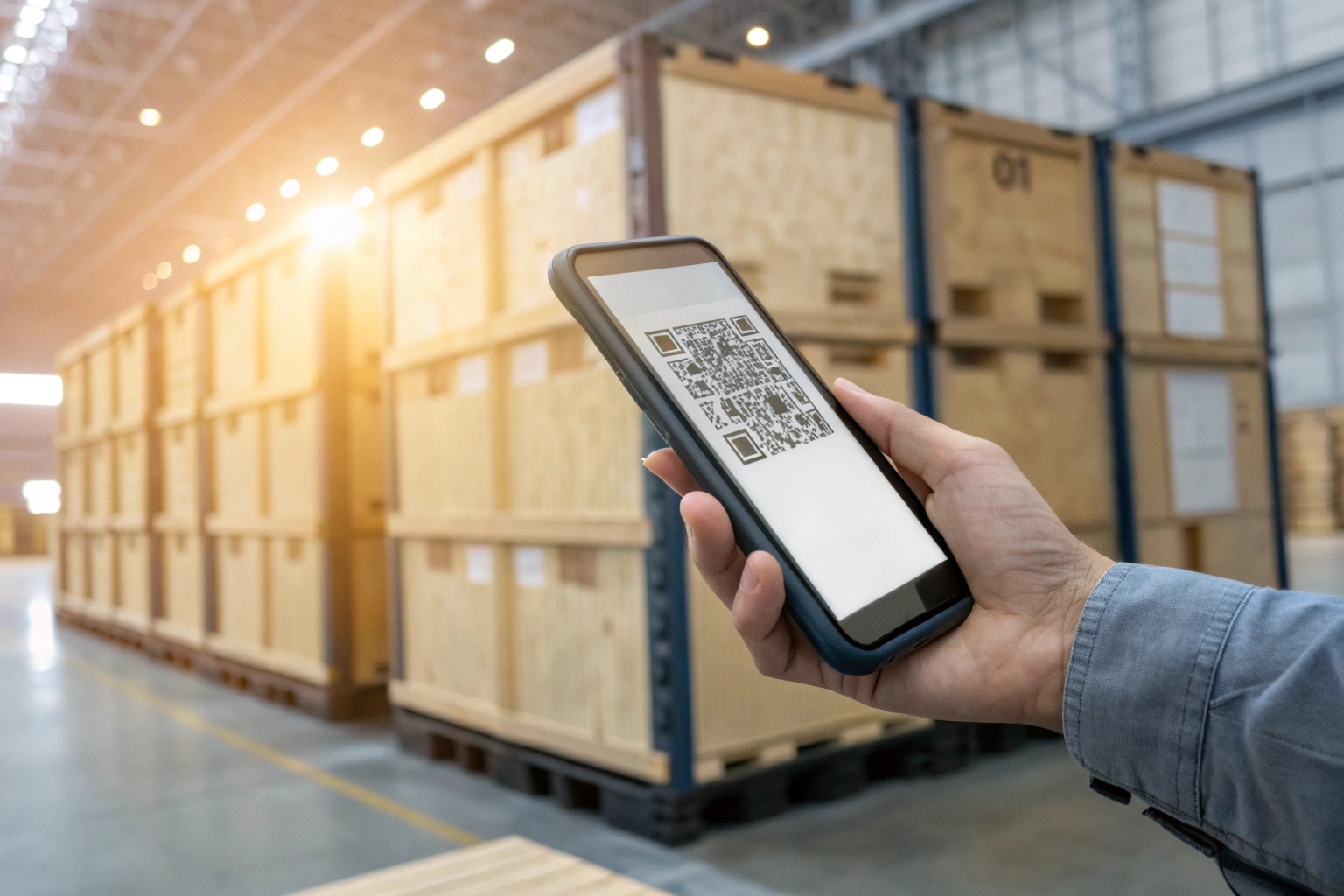
When I visit my customers in the US, I see them using handheld scanners 9 for everything. If I provide a QR code that links to our Dingtai database, their job becomes ten times easier. They can scan the code on the crate and see exactly which heat of steel was used for that specific batch of track rollers. This level of transparency is what separates a world-class manufacturer from a small workshop.
I think about the maintenance crew in the field. If they are replacing a track chain on a Hitachi excavator 10 in the middle of a mine, they might not have the paper manual. But they always have a smartphone. A QR code on the packaging can lead them directly to a YouTube video showing the correct installation steps. This adds massive value to the product. It is not just a piece of metal anymore; it is a supported solution.
Benefits of QR Codes in the Supply Chain
| Feature | Benefit for Distributor | Benefit for End User |
|---|---|---|
| Digital Packing List | Fast inventory intake | Verification of contents |
| Tech Specs | Easy warehouse sorting | Correct machine fitment |
| Installation Guide | Fewer support calls | Proper part setup |
| Material Certs | Compliance assurance | Quality guarantee |
In my experience, the best way to implement this is to put the QR code next to the part number. I suggest using a "Static" QR code for the part info and a "Dynamic" one if you want to track the specific shipment. This technology is cheap to use but makes you look like a tech-forward partner. For a buyer like David Miller, who manages thousands of SKUs, anything that automates his warehouse is a huge win.
Conclusion
Correct packaging markings are the bridge between a good product and a satisfied customer. By including clear part numbers, dual-language labels, safety icons, and QR codes, you ensure your excavator parts arrive safely and are easy to manage.
Footnotes
1. Overview of supply chain management and its role in global logistics. ↩︎
2. Insight into China’s industrial strategy and manufacturing quality standards. ↩︎
3. Guide to choosing the right wooden crates for heavy machinery export. ↩︎
4. Definition and importance of quality control in manufacturing processes. ↩︎
5. Official guide on the purpose and details of a commercial packing list. ↩︎
6. Scientific explanation of center of gravity for safe mechanical handling. ↩︎
7. Comprehensive guide to ocean freight services and international shipping. ↩︎
8. Benefits of using durable industrial labels for harsh shipping environments. ↩︎
9. Information on handheld scanning technology for warehouse inventory management. ↩︎
10. Official specifications and maintenance info for Hitachi construction machinery. ↩︎