

When I first ventured into importing undercarriage parts for excavators & bulldozer from China 1, I had my apprehensions about the intricacies involved. My biggest concern was about the authenticity and origin of the products 2.
Yes, Chinese suppliers can provide official Certificates of Origin (CO) upon request. The process is typically managed by trusted bodies like the China Council for the Promotion of International Trade (CCPIT), ensuring the documents’ legitimacy. Not only that, suppliers can also facilitate other notarized paperwork needed for smooth customs clearance.
Navigating the world of international trade 3 can be daunting, especially when documentation plays a critical role 4. Let’s delve deeper into why these documents are vital and how they streamline the import process.
Why do I need a Certificate of Origin for my shipment to the US?
The significance of the Certificate of Origin (CO) became apparent to me when I realized the potential it holds in easing trade barriers 5 and ensuring smoother transactions.
The CO certifies that the products you are importing are indeed manufactured in China. For US customs, this document is crucial in determining applicable tariffs and ensuring that the goods comply with trade agreements. Without it, unexpected delays or additional duties could occur.

Understanding the CO’s role helps. It not only confirms the product’s origin but also aids in securing favorable trade conditions 6. Many nations, including the US, have specific tariff schedules 7 based on the origin of goods. Therefore, having this certificate ensures that you’re eligible for any preferential treatment 8 that your products might qualify for.
What is the difference between a standard CO and one certified by the Chamber of Commerce?
This question piqued my interest as I was eager to understand the variations and their implications on my imports.
A standard CO is issued without any additional endorsements, while a Chamber of Commerce-certified CO carries an extra layer of validation from a recognized trade body. This certification can fortify the document’s credibility, making it more readily accepted by customs authorities worldwide.
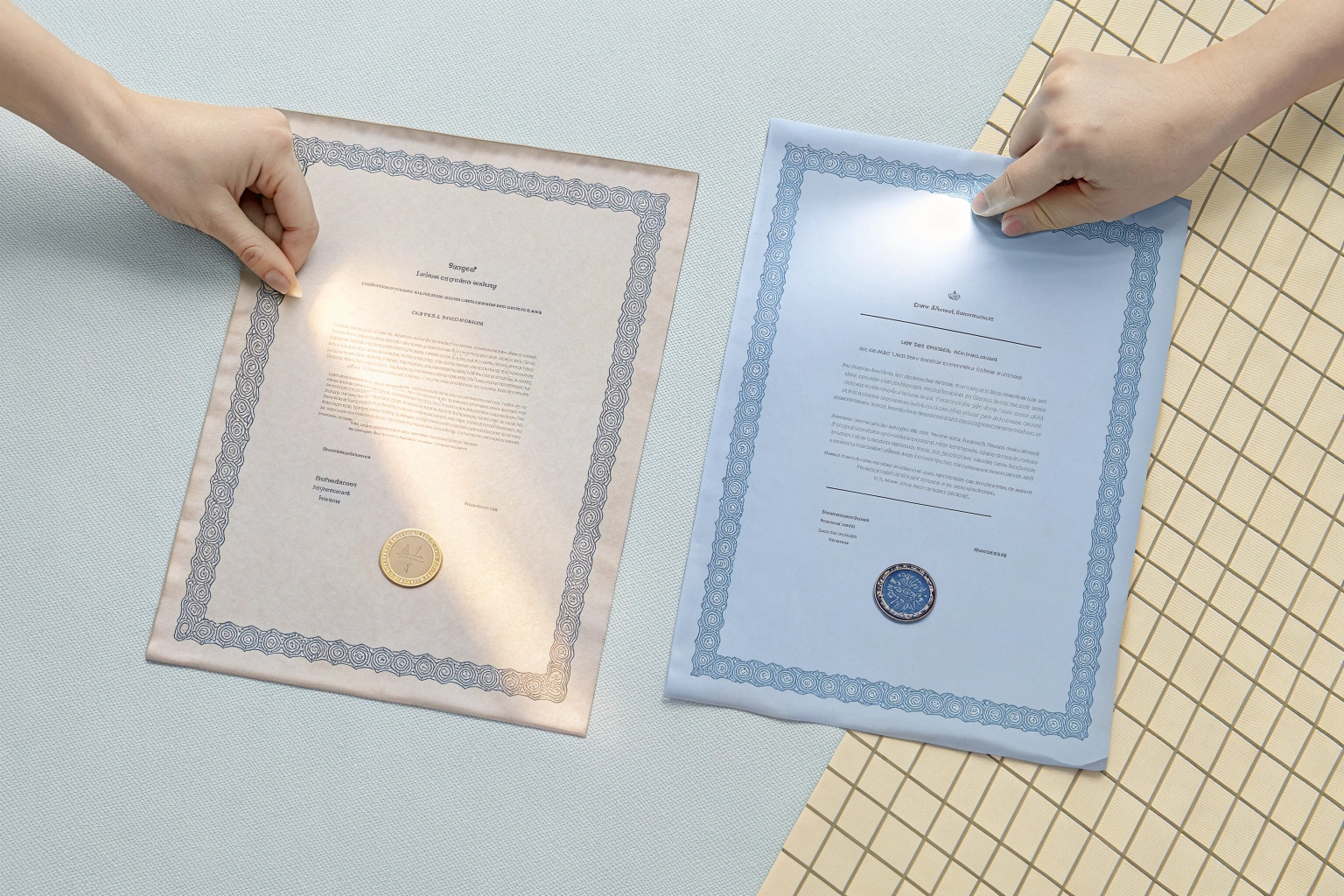
Choosing between these types of COs depends on your trade needs. A Chamber-certified CO might be more beneficial if your destination country values additional verification. Typically, this added layer of assurance reassures the customs authorities about the document’s authenticity. While it can slightly delay the issuance process, the benefits in terms of ease of importation can outweigh the drawbacks.
How long does it take my supplier to get these documents ready after shipment?
Time is of the essence in trade, and understanding timelines helped me plan my logistics effectively 9.
Typically, suppliers prepare Certificates of Origin and notarized documents within 1-2 business days post-shipment. If expedited, this can be shortened to just one day. However, it’s crucial to communicate this requirement ahead in the negotiation phase to ensure timely processing.

Having a clear timeline in mind enables better planning. Documents like the CO and commercial invoices are prerequisites for customs clearance 10. Anticipating these timelines allows for better coordination with freight forwarders and ensures that your shipments aren’t held up at ports due to missing paperwork.
Are these documents provided automatically or do I need to request them for every order?
When I first started, I thought these documents would come automatically with every shipment, but experience taught me otherwise.
Not all suppliers provide these documents automatically. It’s often necessary to request them explicitly for each order. Including these requirements in your initial contract negotiations ensures transparency and avoids any last-minute hiccups or unexpected fees.

Clarity in communication is key. While some seasoned suppliers may offer these documents as part of their standard service package, others might require a nudge. Understanding this aspect of dealings helps in building a robust relationship with your supplier while ensuring compliance with all documentation requirements.
Conclusion
Understanding the nuances of Certificates of Origin and notarized documents is crucial for seamless international trade. Preparing ahead can save time and potential hassle.
Footnotes
1. Guide on sourcing heavy machinery components from China. ↩︎
2. Methods for verifying product authenticity in global trade. ↩︎
3. Overview of international trade regulations and practices. ↩︎
4. Why accurate documentation is essential for customs. ↩︎
5. How Certificates of Origin help reduce trade friction. ↩︎
6. Using trade agreements to gain import advantages. ↩︎
7. U.S. Customs tariff database and HTS codes explained. ↩︎
8. Definition of preferential treatment in international commerce. ↩︎
9. Best practices for international shipping logistics management. ↩︎
10. List of essential documents required for U.S. customs. ↩︎