

When it comes to excavator parts 1, I’m often concerned about ensuring the quality and specification compliance of the shipments. There’s a lot at stake, and getting the inspection documents 2 right is crucial.
The key inspection documents typically required include the Certificate of Conformity (COC), Dimension Inspection Report, Hardness Test Report, Torque Test Report (if applicable), and Visual Inspection Report. These documents ensure the quality, accuracy, and integrity of the excavator parts, assuring compliance before shipment and receipt.
To keep things in check, it’s important to require these inspection documents for comprehensive validation of the excavator parts being shipped to your location.
What should a COC include for my undercarriage parts?
When it comes to the Certificate of Conformity 3 (COC), knowing its elements can help guarantee my shipments meet all required standards.
A COC should include the product name, model number, batch number, quantity, production date, supplier details, and inspection conclusion indicating compliance with OEM standards. It must be signed and stamped.

Dive deeper into COC components:
Key Elements
- Product Details: Make sure they correspond to the ordered specifications.
- Batch Information: Essential for tracking.
- Compliance Statement: Crucial for verifying that the products meet original standards.
Common Issues in COCs
| Issue | Explanation |
|---|---|
| Generic COC | Lacks specific batch/model information; leads to confusion. |
| Missing Signatures | Can question the validity of the quality assurance process. |
COCs provide assurance of product quality and compliance. They are fundamental to confirm product identity and track inventory 4, but inconsistencies or generic COCs can undermine trust.
Do I need torque test reports for track bolt kits?
Torque specifications 5 play a critical role in ensuring assembly stability.
For track bolt kits, torque test reports are advisable as they verify the correct torque application, preventing loose bolts that could lead to operational hazards.
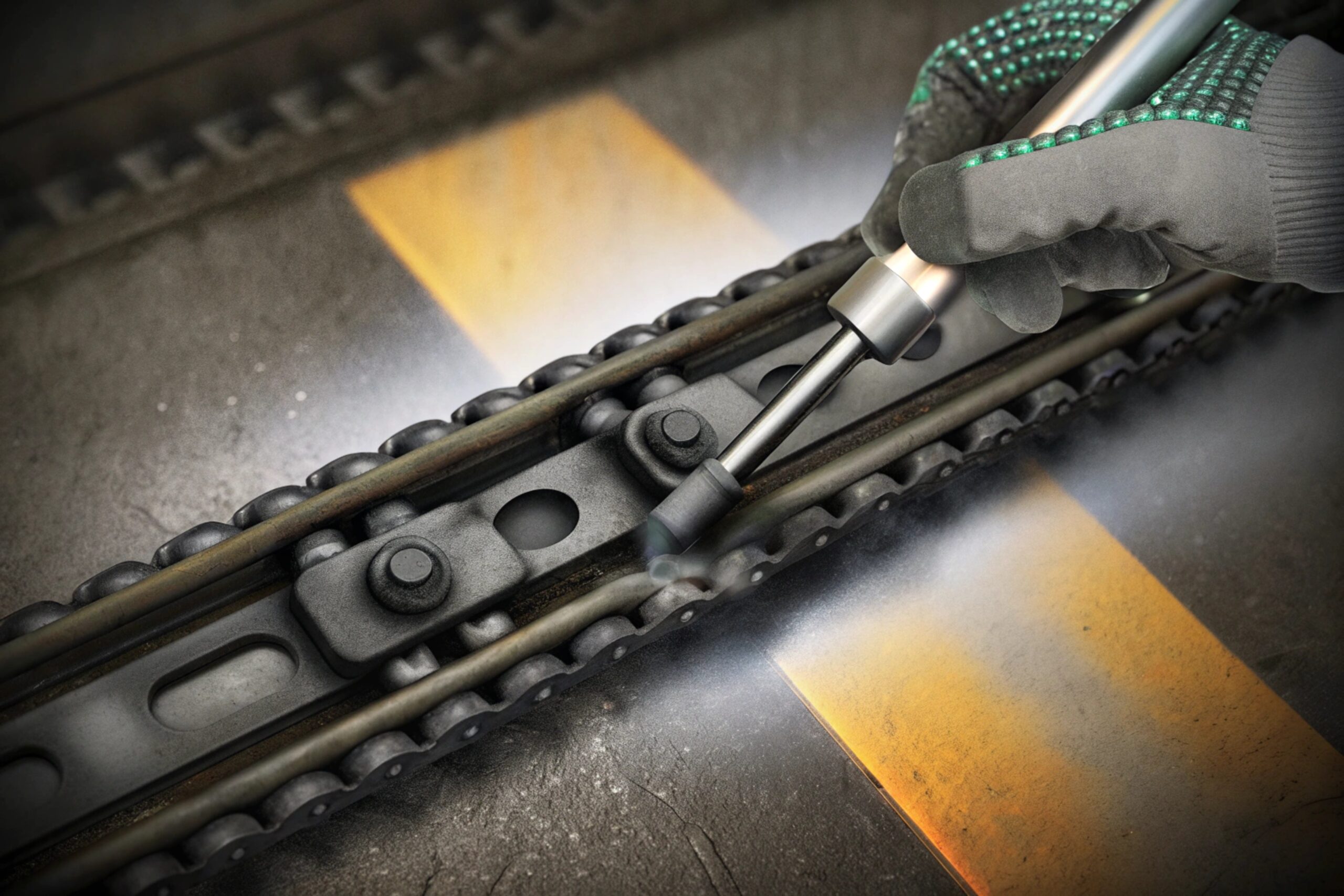
Dive deeper into torque specifications:
Importance of Torque Testing
- Assembly Stability: Ensures bolts are properly tightened.
- Operational Safety: Prevents loose components during equipment operation.
Torque Test Report Details
| Component | Torque Specification | Testing Methodology |
|---|---|---|
| M16 Bolts | 150-220 N·m | Manufacturer’s Methodology |
| Chain Links | Custom Requirements | Industry Standard Procedure |
Torque test reports validate proper installation. They reduce operational hazards 6 by confirming that bolts are correctly fastened according to specifications. Whether it’s for track bolts or other components, these reports prioritize safety and functionality.
Can I get photo evidence of pre-shipment inspections?
Visual inspections 7 add a layer of confidence similar to having eyes on the ground.
Photo evidence of pre-shipment inspections can often be arranged with suppliers, providing additional peace of mind by visually confirming product condition and compliance.
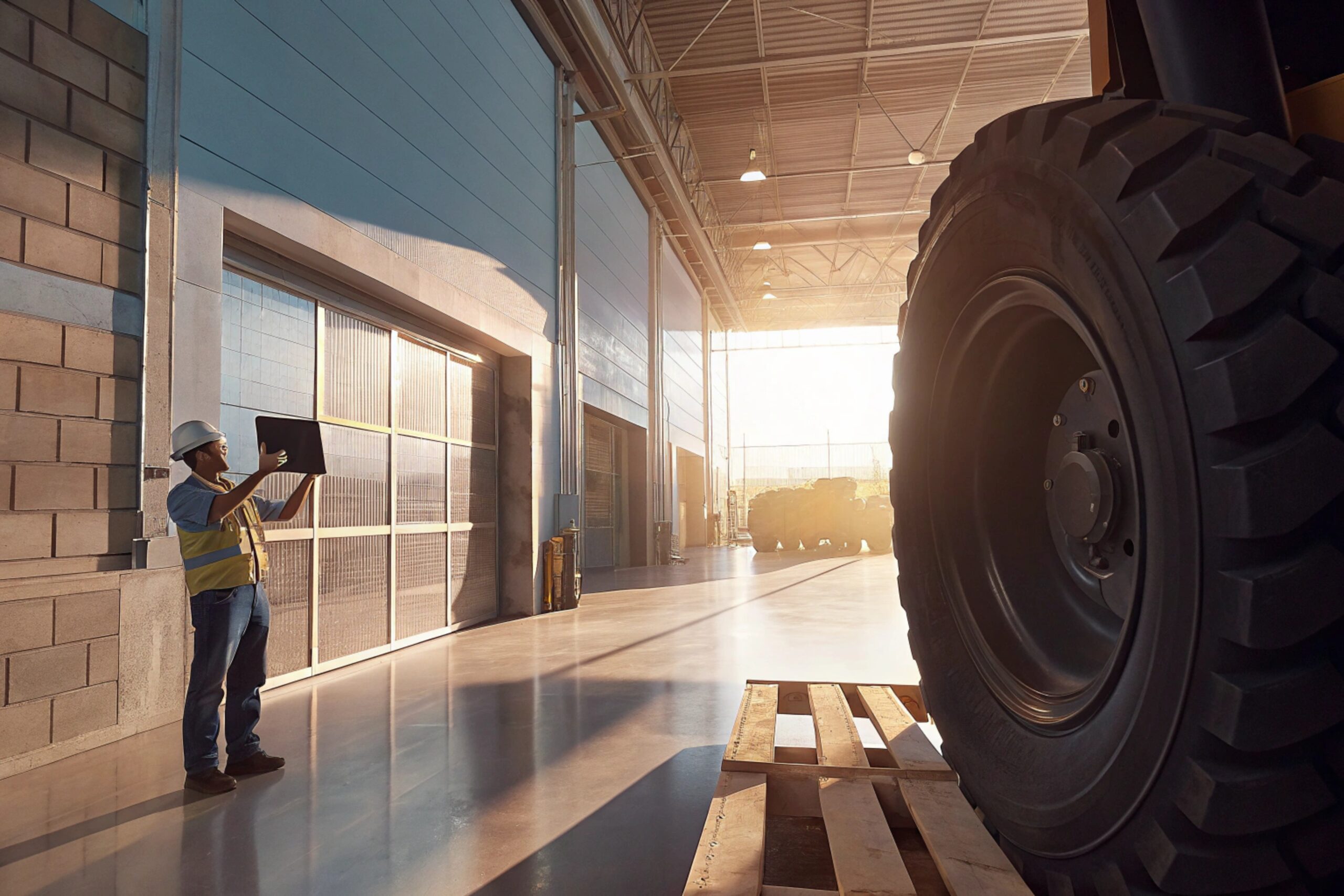
Dive deeper into inspection evidence:
Benefits of Visual Proof
- Transparency: Offers visual validation of shipment conditions.
- Improved Trust: Boosts confidence in supplier processes.
Challenges in Photo Documentation
| Factor | Consideration |
|---|---|
| Photo Authenticity | Ensure images are timely and accurately represent product. |
| Resolution Issues | High-quality images required for effective evaluation. |
Visual proofs reinforce trust and transparency 8, enabling direct observation of part conditions. This simple addition can significantly ease concerns regarding shipment compliance and product integrity.
How do I standardize document formats with suppliers?
Streamlined documentation simplifies processes and reduces potential misunderstandings.
To standardize document formats, collaborate with suppliers in developing agreed templates and formats, ensuring consistency in all inspection reports and requirements.

Dive deeper into document standardization:
Standardizing Inspection Reports
- Unified Templates: Create templates to ensure consistency across reports.
- Supplier Workshops: Collaborate to align on quality benchmarks.
Benefits of Standardization
| Advantage | Outcome |
|---|---|
| Enhanced Clarity | Reduces misinterpretations across different documents. |
| Ease of Comparison | Facilitates evaluation against benchmarks. |
Standardization 9 prevents discrepancies and enhances transparency by ensuring uniformity in documentation formats. With standardized templates, inspection processes become more efficient, and communication with suppliers improves.
Conclusion
In summary, understanding and demanding specific inspection documentation can greatly assure the quality and compliance of excavator undercarriage parts. By requesting documents such as COC and dimensional reports, the process becomes seamless.
Footnotes
1. Overview of excavator components, types, and heavy machinery functions. ↩︎
2. Essential paperwork guides for compliant international shipping and logistics. ↩︎
3. Definition and purpose of a Certificate of Conformity in manufacturing. ↩︎
4. Importance of tracking systems in efficient supply chain management. ↩︎
5. Technical definition and application of torque in mechanical engineering. ↩︎
6. Guidelines for identifying and mitigating workplace and equipment safety risks. ↩︎
7. Methods and benefits of visual quality control checks in industry. ↩︎
8. Role of openness and clarity in building business trust. ↩︎
9. Process of establishing technical standards for consistency and efficiency. ↩︎
10. Insights into the global exchange of goods and services. ↩︎