

Every time I consider a new supplier, my primary concern revolves around the quality of the excavator undercarriage parts 1 they provide. Maintaining high standards is not just about meeting specifications; it means avoiding costly breakdowns and ensuring ultimate performance.
To discern the best from the rest, focusing on a supplier’s quality management practices 2 is crucial. Key questions about quality certifications, material controls, and documented processes reveal much about a supplier’s reliability. Understanding their process confirms whether they’re equipped to handle the complexities of manufacturing critical components.
Getting the right answers to these questions helps me gauge whether a supplier maintains the consistency necessary for these parts. Throughout this article, I’ll delve into essential queries that highlight quality management.
Do They Run Incoming Material Spectro Tests?
Understanding a supplier’s approach to incoming material testing 3 is key for me. A reliable supplier will conduct these tests to ensure materials meet specified compositions, especially for crucial parts.
Running spectro tests identifies the chemical composition 4 of materials, confirming alignment with required standards. It’s a critical step that assures the right alloys are used, ensuring longevity and performance.

Probing into this topic reveals the importance of such tests in minimizing future product failures. It helps confirm if a supplier practices stringent entrance checks. This includes verifying essential elements like carbon, manganese, and boron in steel to optimize hardness and wear resistance 5.
The Spectro Test Process
Here’s how the spectro test process typically unfolds:
| Step | Description |
|---|---|
| Sample Preparation | Begins with a small material sample. |
| Analysis | Using a spectrometer, the sample is analyzed for its elemental composition. |
| Validation | Results are compared with industry standards for compliance. |
Clarifying this supports confidence in batch consistency, lending peace of mind with every shipment.
What Process Controls Ensure Hardness Consistency?
When exploring process controls, I need assurance that the supplier can repeatedly achieve desired hardness levels across parts.
Quality process controls, like heat treatment monitoring 6, ensure hardness consistency. Whether through quenching or tempering, maintaining specific temperatures is crucial for performance.
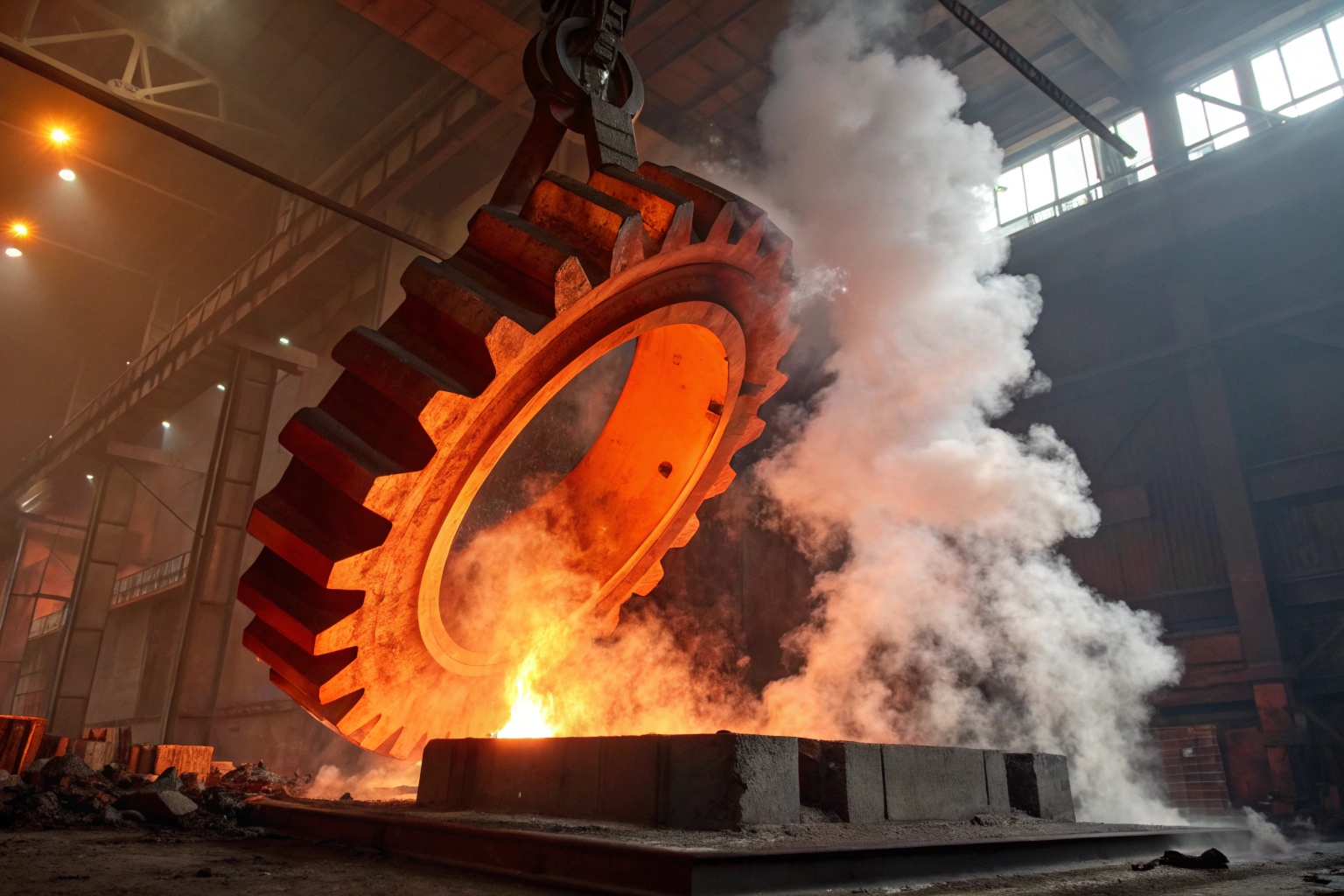
Beyond this, process audits and inspections before, during, and after production determine ultimate compliance. Checking consistency ensures parts withstand the stress of demanding operations.
Heat Treatment Monitoring
- Quenching: Rapid cooling to achieve desired hardness.
- Tempering: Reheating to a lower temperature to reduce brittleness.
- Inspections: Regular checks ensure adherence to specified parameters.
Understanding these helps me gauge a supplier’s commitment to producing uniform and durable components, preventing variability that could lead to costly equipment downtimes.
How Do They Handle Nonconforming Parts and Corrective Action?
Dealing with nonconforming parts is a critical area for me. I need a supplier that not only identifies defective parts but also implements corrective actions.
Effective handling of nonconforming parts 7 involves clear procedures and accountability. It’s about maintaining product integrity while minimizing waste and rework.

During my checks, I seek processes where discrepancies trigger immediate corrective actions (CAPA) 8. Success in this arena speaks volumes about a supplier’s dedication to excellence.
CAPA Workflow
- Identification: Determine nonconformity through inspections.
- Analysis: Root-cause analysis 9 phases.
- Action: Implementation of corrective measures.
- Review: Assess the effectiveness of actions taken.
Clarifying how these steps unfold builds a complete picture of quality assurance. It fosters confidence in their operational standards and ability to overcome challenges.
Key Metrics for Nonconformance Management
| Metric | Importance |
|---|---|
| Identification Rate | Swiftly finding and categorizing issues. |
| Resolution Time | Speed of corrective action implementation. |
| Success Rate of Corrective Actions | Effectiveness in preventing recurrence. |
Can They Provide PPAP or APQP Documentation?
This area is crucial as I review potential new suppliers. These documents demonstrate a supplier’s capability in maintaining production quality and readiness.
Providing Production Part Approval Process (PPAP) 10 or Advanced Product Quality Planning (APQP) documents solidifies a supplier’s control over production processes. It confirms engagement in stringent planning and quality checks.

Such documentation showcases a well-entrenched quality management system, including detailed inspections and process overviews. It’s a benchmark of excellence.
Importance of PPAP and APQP
Here’s why PPAP and APQP documentation hold value:
| Aspect | Importance |
|---|---|
| Consistency | Guarantees ongoing compliance with customer and industry requirements. |
| Accountability | Documents responsibility for specified quality levels. |
| Timing | Maps out precise production timelines and checklists. |
Gaining this insight helps evaluate a supplier’s readiness to meet specifications reliably. It confirms a proactive stance in preventing defects and ensuring satisfaction.
Conclusion
In evaluating suppliers for excavator undercarriage parts, focusing on quality management practices allows me to ensure durable, reliable components. The answers to these core questions reveal the strength of their processes, helping me form strategic partnerships.
Footnotes
1. Essential guide to heavy machinery track system components. ↩︎
2. Standards for ensuring consistent production and customer satisfaction. ↩︎
3. Methods to verify raw material quality before manufacturing. ↩︎
4. Analysis of elemental structure determining material properties. ↩︎
5. Ability of materials to withstand friction and abrasion. ↩︎
6. Process of controlling thermal cycles for metal hardening. ↩︎
7. Procedures for managing defective products in manufacturing. ↩︎
8. System for investigating and solving quality issues. ↩︎
9. Problem-solving method to identify the core issue. ↩︎
10. Industry standard for validating production part quality. ↩︎