

Choosing the right payment terms can be a daunting task when dealing with excavator undercarriage parts 1 suppliers. I know how crucial it is to balance security and flexibility, especially when dealing with large transactions.
For purchasing excavator undercarriage parts, each payment method has its unique features and risk levels. T/T is quick and direct but risky if the supplier isn’t trustworthy, while L/C is more secure but can be cumbersome. OA places most risks on the supplier, and Alibaba escrow provides a balance with third-party protection.
Payment term selection impacts both financial risk 2 and order security. Here, we delve into their specifics and guide you towards minimizing exposure while maximizing control over your transactions.
How Does a Standby L/C Protect My Orders?
In my experience, ensuring order safety and payment security is vital in international transactions. A standby L/C provides peace of mind by effectively guaranteeing supplier performance.
Standby L/C acts as security for the buyer since the bank guarantees payment if the supplier fails to deliver as promised. It is a safety net because, in breach of contract, the bank steps in rather than leaving the buyer exposed.

A standby letter of credit 3 (L/C) can substantially decrease the risks associated with international trade. This makes it extremely reliable for buyers needing assurances against the possibility of supplier default 4. The bank issuing the L/C takes the buyer’s place, ensuring payment upon satisfactory delivery of goods. However, this protection comes with costs, including bank fees and complex documentation requirements. It demands careful alignment of supplier and buyer requirements to prevent payment delays over minor discrepancies. A further benefit of standby L/Cs is the impact on supplier relationships; it indicates a level of trust that can lead to more favorable terms and lower costs in the future.
Can I Negotiate OA After Initial Shipments?
When expanding trade relations, I find few things as impactful as renegotiating payment terms to reinforce trust. Negotiating OA can considerably ease cash flow demands.
Yes, once a supplier relationship is established, negotiating an open account (OA) 5 payment system becomes feasible. Trust built on initial transactions can lead to more favorable terms for buyers.
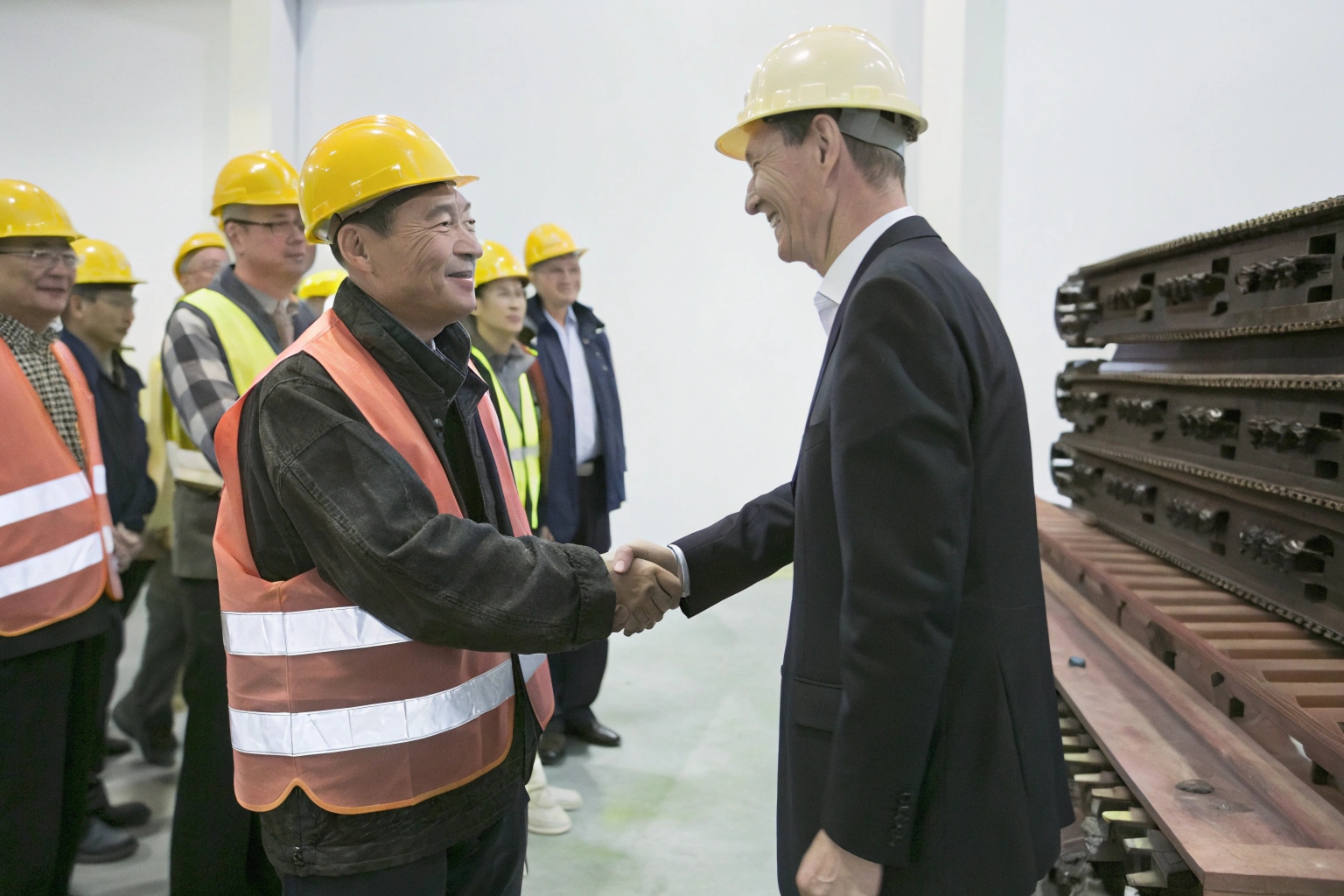
Negotiating open account (OA) terms can be challenging with new suppliers but becomes feasible after building trust through initial successful shipments. OA terms allow buyers to delay payment, typically 30-90 days post-delivery, easing cash flow demands 6. Suppliers may agree to OA terms if they are confident in the buyer’s credibility, often treating it as a reward for reliability. Nonetheless, it’s generally a risky move for suppliers as they carry most of the burden if payment issues arise. This risk can be reduced when buyers procure credit insurance policies 7, safeguarding suppliers against non-payment and providing a secure way of extending credit even to new buyers. Due diligence is still essential to ensure any OA agreement benefits both parties.
What Escrow Options Reduce My First-order Risk?
Taking the leap on a first order can be intimidating. I believe using escrow services efficiently can provide buyers like us that necessary confidence.
Employing escrow options such as Alibaba Trade Assurance 8 can mitigate first-order risks by holding funds securely until the transaction is satisfactorily completed.
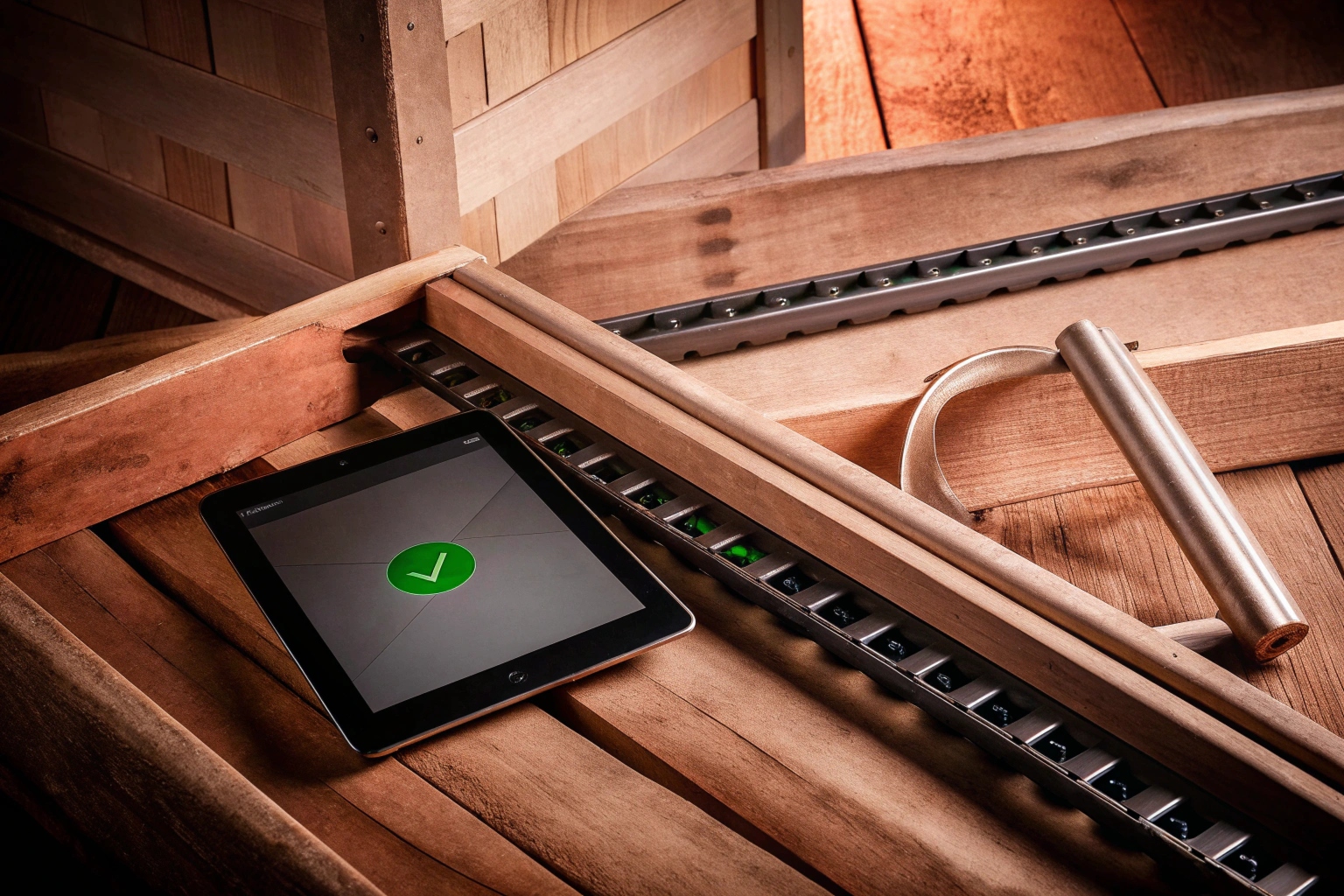
When making initial purchases of excavator undercarriage parts, employing escrow services like Alibaba Trade Assurance adds a useful layer of security. It mitigates the primary risk of non-performance by the seller by withholding funds until buyers confirm receipt and satisfaction of goods. Transactional security is further enhanced as platforms handle disputes according to predefined terms, often involving arbitration 9 over quality disputes. However, escrow services come with fees and usually apply to specific platforms or orders meeting certain criteria, such as size or complexity. Utilizing escrow can also encourage buyers to purchase confidently, creating an initial foundation for long-term supplier agreements. This initial security helps mitigate potential first-order anxieties, allowing buyers to focus on establishing fruitful supplier relations.
Should I Split Payments by Milestones?
The journey of ordering specialized parts is rarely linear. Splitting payments on milestones has often eased my concerns and those of my suppliers.
Yes, splitting payments to milestones is a strategic move. This method controls risk by tying payments to supplier performance and compliance in delivering agreed project specs.

Payment Milestone Strategy
| Milestone | Payment | Conditions |
|---|---|---|
| Initial Deposit | 30% of order | Upon P.O. confirmation |
| Mid-Production | 40% of order | After inspection reports |
| Pre-Shipment | 30% of order | Upon successful shipment |
Milestone payments offer more control and reduced risk in the payment process for buyers. They tie financial outflow to supplier performance at various stages, such as initial deposit, mid-production, and pre-delivery. Implementing this strategy ensures that buyers hold financial leverage over suppliers, incentivizing adherence to quality and timelines. Payment releases align with confirmation of performance milestones and compliance with contract specifications 10. This not only mitigates risk but also fosters a mutually positive approach to project management. While it helps buyers, suppliers gain confidence that payment corresponds to milestone achievements, prompting enhanced cooperation and commitment to contract adherence.
Conclusion
Balancing payments by splitting milestones and securing transactions with escrow services or standby L/C can significantly mitigate purchasing risks.
Footnotes
1. Essential components like tracks and rollers for heavy construction machinery. ↩︎
2. The possibility of losing money during a business transaction. ↩︎
3. A bank guarantee ensuring payment if the buyer defaults. ↩︎
4. Risk of a vendor failing to deliver goods as agreed. ↩︎
5. Trade terms where goods are shipped before payment is due. ↩︎
6. The need to manage available liquidity for business operations. ↩︎
7. Protection for suppliers against the risk of non-payment by buyers. ↩︎
8. Service protecting online orders by holding funds until delivery. ↩︎
9. A legal method to resolve disputes outside of the court system. ↩︎
10. Detailed requirements regarding quality and materials in a legal agreement. ↩︎