
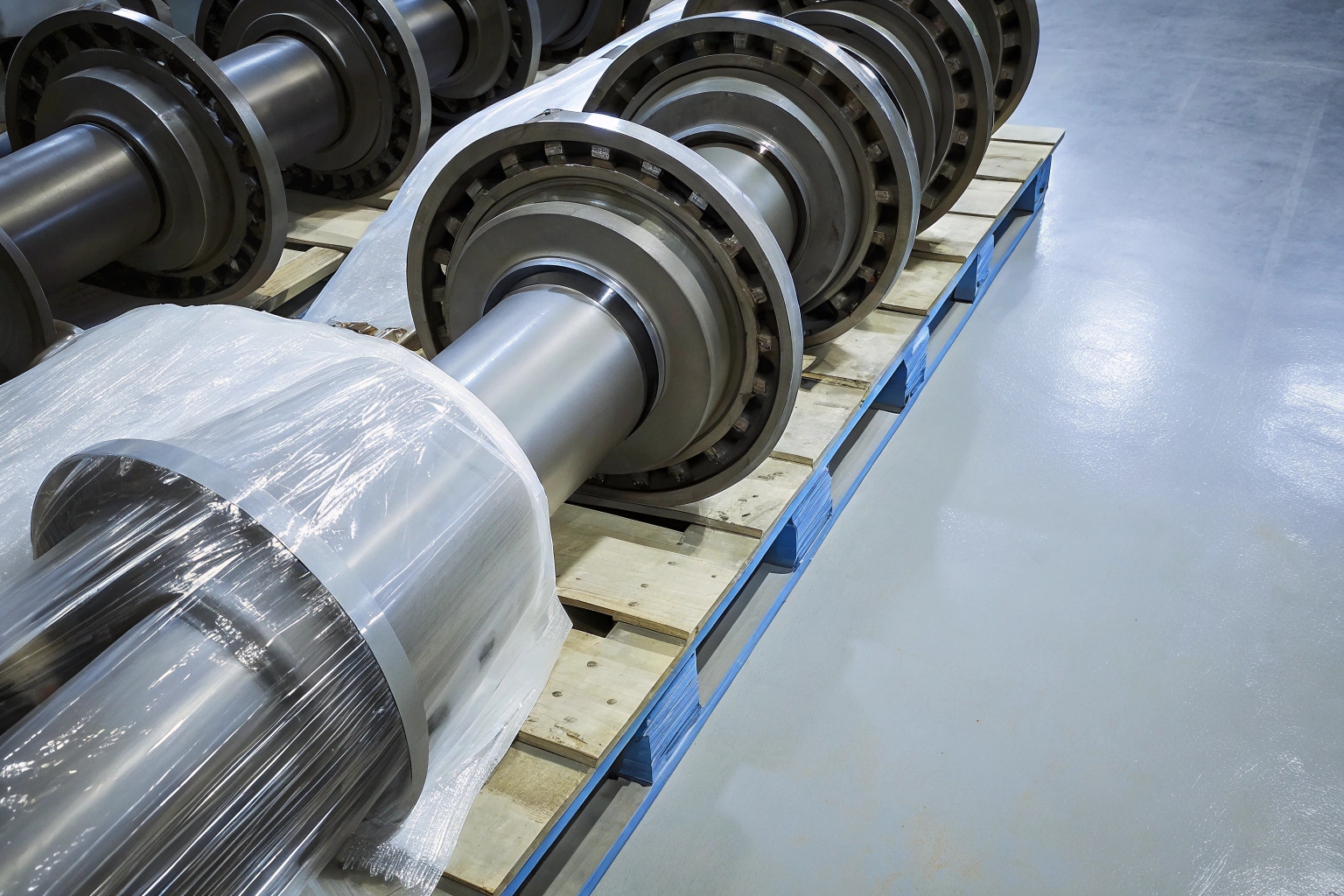
Pre-shipment inspection photos 1 are critical. Many times, buyers like myself worry about the quality and safety of ordered items. Could these photos solve this anxiety?
Receiving pre-shipment inspection photos along with container loading images provides assurance of product quality and shipment integrity. These photos, often provided by suppliers or third-party inspectors 2, ensure that the parts meet the necessary specifications and are properly packed.
Understanding the process of receiving these photos can mitigate many logistical concerns 3. Read on to know more about how you can ensure these photo services are part of your order.
Can I get photos of my finished parts on the pallet before they are packed?
Using query phrases like "can I get photos" often signals uncertainty, especially if you’re in my shoes, navigating complex logistics demands in a global market. Photos can shine a light on unseen details.
Receiving photos of finished parts on pallets before packing helps confirm that the product matches the order specifications 4. These images provide evidence of completeness and packaging standard 5, ensuring satisfaction before shipping.
To dive deeper, it’s essential to know the different practices in the industry. Typically, high-quality suppliers will provide detailed photos showing completed parts on pallets. This includes capturing specific details such as any labels or markings on the parts, which helps verify against the order specifications.
Benefits of Receiving Pre-Packaging Photos
-
Verification of Product Quality: Photos before packing serve as evidence that the products meet the agreed standard. They can include angles showing the surface finish, dimensions, and any marks or labels required.
-
Packaging Inspection: These images offer a clear view of how parts are stacked and secured on pallets, ensuring packaging is consistent with safety norms.
-
Trust Building: Suppliers who provide regular photographic updates usually have better trust relations with clients. They demonstrate transparency and accountability.
-
Reduced Discrepancies: By verifying the order visually, any errors in parts or quantities can be corrected before actual shipment, saving time and cost associated with returns or complaints.
Ensure that these requirements are in the PO or sales contract 6 to avoid confusion. Consider third-party inspection if the supplier shows hesitation, as this can guarantee unbiased verification.
Will you send me photos showing how my container is loaded and secured?
Doubts often arise about container safety during transportation. If you’re wary about how goods are managed in transit, photos can ease your mind.
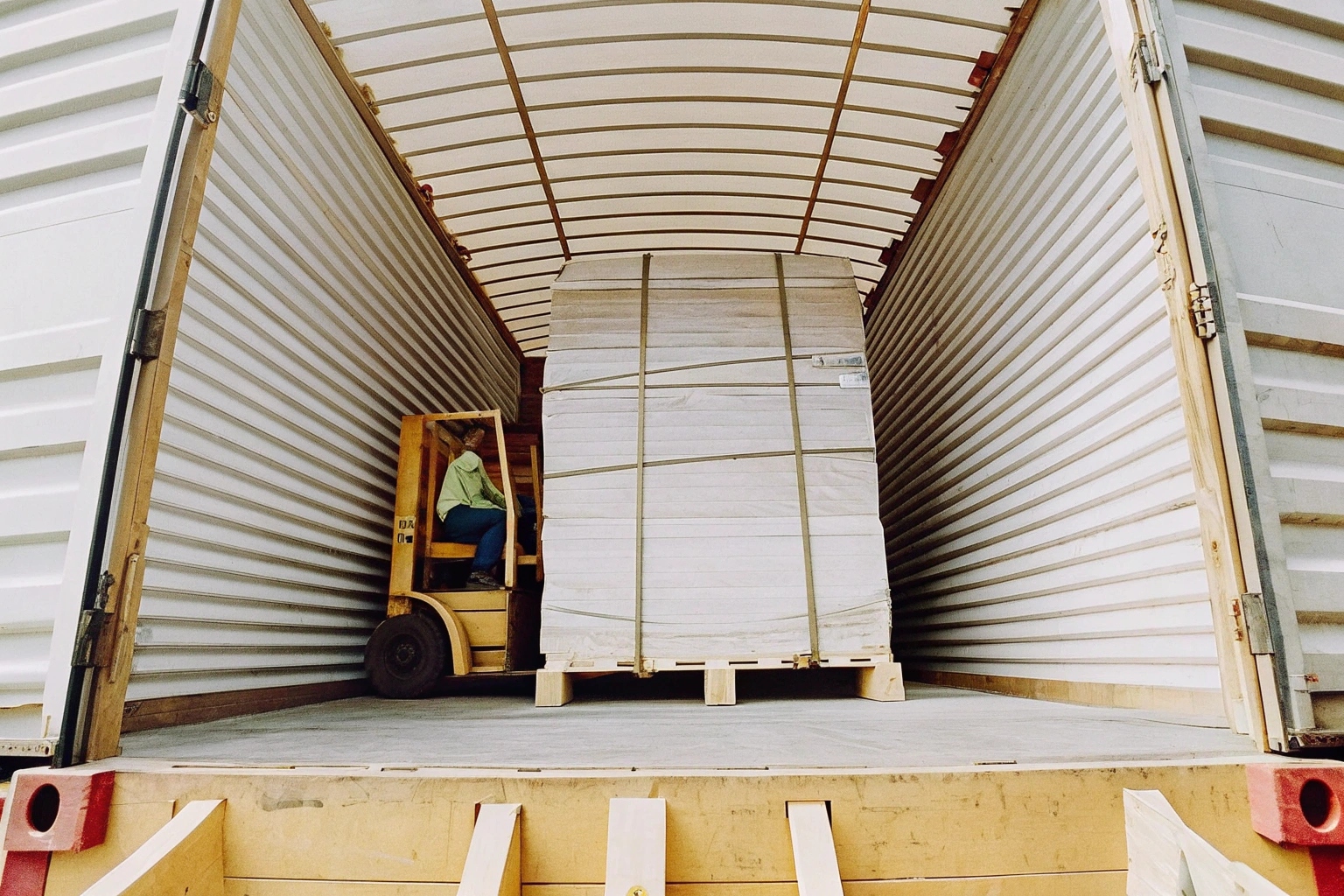
Container loading and securing 7 photos depict how products are arranged and protected within the shipping container. Suppliers offering these visuals enhance transparency and provide insight into logistical practices.

In-depth consideration reveals the significance of these images. Not only do they ensure the correct handling and sequencing of cargo, but they also verify that the loading method meets safety standards.
Key Elements to Consider
-
Loading Process: Look for photos that show step-by-step how items are placed inside. An even distribution prevents shifts in weight during transit.
-
Securing Methods: Ensure that the images display how the goods are fastened. Proper bracing and strapping 8 are vital to protect against movement.
-
Container Condition: Photos can also reveal the interior walls and floors of the container. This detects possible rust or damage affecting load safety.
-
Compliance with Regulations: Capturing seal numbers and container IDs confirm adherence to logistic security standards and reduce routing issues.
For an effective exchange, communicate your needs clearly with suppliers. Large suppliers typically offer this documentation as a routine service. However, ensure specifics are in the purchasing agreement.
Can I get a photo of the container number and the door seal number for my records?
For meticulous record-keeping like mine, securing every transaction detail, including container IDs or seal numbers, is non-negotiable. They are crucial for tracking and authenticity.
Obtaining photos of the container number and seal number 9 offers concrete proof of shipment integrity—integral for tracing consignments.
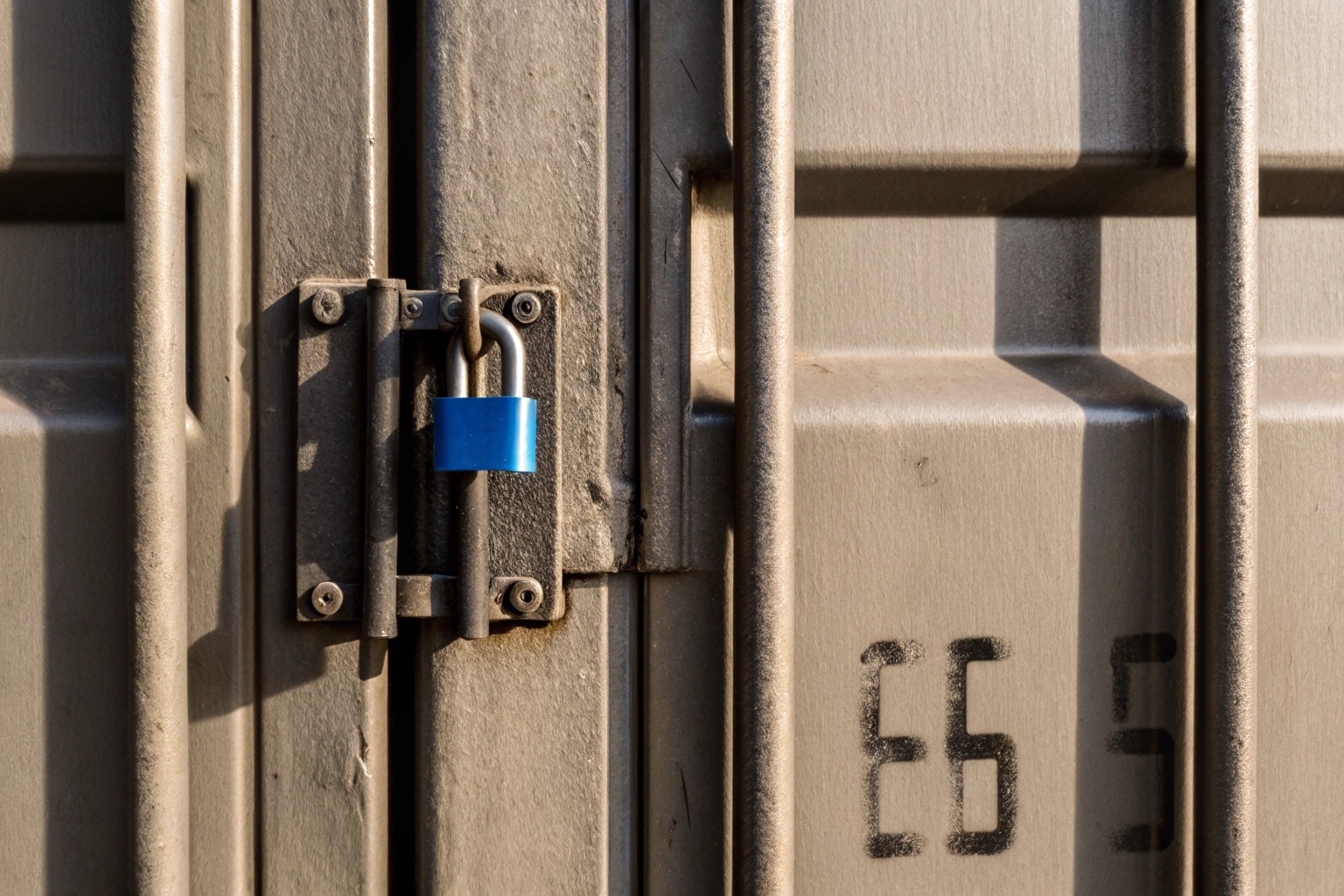
Recording these identifiers ensures comprehensive documentation. Container and seal numbers act as cross-checks in logistics chains, keeping fraud at bay and maintaining shipment sanctity.
Importance of Container and Seal Number Documentation
To break this down, consider how these records play a pivotal role:
-
Tracking Shipments: These numbers operate as unique identifiers. They allow buyers to track shipments through logistic databases and platforms.
-
Verification of Contents: If disputes arise about cargo integrity, this documentation provides authoritative evidence for claims.
-
Preventing Fraud: Regularly updated photos with consistent data regarding seals and containers deter unauthorized tampering.
-
Logical Auditing: A thorough audit trail improves supply chain efficiency 10, enhancing invoice validation processes and issue resolutions.
Thus, receiving these records as standard service assures better operational coordination and peace of mind. Buyers should request these services explicitly, or include them in their contracts, as suppliers may be inconsistent in providing this automatically.
Is this a standard part of your service or do I need to request it?
For any buyer, not knowing what to expect from suppliers creates tension. Establishing what comes standardly prevents unpleasant surprises.
Suppliers often offer pre-shipment and loading photos as part of their standard service package, but specific requests may need articulation. It’s crucial to ensure these needs are met.
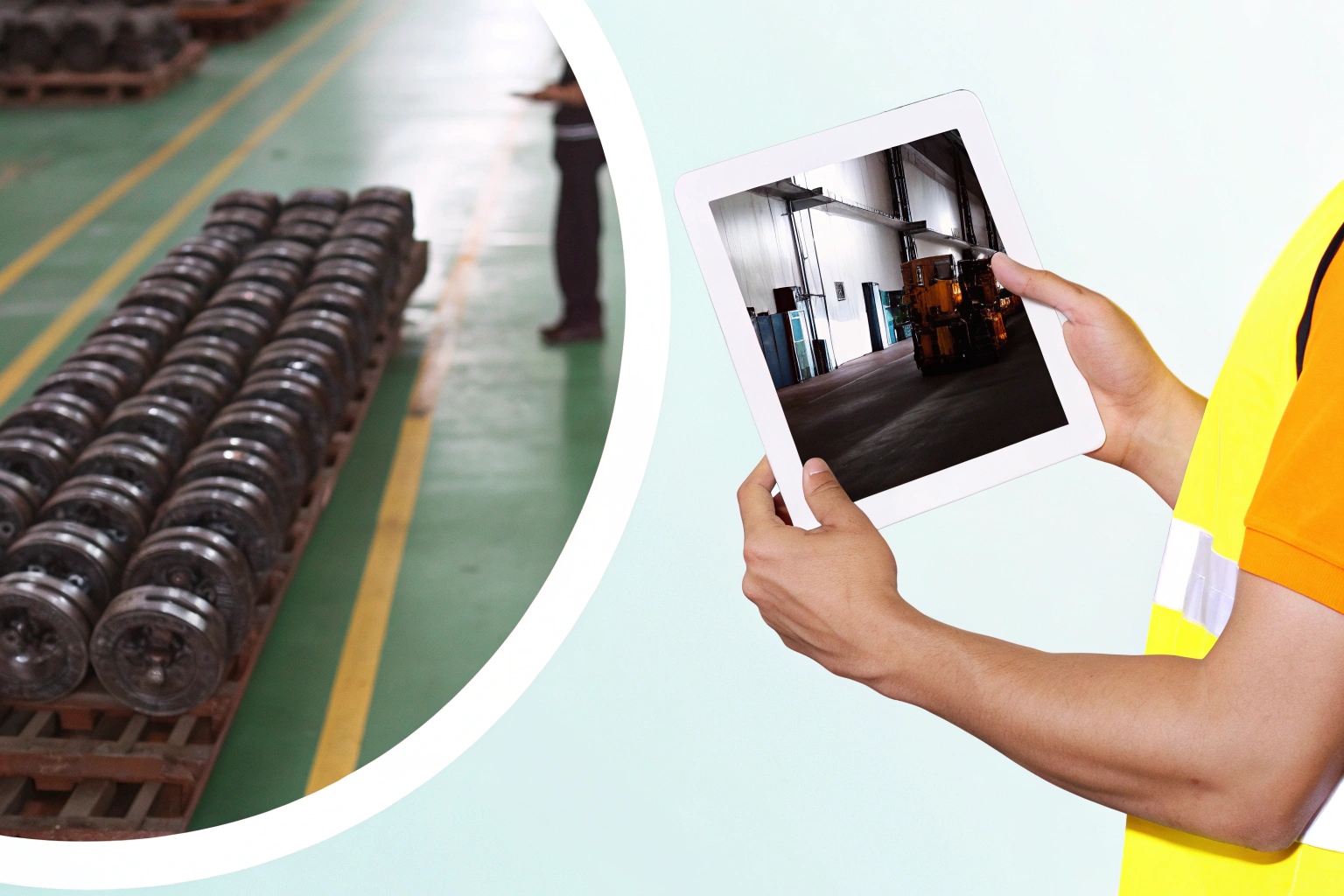
While some suppliers automatically furnish these services to bolster client trust, others may treat them as premium offerings. Awareness is key to navigating these variations.
Supplier Services Overview
To fully comprehend, here’s a quick rundown of typical practices:
| Service Type | Description |
|---|---|
| Basic Package | General inspection photos covering basic quality assurance if specifically requested |
| Enhanced Service | Detailed analysis with documentation, usually involves higher charges |
| Spectrum of Providers | Large or well-established suppliers might integrate this as routine |
| Tailored Solutions | Ensure expectations are clearly communicated and reflected in the contract or PO |
Suppliers who hesitate significantly in providing such assurance services signal a potential risk, necessitating a closer review. Always strive for clear dialogue and written records from the start.
Conclusion
In sum, being informed about these photographic services can significantly affect shipment assurance and verification. Regular communication ensures expectations are aligned.
Footnotes
1. Learn the detailed process and benefits of pre-shipment inspections. ↩︎
2. Understand the role and benefits of using independent inspection services. ↩︎
3. Explore common strategies for managing and reducing supply chain risks. ↩︎
4. Best practices for writing clear and effective product order specifications. ↩︎
5. Guide to international standards for safe industrial parts packaging. ↩︎
6. Why including inspection clauses in your sales contract is crucial. ↩︎
7. Technical guide on proper methods for loading and securing heavy cargo. ↩︎
8. See examples of effective bracing and strapping techniques for freight. ↩︎
9. Explanation of container and seal numbering systems for tracking. ↩︎
10. How documentation and transparency improve overall supply chain efficiency. ↩︎